Plan and listen to Seongsu Bridge with Audiala.
Audio guide in your pocket, itinerary in your browser. Built for the way you actually visit.
Introduction
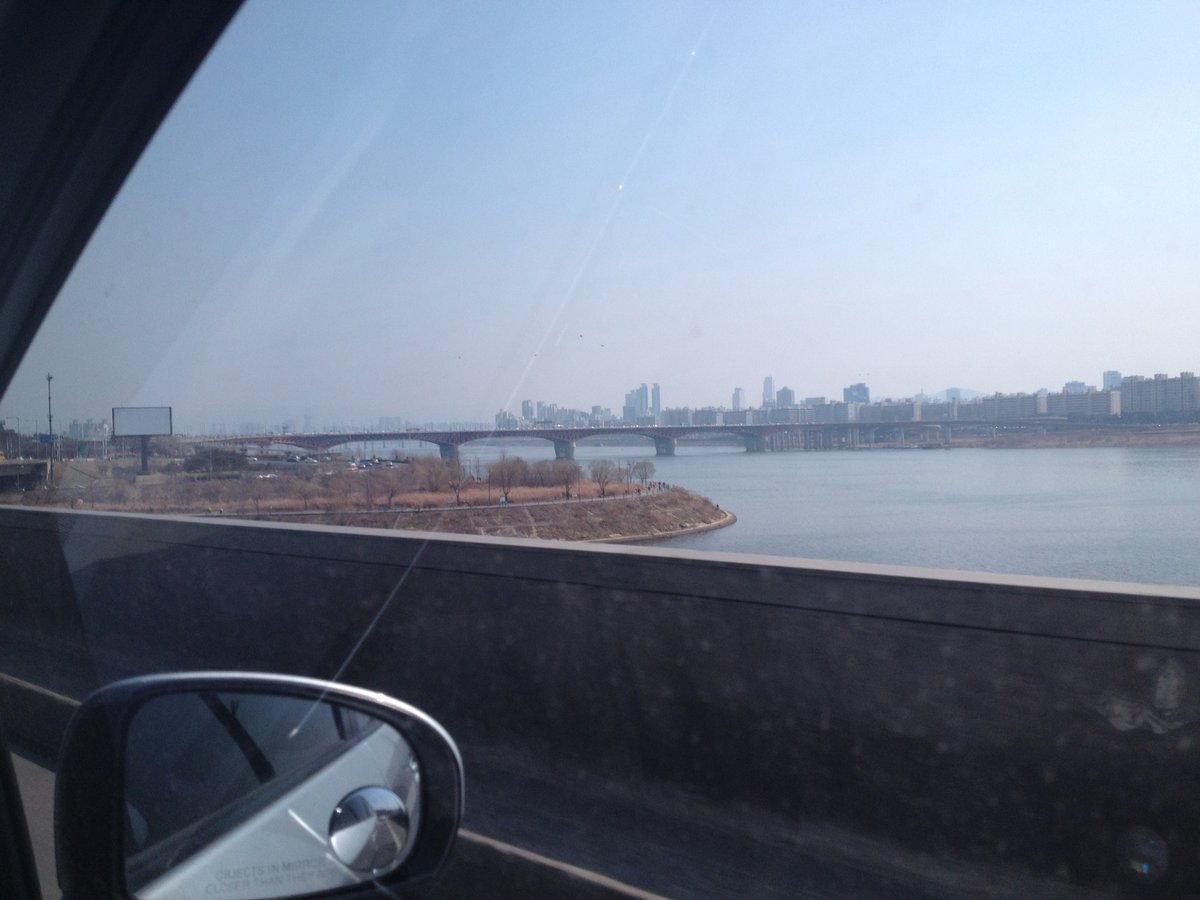
Seongsu Bridge (성수대교; Seongsudaegyo) is a prominent landmark spanning the Han River and connecting Seoul’s Seongdong and Gangnam districts. More than just a piece of infrastructure, it is a powerful symbol of the city’s rapid development, resilience in the face of tragedy, and ongoing cultural evolution. Today, Seongsu Bridge not only facilitates vital urban transportation, but also serves as a destination for sightseeing, photography, and exploring some of Seoul’s most vibrant neighborhoods and parks.
This comprehensive guide explores Seongsu Bridge’s historical background, architectural significance, visitor information—including hours, ticketing, accessibility—and highlights nearby attractions. Whether you are interested in Seoul’s history, urban design, or simply looking for a scenic spot, this guide equips you with everything you need to know.
For more official information, visit Seoul Tourism and Official Seoul City.

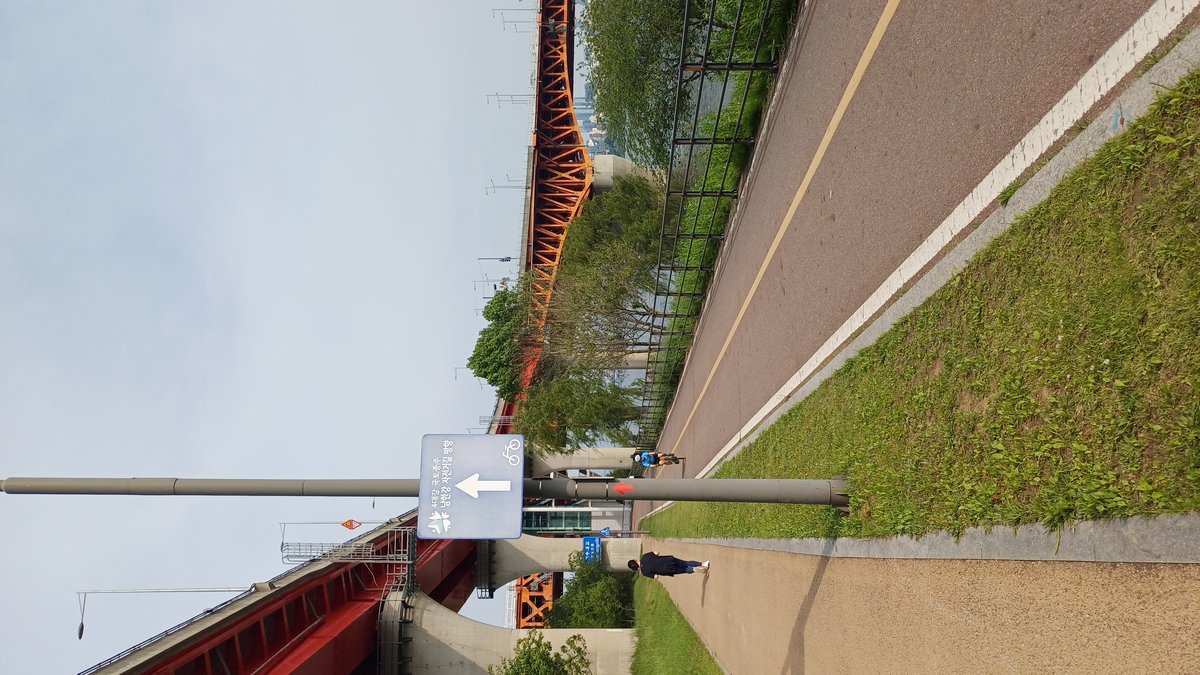
Construction and Early Years
Opened in 1979, Seongsu Bridge was constructed during a transformative period in Seoul’s history—when the city was rapidly expanding south of the Han River. Built as a steel box girder cantilever bridge by Dong Ah Construction Industrial Company, it measured 1,160 meters long and 19.4 meters wide. Serving as the 11th bridge across the Han, Seongsu Bridge quickly became essential for connecting the northern Seongdong District with the then-emerging Gangnam area.
Urban Development Role
By the early 1990s, Seongsu Bridge was handling over 160,000 vehicles daily, far exceeding its original design capacity. Its integration with major expressways, including the Seoul Olympic Highway and the Dongbu Expressway, cemented its status as a key artery in Seoul’s transport network (Wikipedia).
1994 Collapse and Renewal
On October 21, 1994, a 48-meter section of the bridge collapsed during morning rush hour, resulting in 32 deaths and 17 injuries. The disaster was attributed to faulty welding, rusted hinges, and insufficient maintenance. This tragedy sparked sweeping reforms in South Korea’s infrastructure safety and maintenance standards (Korea Herald).
The bridge was demolished and rebuilt by Hyundai Engineering & Construction, reopening in 1997 with enhanced engineering and safety standards. The new structure preserved much of the original's appearance while incorporating state-of-the-art safety features.
Structural Design & Aesthetics
Seongsu Bridge’s robust steel box girder design ensures durability and stability, with reinforced concrete piers anchored deep in the Han River to withstand strong currents and seasonal floods. The eight-lane configuration accommodates both vehicles and pedestrian/cyclist traffic, with walkways on both sides (Wikipedia).
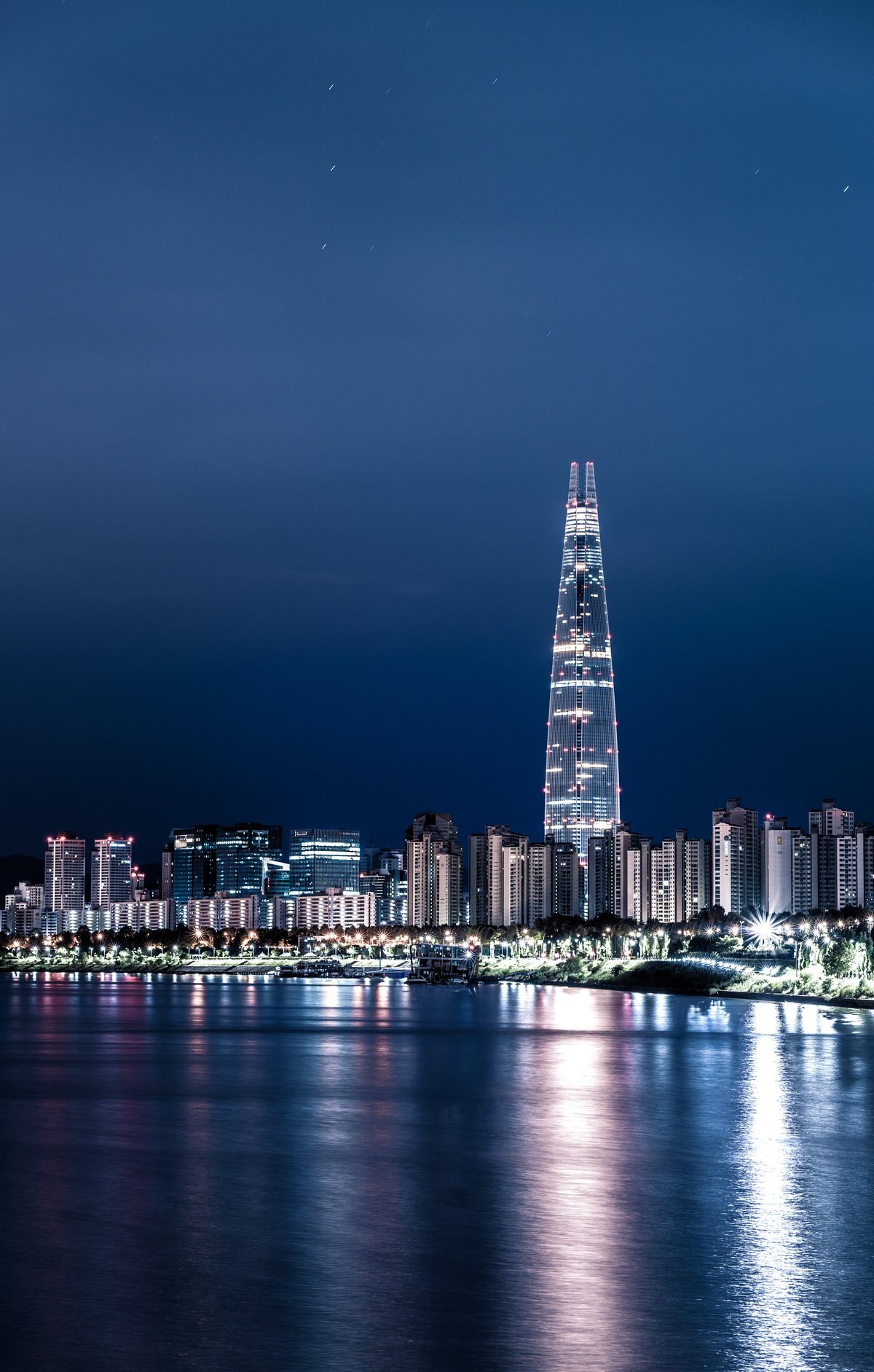
Aesthetically, the bridge features clean lines and an understated profile that harmonizes with both the industrial character of Seongsu-dong and the modern skyline of Gangnam. At night, an LED lighting system outlines the bridge, creating a luminous spectacle that changes for holidays and special events (Visit Seoul).
Symbolism and Cultural Resonance
The collapse and subsequent rebuilding of Seongsu Bridge mark a pivotal chapter in Seoul’s—and South Korea’s—modern history. The bridge now stands as a symbol of resilience, progress, and the city’s commitment to safety and innovation (Korea Herald). Its presence in Seongsu-dong, an area formerly known as the “Shoe Quarter” for its factories, also reflects the district’s transformation into a center for creativity and culture (Korea Exploration).
Urban Connectivity and Economic Impact
Seongsu Bridge is a crucial transport artery, linking Seongsu-dong’s creative hub with Gangnam’s commercial district. Its proximity to subway stations (Seongsu, Ttukseom, Seoul Forest), bus routes, and bike paths ensures easy access and encourages sustainable mobility (The Soul of Seoul). The bridge has played a significant role in stimulating economic development on both sides of the river.
Visiting Information
Hours & Entry
- Seongsu Bridge: Open 24 hours a day for pedestrians, cyclists, and vehicles. No entrance fee.
- Nearby Parks: Seoul Forest and Ttukseom Hangang Park are open 5:00 AM–10:00 PM, free entry.
Access & Transportation
-
Subway:
- Seongsu Station (Line 2)
- Ttukseom Station (Line 2)
- Seoul Forest Station (Bundang Line)
All within a 10–15 minute walk.
-
Bus:
Multiple lines serve Seongsu-dong and Gangnam. -
Biking:
Rent a Ddareungi bike and use riverside bike paths that connect directly to the bridge. -
Car:
Accessible via Olympic-daero; parking is limited—public transport is recommended.
Accessibility
- Ramps and smooth walkways on the bridge and at nearby parks.
- Elevators at subway stations.
- Barrier-free restrooms and facilities in adjacent parks.
Guided Tours & Special Events
While there are no official guided tours of the bridge itself, local travel agencies and online platforms offer walking and cycling tours that include Seongsu Bridge and the surrounding neighborhoods. Seasonal festivals, art installations, and night markets frequently take place in nearby parks (Visit Seoul Official Event Calendar).
Best Times & Photo Spots
- Golden Hour: Arrive 30 minutes before sunset for stunning skyline and river views.
- Night: LED lighting creates dramatic photo opportunities.
- Spring/Autumn: Enjoy blossoms or foliage from the bridge and adjacent parks.
- Photo Tips: Use the pedestrian walkway for panoramic shots; explore under the bridge for unique angles.
Nearby Attractions
- Seongsu-dong: “The Brooklyn of Seoul”—repurposed factories, art galleries, hip cafes, boutiques, and street art (Seoul Searching).
- Seoul Forest: Urban park with gardens, conservatories, bike trails, and deer feeding.
- Ttukseom Hangang Park: Lawns, gardens, cultural complexes, and event venues.
- Dining: From Korean barbecue to vegan cafes; riverside “chimaek” (chicken and beer) is popular.
Safety & Accessibility Features
- Separate pedestrian/cyclist lanes from vehicle traffic.
- Regular monitoring, CCTV, and night lighting.
- Frequent maintenance checks following the 1994 disaster.
- Ramps, elevators, and accessible restrooms for all visitors.
Visitor Tips
- Wear comfortable shoes for walking.
- Pack weather-appropriate gear; summers can be hot, springs/autumns moderate.
- Bring a camera or smartphone for capturing views.
- Use public transport to avoid parking hassles.
- Respect local etiquette: moderate noise, dispose of trash properly, no smoking on the bridge or in parks.
- Download the Audiala app for navigation and event info.
Frequently Asked Questions (FAQ)
Q: Is there an entrance fee to visit Seongsu Bridge?
A: No, the bridge and adjacent parks are free to access.
Q: What are the best times for photography?
A: Sunset, golden hour, and nighttime for illuminated cityscapes.
Q: Are guided tours available?
A: Yes—local agencies offer tours including Seongsu Bridge and Seongsu-dong.
Q: Is the bridge accessible for wheelchair users?
A: Yes, with ramps and elevators at nearby stations and parks.
Q: Can I bike across the bridge?
A: Yes, dedicated cycling lanes are available; bike rental is easy via Ddareungi.
Listen to the full story in the app
The whole Seongsu Bridge,
told well.
Audio guides for 1,100+ cities across 96 countries. History, stories, and local insight — offline ready.
Verified, and shown.
Researched and written by the Audiala editorial team from historical records, architectural archives, and local expertise.
Researched from Wikidata, Wikipedia & official sources · fact-checked · How we make our guides →