Introduction
Salgoji Bridge, also known as Jeongokgyo, stands as a testament to the architectural and engineering prowess of the Joseon Dynasty in Seoul, South Korea. Constructed in the 15th century during the reign of King Sejong, this historic stone bridge spans the Jungnangcheon Stream and has played a crucial role in the region's infrastructure, military strategy, and cultural heritage. The bridge's enduring presence and significance are deeply rooted in its advanced engineering techniques, which include the use of large stone blocks and a series of arches designed to withstand seasonal flooding. As a vital part of the transportation and communication network of the time, Salgoji Bridge facilitated economic development and trade between the capital, Hanyang (modern-day Seoul), and the northern regions of the Korean Peninsula. Today, this landmark offers visitors a unique glimpse into Korea's rich history and cultural legacy, making it a must-visit destination for history enthusiasts and casual travelers alike (Korea Tourism Organization).
Historical Background of Salgoji Bridge
Origins and Construction
Salgoji Bridge, also referred to as Jeongokgyo, is a historic stone bridge located in Seoul, South Korea. The bridge dates back to the Joseon Dynasty, specifically to the reign of King Sejong (1418-1450). It was constructed in 1420 to facilitate transportation and communication between the capital, Hanyang (modern-day Seoul), and the northern regions of the Korean Peninsula.
The bridge spans the Jungnangcheon Stream, a tributary of the Han River, and was strategically important for both civilian and military purposes. The construction of Salgoji Bridge was part of King Sejong's broader efforts to improve infrastructure and promote economic development throughout the kingdom. The bridge's design reflects the advanced engineering techniques of the time, utilizing large stone blocks and a series of arches to ensure stability and durability.
Architectural Significance
Salgoji Bridge is renowned for its architectural and engineering prowess. The bridge is approximately 75 meters long and 6 meters wide, featuring 12 arches that distribute the weight evenly across the structure. The use of stone blocks, meticulously cut and fitted together without the use of mortar, showcases the skill and precision of Joseon-era stonemasons.
The bridge's design also incorporates elements to withstand the seasonal flooding of the Jungnangcheon Stream. The arches allow water to flow freely beneath the bridge, reducing the risk of damage during heavy rains. This innovative approach to flood management highlights the practical considerations that influenced the bridge's construction.
Historical Context
The construction of Salgoji Bridge occurred during a period of significant development and reform in the Joseon Dynasty. King Sejong, one of Korea's most revered monarchs, implemented numerous policies to strengthen the kingdom's infrastructure, economy, and cultural heritage. The bridge was part of a broader network of roads and bridges that facilitated trade, communication, and military movements.
Salgoji Bridge also played a role in the kingdom's defense strategy. Its location on the northern outskirts of Hanyang made it a critical point for controlling access to the capital. The bridge's robust construction ensured that it could support the movement of troops and supplies, contributing to the kingdom's overall security.
Cultural and Historical Impact
Over the centuries, Salgoji Bridge has witnessed numerous historical events and changes. It has survived natural disasters, wars, and the rapid urbanization of Seoul. The bridge's enduring presence is a testament to its historical and cultural significance.
In the modern era, Salgoji Bridge has been recognized as an important cultural heritage site. It was designated as Seoul Tangible Cultural Property No. 12 in 1972, highlighting its value as a historical monument. Efforts have been made to preserve and restore the bridge, ensuring that future generations can appreciate its historical and architectural significance.
Preservation and Restoration Efforts
The preservation of Salgoji Bridge has been a priority for both local authorities and cultural heritage organizations. In the 1970s, extensive restoration work was undertaken to repair damage caused by natural wear and tear, as well as the impact of urban development. The restoration efforts focused on maintaining the bridge's original design and materials, ensuring that its historical integrity was preserved.
In recent years, additional measures have been implemented to protect the bridge from environmental and human-induced threats. These include regular maintenance, monitoring of structural integrity, and the installation of protective barriers to prevent damage from vehicles and pedestrians.
Modern-Day Significance
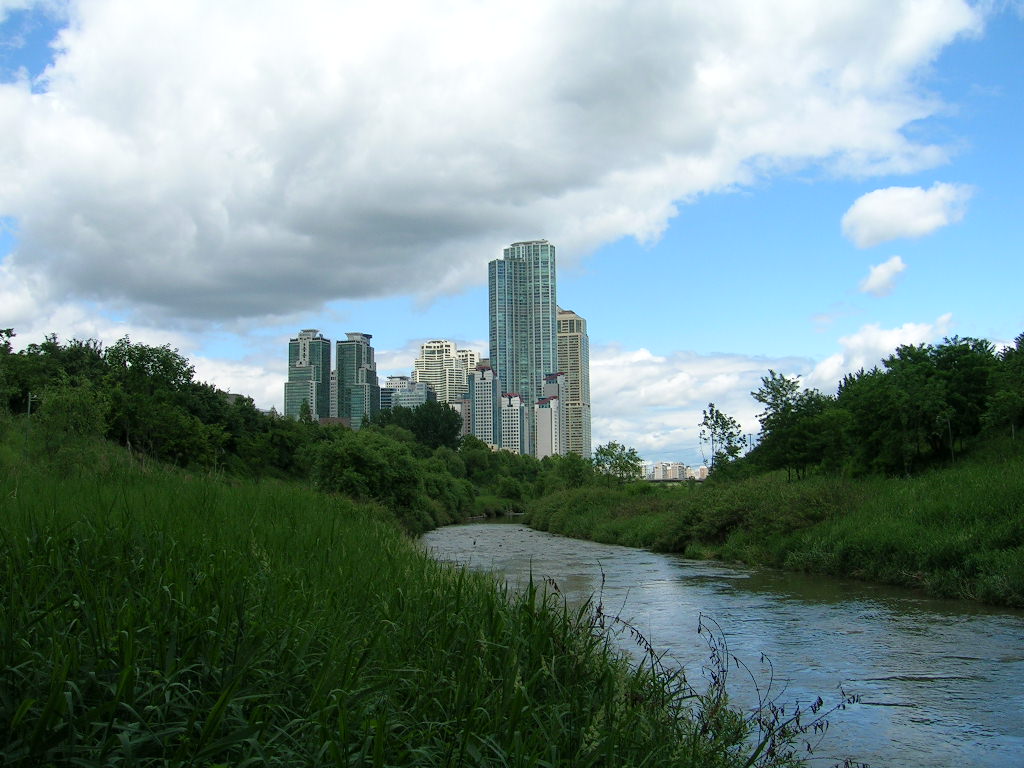
Today, Salgoji Bridge stands as a symbol of Seoul's rich historical and cultural heritage. It attracts both locals and tourists who are interested in exploring the city's historical landmarks. The bridge's picturesque setting, with the Jungnangcheon Stream flowing beneath it and the surrounding greenery, provides a serene and scenic backdrop for visitors.
Salgoji Bridge also serves as an educational resource, offering insights into the engineering and architectural achievements of the Joseon Dynasty. It is a popular site for school field trips, cultural tours, and historical research, contributing to the public's understanding and appreciation of Korea's past.
Visitor Information
Visiting Hours
Salgoji Bridge is open to visitors year-round. While there are no specific visiting hours, it is recommended to visit during daylight for the best experience.
Tickets
There is no admission fee to visit Salgoji Bridge. It is a public historical site open to all.
Guided Tours
Guided tours are available and highly recommended for those who wish to gain deeper insights into the historical and cultural significance of Salgoji Bridge. Many tours include visits to other nearby historical sites, providing a comprehensive overview of Seoul's heritage.
Special Events
Throughout the year, various cultural events and activities take place around Salgoji Bridge, offering unique opportunities to experience traditional Korean culture.
Best Photography Spots
The bridge offers excellent photo opportunities, especially during sunrise and sunset. The reflection of the bridge in the stream creates a stunning visual effect. The surrounding greenery also provides a beautiful natural frame for photographs.
Nearby Attractions
- Dongdaemun Design Plaza (DDP) - A cultural hub featuring futuristic architecture, exhibitions, and events.
- Cheonggyecheon Stream - A restored urban stream that offers a peaceful walking trail through the heart of Seoul.
- Gwangjang Market - One of the oldest and largest traditional markets in Korea, known for its street food and textiles.
How to Get There
Accessibility - The bridge is easily accessible by public transportation. Visitors can take the subway to Yongdu Station (Line 2) and walk for about 10 minutes to reach the site.
FAQ
- What are the visiting hours for Salgoji Bridge? Salgoji Bridge is open to visitors year-round, with no specific visiting hours. Daylight visits are recommended.
- How do I get to Salgoji Bridge? The bridge is accessible via subway, with Yongdu Station (Line 2) being the closest stop. A short walk from the station will bring you to the site.
- Is there an admission fee for Salgoji Bridge? No, visiting Salgoji Bridge is free of charge.
- Are guided tours available? Yes, guided tours are available and recommended to enhance your visit.
Listen to the full story in the app
Your Personal Curator, in Your Pocket.
Audio guides for 1,100+ cities across 96 countries. History, stories, and local insight — offline ready.
Audiala App
Available on iOS & Android
Join 50k+ Curators
Sources
- verified
- verified
Last reviewed: