Introduction
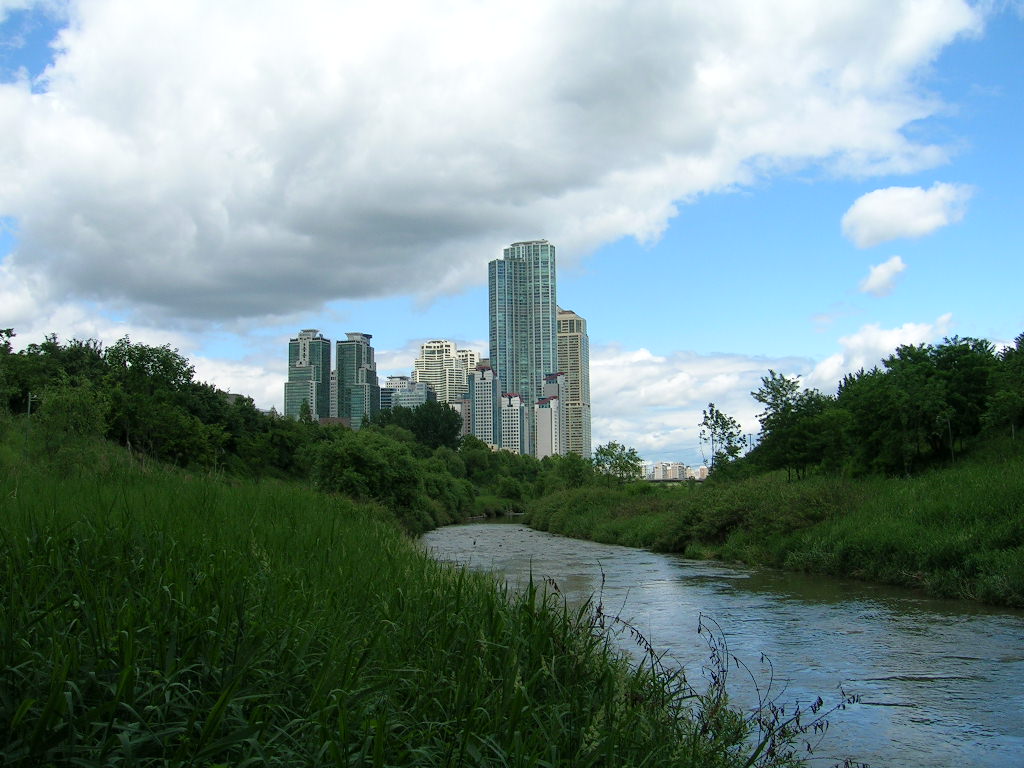
Saenamteo Martyrs’ Shrine, located on the north bank of the Han River in Seoul’s Yongsan District, stands as one of Korea’s most significant religious and historical sites. Once an execution ground during the Joseon Dynasty, it is now a sacred place commemorating the Catholic martyrs who sacrificed their lives for their faith in the face of intense persecution. Saenamteo’s blend of spiritual heritage, traditional hanok architecture, and central role in Seoul’s Catholic Pilgrimage Route makes it a meaningful destination for pilgrims, history enthusiasts, and cultural travelers alike. This guide provides detailed information on Saenamteo’s history, visiting hours, tickets, accessibility, and practical tips to help you make the most of your visit (Pilgrim-info.com; realk.kr).
Origins and Use as Execution Ground
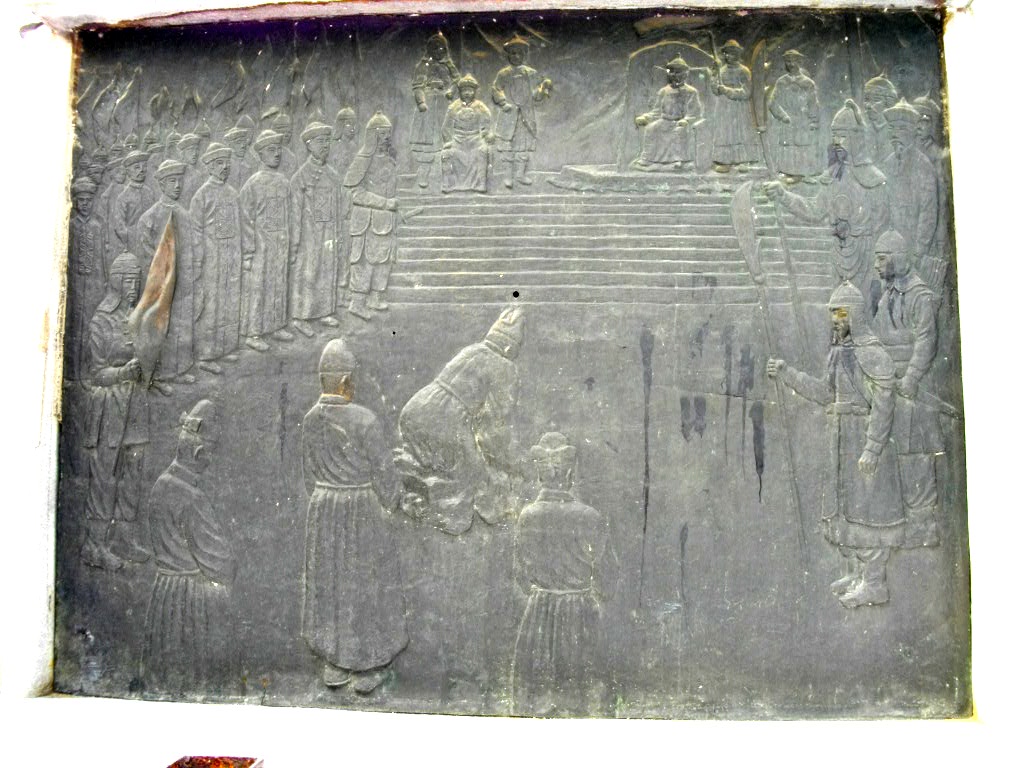
Saenamteo, historically known as “Nodeul” and “Sanamgi,” was originally designated as a military training ground and, later, as a site for executing those convicted of serious crimes during the Joseon Dynasty (Pilgrim-info.com). Its position outside the city walls reinforced its role as a place of state justice.
Catholic Persecutions and Martyrdom at Saenamteo
With the arrival of Catholicism in the late 18th century, the faith’s teachings on equality and its challenge to Confucian values led to severe state repression. Saenamteo became synonymous with Catholic martyrdom, witnessing key executions during the Sinyu (1801), Gihae (1839), Byeong-o (1846), and Byeong-in (1866) persecutions. Notable martyrs include Fr. James Ju Mun-mo (first Chinese priest martyred in Korea), Fr. Andrew Kim Dae-geon (first native Korean priest), and several French missionaries such as Laurent Imbert (Pilgrim-info.com). In total, 24 of those martyred here are among the 103 Korean saints canonized by the Catholic Church (Korea.net).
Memorialization and Modern Role
After the era of persecution, Saenamteo evolved into a site of remembrance and pilgrimage. The Catholic Church officially designated it as a shrine in 1950. A hanok-style memorial church was completed in 1987, housing relics of nine canonized martyrs and serving as a center for worship, education, and pilgrimage (Pilgrim-info.com; Wikipedia).
Religious and Cultural Significance
Saenamteo is revered as a powerful symbol of faith, resilience, and the struggle for religious freedom in Korea. It occupies a central position in the Korean Catholic narrative, marking the sacrifices that enabled the flourishing of Catholicism in the country. The shrine’s educational programs, memorials, and religious services foster reflection on themes of justice, human rights, and intercultural dialogue. Its hanok architecture further highlights the integration of Korean culture and Catholic spirituality (realk.kr; The Korean In Me).
Site Features and Architectural Highlights
- Hanok-Style Memorial Church: Completed in 1987 to mark the 200th anniversary of Catholicism in Korea, the church’s wooden beams and tiled roofs create a serene atmosphere for worship and contemplation (Wikipedia).
- Martyrs’ Shrine and Memorial Hall: Relics of nine saints are enshrined here, with exhibits detailing the history of the Korean Catholic Church and the stories of the martyrs (VisitKorea).
- Outdoor Monuments and Prayer Spaces: Statues, plaques, and tranquil gardens offer spaces for prayer and remembrance.
- Educational Facilities: The Memorial Hall offers artifacts, informational displays, and guided tours for both individual visitors and groups.
Practical Visitor Information
Opening Hours and Admission
- Shrine Grounds: Open daily (except Tuesdays) from 9:00 AM to 6:00 PM. Last entry is at 5:30 PM.
- Memorial Hall: 10:00 AM–5:00 PM (summer); 10:00 AM–4:30 PM (winter). Check the official website for updates and holiday closures.
- Admission: Free; donations are appreciated (The Catholic Travel Guide).
Location and Transportation
- Address: 80-8, Ichon-ro, Yongsan-gu, Seoul, 04374, South Korea (VisitKorea).
- By Subway: Closest station is Ichon Station (Line 4 and Gyeongui–Jungang Line), Exit 1; a short walk leads to the shrine.
- By Bus/Taxi: Several bus routes and taxis provide easy access from central Seoul.
Accessibility and Facilities
- Wheelchair Accessible: Ramps and accessible restrooms are provided.
- Amenities: Restrooms, small gift shop, and limited parking; visitor brochures are available in multiple languages (VisitKorea).
- Language Support: Some English signage; the Korea Tourism Organization’s 1330 Travel Hotline (+82-2-1330) offers multilingual assistance.
Etiquette and Visitor Tips
- Dress modestly—avoid sleeveless tops and short skirts/shorts (Real Journey Travels).
- Maintain silence and respectful behavior, especially during Mass or prayer.
- Photography is generally allowed outdoors; check for restrictions indoors.
- Non-Catholics are welcome to observe Mass, but communion is reserved for Catholics.
Saenamteo in Seoul’s Pilgrimage Routes
Saenamteo is a key stop on the Seoul Catholic Pilgrimage Route, recognized by the Vatican as Asia’s first international pilgrimage destination. The Hangang Pilgrimage Route connects Saenamteo with sites like Jeoldusan Martyrs’ Shrine, offering a structured walk through Korea’s Catholic heritage (Seoul Metropolitan Government; Visit Seoul). Guided tours are available in multiple languages and can be reserved online (Seoul City Walking Tours website).
Frequently Asked Questions (FAQ)
Q: What are Saenamteo’s visiting hours?
A: Open daily (except Tuesdays) from 9:00 AM to 6:00 PM; Memorial Hall hours vary by season.
Q: Is there an admission fee?
A: No. Admission is free, but donations are welcome.
Q: Are guided tours available?
A: Yes. Guided and audio tours are available in Korean and English by advance booking.
Q: Is the shrine wheelchair accessible?
A: Yes, with accessible restrooms and ramps.
Q: Can non-Catholics visit or attend Mass?
A: Yes, all are welcome to visit and observe Mass; only Catholics may receive communion.
Nearby Attractions and Suggested Itinerary
- National Museum of Korea and War Memorial of Korea are within walking distance.
- Han River Parks offer scenic views and walking paths.
- The Ichon and Yongsan neighborhoods provide dining and shopping options (Lonely Planet).
- Include Saenamteo as part of a broader exploration of Seoul’s Five Grand Palaces and other religious sites (unravelkorea.com).
Listen to the full story in the app
Your Personal Curator, in Your Pocket.
Audio guides for 1,100+ cities across 96 countries. History, stories, and local insight — offline ready.
Audiala App
Available on iOS & Android
Join 50k+ Curators
Sources
- verified
- verified
- verified
- verified
- verified
- verified
Last reviewed: