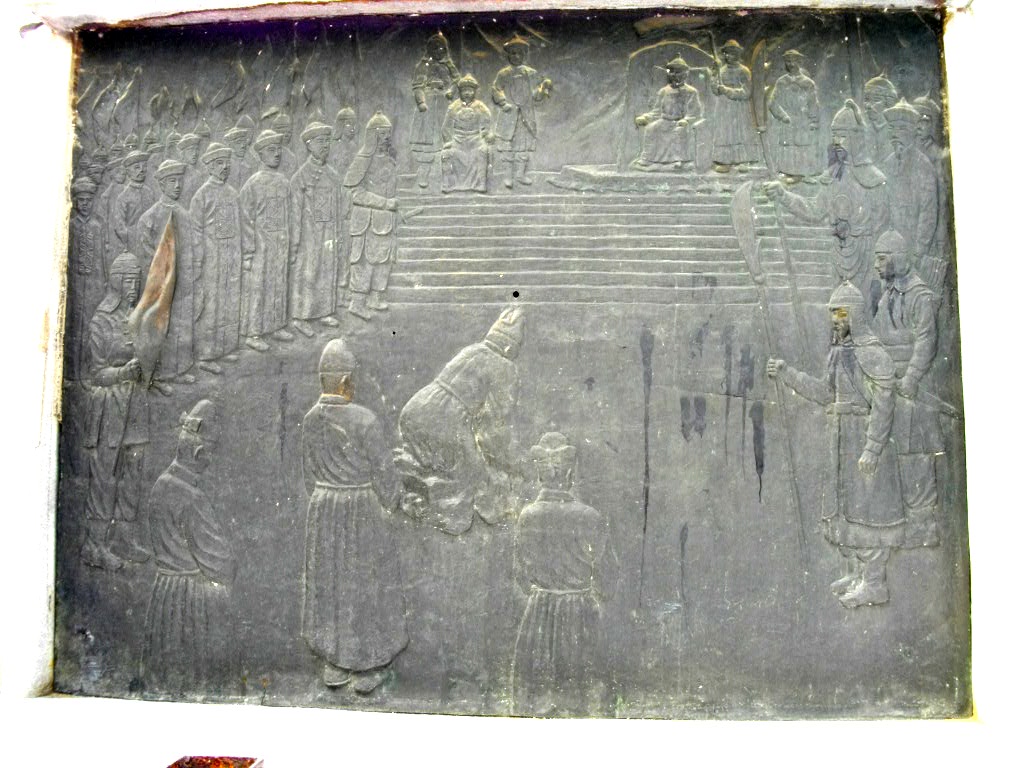
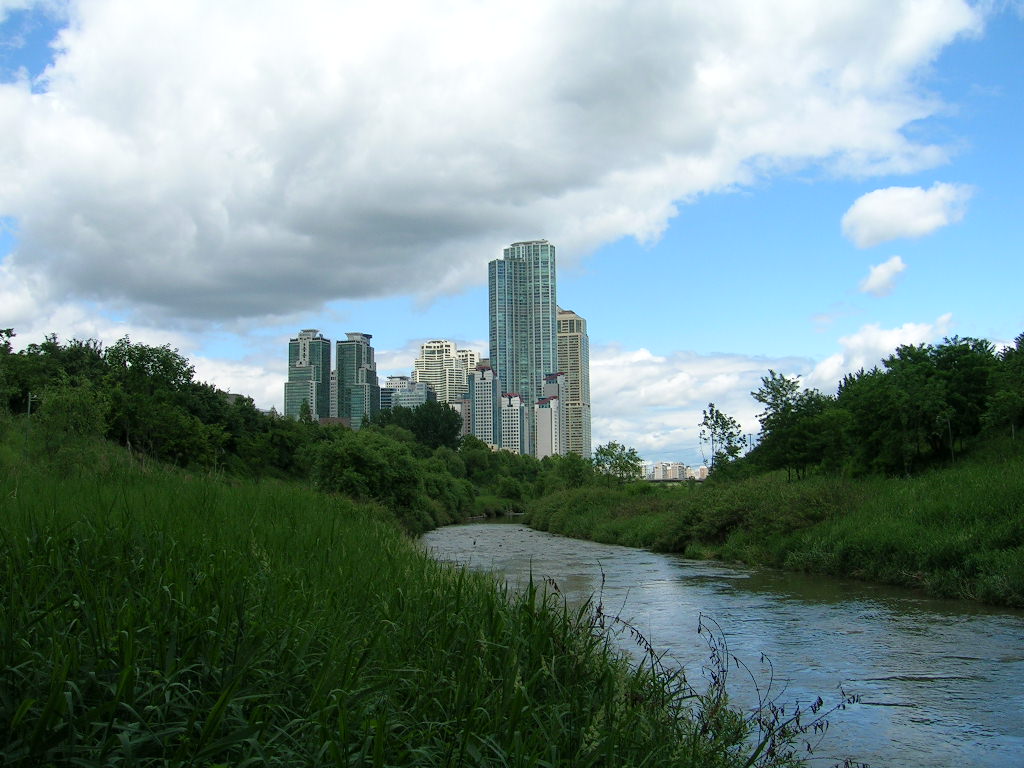
Introduction
The Royal Tombs of the Joseon Dynasty are profound testaments to Korea’s rich heritage, seamlessly blending centuries of history, Confucian philosophy, and refined funerary architecture. Nestled within Seoul’s urban landscape, these sites were established between the late 14th and early 20th centuries, serving as the final resting places for kings, queens, and royal family members of the Joseon Dynasty. Carefully sited according to geomantic principles (pungsu-jiri), the tombs embody the dynasty’s core values—filial piety, propriety, and harmony with nature—while reflecting political authority and spiritual beliefs (gangnam.com, UNESCO, Asia Society).
Visitors can explore major clusters such as Seooreung and Seonjeongneung, discovering serene forested parks, iconic red hongsalmun gates, T-shaped shrines, and intricate stone sculptures. This guide provides detailed information on visiting hours, ticketing, accessibility, guided tours, and tips for making the most of your visit to these UNESCO World Heritage Sites (Visit Korea, KBS World, Visit Seoul, World Heritage Site Community Review).
Origins and Development of the Joseon Royal Tombs
Constructed between 1392 and 1910, the Royal Tombs of the Joseon Dynasty represent a unique tradition in Korean funerary architecture and Confucian ritual. The dynasty’s highly structured burial system underscored political legitimacy and spiritual order. Tombs fall into two categories: neung (for kings, queens, and posthumously honored royal parents) and won (for other royal family members). Of the 40 neung and 14 won tombs, most are within a 40-kilometer radius of Seoul, reinforcing the capital’s centrality in Joseon governance (gangnam.com).
The Seooreung cluster—comprising Gyeongneung, Changneung, Ingneung, Myeongneung, and Hongneung—spans over 300 years of burial tradition and highlights the evolution of royal funerary practices.
Confucian Ideals and Ritual Practice
Confucianism deeply influenced the design and construction of the royal tombs, emphasizing filial piety, propriety, and political continuity. Geomantic principles (pungsu-jiri) guided site selection to ensure harmony with the landscape and spiritual protection. Key features include:
- Hongsalmun (Red Gate): Marks the transition from secular to sacred space.
- Hyangeoro (Incense Pathway): The central path is reserved for spirits, the king walked on the right, and attendants on the sides.
- Jeongjagak (T-shaped Shrine): The ritual center for ancestral rites (gangnam.com).
Artistic and Architectural Evolution
Early tombs like Gyeongneung feature restrained ornamentation and simple stone sculptures, in keeping with the austere Confucian ethos. Later tombs, such as Myeongneung, display more elaborate stonework with lifelike statues of warriors and officials. Changes in royal decrees, such as those by King Sukjong, led to more realistic sculptures and fewer grave goods (gangnam.com).
Reflection of Social Hierarchy and Gender
The scale and placement of tombs mirror the court’s strict hierarchy. Kings and queens generally occupy the most prominent locations, with other royals assigned less conspicuous sites. Notably, Queen Inwon’s tomb at Myeongneung sits higher than those of King Sukjong and Queen Inhyeon, illustrating the nuanced interplay of favor and ritual status (gangnam.com).
Symbolism and Belief in the Afterlife
Beyond burial, the tombs embody beliefs in the afterlife and ancestor veneration. Their orientation, landscaping, and ritual spaces were designed to ensure peace for the deceased and prosperity for descendants. Annual ancestor rites—some of which continue today—reinforce this living heritage (gangnam.com).
Historical Change and Adaptation
The tombs evolved over centuries, adapting to political, artistic, and practical changes. For instance, Hongneung was intended for both King Yeongjo and Queen Jeongseong, but the king was later buried elsewhere, leaving one side empty. Such adaptations reflect shifting priorities and external influences (gangnam.com).
Visiting the Joseon Royal Tombs: Essential Information
Opening Hours
Most royal tombs are open from 9:00 AM to 6:00 PM, with last admission 30–60 minutes before closing. Seasonal or holiday variations may apply—check official websites for current details.
Tickets and Admission Fees
Admission is generally 1,000–2,000 KRW for adults, with discounts for students, seniors, and groups. Children under a certain age are often admitted free. Tickets are available on-site or online through official tourism platforms.
Accessibility
Well-maintained paths allow easy exploration, though some sections have slopes or stairs. Wheelchair accessibility varies; inquire in advance or use the Korea Travel Hotline for up-to-date information.
Guided Tours and Special Events
Guided tours in several languages are offered at major sites, and special events such as traditional ancestral rites are held on significant dates.
Travel Tips
- Best Time to Visit: Spring and autumn for mild weather and scenic foliage.
- Getting There: Accessible by public transport—subway and bus—with sites like Seonjeongneung near Seolleung Station (Line 2).
- Nearby Attractions: Combine your visit with locations like Bongeunsa Temple or the National Museum of Korea.
Photography and Visual Highlights
The tombs’ stone guardians, wooden gates, and tranquil landscapes offer excellent photo opportunities. Observe signs regarding restricted areas, especially near mounds.
Discovering the Royal Tombs: A Journey Through Seoul’s Historical Sites
Site Selection and Geomantic Principles
Site selection was governed by Confucian and geomantic (pungsu-jiri) principles. Tombs are usually backed by hills and face south toward water, harmonizing with nature and protecting against evil spirits (UNESCO, Asia Society, KBS World).
Overall Layout and Spatial Organization
Each site is divided into:
- Entrance Area: Includes the Jaesil (preparation room), pond, and Geumcheongyo Bridge.
- Ceremonial Area: Features the hongsalmun gate, jeongjagak shrine, subokbang (guard’s house), suragan (kitchen), and bigak (stele shed) (Smarthistory).
- Sacred Area: Houses the burial mound, stone statues of officials and animals, and protective fences (UNESCO, KBS World).
Architectural Features
Key elements include the red hongsalmun gate, T-shaped jeongjagak shrine, burial mounds surrounded by stone statues, and ancillary buildings.
Variations in Tomb Types
- Single Tombs: For individual royals.
- Twin Tombs (Ssangneung): For royal couples.
- Triple Tombs: Rare, for kings and multiple queens (Cultural Heritage Administration).
- Seonjeongneung: A notable example housing King Seongjong, Queen Jeonghyeon, and King Jungjong (Visit Korea).
Visiting Hours, Tickets, and Accessibility
Most sites open from 9:00 AM to 6:00 PM. Entrance fees are around 1,000 KRW. Access is via public transport, and facilities such as restrooms and visitor centers are available (Visit Korea).
Special Events, Guided Tours, and Photographic Spots
Annual ancestral rites, guided tours, and scenic wooded areas provide immersive and photogenic experiences.
Integration with Nature
The tombs are set in park-like landscapes, offering peace and natural beauty (Asia Society, Visit Seoul).
Preservation and Modern Adaptations
Strict regulations and sensitive restorations maintain authenticity despite urban encroachment (Cultural Heritage Administration).
Major Joseon Royal Tomb Sites in Seoul: Visiting Hours and Tickets
Seolleung and Jeongneung Royal Tombs
Located in Gangnam, these tombs house King Seongjong, Queen Jeonghyeon, and King Jungjong. The site is a tranquil oasis amid the city, easily accessed via Seolleung Station (Korea Web Magazine).
- Hours: 9:00 AM–6:00 PM
- Tickets: 1,000 KRW; discounts available
- Highlights: Beautiful in spring and autumn, guided tours available
Jeongneung Royal Tomb in Seongbuk-gu
The resting place of Queen Sindeok, the oldest Joseon tomb, offers a serene, less crowded experience (Visit Seoul).
- Hours: 9:00 AM–5:30 PM
- Tickets: 1,000 KRW
Uireung Royal Tomb
King Gyeongjong’s tomb features a rare double mound and elaborate stonework (Visit Seoul).
- Hours: 9:00 AM–6:00 PM
- Tickets: 1,000 KRW
Hongneung and Yureung Royal Tombs
These sites mark the transition from Joseon to the Korean Empire and are set within a large park (Visit Seoul, Visit Seoul).
- Hours: 9:00 AM–6:00 PM
- Tickets: 1,000 KRW
Taereung and Gangneung Royal Tombs
Popular for walking trails and natural beauty, these tombs are accessible by subway (Visit Seoul, Visit Seoul).
- Hours: 9:00 AM–6:00 PM
- Tickets: 1,000 KRW
Practical Visitor Tips
- Getting There: Use Seoul’s subway and buses; most tombs are near stations.
- Footwear: Wear comfortable shoes for walking.
- Etiquette: Maintain silence, stay on paths, dress modestly, and do not touch structures.
- Facilities: Restrooms and vending machines are available at major sites.
- Picnicking: Only in designated areas; not on sacred grounds.
Frequently Asked Questions (FAQ)
Q: What are the visiting hours?
A: Most tombs are open from 9:00 AM to 6:00 PM, with possible seasonal adjustments.
Q: How much are tickets?
A: Generally 1,000–2,000 KRW for adults; discounts and some free entry days apply.
Q: Is accessibility good for wheelchairs?
A: Varies by site. Many have paved paths, but some areas are sloped or uneven. Check in advance.
Q: Are guided tours available?
A: Yes, at major sites in English and Korean. Check Visit Korea and Visit Seoul for details.
Q: Can I take photos?
A: Photography is allowed in most areas except near sacred mounds or during ceremonies.
Enhancing Your Visit
- Combine Attractions: Visit Bongeunsa Temple or the National Museum of Korea nearby.
- Best Seasons: Spring (cherry blossoms) and autumn (foliage).
- Use the Audiala App: For audio guides and interactive maps.
- Check Events: Look for ancestral rites or cultural ceremonies during your visit.
Summary and Recommendations
The Royal Tombs of the Joseon Dynasty are not only burial sites but living cultural landscapes, reflecting Korea’s royal traditions, Confucian values, and artistic achievements. Preserved as UNESCO World Heritage Sites, they offer accessible, peaceful settings, enriched by educational resources and guided experiences. Respectful behavior and adherence to site rules help maintain their sanctity for future generations (UNESCO, Cultural Heritage Administration, Voice Asia News).
Plan your visit during mild seasons, purchase tickets in advance or on-site, and consider guided tours for deeper insight. Download the Audiala app for further resources, and stay connected through social media for the latest updates. By exploring these tombs, you engage with a vital chapter of Korea’s legacy and contribute to its continued preservation (Visit Korea, Visit Seoul).
Listen to the full story in the app
Your Personal Curator, in Your Pocket.
Audio guides for 1,100+ cities across 96 countries. History, stories, and local insight — offline ready.
Audiala App
Available on iOS & Android
Join 50k+ Curators
Sources
- verified
- verified
- verified
- verified
- verified
- verified
- verified
- verified
- verified
- verified
- verified
Last reviewed: