Introduction
Nestled in Seoul's Olympic Park, the Olympic Gymnastics Arena—now known as the KSPO Dome—is a testament to South Korea’s journey from post-war recovery to a global leader in culture and sports. Built for the 1988 Summer Olympics, the arena has evolved from an Olympic sports venue into a world-class entertainment hub renowned for hosting K-pop concerts, international events, and cultural festivals. This guide provides a detailed overview of the KSPO Dome’s history, architecture, visiting hours, ticketing, accessibility, and nearby attractions, ensuring you make the most of your visit to this iconic Seoul landmark (Wikipedia, designboom.com, Visit Korea).
Origins and Olympic Legacy
Constructed between 1984 and 1986, the Olympic Gymnastics Arena was designed as a centerpiece for the 1988 Seoul Summer Olympics, hosting all gymnastics events. Its completion marked a milestone in South Korea’s emergence as a modern nation and international player (Wikipedia). The 1988 Games catalyzed urban development and cultural transformation in Seoul, with the arena symbolizing both the country’s technical prowess and its aspirations for global recognition.
Evolution into a Cultural Icon
After the Olympics, the arena was repurposed as a multi-use venue, gradually becoming synonymous with South Korea’s vibrant cultural scene. Renamed the KSPO Dome and managed by the Korea Sports Promotion Foundation, it regularly hosts concerts by top K-pop artists, international acts, major exhibitions, and sporting events. Its position within Olympic Park further cements its role as a civic and cultural landmark (haeahn.com).
Architectural Innovation and Renovation
Original Design
The arena was the world’s first to feature a self-supporting cable dome roof, designed by David H. Geiger. Spanning 44,953.8 square meters with a gross floor area of 31,025 square meters, the structure’s column-free interior allowed for flexible use and unobstructed views—attributes critical for both sports and performances (designboom.com).
2015–2018 Renovation
A major renovation launched in 2015, led by H Architecture and Haeahn Architecture, reimagined the KSPO Dome for the 21st century. Key updates included:
- Tornado-Inspired Roof Truss: The original roof was replaced with a visually striking, tornado-shaped truss system, improving acoustics, structural integrity, and the arena’s architectural presence (ArchDaily).
- Expanded Circular Gallery: New gallery spaces accommodate retail, dining, and event-related activities, enhancing visitor flow and experience.
- Sustainability: The renovation prioritized the adaptive reuse of existing structures, upgrading only essential elements and incorporating energy-efficient materials like low-E glass (haeahn.com).
- Accessibility: Improved access for visitors with disabilities and seamless integration with public transportation networks.
Venue Features and Technical Specifications
- Seating Capacity: Approximately 15,000–15,566, making it South Korea’s largest indoor arena (KoreaToDo).
- Flexible Configuration: The arena can be rapidly reconfigured for concerts, sports, exhibitions, and conventions.
- Modern Facilities: State-of-the-art acoustics, advanced lighting, and multimedia systems support a wide range of performances.
- Safety: Following a tragic crowd crush in 1992, the venue now implements rigorous crowd management and emergency protocols (Wikipedia).
- Amenities: Wide concourses, accessible restrooms, diverse dining options, and family-friendly facilities.
Visiting Hours, Tickets, and Accessibility
KSPO Dome Visiting Hours
- Event Days: The arena generally opens two hours before event start times; hours vary by event.
- Non-Event Days: Limited or no public access inside the arena. The surrounding Olympic Park is open daily from 05:00 to 22:00 (Visit Korea).
- Guided Tours: Periodically available; check the official website for details and advance booking.
Tickets
- Purchase: Tickets for concerts and events must be purchased online via official platforms such as the KSPO Dome website, Interpark, or Melon Ticket. Prices vary by event; popular shows sell out quickly (KoreaToDo).
- MyK Festa & Major Events: Special festivals like MyK Festa require advance booking (KoreaTravelPost).
Accessibility
- Transport: Olympic Park Station (Line 5, Exit 3) and Mongchontoseong Station (Line 8, Exit 1) are within walking distance. Multiple bus routes also serve the venue (KoreaToDo).
- Facilities: Wheelchair-accessible entrances, elevators, seating, and restrooms.
- Parking: Available but limited during large events; public transport is recommended.
- Language Support: Multilingual signage and staff assistance, especially during international events.
Exploring Olympic Park: Historical Sites & Attractions
Olympic Park spans 1.45 million square meters and features a unique blend of modern and ancient Korean heritage.
Key Zones and Attractions
- Leisure Sports Park: Jogging and cycling tracks, sports courts, and open lawns.
- Cultural Art Park: Outdoor sculptures, performance spaces, and art installations.
- Eco-Park: Protected wetlands and tranquil paths.
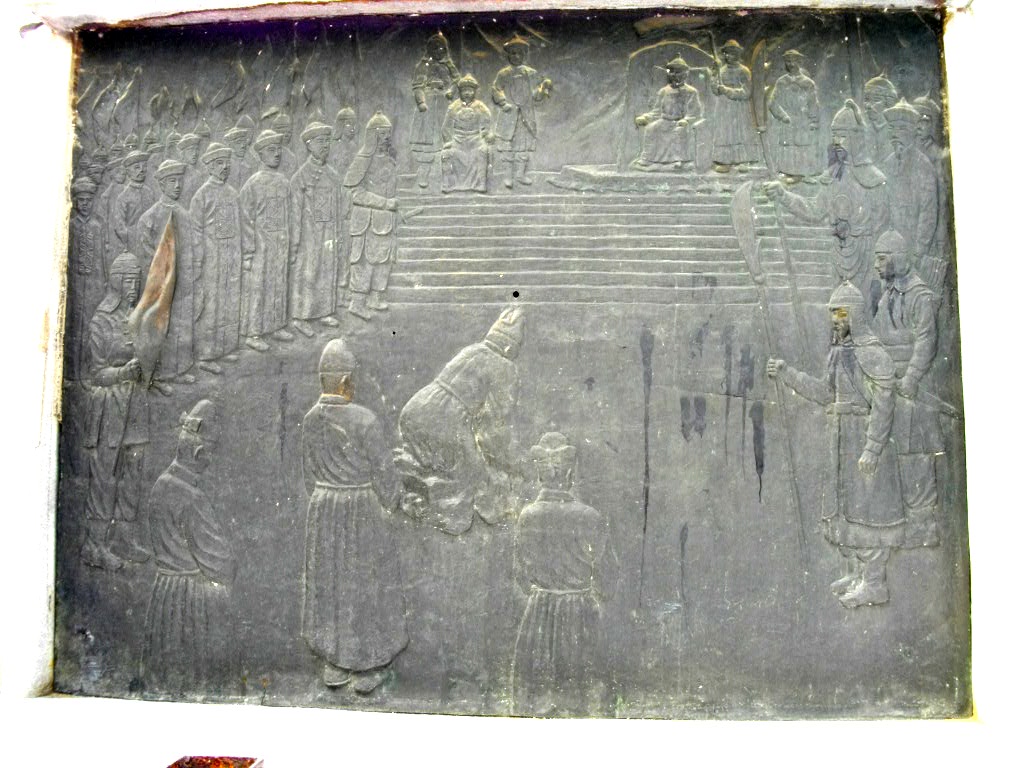
- History Experience Park: The ancient Mongchontoseong Fortress and relics from the Baekje era (Visit Korea).
Must-See Spots
- World Peace Gate: Landmark entrance with symbolic murals (WorldXplorr).
- One Tree Hill: Iconic photography spot.
- Wild Flower Garden & Rose Plaza: Vibrant seasonal displays.
- Mongchon Moat Musical Fountain: Water shows at the ancient fortress moat.
- Seoul Olympic Museum of Art (SOMA): Contemporary art and Olympic history exhibits.
Activities
- Walking & Cycling: Extensive trails; bike rentals available starting at 3,000 KRW for 30 minutes (KoreaToDo).
- Hodori Road Train: Family-friendly tours departing from Peace Square.
- Stamp Tour: Collect stamps at designated park locations for a souvenir (WorldXplorr).
- Festivals: Seoul Jazz Festival (May/June), Seoul Park Music Festival (June), and a winter ice rink (KoreaToDo).
Visitor Tips and Practical Information
- Plan Your Visit: The park is expansive—plan your route and allocate at least three hours to explore.
- Arrive Early: For popular events or festivals, early arrival ensures better access and seating.
- Dress for the Season: Light clothing and sun protection are recommended in summer (The Soul of Seoul).
- Bring a Power Bank: Essential for long visits or if attending multiple events (KoreaTravelPost).
- Check Schedules: Confirm event times and ticket requirements beforehand (KoreaTravelPost).
Nearby Attractions
- Lotte World Tower & Mall: Korea’s tallest building, shopping, and panoramic views (KoreaTravelPost).
- Seokchon Lake: Ideal for a peaceful stroll.
- Hangang Park: Relax by the Han River, accessible via a short trip.
Accommodation
Options range from budget hotels to luxury stays like Signiel Hotel Seoul and Olympic Parktel Hotel. Hallyu-themed hotels are popular during major K-pop events (UrTrips).
Frequently Asked Questions (FAQ)
Q1: What are the KSPO Dome visiting hours?
A1: Hours depend on events, typically opening two hours before start time. Check the official site for details.
Q2: How can I buy KSPO Dome tickets?
A2: Purchase online through the KSPO Dome website, Interpark, Melon Ticket, or authorized sellers.
Q3: Is the venue wheelchair accessible?
A3: Yes, with accessible paths, restrooms, and seating.
Q4: How do I get to Olympic Park and KSPO Dome?
A4: Use Olympic Park Station (Line 5, Exit 3), Mongchontoseong Station (Line 8, Exit 1), or Hanseong Baekje Station (Line 9, Exit 2).
Q5: Are guided tours available?
A5: Occasionally, including Olympic Park’s historical sites. Check official schedules.
Listen to the full story in the app
Your Personal Curator, in Your Pocket.
Audio guides for 1,100+ cities across 96 countries. History, stories, and local insight — offline ready.
Audiala App
Available on iOS & Android
Join 50k+ Curators
Sources
- verified
- verified
- verified
- verified
- verified
- verified
- verified
- verified
- verified
Last reviewed: