Plan and listen to National Museum Of Korea with Audiala.
Audio guide in your pocket, itinerary in your browser. Built for the way you actually visit.
Introduction
The National Museum of Korea (NMK) in Seoul is a cultural beacon, representing the depth and diversity of Korean history and art. Since its establishment in 1945, the museum has grown into one of Asia’s largest and most comprehensive institutions, housing approximately 420,000 artifacts that span Korea’s prehistoric origins through the Joseon dynasty and into the modern era. With its striking blend of traditional aesthetics and contemporary architecture, the NMK offers visitors an immersive journey through the nation's past, while also exploring Korea’s connections to global cultures.
Situated in the Yongsan district, the museum stands as a modern landmark, seamlessly integrating natural landscapes, innovative digital technologies, and accessible facilities. Whether you are a history buff, art enthusiast, or first-time traveler, this guide will provide all the essential information you need—covering visiting hours, ticketing, accessibility, architectural highlights, educational programs, and nearby attractions. For real-time updates and more details, always check the official National Museum of Korea website and reputable resources like Visit Seoul.

Founding and Development
The National Museum of Korea was established in 1945, following Korea’s liberation from Japanese colonial rule. Its original home was Gyeongbokgung Palace, symbolizing the nation's cultural revival (Official National Museum of Korea). The museum’s collection expanded through the mid-20th century, with significant efforts to protect national treasures during the Korean War (Visit Seoul).
As the collection grew, the museum relocated several times, ultimately settling in its current state-of-the-art facility in Yongsan in 2005 (Stripes Korea). The new building was designed to reflect both modern sensibilities and traditional Korean design principles.
Collections and Exhibitions
Today, the NMK houses a vast array of artifacts, from Paleolithic tools and Silla gold crowns to Joseon dynasty ceramics and world art collections. Its galleries are organized both chronologically and thematically, allowing visitors to trace Korea’s evolution while exploring its global connections (Korea Travel Post).
Visitor Information
Visiting Hours
- Tuesday to Sunday: 10:00 AM – 6:00 PM
- Wednesdays and Saturdays: Extended hours until 9:00 PM
- Closed: Mondays and select public holidays
Tickets
- General Admission: Free (permanent exhibitions)
- Special Exhibitions: Tickets required; prices vary. Check the official website for current details.
- Children’s Museum: Free, but advance reservations are recommended due to limited capacity.
Accessibility and Amenities
- Wheelchair access: Ramps, elevators, and wheelchairs for rent
- Multilingual guides and interpretation services
- Lockers, rest areas, cafes, and gift shops
- Family-friendly facilities, including a dedicated Children’s Museum
Getting There
- Address: 137 Seobinggo-ro, Yongsan-gu, Seoul
- Subway: Ichon Station (Line 4 & Gyeongui-Jungang Line), Exit 2
- Parking: Limited on site; public transport is recommended
Nearby Attractions
- Yongsan Family Park: Adjacent green space ideal for walking and relaxation
- War Memorial of Korea: A comprehensive military history museum nearby
- N Seoul Tower: Iconic Seoul landmark with panoramic city views
Architectural Highlights
The National Museum of Korea’s architecture is a modern interpretation of traditional Korean design. The building is situated between Namsan Mountain (yang) and Mirror Pond (yin), reflecting the Korean philosophy of harmony with nature (museum.go.kr). Key features include:
- Mirror Pond and Gardens: Reflecting the building and landscape, enhancing tranquility
- Open Plaza: Inspired by traditional maru, serving as a communal entry point
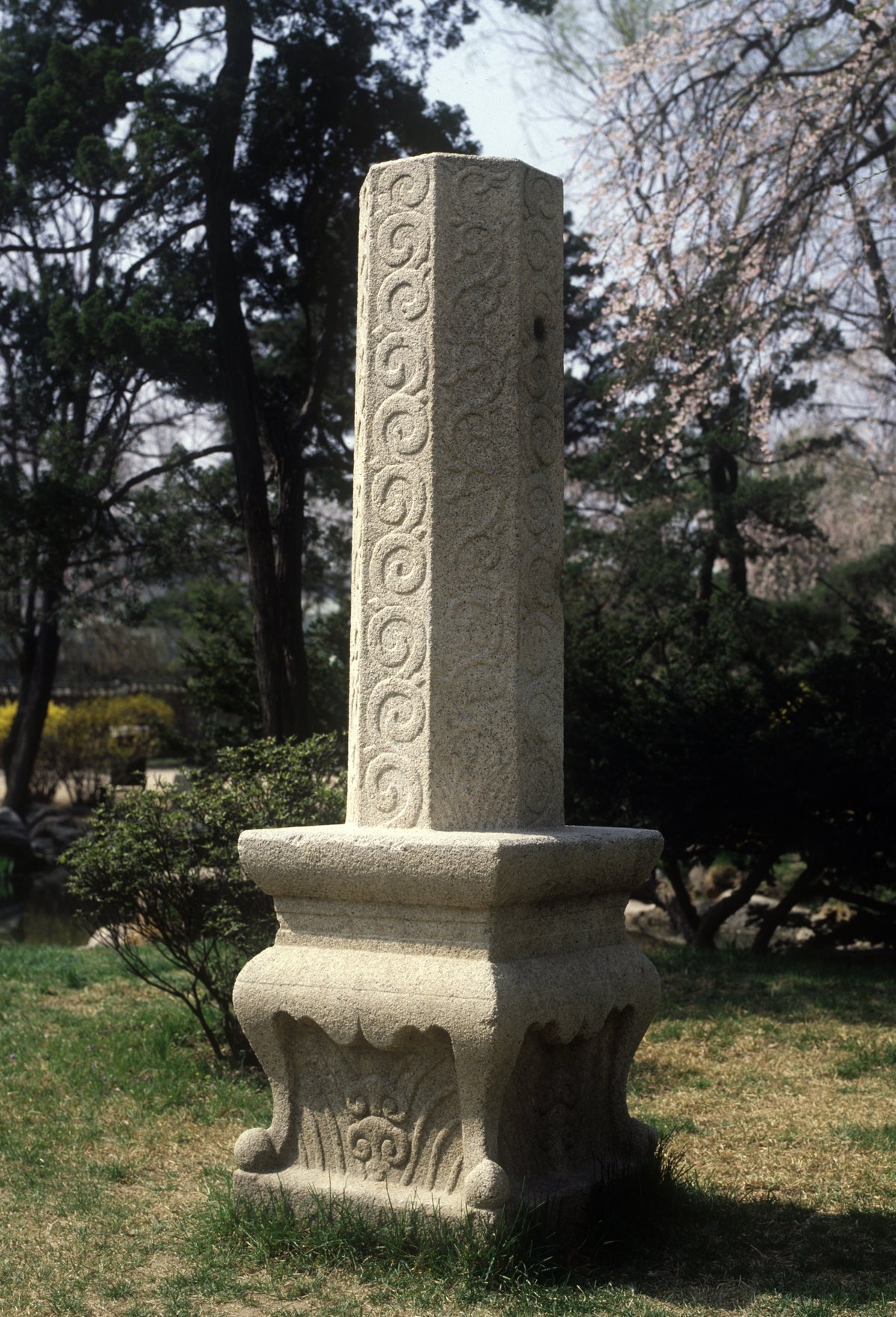
- Outdoor Stone Garden: Displays pagodas, lanterns, and Buddhist sculptures
- Panoramic Views: Large windows reveal Namsan Mountain and N Seoul Tower
- Night Illumination: The museum exterior is beautifully lit after sunset
Materials such as stone, glass, and wood evoke both permanence and warmth, and the extensive use of glass allows for natural daylight to illuminate the exhibition spaces (seoul-in-korea.com).
Museum Layout and Collections
The NMK is divided into three main floors, each with specific galleries:
First Floor: Prehistory and Ancient History
- Highlights: Ten-story Stone Pagoda of Gyeongcheonsa Temple, Silla gold crowns, prehistoric tools, and ancient ceramics
- Amenities: Information desk, lockers, and main visitor facilities
Second Floor: Calligraphy, Painting, and Donated Works
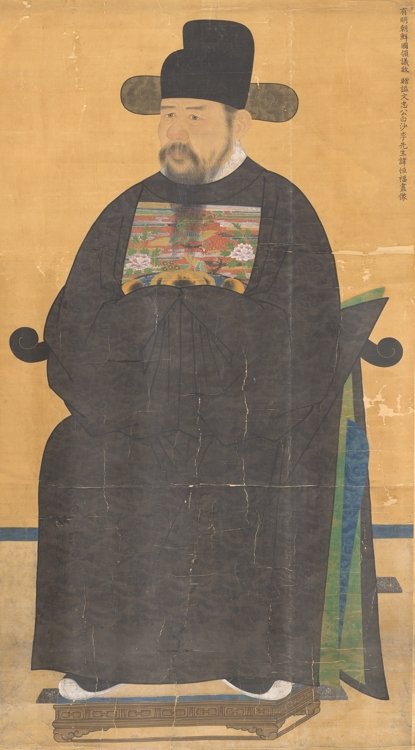
- Masterpieces from the Goryeo and Joseon dynasties
- The Room of Quiet Contemplation for reflection and special exhibitions
- Donated Works Gallery, including notable private collections
- Immersive digital experiences
Third Floor: Sculpture, Crafts, and World Art
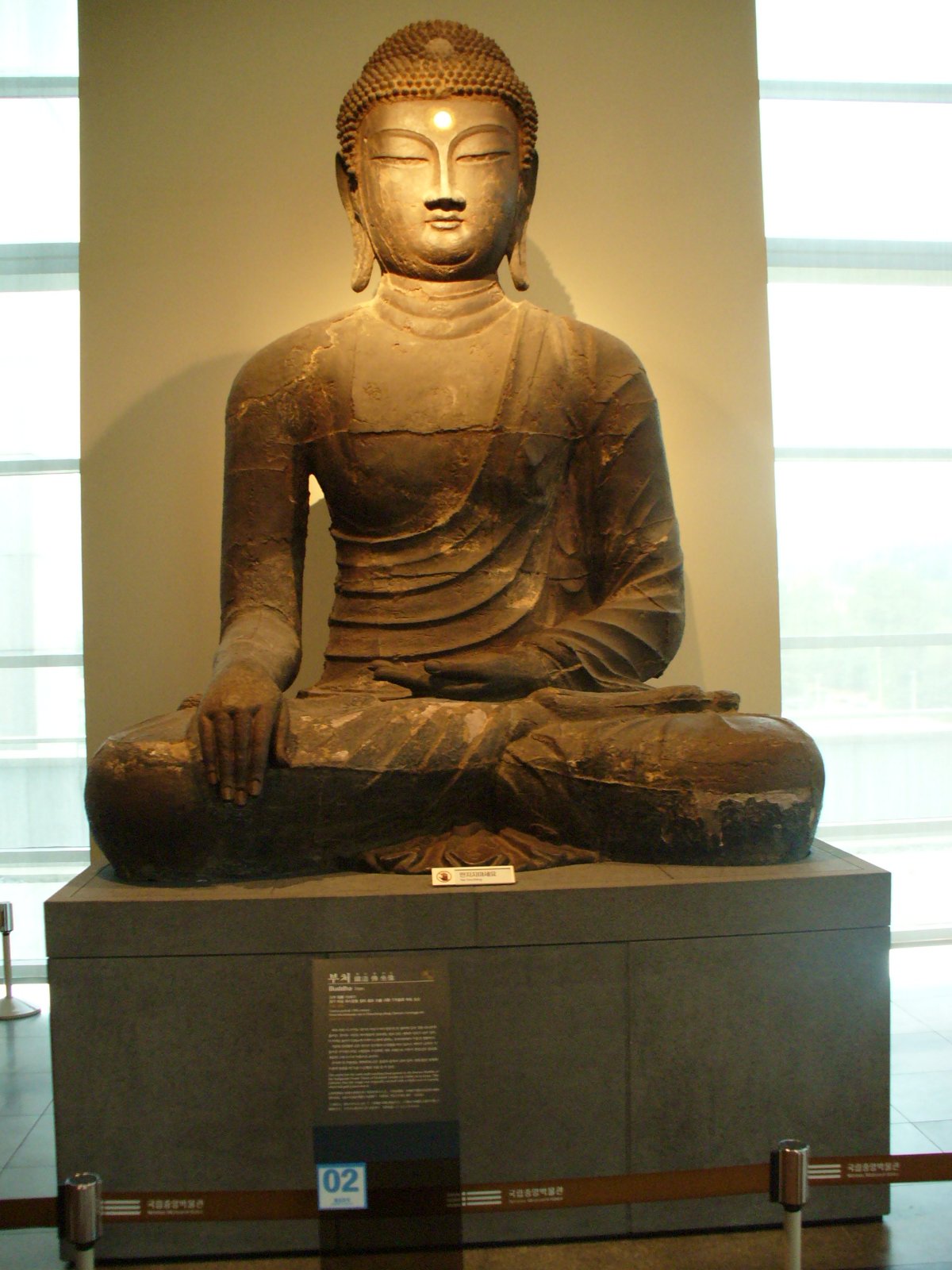
- Buddhist sculptures, metalwork, ceramics
- World Art Gallery with objects from China, Japan, Southeast Asia, and beyond
- Rotating special exhibitions
Children’s Museum
- Interactive, hands-on exhibits and educational programs for young visitors
- Advance reservation recommended
Notable Collections
- Comb-pattern Pottery (Neolithic Age): Early geometric ceramics (Google Arts & Culture)
- Duck-shaped Vessels (3rd Century): Ritual objects from the Proto-Three Kingdoms period
- Gold Crown (5th Century, Silla): Exquisite royal regalia
- Ten-Story Pagoda (1348, Goryeo): Marble pagoda with intricate carvings
- White Porcelain Moon Jar (Joseon): Symbolic masterpiece of Korean ceramics
- Pensive Bodhisattva: National Treasures embodying spiritual introspection
- Movable Metal Type: Early printing technology pre-dating Gutenberg
For a visual preview, see the Google Arts & Culture virtual tour.
Educational Programs and Digital Engagement
The NMK is at the forefront of museum education and digital engagement:
- Guided Tours: Available in Korean, English, and other languages; check schedules and book in advance
- Workshops & Lectures: Regularly scheduled events for all ages
- Children’s Programs: Special initiatives in the Children’s Museum
- Digital Resources: VR tours, interactive kiosks, and online exhibitions (Visit Seoul)
Visitor Amenities and Practical Tips
- Cafes & Rest Areas: Light meals, snacks, and beverages are available; food options are basic
- Gift Shops: Offer books, replicas, and souvenirs
- Rest Areas: Quiet spaces indoors and scenic gardens outside for relaxation
- Free Wi-Fi: Available throughout the premises
- Theater Yong: Hosts performances and cultural events
Time Management: The museum is extensive; allocate at least half a day. Prioritize sections or exhibitions of interest.
Photography: Allowed in most areas, but flash and tripods are prohibited.
Visitor Etiquette: Food and drink are not permitted in exhibition spaces; maintain a quiet atmosphere.
Seasonal Tips: June is warm and can be humid; dress appropriately and consider bringing an umbrella for summer rain.
Frequently Asked Questions (FAQ)
Q: What are the National Museum of Korea’s opening hours?
A: 10:00 AM – 6:00 PM (Tue–Sun), with extended hours until 9:00 PM on Wednesdays and Saturdays. Closed on Mondays.
Q: Is admission free?
A: Yes, for permanent exhibitions. Special exhibitions require a ticket.
Q: Is the museum accessible?
A: Fully accessible with ramps, elevators, and wheelchairs.
Q: Are guided tours offered?
A: Yes, in multiple languages. Reserve in advance via the museum website.
Q: Can children visit?
A: Absolutely. The Children’s Museum offers interactive exhibits (reservation required).
Q: What are some nearby attractions?
A: Yongsan Family Park, War Memorial of Korea, and N Seoul Tower.
Listen to the full story in the app
The whole National Museum Of Korea,
told well.
Audio guides for 1,100+ cities across 96 countries. History, stories, and local insight — offline ready.
Verified, and shown.
Researched and written by the Audiala editorial team from historical records, architectural archives, and local expertise.
Researched from Wikidata, Wikipedia & official sources · fact-checked · How we make our guides →