Plan and listen to National Library Of Korea with Audiala.
Audio guide in your pocket, itinerary in your browser. Built for the way you actually visit.
Introduction
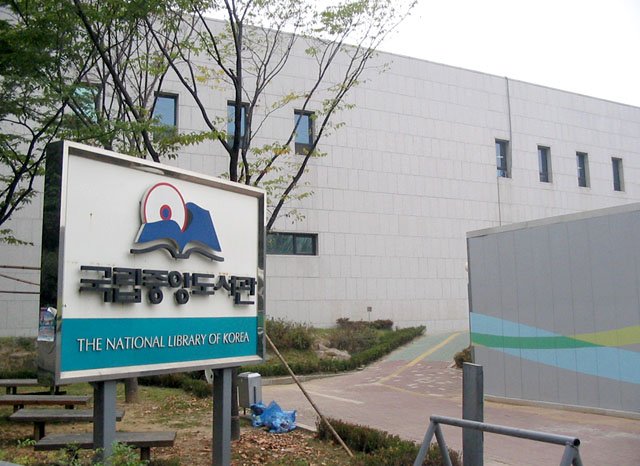
The National Library of Korea (NLK), located in Seoul’s Seocho District, stands as the nation’s foremost institution for the preservation, study, and celebration of Korea’s literary and historical heritage. Established in October 1945, following Korea’s liberation, the NLK quickly became a symbol of national recovery and intellectual revival. Today, the library’s vast collections—now exceeding 13 million items—reflect both Korea’s dynamic history and its continuous commitment to cultural enrichment, literacy, and global exchange. Visitors to the NLK enjoy not only free access to these resources but also a modern, architecturally significant space that integrates tradition and innovation.
This comprehensive guide covers everything you need to know for a rewarding visit: from the library’s history and societal impact to practical information on visiting hours, tickets, accessibility, nearby attractions, and essential tips. For the latest updates, refer to the official National Library of Korea website and Visit Seoul.
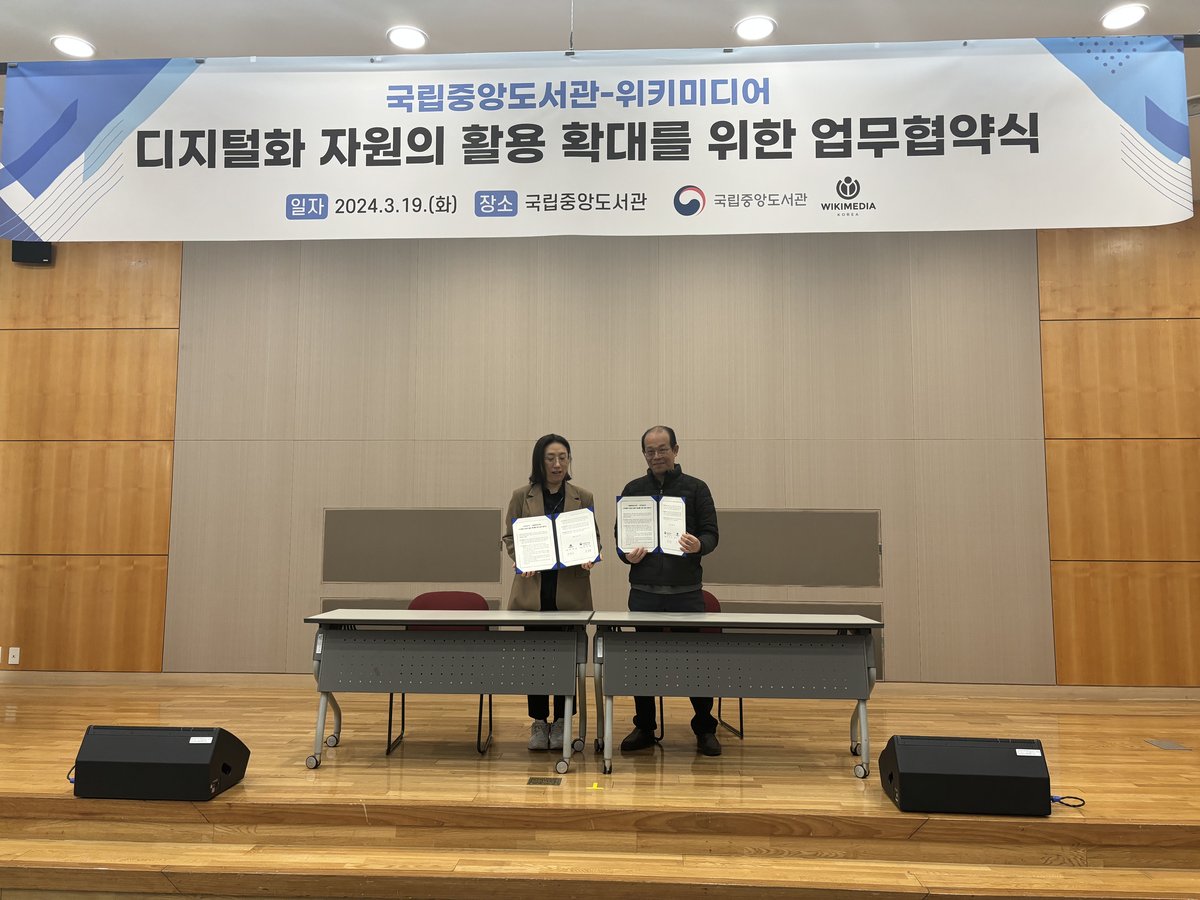
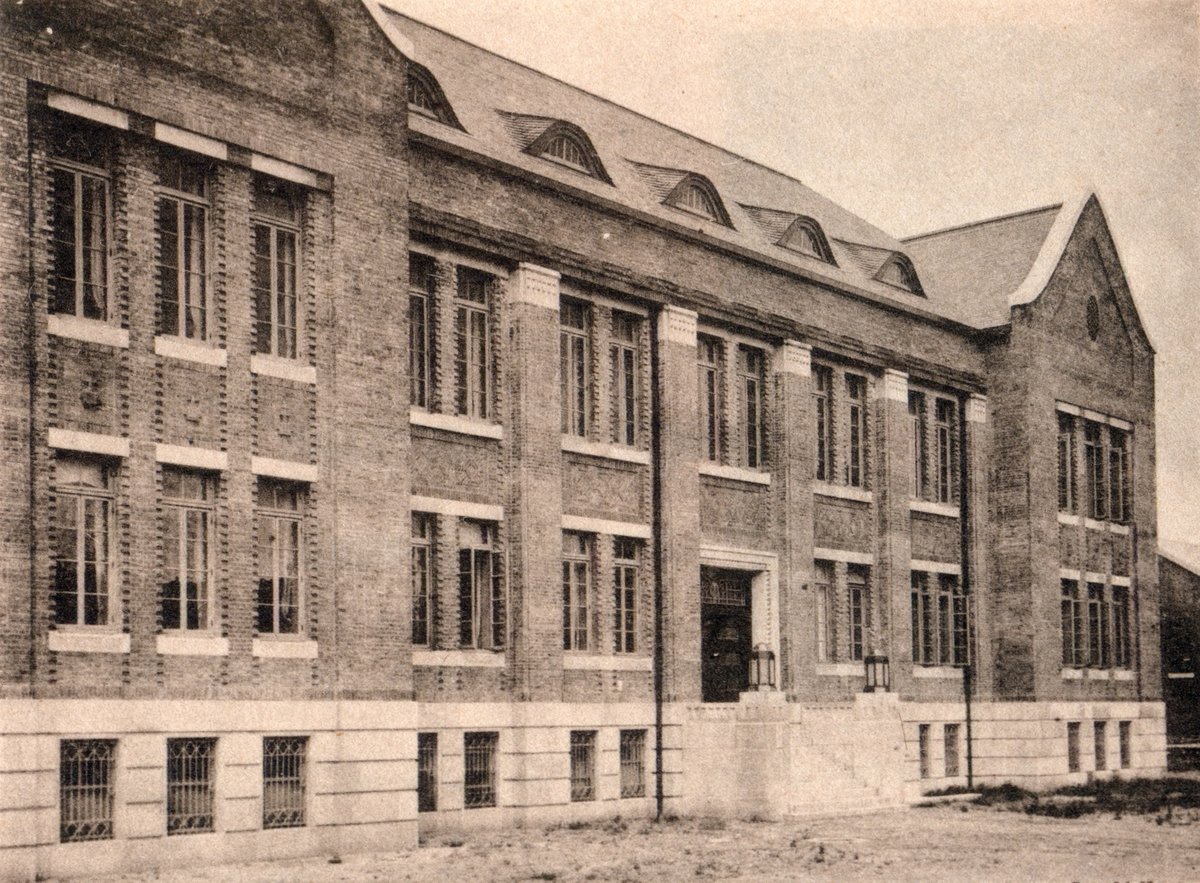
History and Cultural Significance
Founding and Early Development
The National Library of Korea was established in October 1945, following Korea’s independence from Japanese colonial rule. Its foundation was pivotal in uniting scattered literary collections and forming a national repository. Park Bong-seok, an instrumental figure, consolidated materials from regional libraries and founded a national library school in 1946, setting the stage for professional library science in South Korea.
Before the NLK, Korea’s library history was fragmented. Daehan Library (1906) was Korea’s first modern library but was inaccessible to the general public, and its collection was later seized by colonial authorities. The privately owned Daedong Seogwan allowed limited public access but faced strict censorship.
Growth and National Role
The post-liberation period saw the NLK as a centerpiece of Korea’s cultural revival. The “One Country, One Library” movement of 1948 promoted Hangul literacy, crucial at a time when only a small percentage of the population could read Korean. The library expanded its collections, organized literacy campaigns, and joined the International Federation of Library Associations in 1955, marking its commitment to global standards.
Relocations and Modernization
The library moved several times—first in Sogong-dong, then Namsan-dong (1974), and finally to its current Banpo-dong facility in 1988. This move was part of Korea’s broader modernization, providing a state-of-the-art building that supports both traditional and digital services. In 1991, the NLK came under the Ministry of Culture, Sports and Tourism, broadening its mission as a cultural institution.
Collections and Holdings
As of November 2020, the NLK’s holdings surpassed 12.7 million items, including:
- Over 9 million Korean-language books
- 1.5 million foreign-language books
- Nearly 1.8 million non-book items (audiovisual materials, maps, manuscripts)
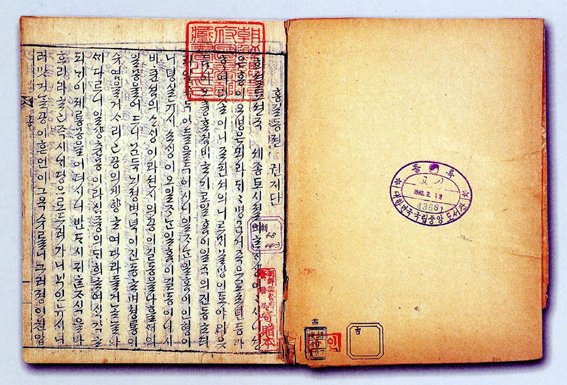
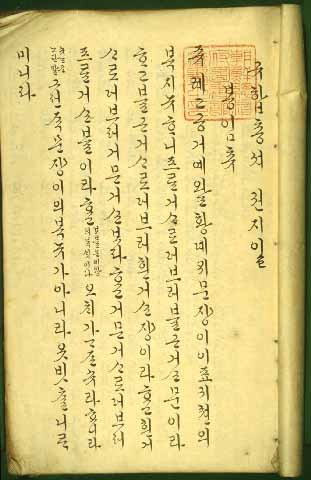
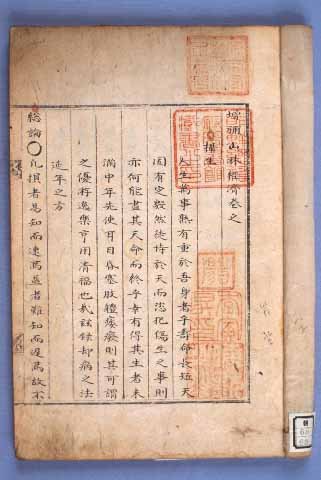
- Over 286,000 rare and historical texts
The library preserves several National Treasures of South Korea and features extensive digital archives, with many resources available online. Notable initiatives include the OASIS digital archive, the KOLIS-Net library network, and dedicated databases for visually impaired users (nlid.nl.go.kr, dream.nl.go.kr).
The Library’s Role in Korean Society and Culture
The NLK has played a critical role in fostering literacy and preserving Korean identity, especially after periods of foreign occupation and rapid modernization. It organizes educational programs, exhibitions, and public lectures, supporting lifelong learning and cultural pride. The library also serves as a center for cultural diplomacy, collaborating with foreign institutions and participating in global memory preservation efforts (Korean Culture & Arts).
Innovative spaces like the “Jisikui Gil” (Path to Knowledge) hall use immersive technologies to bring literature and history to life (Korea Herald).
Visitor Information
Visiting Hours and Admission
- Monday–Friday: 9:00 AM – 8:00 PM
- Saturday: 9:00 AM – 5:00 PM
- Closed: Sundays and public holidays
Admission is free for all visitors. Some special exhibitions or events may require advance registration or a ticket.
Children under 16 generally require special permission to enter. Visitors should bring valid identification for registration if needed (NLK Visitor Information).
Getting There
- Address: 201 Banpo-daero, Seocho-gu, Seoul
- Subway: Lines 3, 7, or 9 to Express Bus Terminal Station (Exit 5); Line 2 to Seocho Station (Exit 5)
- Bus: Multiple city bus lines stop nearby
- Parking: On-site parking is available but limited; public transportation is recommended
Facilities and Accessibility
- Spacious reading rooms, digital library, rare book and periodicals rooms
- Free Wi-Fi, computer terminals, printing/scanning services
- Lockers for personal belongings; cafeteria and lounge areas
- Wheelchair access, elevators, accessible restrooms, and assistive technology
- Specialized collections and services for children, youth, and visitors with disabilities
Architectural Highlights
The Banpo-dong facility, opened in 1988, is an architectural landmark combining traditional design elements with modern spaces. Adjacent is the National Digital Library of Korea, emphasizing the NLK’s role in digital innovation. Interiors feature expansive reading rooms, curated exhibitions, and a design focused on openness and accessibility.
Visitor Tips
- Language: Many resources are available in English; translation apps can be helpful.
- Etiquette: Maintain silence in reading rooms; mobile phones should be on silent.
- Photography: Generally prohibited in reading and special collections rooms; ask staff for permission elsewhere.
- Reservations: Access to special collections may require advance notice.
- Peak Seasons: Expect crowds during exam periods (May–June, November–December).
Guided Tours and Programs
Guided tours—primarily in Korean, with occasional English options—are available with advance reservation. The NLK also offers workshops, lectures, and special exhibitions. For schedules and booking, consult the NLK events page.
Nearby Attractions
Enhance your visit by exploring:
- Seoul Arts Center: Performances and exhibitions nearby
- Banpo Hangang Park: Scenic riverside relaxation
- COEX Mall: Shopping and cultural experiences
These sites offer a full day of cultural immersion in Seoul.
Frequently Asked Questions (FAQ)
Q: What are the National Library of Korea’s opening hours?
A: Monday–Friday 9:00 AM–8:00 PM; Saturday 9:00 AM–5:00 PM; closed on Sundays and public holidays.
Q: Is there an admission fee?
A: Entry is free; some events or exhibitions may require separate tickets.
Q: Can children enter the library?
A: Under-16s require special permission.
Q: Is the library accessible for people with disabilities?
A: Yes, with wheelchair access, elevators, and assistive resources.
Q: Are guided tours available in English?
A: Limited English tours are available; advance reservation required.
Q: Can I take photographs inside?
A: Not in reading rooms or special collections; seek staff permission in public areas.
Q: How do I get a library card?
A: Register at the information desk with valid ID (passport for foreigners).
Q: Can I access digital collections remotely?
A: Yes, many resources are online via the official website.
Listen to the full story in the app
The whole National Library Of Korea,
told well.
Audio guides for 1,100+ cities across 96 countries. History, stories, and local insight — offline ready.

Verified, and shown.
Researched and written by the Audiala editorial team from historical records, architectural archives, and local expertise.
Researched from Wikidata, Wikipedia & official sources · fact-checked · How we make our guides →