Introduction
The National Hangeul Museum in Seoul is a cornerstone of Korean cultural heritage, dedicated to preserving, studying, and celebrating Hangeul—the unique Korean alphabet invented under King Sejong the Great in the 15th century. This museum offers an immersive exploration of Hangeul’s history, structure, and ongoing cultural impact, both in Korea and worldwide. Since its opening in 2014, the museum has attracted local and international visitors with its innovative exhibitions, architectural symbolism, and wide-ranging public programs (Moments Log; Worldwide Interpreters).
However, as of June 2025, the National Hangeul Museum is temporarily closed due to a significant fire incident earlier in the year. This guide consolidates everything you need to know about the museum’s significance, visiting information, the 2025 fire, and alternative ways to experience Hangeul in Seoul.
The Significance of Hangeul
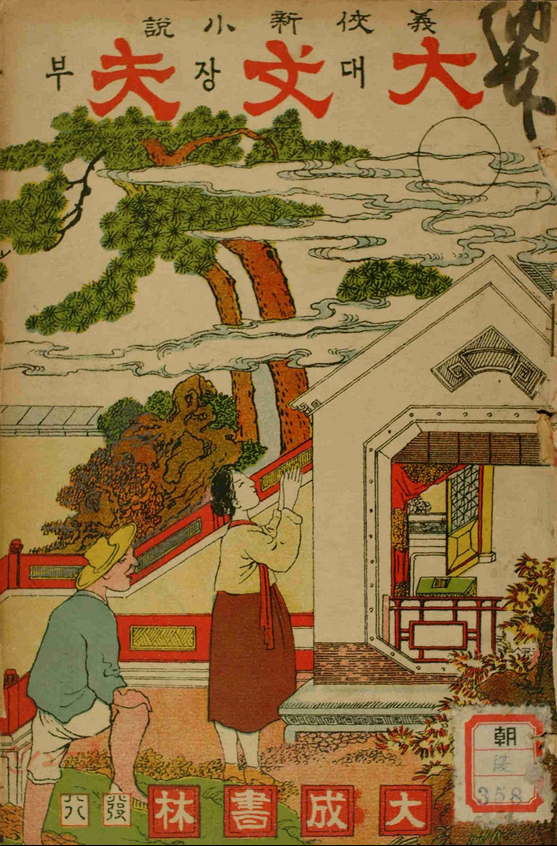
Hangeul, created in 1443 and promulgated in 1446 as "Hunminjeongeum" ("the correct sounds for the instruction of the people"), is recognized for its scientific structure and accessibility. With 14 consonants and 10 vowels, its design reflects the shapes made by the speech organs, making literacy achievable for all social classes (Moments Log; Worldwide Interpreters). Hangeul played a vital role in democratizing literacy and has become a symbol of Korean identity, celebrated each year on Hangeul Day (October 9) (Agoda Travel Guide; Koreana Travel).
UNESCO recognized Hangeul as a "masterpiece of human cultural heritage" in 1997, underscoring its global influence (UNESCO).
The National Hangeul Museum: Mission, Architecture, and Collections
Mission and Collections
The National Hangeul Museum, located in Yongsan-gu near the National Museum of Korea and Yongsan Family Park, is dedicated to preserving and promoting Hangeul. The museum boasts a collection of over 30,000 artifacts, including ancient manuscripts, royal edicts, and modern artistic works (Seoul Metropolitan Government; National Hangeul Museum). The museum’s mission encompasses exhibitions, educational programming, research, and cultural promotion.
Architecture and Layout
The museum’s architecture is inspired by Hangeul’s three foundational vowels—sky (•), earth (ㅡ), and humanity (ㅣ)—a concept known as Chunjiin. The contemporary building integrates these elements with modern design and traditional Korean motifs (museum architecture overview). The museum covers four floors (one basement, three above ground) and is organized as follows:
- Basement: Storage and staff facilities
- First Floor: Information desk, Hangeul Nuri Library
- Second Floor: Permanent Exhibition Hall, ㅎ Café, museum shop
- Third Floor: Special Exhibition Hall, Hangeul Playground (interactive space for children and foreign visitors) (VisitKorea; The Soul of Seoul)
Exhibition Spaces
- Permanent Exhibition Hall: Chronicles the history, structure, and cultural impact of Hangeul through interactive displays and original manuscripts (Visit Seoul).
- Special Exhibition Hall: Hosts rotating exhibits on Hangeul’s influence in Korea and globally.
- Hangeul Playground: Interactive area for language learning and play (Visit Seoul).
- Hangeul Nuri Library: Resource center for research on Hangeul and linguistics.
Accessibility and Visitor Services
The museum is designed for universal access, with wheelchair ramps, elevators, accessible restrooms, Braille guides, and sign language support (National Hangeul Museum).
Visiting Hours, Ticketing, and Accessibility (Pre-Closure)
- Standard Hours: 10:00–18:00 (daily), with extended hours until 21:00 on Saturdays and the last Wednesday each month.
- Closed: Mondays, January 1, Seollal (Lunar New Year), Chuseok (Korean Thanksgiving).
- Admission: Free for all visitors; some special exhibitions may require separate tickets (The Soul of Seoul).
How to Get There
- Subway: Ichon Station (Line 4, Gyeongui-Jungang Line), Exit 2. A five-minute walk to the museum.
- Bus: Stops at the National Museum of Korea or Yongsan Family Park (National Hangeul Museum Directions).
Practical Visitor Information
- Guided Tours: Offered in Korean, English, Chinese, and Japanese, lasting about 60 minutes; advanced booking recommended.
- Workshops & Programs: Regularly scheduled lectures, calligraphy classes, and family-friendly activities (Program Schedule).
- Facilities: Museum café, shop, rest areas, free Wi-Fi, lockers, and stroller rentals.
2025 Fire Incident: Timeline and Impact
Timeline & Emergency Response
On February 1, 2025, a fire broke out on the museum’s third floor, rapidly spreading to the fourth floor, where construction materials were stored during expansion works. The fire was contained after roughly four hours, and all staff were safely evacuated. One firefighter sustained a minor injury (Straits Times; KBS World; Korea Herald).
Impact on Collections and Operations
No visitors or artifacts were harmed, as the museum was closed for expansion and the collections had already been moved to the National Museum of Korea (Korea Herald). The site remains closed for investigation, repairs, and safety inspections as of June 2025. Regular visiting hours and ticketing are suspended until further notice (Trip.com).
Alternative Hangeul Exploration Sites in Seoul
While the National Hangeul Museum is closed, Seoul offers many other venues and resources to experience Hangeul and Korean culture:
- National Museum of Korea: Houses Hangeul Museum artifacts and special exhibitions (National Museum of Korea).
- King Sejong Story Exhibition Hall: Interactive displays on King Sejong and the creation of Hangeul (Visit Seoul).
- Sejong Center for the Performing Arts: Regular cultural programs spotlighting Korean language and literature (Sejong Center).
- Insa-dong Cultural District: Galleries, calligraphy shops, and Hangeul-themed art (The Broke Backpacker).
- Cheongun Literature Library: Quiet space for exploring Korean literature in Hangeul (The Broke Backpacker).
- Yun Dong-ju Literature Museum: Showcases the works of a beloved modern Korean poet (The Broke Backpacker).
- University and Private Language Institutes: Workshops and lectures on Hangeul and Korean linguistics.
- Annual Hangeul Day Events: Performances, workshops, and celebrations on October 9.
Frequently Asked Questions (FAQ)
Q: When will the National Hangeul Museum reopen?
A: The reopening date is not yet determined. Check the official museum website for updates.
Q: Are the museum’s artifacts safe?
A: Yes, all collections were relocated to the National Museum of Korea before the fire.
Q: Where can I learn about Hangeul during the closure?
A: Visit the National Museum of Korea, King Sejong Story Exhibition Hall, and Insa-dong, or participate in online museum programs.
Q: Is admission free when the museum reopens?
A: Yes, general admission will remain free; check for updates regarding special exhibitions.
Q: Are guided tours available elsewhere?
A: Many alternative sites and museums offer guided tours; see their websites for details.
Visitor Tips
- Stay Updated: Check official websites and social media for reopening news and event details.
- Plan Accessibility: Most major sites and museums in Seoul offer multilingual support and facilities for visitors with disabilities.
- Engage Digitally: Take advantage of online resources, virtual tours, and downloadable educational content.
- Combine Attractions: Plan your route to include neighboring sites like the National Museum of Korea and Yongsan Family Park for a full cultural experience.
Listen to the full story in the app
Your Personal Curator, in Your Pocket.
Audio guides for 1,100+ cities across 96 countries. History, stories, and local insight — offline ready.
Audiala App
Available on iOS & Android
Join 50k+ Curators
Sources
- verified
- verified
- verified
- verified
- verified
- verified
- verified
- verified
- verified
- verified
- verified
Last reviewed: