Introduction
Mok-Dong Hyperion stands as a striking emblem of Seoul's rapid transformation and architectural ambition. Located in the Mok-dong neighborhood of Yangcheon-gu, this superblock complex signifies South Korea’s evolution from rural landscapes to a thriving metropolis. Completed in 2003, Hyperion Tower A rises 256 meters, making it one of South Korea’s tallest residential buildings, and the complex integrates luxury living with vibrant commercial facilities—most notably the Hyundai Department Store. As a prime example of vertical urbanism, Mok-Dong Hyperion offers visitors a glimpse into contemporary Korean urban life and planning (Wang & Anderson, 2020; Ministry of Land, Infrastructure and Transport, 1981).
Although primarily residential, Mok-Dong Hyperion welcomes visitors to its substantial retail and leisure zones. The Hyundai Department Store, open daily from 10:30 AM to 8:00 PM, serves as the main public access point, offering shopping, dining, and cultural activities—no tickets or admission are required. The surrounding Mok-dong district, with its parks, sports venues, and scenic riverside paths, further enhances the visitor experience. Easily accessible by subway (Omokgyo Station, Line 5) and bus, Mok-Dong Hyperion is a convenient destination for both locals and international travelers (Hey Roseanne’s Seoul Travel Guide; Maeil Business Newspaper, 2025).
This guide details Mok-Dong Hyperion’s historical context, architectural significance, practical visiting details, nearby attractions, and travel tips, equipping you to navigate and appreciate this modern Seoul landmark.
Photo Gallery
Explore Mok-Dong Hyperion in Pictures

Historical Context of Mok-Dong and the Rise of Hyperion
From Farmland to Urban Hub
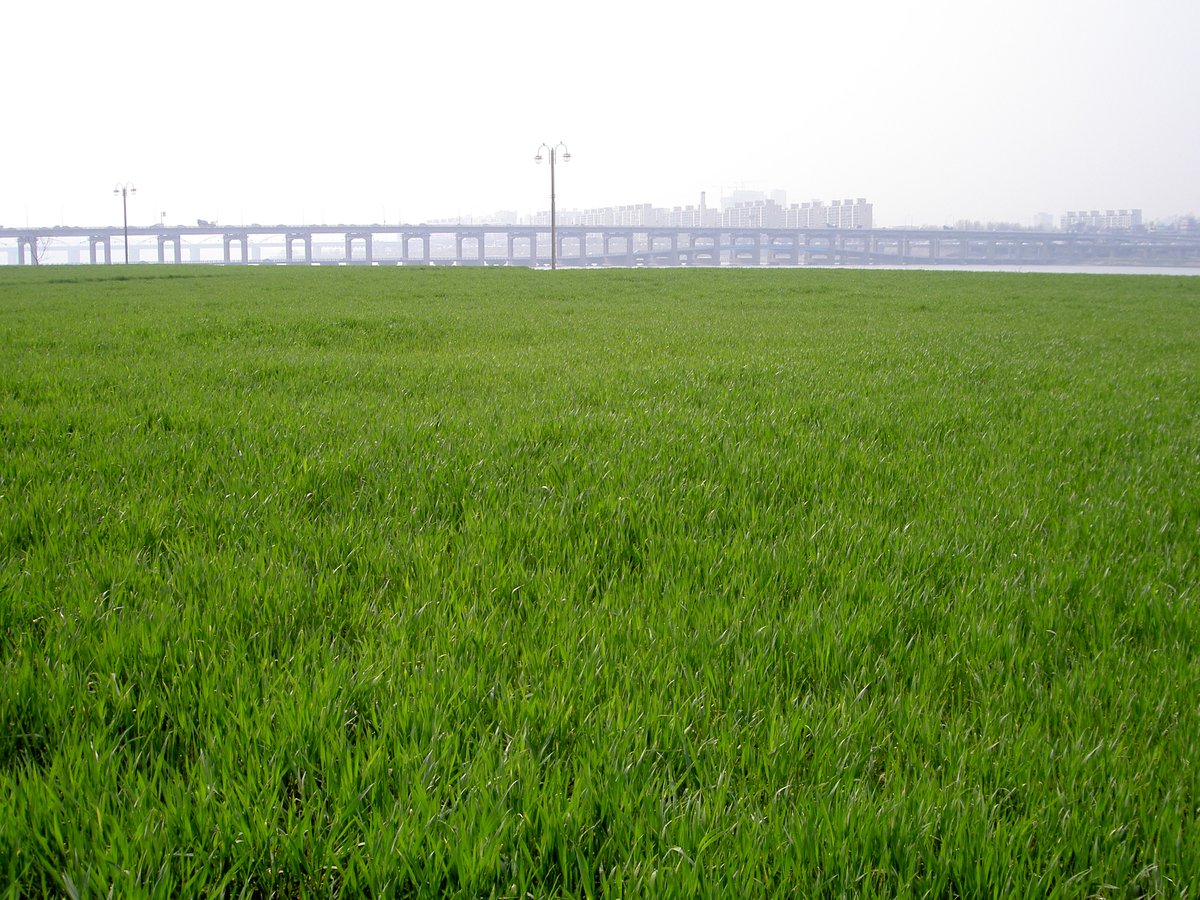
Mok-Dong, in Yangcheon-gu, illustrates Seoul’s rapid urbanization over the last half-century. Once a landscape of rice paddies and wetlands, its name (“wood” or “tree” district) is a vestige of its pastoral past. In the 1980s, as Seoul’s population boomed, the government initiated major redevelopment, designating Mok-Dong as a “new town” (신도시) to address housing shortages. Wide boulevards, high-rise apartments, and modern infrastructure soon replaced the rural scenery (Ministry of Land, Infrastructure and Transport, 1981).
Emergence of Mok-Dong Hyperion
Developed by Daewoo Engineering & Construction and completed in 2003, Mok-Dong Hyperion became a symbol of Seoul’s vertical urbanism. Tower A, with 69 stories, is a defining feature of the Mok-dong skyline and ranks among the tallest residential buildings in Korea. The complex integrates residential, office, and retail spaces—most notably, the Hyundai Department Store—embodying the city’s preference for high-density, mixed-use superblocks (Wang & Anderson, 2020).
Urban Evolution and Social Impact
National policies in the 1970s and 1980s encouraged the “new town” model, blending housing, education, and commerce. Mok-Dong was a leader in this movement, and its ongoing regeneration continues to inspire similar projects citywide (Maeil Business Newspaper, 2025). The Hyperion complex has elevated local property values and commercial activity, though it has also prompted dialogue about social equity and gentrification (Wang & Anderson, 2020).
Significance in Urban Landscape
Today, Mok-Dong Hyperion is a prominent architectural and cultural landmark, representing Seoul’s transformation into a global metropolis. Its blend of sleek design, green spaces, and high-end amenities caters to urban middle- and upper-class residents, while symbolizing Seoul’s commitment to innovative city planning.
Visiting Mok-Dong Hyperion: Hours, Tickets, and Practical Information
Visiting Hours & Ticket Policies
- Hyundai Department Store Hours: 10:30 AM – 8:00 PM daily (may vary on holidays)
- Entry: No tickets or admission fees required for retail/public areas
- Residential Towers: Not open to the public; no guided tours inside the towers due to privacy/security
Accessibility and Safety
- Modern safety features include CCTV and security personnel
- Public areas (department store, parks) are wheelchair accessible
- Ramps, elevators, tactile paving, and accessible restrooms are provided
- Translation apps (Papago, Google Translate) are recommended as English is not widely spoken (Seoul Travel Guide)
Nearby Attractions
- Shopping & Dining: Hyundai Department Store features luxury brands, diverse eateries, and cafes
- Cultural Events: Regular exhibitions and performances in the department store
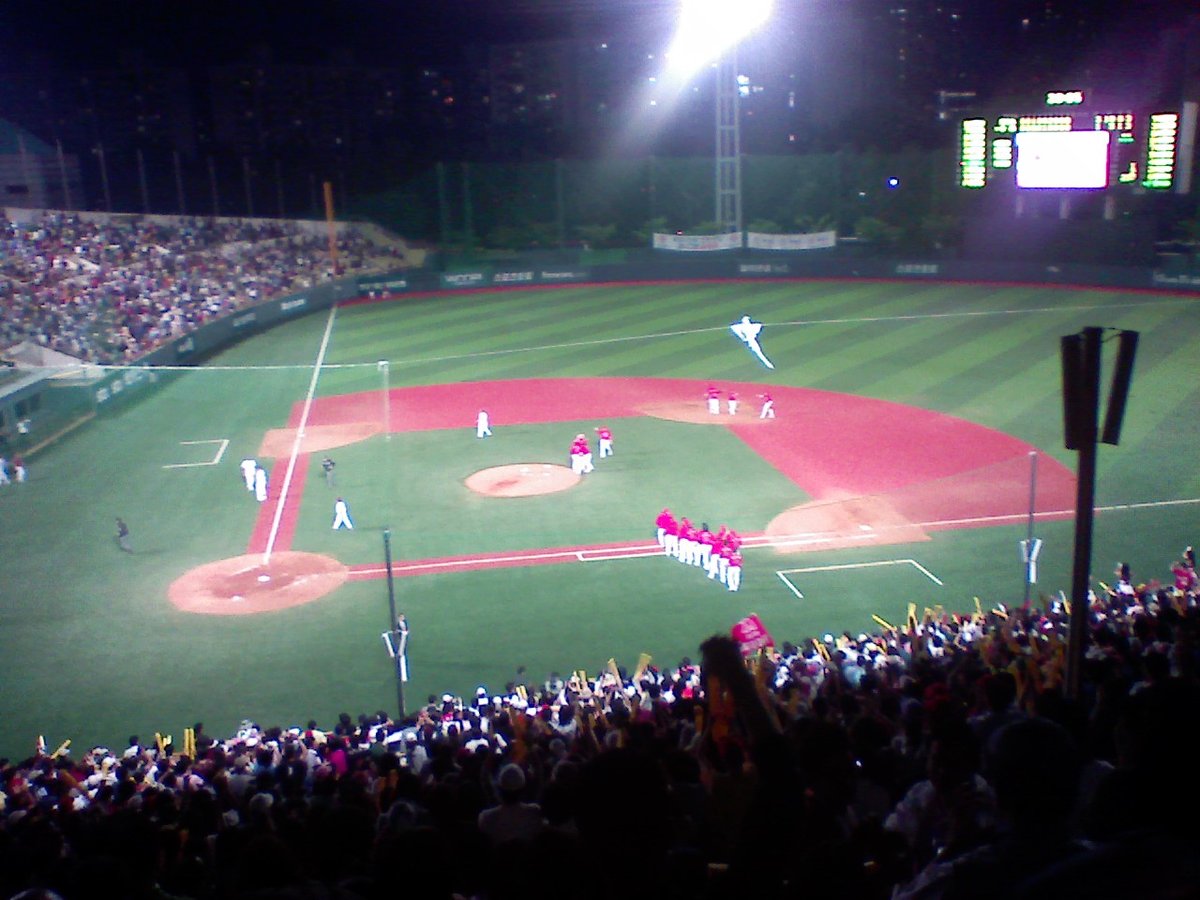
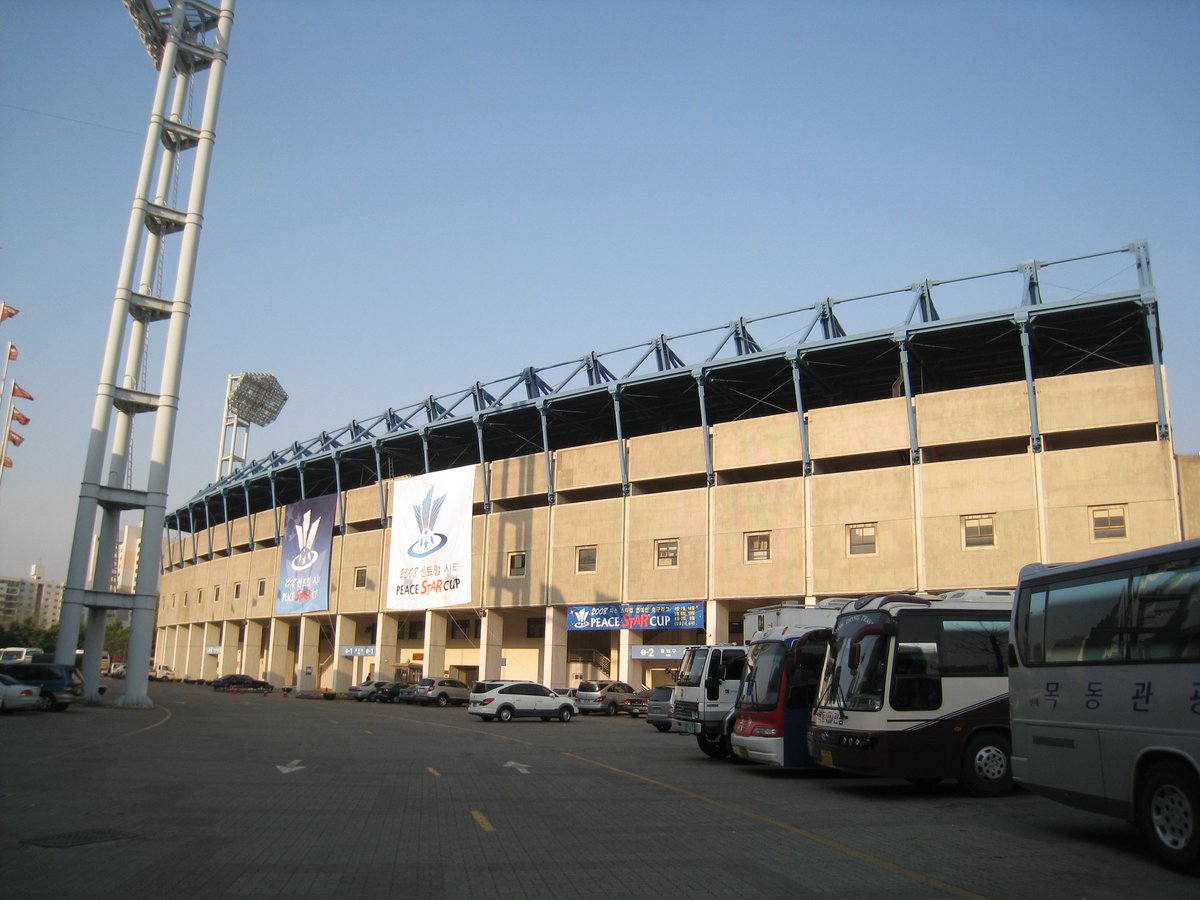
- Outdoor Activities: Mok-Dong Neighborhood Park, Anyangcheon Stream walking/cycling paths, Mokdong Ice Rink, Mokdong Stadium
- Local Markets: Mok-Dong Market for traditional food and goods
Getting There
- Subway: Omokgyo Station (Line 5), Exit 3—about 10 minutes’ walk
- Bus: Multiple routes serve Mok-dong; check Naver Map or Kakao Map for details
- Car: Underground parking available, but public transit is recommended due to traffic
Practical Visitor Tips
- Dress for the weather: Summers are hot/humid, winters are cold
- Etiquette: Keep noise low in residential/public areas
- Payment: Credit cards and mobile payments widely accepted
- Luggage Services: Coin lockers available in the department store and subway
- Free Wi-Fi: Available in public/commercial areas
Frequently Asked Questions (FAQ)
Q1: What are Mok-Dong Hyperion’s public visiting hours?
A1: The Hyundai Department Store is open from 10:30 AM to 8:00 PM. The residential towers are not open to the public.
Q2: Do I need tickets to visit Mok-Dong Hyperion?
A2: No tickets are required for public or retail areas, but some special exhibitions or events may charge admission.
Q3: Can I tour inside the residential towers?
A3: No, the towers are private residences and not accessible to the public.
Q4: What nearby attractions should I visit?
A4: Hyundai Department Store, Mokdong Ice Rink, Mokdong Stadium, Mok-Dong Neighborhood Park, and the scenic Anyangcheon Stream.
Q5: Is the area accessible by public transport?
A5: Yes, by subway (Omokgyo Station, Line 5), bus, taxi, and car.
Visual Media Suggestions
- High-resolution images of Mok-Dong Hyperion towers, Hyundai Department Store, and nearby parks (with descriptive alt tags such as "Mok-Dong Hyperion residential towers in Seoul" and "Hyundai Department Store in Mok-Dong")
- Panoramic skyline photos at sunset/night
- Interactive maps showing Mok-dong’s location and attractions
- Virtual tours, where available
Internal Links
Audiala2024
Listen to the full story in the app
Your Personal Curator, in Your Pocket.
Audio guides for 1,100+ cities across 96 countries. History, stories, and local insight — offline ready.
Audiala App
Available on iOS & Android
Join 50k+ Curators
Sources
- verified
- verified
- verified
- verified
- verified
Last reviewed: