Plan and listen to Leeum, Samsung Museum Of Art with Audiala.
Audio guide in your pocket, itinerary in your browser. Built for the way you actually visit.
Introduction
Nestled on the slopes of Namsan Mountain in the dynamic Hannam-dong district, the Leeum Samsung Museum of Art is one of Seoul's most significant cultural destinations. Established by the Samsung Foundation of Culture, the museum masterfully bridges Korea’s rich artistic traditions with contemporary global art, offering visitors an extraordinary journey through history, creativity, and architectural innovation (Exploring Korea). With its world-class collection—ranging from prehistoric artifacts and 36 National Treasures to modern and contemporary works by leading Korean and international artists—Leeum is a must-visit for art lovers, cultural explorers, and anyone seeking to understand Korea’s evolving identity (Klook; Visit Seoul).
Designed by a trio of renowned architects—Mario Botta, Jean Nouvel, and Rem Koolhaas—the museum complex itself is a work of art, seamlessly integrating traditional reverence, contemporary openness, and educational innovation (OMA Project; Korea.net). This guide offers everything you need to plan your visit: historical background, architectural highlights, collections, practical information, travel tips, accessibility, educational programs, and more.
Historical Background and Cultural Significance
Origins and Foundation
Leeum’s origins date back to 1965, founded under the vision of late Samsung Chairman Byung-Chull Lee. The museum’s mission is to preserve Korea’s artistic heritage while fostering dialogue with global contemporary art. The name “Leeum” combines “Lee” (the founder’s surname) and “um” (from “museum”), reflecting a blend of personal legacy and public cultural enrichment (Exploring Korea).
Collection and Significance
The museum boasts an unrivaled collection:
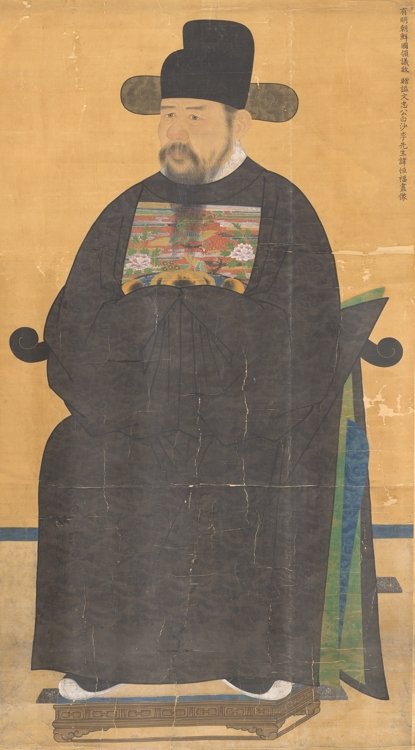
- Traditional Korean Art: 36 National Treasures and 79 Treasures, including ceramics, Buddhist art, calligraphy, and metalwork from the prehistoric era through the Joseon Dynasty.
- Modern & Contemporary Art: Works by Nam June Paik, Lee Bul, Do Ho Suh, Andy Warhol, Mark Rothko, Damien Hirst, Jeff Koons, and more. Leeum’s dual focus on tradition and innovation situates it at the heart of Korea’s cultural narrative, acting as a bridge between East and West, past and present (Exploring Korea).
Architectural Highlights
Masterplan and Location
Set against Namsan Mountain, Leeum consists of three distinct yet interconnected buildings:
- Museum 1 (Mario Botta): Cylindrical brick façade and geometric rigor, dedicated to traditional Korean art (Korea.net).
- Museum 2 (Jean Nouvel): Glass-and-steel structure with open-plan galleries, ideal for contemporary art (Exploring Korea).
- Samsung Child Education & Culture Centre (Rem Koolhaas, OMA): Innovative educational hub integrating all sections via a central lobby (OMA Project).
The collaboration between these architects has been internationally recognized, with Botta receiving accolades for his contribution to cultural exchange (Korea.net).
Visitor Experience
Each building offers a unique spatial and sensory journey. Museum 1’s solemnity contrasts with Museum 2’s light-filled openness, while the education center provides interactive spaces for workshops and family activities. The site’s hillside location grants panoramic views of Seoul, and the interconnected lobbies facilitate smooth navigation (Trip.com).
Museum Layout and Navigating Your Visit
- Entrances & Flow: Begin at the main entrance for ticketing. Museums 1 and 2 are directly connected for a logical progression from traditional to modern art (The Seoul Guide).
- Accessibility: Elevators, ramps, tactile guides, and wheelchair access ensure an inclusive experience.
- Outdoor Spaces: The sculpture garden and art terrace feature monumental works and city views (Afar).
Visiting Hours, Tickets, and Admission
- Opening Hours: Tuesday–Sunday, 10:30 AM – 6:00 PM. Last admission 30 minutes before closing. Closed Mondays and major holidays (Visit Korea).
- Admission Fees:
- Adults: 10,000–15,000 KRW
- Youth/Students/Seniors: Discounts available with ID
- Free: Children under 6, seniors 65+
- Group and digital guide rates available (Klook)
- Tickets: Purchase onsite, through the official website, or authorized platforms like Klook.
Getting There and Accessibility
- Address: 60-16, Itaewon-ro 55-gil, Yongsan-gu, Seoul (Visit Seoul).
- Public Transport: Hangangjin Station (Line 6), Exit 1, 5-minute walk.
- Accessibility: Fully accessible with elevators, ramps, tactile guides, and sign language interpretation (Visit Korea).
Collections and Must-See Exhibits
Museum 1: Traditional Korean Art
- Highlights: Celadon and white porcelain, Buddhist gilt-bronze statues, mother-of-pearl lacquerware, calligraphy, and metalwork from ancient to Joseon eras (Klook).
Museum 2: Modern & Contemporary Art
- Highlights: Nam June Paik’s video art, Lee Bul’s “My Grand Narrative” (Sept 2025), Andy Warhol, Damien Hirst, Rothko, Basquiat, Murakami, and multimedia installations (Artsy).
Outdoor and Interactive Art
- Monumental sculptures by Louise Bourgeois ("Maman"), Anish Kapoor’s reflective works, and interactive digital installations (Afar; Naver Blog).
Educational Programs and Special Events
- Docent-Led Tours: Korean and English, several times daily, including interactive discussions (Klook).
- Workshops: Pottery, calligraphy, painting, family and school programs.
- Lectures & Events: Talks by artists and scholars, panel discussions, and seminars.
- Digital Resources: Multilingual audio guides, interactive displays, and online learning materials (Korea Trip Guide).
Onsite Facilities
- Café and Museum Store: Refreshments, unique souvenirs, art books, and design objects (Trip.com).
- Free Wi-Fi: Available throughout.
- Cloakroom and Restrooms: Clean and accessible on every floor.
Travel Tips and Nearby Attractions
- Best Times: Weekday mornings or late afternoons for fewer crowds.
- Nearby Sights: Namsan Seoul Tower, Itaewon district, Bukchon Hanok Village, and Hannam-dong cafés and boutiques (Trip.com).
- Visitor Tips: Wear comfortable shoes, use audio guides, check exhibition schedules, and respect photography restrictions.
Frequently Asked Questions (FAQ)
Q: What are the visiting hours?
A: Tuesday–Sunday 10:30–18:00, closed Mondays and major holidays.
Q: How much are tickets?
A: General admission is 10,000–15,000 KRW with discounts for students, youth, and seniors.
Q: Is the museum accessible?
A: Yes, including elevators, ramps, tactile guides, and sign language support.
Q: Are guided tours available?
A: Yes, in multiple languages. Book in advance for group tours.
Q: Can I take photos?
A: In designated areas only, without flash or tripods.
Q: Can I visit with children?
A: Absolutely. The education center offers family-friendly workshops.
Enhance Your Visit
- Download the Audiala app for audio guides, interactive maps, and event updates.
- Check the official Leeum Museum website for the latest exhibitions and virtual tours.
- Follow Leeum on social media for announcements about special events and new programs.
- Explore related guides: Top Historical Sites to Visit in Seoul, Guide to Seoul’s Museums and Galleries, and Seoul Cultural Experiences and Tours.
Listen to the full story in the app
The whole Leeum, Samsung Museum Of Art,
told well.
Audio guides for 1,100+ cities across 96 countries. History, stories, and local insight — offline ready.

Verified, and shown.
Researched and written by the Audiala editorial team from historical records, architectural archives, and local expertise.
Researched from Wikidata, Wikipedia & official sources · fact-checked · How we make our guides →