History and Institutional Development
The Kumho Museum of Art began as the Kumho Gallery in Gwanhun-dong in 1989, a project of the Kumho Asiana Group aimed at nurturing local artistic talent and enhancing Korea’s art culture through exhibitions and cultural projects (Kumho Museum official site). In 1996, the institution expanded and relocated to Sagan-dong, becoming the Kumho Museum of Art, with a broader mission to foster both emerging and established artists (My Art Guides).
Since its inception, the museum has curated a diverse range of exhibitions—retrospectives of international figures like Joan Miró, thematic surveys such as “Formative Art of the 1980s,” and interdisciplinary projects exploring the intersection of art, music, and design. The museum’s annual Kumho Young Artist competition and its artist-in-residence program in Icheon further solidify its status as a supporter of Korea’s next generation of creatives (Kumho Arts Foundation).
Architectural Significance
Kim Tae-su’s architectural vision for the Kumho Museum of Art skillfully integrates the building within Seoul’s historic context, particularly its proximity to Gyeongbokgung Palace. The museum’s granite squares, matched in color and texture to the palace’s stone walls, and its strip-patterned windows in dark hues, create a visual dialogue with the surrounding heritage (Time Out Seoul). Triangular window elements add rhythm and allow for dynamic natural lighting in the galleries, supporting both large-scale and intimate exhibitions (Kumho Museum official site).
Role in Contemporary Korean Art
The Kumho Museum of Art is a dynamic platform for both established and emerging artists. Its exhibitions span retrospectives, thematic surveys, and interdisciplinary collaborations. The annual Kumho Young Artist competition, launched in 2005, is a key initiative for discovering and promoting innovative Korean talent. The Kumho Art Studio’s artist-in-residence program in Icheon supports creative development and experimentation (Kumho Museum official site).
Educational programs, public lectures, and workshops are central to the museum’s mission, making contemporary art accessible to a wide audience. The museum collaborates with the Kumho Cultural Foundation, which has received accolades such as the Presidential Prize of Mecenat and the Montblanc de la Culture Arts Patronage Awards (Kumho Arts Foundation).
Visiting Information: Hours, Tickets, and Directions
Visiting Hours:
- Tuesday to Sunday: 10:00 AM – 6:00 PM (last admission: 5:30 PM)
- Closed: Mondays, New Year’s Day, Christmas Day, Seollal (Lunar New Year), and Chuseok (Korean Thanksgiving)
(Koreatriptips; Visit Seoul)
Tickets:
- General admission: typically 3,000–5,000 KRW, with discounts for students, seniors, and groups
- Free for children under 12 and disabled visitors
- Special exhibitions and concerts (Kumho Recital Hall) may have separate ticketing
(Visit Korea)
Directions:
- Address 18, Samcheong-ro, Jongno-gu, Seoul
- Subway Line 3 to Anguk Station (Exit 1), 10-minute walk
- Nearby Landmarks East side of Gyeongbokgung Palace
- Parking Limited (10 cars), free of charge. Public transportation recommended
(Realk.kr)
Accessibility:
- Wheelchair accessible (elevators, ramps, accessible restrooms)
- Bilingual (Korean/English) signage and guides
- 1330 Travel Hotline: +82-2-1330 (Korean, English, Japanese, Chinese)
(KoreaTripTips)
Exhibitions and Special Programs
Exhibition Spaces:
- B1 Floor Rotating exhibitions by emerging artists
- 1st & 2nd Floors Official invitation shows, thematic and international exhibitions
- 3rd Floor Kumho Recital Hall for concerts and interdisciplinary events
(KoreaTripTips; Visit Seoul)
Annual Programming:
- Seven influential Korean artists are invited for major exhibitions annually
- International artists participate in cross-cultural shows about once per year
- Educational programs: workshops, lectures, guided tours, and artist talks
(Kumho Arts Foundation)
Music & Multidisciplinary Engagement:
- Kumho Recital Hall 171-seat concert venue, regular classical and contemporary music programs
- Kumho Gallery Concerts: Tuesday, Thursday, and Friday evenings at 8 PM
(Visit Seoul)
Visitor Experience and Amenities
- Coffee Shop & Art Shop Located on the 1st floor, open even on museum closure days
- Restrooms and Seating Available on all floors
- Information Desk Bilingual staff available during opening hours
- Photography Permitted in designated areas; check exhibition-specific policies
(Realk.kr; KoreaTripTips)
Tips for Visitors:
- Visit on weekdays or early mornings for a quieter experience
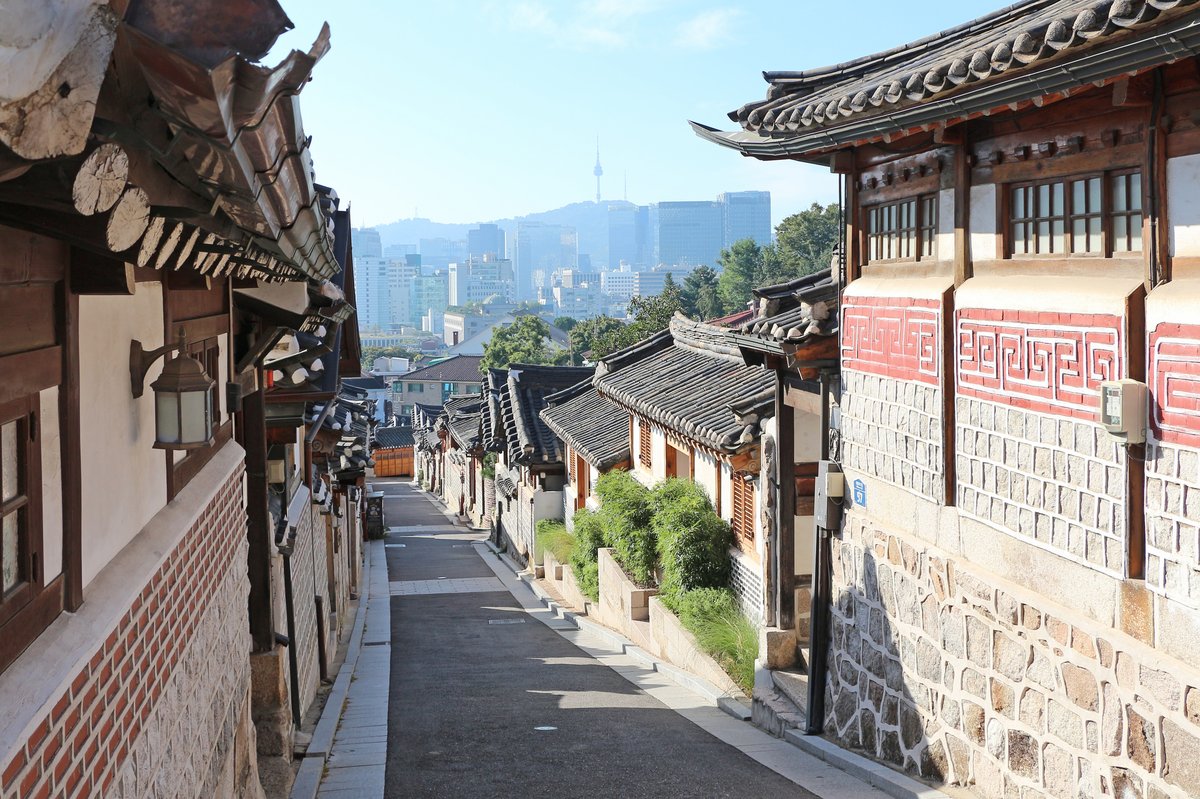
- Combine your visit with Gyeongbokgung Palace and Samcheong-dong strolls
- Most major credit cards accepted; carry some cash for small purchases
Integration with Seoul’s Cultural Landscape
The Kumho Museum of Art is at the heart of Seoul’s art district, surrounded by key cultural sites such as Gyeongbokgung Palace, the National Museum of Modern and Contemporary Art, the National Folk Museum, and private galleries (Time Out Seoul; Trazy). Its location encourages visitors to experience multiple facets of Seoul’s historical and contemporary culture in a single trip.
The museum’s ongoing collaborations and participation in city-wide art festivals further enhance Seoul’s reputation as a top destination for art tourism (Larry’s List).
Nearby Attractions and Historical Sites
- Gyeongbokgung Palace Korea’s most iconic royal palace
- National Museum of Modern and Contemporary Art (MMCA, Seoul) Contemporary and modern art collections
- Lee Ri-Ja Hanbok Museum Traditional Korean clothing
- Gallery Hyundai Premier contemporary art gallery
- Samcheong-dong Trendy neighborhood for cafes, boutiques, and art walks
(Soul of Korea Travel Blog)
Frequently Asked Questions (FAQ)
Q: What are the Kumho Museum of Art’s visiting hours?
A: Tuesday to Sunday, 10:00 AM – 6:00 PM; closed on Mondays and major holidays.
Q: How much are tickets?
A: General admission is 3,000–5,000 KRW, with discounts for students, seniors, and groups. Special events and concerts require separate tickets.
Q: Is the museum wheelchair accessible?
A: Yes, the museum is fully accessible.
Q: Are guided tours available?
A: Guided tours and public talks are offered; check the museum website or contact in advance.
Q: Can I take photos inside the museum?
A: Only in designated areas; check signage or ask staff.
Q: How do I get to the museum?
A: 10-minute walk from Anguk Station (Line 3, Exit 1), or by city buses to Gyeongbokgung Palace.