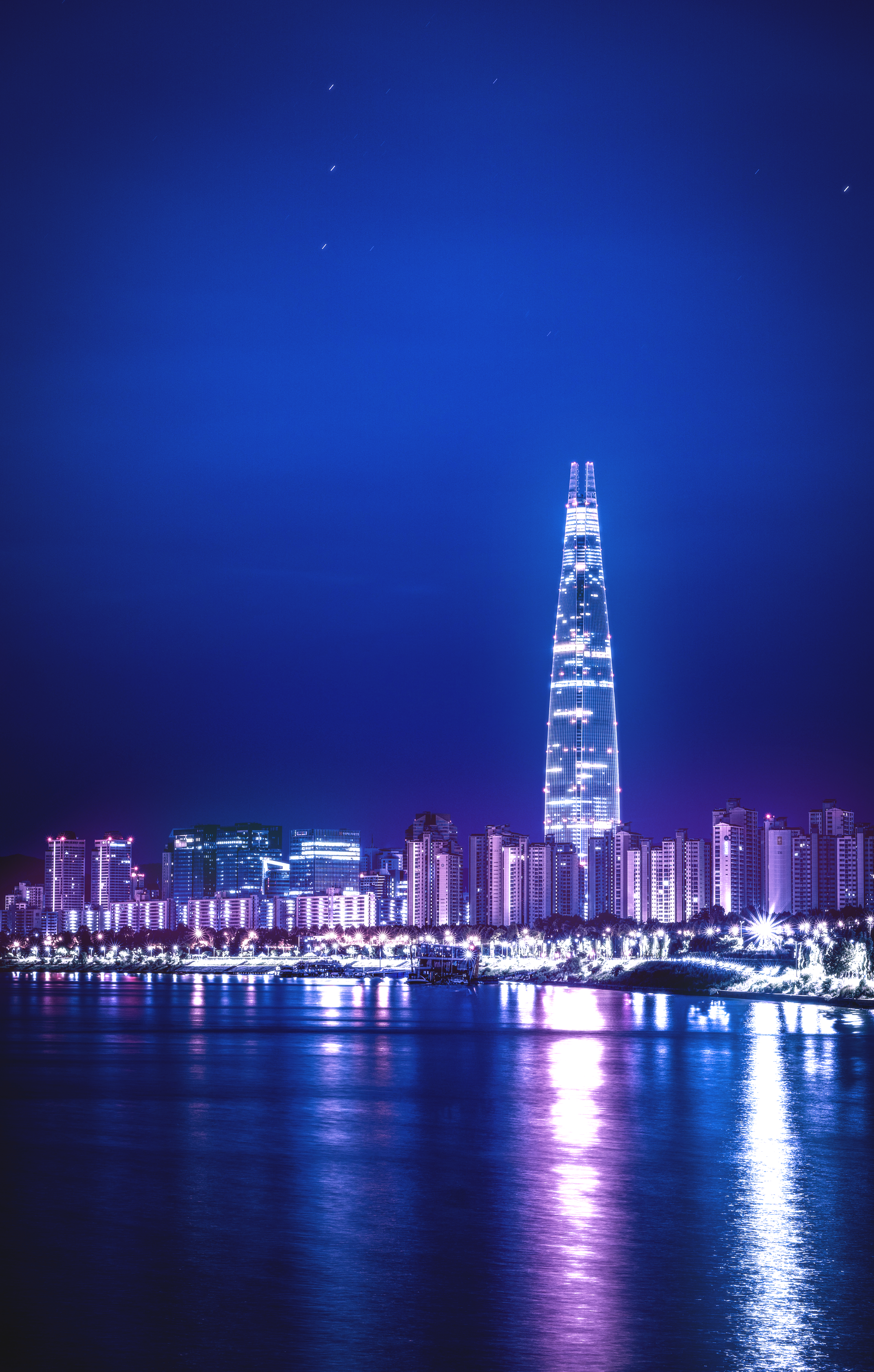
Introduction to the Korean Christian Museum
Nestled within Soongsil University’s historic campus in Seoul, the Korean Christian Museum stands as a guardian of Korea’s Christian legacy. Established in 1948 by Reverend Kim Yang-seon, a Presbyterian minister and pioneering archaeologist, the museum preserves artifacts and documents that chronicle Christianity’s introduction, growth, and profound impact on the nation’s cultural, educational, and social evolution. Surviving the upheavals of the Japanese colonial period and the Korean War, the museum continues its mission of education and commemoration today (Encyves).
Home to more than 20,000 items—including ancient manuscripts, early Bible translations, relics of martyrs, and archaeological discoveries—the museum offers a comprehensive perspective on Christianity’s role in Korea’s modernization, education, and independence movements (Soongsil University History). As part of Korea’s first modern Christian university, the museum’s significance is deeply entwined with the nation’s broader historical and cultural narrative (museum.ssu.ac.kr).
Whether you are a scholar, history enthusiast, or traveler seeking to explore Seoul’s historical sites, this guide provides an in-depth overview of the Korean Christian Museum’s history, collections, visiting hours, ticketing, accessibility, and practical travel tips.
Founding and Historical Context
The museum was founded by Reverend Kim Yang-seon in 1948, with official sanction from the United States Army Military Government in Korea. Originally located at the site of the former Chosun Shingung (a Shinto shrine imposed during the colonial era), its establishment symbolized a reclaiming of space for Korean Christian history (Encyves). Kim’s personal collection laid the foundation for the museum, which soon attracted further donations from church leaders, missionaries, and private collectors.
Soongsil University itself, founded in 1897 by American missionary William M. Baird, played a formative role in introducing modern education and Christian values to Korea (Soongsil University History). The university’s commitment to national identity, educational reform, and resistance during the colonial period is reflected in the museum’s mission.
Wartime Challenges and Relocation
The outbreak of the Korean War in 1950 led to the destruction of the original museum building. Reverend Kim Yang-seon managed to safeguard the bulk of the collection by relocating it multiple times during the conflict. In 1967, the museum found a permanent home at Soongsil University, where it was re-established with an initial donation of 3,660 items, ensuring the continuity and growth of its collections (Encyves).
Collection Highlights
The museum’s holdings span a broad historical spectrum, tracing the trajectory of Christianity on the Korean peninsula:
- Yanguihyeonramdo (兩儀玄覽圖): A rare cosmological diagram illustrating religious syncretism in late Joseon Korea.
- Jesuseonggyojeonse (예수셩교젼서): Among the earliest Korean translations of Christian scriptures.
- Rubbings of the Geumgangsan Gyeonggyobi (금강산 경교비): Evidence of Nestorian Christianity in Korea and its connection to Tang China.
- Stone Crosses and Manuscripts: Some of Korea’s oldest Christian artifacts.
- Luke’s Gospel (누가복음서, 1882): One of the earliest Korean-language Gospel editions.
- Daedongyeojido (대동여지도): Monumental Korean map contextualizing missionary activities.
- Kang Gwan Pildam (강관필담): Dialogues between Korean and foreign Christians.
- Danbalryeong Document (단발령 문서): A pivotal decree representing Korea’s modernization.
- Shinyak Maga Jeon Eonhae (신약마가전언해, 1884): Early Korean translation of the Gospel of Mark.
- Hanil Tongsang Joyak Yeonhoe-do (한일통상조약연회도): Artwork depicting the Korea-Japan Treaty of Amity banquet.
- National Treasure Artifacts: Including Danyusemun-gyeong (National Treasure No. 141), comb-pattern pottery, and a bronze dagger.
- Calligraphy by An Jung-geun (안중근의 유묵): Writings linking Christian faith to Korean independence (Encyves).
The museum also preserves:
- Early Korean Bible translations and hymnals
- Personal effects of missionaries and early faculty
- Artifacts related to the independence movement and national modernization
- Archaeological relics from prehistoric and early historic Korea (museum.ssu.ac.kr)
Educational and Academic Role
The Korean Christian Museum serves as an academic hub, supporting research, hosting conferences, and publishing studies on religious history and cultural exchange. It collaborates with churches, universities, and international organizations to promote public education, offering workshops, temporary exhibitions, and educational outreach (Soongsil University Research).
Museum Layout and Exhibits
The museum is organized across three main floors:
- History of Christianity in Korea Hall: Traces the roots and evolution of Christianity, featuring artifacts from the Unified Silla period (including evidence of Nestorianism), Catholic and Protestant relics, early Bibles, and multimedia displays (museum.ssu.ac.kr).
- Soongsil University and Modernization Hall: Focuses on the university’s history, its pioneering role in Christian education, resistance to colonial policies, and involvement in national independence.
- Archaeological Collections Hall: Displays prehistoric pottery and tools, National Treasure artifacts, and relics from the Three Kingdoms and Lolang periods.
Temporary and special exhibitions, such as “Inspiration, Traces, Soongsil,” highlight the museum’s ongoing commitment to heritage and scholarship (inspiredexhibit.org).
Visitor Information
Location and Access
- Address: Soongsil University campus, Dongjak-gu, Seoul
- Nearest Subway: Soongsil University Station (Line 7), short walk from Exit 4
- Bus Lines: 751, 752, 753, 501, 650, 5511, 5517
Visiting Hours
- Regular Hours: Monday to Friday, 10:00–16:00
- Saturday: 10:00–12:00
- Special Exhibitions: May have extended hours (e.g., until 16:30); check for closures on Tuesdays or national holidays
- Please verify hours on the official museum website before visiting.
Admission and Tickets
- Admission: Free for all visitors
Accessibility
- Wheelchair accessible with ramps and elevators
- Bilingual Korean-English signage and educational booklets
- Audio guides available in multiple languages for major exhibitions
Guided Tours and Programs
- Group and educational tours available by reservation; English-language tours can be arranged in advance
- Workshops and temporary exhibitions are held throughout the year
Visitor Services
- Accessible restrooms and lounge area
- No on-site café, but campus dining options are nearby
- Most exhibits allow photography; flash may be restricted near sensitive artifacts
Frequently Asked Questions (FAQ)
Q: What are the Korean Christian Museum visiting hours?
A: Monday to Friday 10:00–16:00, Saturday 10:00–12:00; special exhibitions may have extended hours. Closed on certain holidays. Confirm on the museum website.
Q: Is there an admission fee?
A: Admission is free for all visitors.
Q: How do I get to the museum?
A: Use Soongsil University Station (Line 7) and follow campus signage; several bus lines also serve the area.
Q: Are there English materials and guided tours?
A: Yes, English-language booklets and tours are available by reservation.
Q: Is the museum wheelchair accessible?
A: Yes, with ramps, elevators, and accessible restrooms.
Q: Can I take photographs inside?
A: Photography is allowed except near sensitive artifacts; flash may be restricted.
Summary and Visitor Tips
The Korean Christian Museum at Soongsil University is a unique destination for those interested in Korea’s religious, cultural, and national history. Its collections—from ancient Nestorian relics to modern independence documents—offer a window into the nation’s complex journey of faith, modernization, and identity (Encyves, Soongsil University History). The museum’s accessible facilities, free admission, and welcoming atmosphere make it ideal for local and international visitors alike.
Visitor Tips
- Plan ahead and check current visiting hours and special exhibitions on the official website.
- Allow 1–2 hours for a thorough visit.
- Combine your museum experience with a stroll around Soongsil University’s historic campus and nearby Seoul historical sites.
- Download the Audiala app for guided tours and up-to-date event information (Audiala app).
- Respect the museum’s policies on photography and conduct, as many exhibits are of religious and cultural importance.
Listen to the full story in the app
Your Personal Curator, in Your Pocket.
Audio guides for 1,100+ cities across 96 countries. History, stories, and local insight — offline ready.
Audiala App
Available on iOS & Android
Join 50k+ Curators
Sources
- verified
- verified
- verified
- verified
Last reviewed: