Introduction
Korea University, established in 1905 as Bosung College, is one of South Korea’s most prestigious and historically significant private universities. Located in the vibrant Anam-dong neighborhood of Seoul, it is more than just an academic institution—it represents a convergence of Korea’s educational heritage, architectural grandeur, and the spirit of modern Seoul. The campus features striking neo-Gothic buildings, cultural landmarks like the Korea University Museum, and picturesque sites such as Crimson Lake, making it a rewarding destination for anyone interested in Seoul’s historical and cultural landscape.
This comprehensive guide provides detailed information on Korea University’s visiting hours, ticketing, travel tips, historical background, must-see attractions, and nearby sites, allowing you to plan an enriching and memorable visit. For the latest updates, consult the Korea University Official Site, Seoul Inspired Guide, and KoreaToDo.
Visiting Korea University: Hours and Tickets
Visiting Hours
- Campus Grounds: Open daily from 8:00 AM to 8:00 PM.
- Korea University Museum: Open 10:00 AM to 5:00 PM, Tuesday through Sunday. Closed on Mondays and national holidays.
- Libraries: Access is generally restricted to students and staff; some areas may be open during special events.
Tickets and Entry Fees
- General Campus Access: Free for all visitors.
- Museum & Special Exhibitions: Some events or exhibitions may require tickets, usually at a nominal fee. Always check the official university website or contact the museum for up-to-date ticketing details.
Guided Tours and Special Events
- Guided Tours: Available by appointment via the visitor center or alumni association. Tours offer deeper insight into the university's legacy, architecture, and contributions to Korean society.
- Cultural Events: Year-round events include festivals, exhibitions, and the renowned Korea-Yonsei Friendship Games (October) and Ipselenti Festival (May).
Getting There and Accessibility
Location & Address
- Address: 145 Anam-ro, Seongbuk-gu, Seoul, 02841
- Korea University Location Map
Public Transportation
- Subway:
- Korea University Station (Line 6) – Use Exit 2 for the main campus (5–10 min walk).
- Anam Station (Line 6) – Use Exit 2 for the Science Campus.
- Bus: Numerous city buses stop at or near "Korea University" or "Anam-dong."
- Campus Shuttle: Free shuttle connects major campus areas (KU Global Services Center).
- Taxi/Rideshare: Widely available; show the address in Korean (“고려대학교, 서울특별시 성북구 안암로 145”).
Accessibility
- Most major buildings are wheelchair accessible, with ramps and elevators in newer facilities.
- Some older structures may have limited access; plan ahead using campus maps or contact the visitor center.
Founding and Early Years (1905–1945)
Korea University began as Bosung College, founded by Lee Yong-Ik during the Korean Empire era. Its mission, “Education Saves the Country,” reflected the desire for national identity and resilience during Japanese colonial rule. Unlike institutions founded by foreign powers, Bosung College was a Korean-led effort to preserve and promote Korean culture and education.
Post-Liberation Transformation (1945–1960)
Renamed Korea University in 1946 after Korea’s liberation, the university became a hub for democratic movements, with students playing a pivotal role in the April 19 Revolution of 1960.
Expansion and Modernization (1960s–Present)
Since the 1960s, Korea University has evolved into a leading research and educational institution, enrolling over 37,000 students by 2025 and consistently ranking among the world’s top universities.
Architectural and Cultural Highlights
Main Hall (Bon-gwan, 본관)
- Iconic neo-Gothic building completed in 1934, a registered cultural heritage site.
- The castle-like façade and surrounding lawns are top photo spots.
Central Plaza & Statue of Lee Yong-Ik
- The campus centerpiece, featuring a statue of the founder.
- Lively during festivals and events, offering panoramic views of the university’s blend of historic and modern buildings.
Science Library
- Modern architectural design and extensive academic resources.
- Public access is usually limited, but special events may provide entry.
Must-See Campus Landmarks
- Tiger Statue: Beloved mascot and photo spot; rubbing its paw is said to bring good luck.
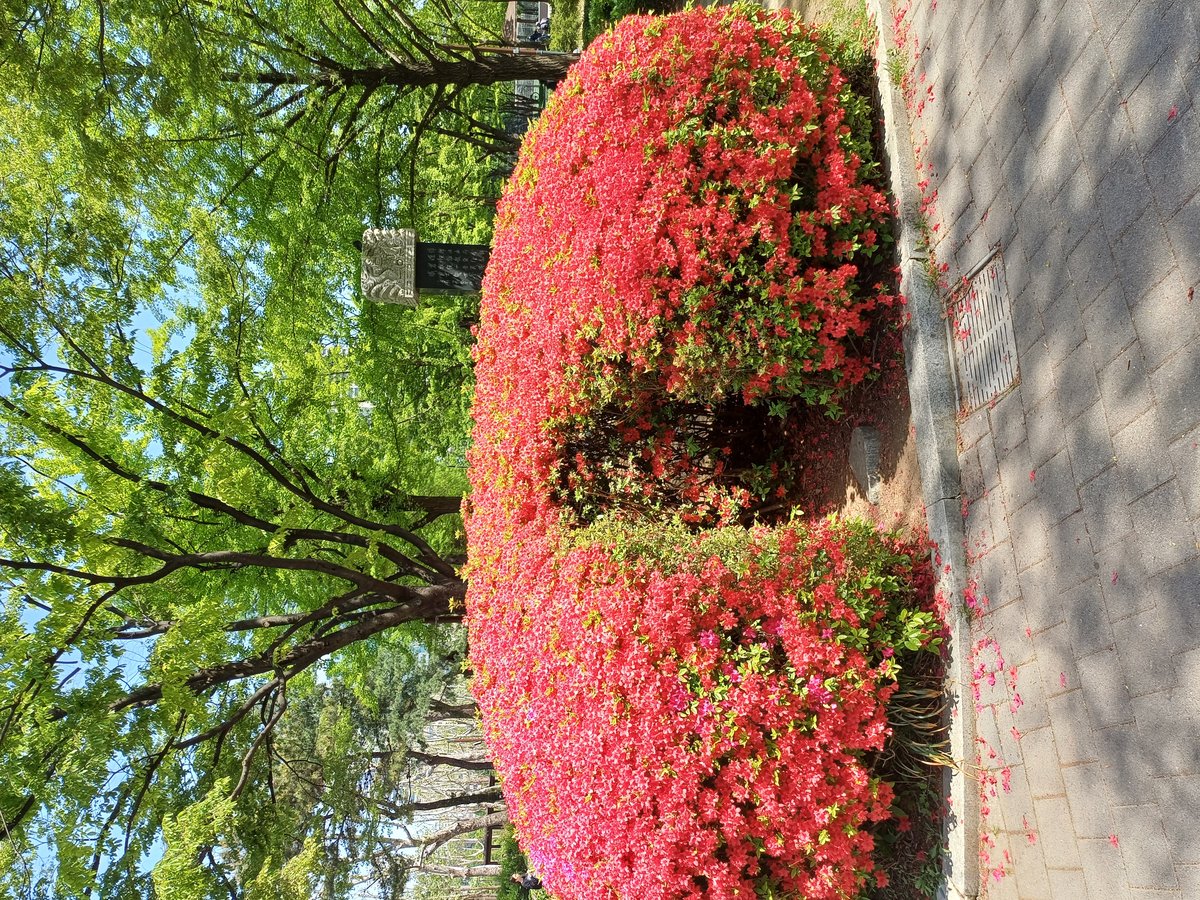
- Crimson Lake: Picturesque pond, especially beautiful during cherry blossom and autumn foliage seasons.
- Centennial Memorial Samsung Hall: Modern facility for conferences, exhibitions, and rooftop views of Seoul.
- Student Union Building: Heart of student life with cafes, lounges, and club activities.
- Sports Complex and Ice Rink: Venue for the annual Korea-Yonsei sports festival and public ice skating sessions.
Seasonal and Cultural Attractions
- Spring (March–May): Cherry blossoms and campus gardens in full bloom.
- Autumn (September–November): Stunning fall foliage, particularly along ginkgo-lined paths.
- Ipselenti Festival (May): Concerts, performances, and student parades.
- Korea-Yonsei Games (October): Major sports rivalry event attracting crowds.
Nearby Seoul Historical Sites
- Sungkyunkwan University: Historic Confucian campus.
- Dongdaemun Design Plaza: Modern architecture and exhibitions.
- Hongdae & Itaewon Neighborhoods: Trendy areas known for nightlife, cafes, and shopping.
- Ansan Mountain Trail: 7km walking trail with panoramic city views.
- Gyeongbokgung Palace: Easily reachable by subway for additional cultural exploration.
Visitor Tips and Services
- Maps and Guidance: Download the interactive campus map for navigation.
- Visitor Center: Located near the main gate; provides English assistance and brochures.
- Facilities: Restrooms, water fountains, convenience stores, cafes, and free Wi-Fi (networks: "KU-Guest" and "eduroam").
- Language: English is limited; translation apps (Papago, Google Translate) are helpful (Hey Roseanne).
- Mobility: The campus is hilly; wear comfortable footwear and plan routes in advance.
Frequently Asked Questions (FAQ)
Q: What are the visiting hours for Korea University?
A: Campus is open from 8:00 AM to 8:00 PM; museum hours are 10:00 AM to 5:00 PM, Tuesday–Sunday.
Q: Is there an entrance fee?
A: No, general campus access is free. Some events or exhibitions may require a ticket.
Q: Are guided tours available?
A: Yes, by prior arrangement through the visitor center or alumni office.
Q: Is the campus accessible for wheelchair users?
A: Most modern facilities are accessible; some older buildings may have limited access.
Q: When is the best time to visit?
A: Spring (for cherry blossoms) and autumn (for foliage and festivals) are ideal.
Q: Are there accommodations nearby?
A: Anam-dong offers a range of affordable guesthouses and hotels. Book early during festivals or major events.
Key Points and Travel Tips
- Korea University is a landmark of South Korea’s educational heritage and modern vitality.
- Free campus admission; some events and exhibitions may require tickets.
- Best visited in spring or autumn for natural beauty and campus festivals.
- Easily accessible by subway, bus, and taxi.
- Combine your visit with nearby historical sites and trendy Seoul neighborhoods for a well-rounded cultural experience.
- Download maps and use translation apps for a smooth visit.
For the most current information, always refer to the official university site and trusted travel resources.
Listen to the full story in the app
Your Personal Curator, in Your Pocket.
Audio guides for 1,100+ cities across 96 countries. History, stories, and local insight — offline ready.
Audiala App
Available on iOS & Android
Join 50k+ Curators
Sources
- verified
- verified
- verified
- verified
- verified
Last reviewed: