Introduction
Nestled in Seoul’s lively Anam-dong neighborhood, the Korea University Museum is a distinguished cultural institution that bridges Korea’s rich historical legacy with its dynamic present. Affiliated with one of South Korea’s oldest and most prestigious universities, the museum offers a comprehensive journey through Korean history, art, and cultural heritage—from prehistoric eras to contemporary times. With free admission, a central location easily accessible by public transportation, and a variety of exhibitions, the Korea University Museum is a must-visit destination for history enthusiasts, students, and travelers exploring Seoul’s historical sites. This detailed guide covers everything you need to know: visiting hours, tickets, collections, travel tips, accessibility, and nearby attractions to help you plan an enriching visit.
Find further details and plan your visit on the official Korea University Museum website. For broader context, consult resources such as Everything Korea and Open Korea.
About Korea University and Its Museum
Korea University, founded in 1905 (originally as Bosung College), is renowned for its academic excellence and national pride. Established in 1934, the Korea University Museum is one of South Korea’s earliest university museums, reflecting the institution’s commitment to scholarship and to preserving national identity through turbulent times. As an academic and cultural hub, the museum supports research and public education, showcasing artifacts that span Korea’s ancient civilizations, dynastic eras, and modern developments (Korea University Museum Official Site).
Visiting Hours, Admission & How to Get There
Visiting Hours
- Regular Hours: Tuesday to Sunday, 10:00 AM – 6:00 PM
- Closed: Mondays and public holidays
- Note: Hours may vary during university events or special exhibitions—check the official website before your visit.
Admission
- General Admission: Free for all visitors
- Special Exhibitions: Some may require a nominal fee
Guided Tours
- Available in Korean and English (advance booking recommended for groups)
- Tours provide context and in-depth insights into the collections
Getting There
- Subway: Seoul Subway Line 6, Korea University Station (Exit 1 or 2); 5-minute walk to the museum entrance
- Bus: Multiple city bus routes serve Korea University; check the Seoul Official Tourist Map for current routes
- Parking: Limited on-campus parking; public transit recommended
Exhibitions and Collections
The museum houses over 100,000 artifacts spanning archaeology, history, art, and ethnography, providing a rich narrative of Korean civilization from its earliest days to the present.
Archaeological Artifacts
- Prehistoric Tools & Pottery: Stone axes, pottery shards, and tools from the Neolithic and Bronze Age
- Three Kingdoms Period Relics: Decorative tiles, burial goods, and Baekje ceramics
- Silla Gold Crowns & Ornaments: Royal treasures illuminating ancient craftsmanship and court culture
Historical Manuscripts
- Joseon Dynasty Documents: Royal edicts, Confucian texts by Yi Hwang and Yi I, ancient maps, and official records
- Calligraphy & Inkstones: Objects reflecting education’s crucial role in Korean society
Traditional & Modern Korean Art
- Fine Art Collections: Joseon Dynasty portraits, Buddhist scrolls, vibrant minhwa (folk paintings)
- Ceramics: Goryeo celadon, Buncheong ware, Joseon white porcelain, and kiln models
- Ethnographic Displays: Hanbok costumes, ritual objects, musical instruments, and tools from everyday Korean life
- Modern & Contemporary Works: Pieces by Korean artists addressing urbanization and globalization (Korea University Museum Official Site)
Interactive & Digital Features
- Digital Gallery: Augmented reality displays, touchscreen timelines, and virtual restoration kiosks enhance visitor engagement
Special Exhibitions & Educational Programs
- Rotating Special Exhibits: Recent themes include “Korean Women Through the Ages” and “Modern Korea: From Empire to Republic”
- Workshops & Lectures: Academic talks, hands-on programs, and student-led exhibitions
- Family Programs: Weekend and holiday activities for children and families
Facilities, Accessibility & Visitor Amenities
- Building: Modern, air-conditioned facility with elevators and ramps for full accessibility
- Restrooms: On every floor; accessible stalls available
- Lockers: Small lockers for personal belongings near the entrance
- Language Support: Exhibit labels in Korean and English; staff can assist international visitors
- Wi-Fi: Free campus-wide Wi-Fi
- Cafés: Several coffee shops and eateries are located on the university campus
Tips for Visitors
- Best Times: Weekday mornings and early afternoons are less crowded; avoid major campus events and exam periods
- Season: The museum is a pleasant retreat year-round, with beautiful campus scenery in spring and autumn
- Photography: Non-flash photography is allowed in permanent galleries; restrictions may apply for special exhibitions—always check signage
- Guided Tours: Free English-language tours are typically offered on weekends—confirm availability on the museum website
- Etiquette: Maintain a quiet atmosphere, refrain from eating or drinking in exhibits, and avoid touching displays unless permitted
Nearby Attractions
- Korea University Campus: Renowned for its neo-Gothic architecture and landscaped grounds
- Anam-dong Area: Offers vibrant student life, trendy cafés, and local eateries
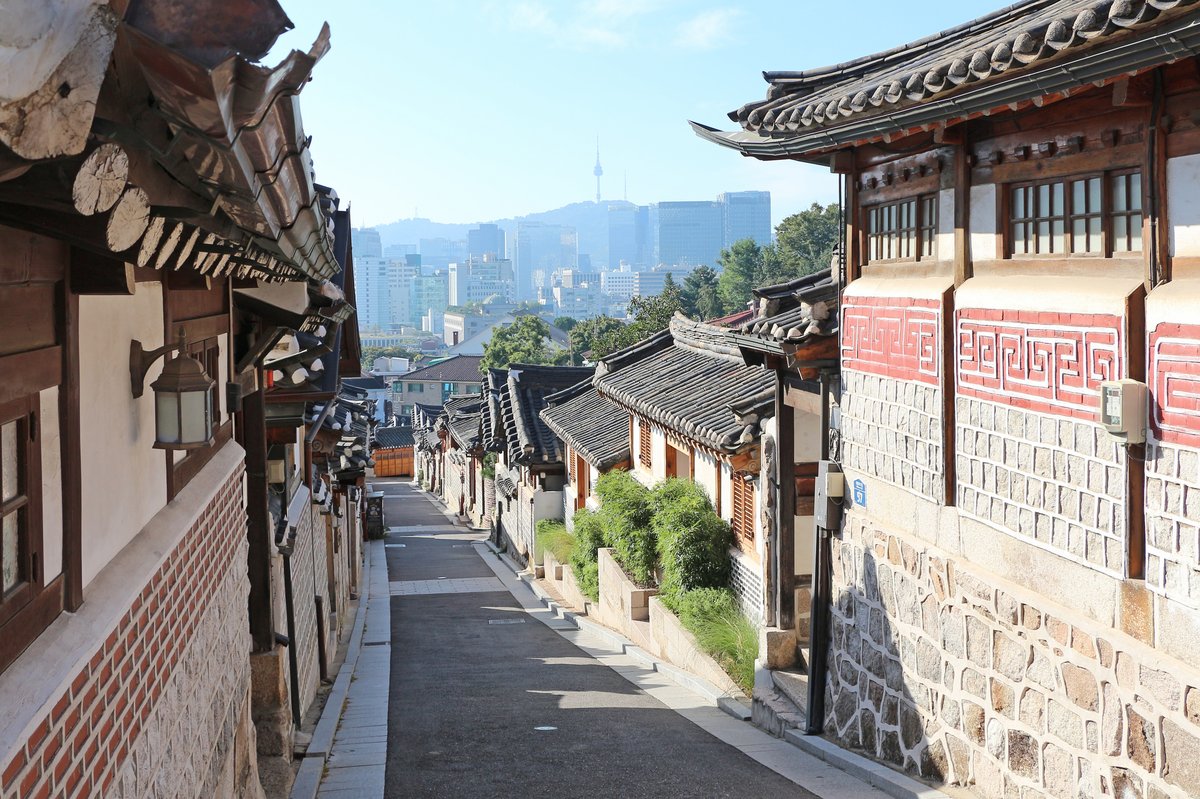
- Seongbuk-dong Hanok Village: Traditional houses and cultural experiences
- Gilsangsa Temple: Historic Buddhist site
- Daehangno Theater District: Hub for performing arts and youth culture
Frequently Asked Questions (FAQ)
Q: What are the Korea University Museum visiting hours?
A: Tuesday to Sunday, 10:00 AM–6:00 PM; closed Mondays and public holidays.
Q: Is there an admission fee?
A: Admission is free; special exhibitions may have a small fee.
Q: How do I get to the museum?
A: By Seoul Subway Line 6 to Korea University Station (Exit 1 or 2), then a short walk; multiple bus routes also serve the area.
Q: Are guided tours available?
A: Yes, in Korean and English (advance booking recommended for groups).
Q: Is the museum wheelchair accessible?
A: Yes, with elevators, ramps, and accessible restrooms.
Q: Can I take photographs inside the museum?
A: Non-flash photography is generally allowed except where posted.
Planning Your Visit: Technology & Media
- Audiala App: Enhance your experience with audio guides, virtual tours, and up-to-date event information
- Online Resources: The museum website offers downloadable maps and virtual tours for pre-visit planning
- Social Media: Follow official channels for announcements on new exhibitions and programs
Listen to the full story in the app
Your Personal Curator, in Your Pocket.
Audio guides for 1,100+ cities across 96 countries. History, stories, and local insight — offline ready.
Audiala App
Available on iOS & Android
Join 50k+ Curators
Sources
- verified
- verified
- verified
- verified
- verified
- verified
- verified
Last reviewed: