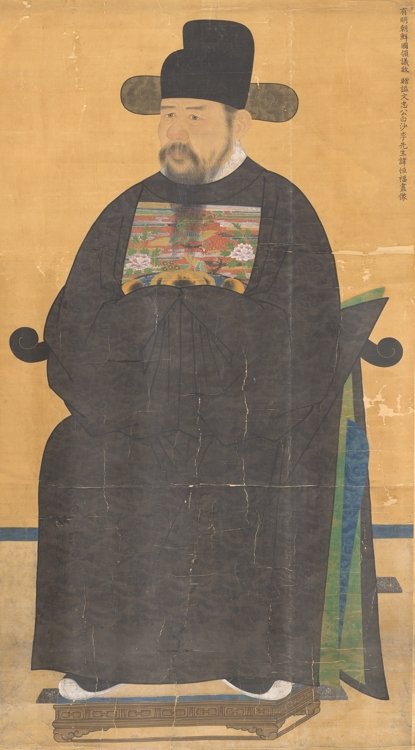
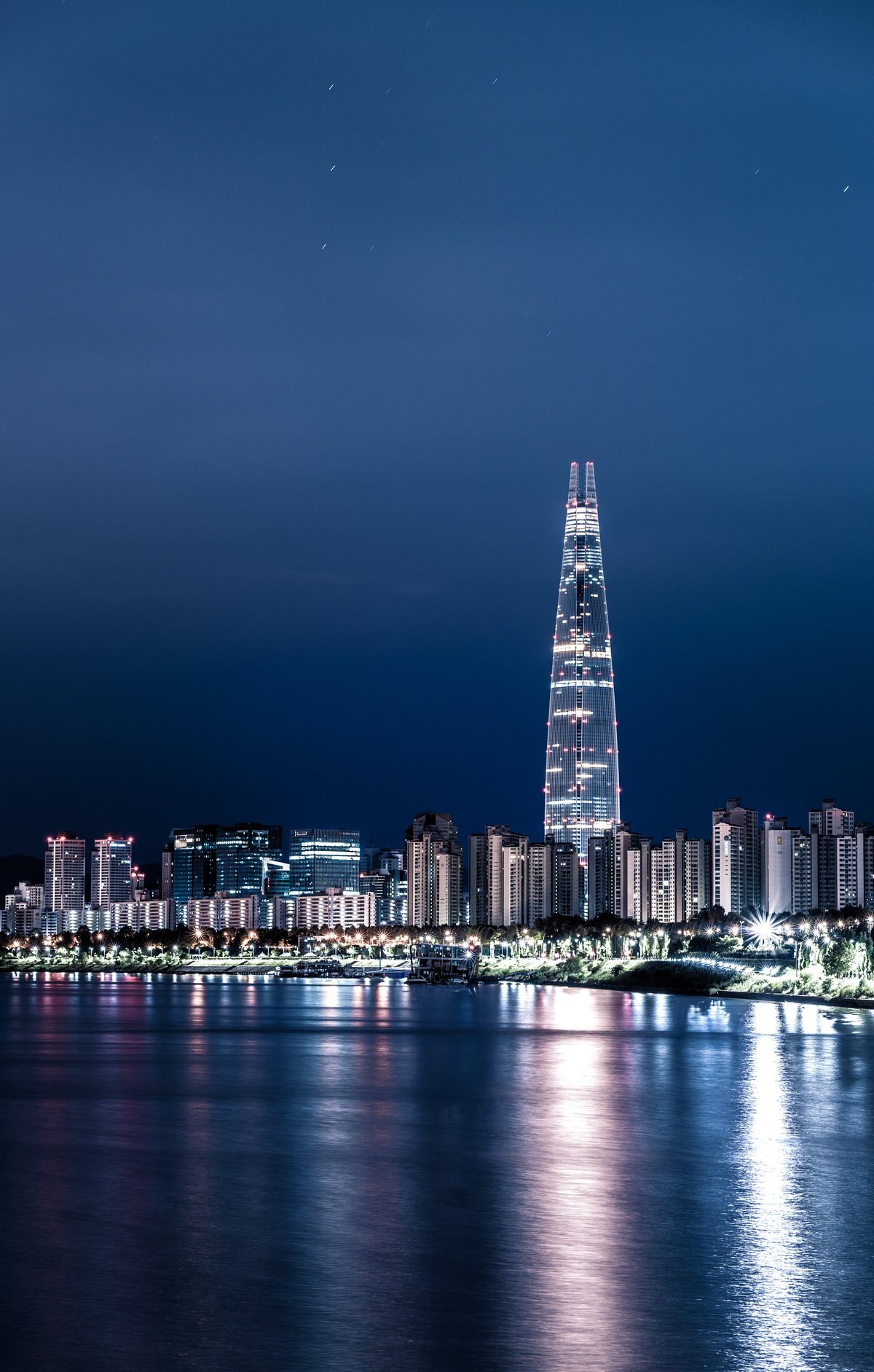
Konkuk University Hospital is a major medical institution in Seoul, combining patient care, medical education, research, and community health initiatives. It was established alongside Konkuk University by Dr. Yoo Suk-Chang, a patriot and visionary educator. Its International Healthcare Center (IHC) offers multilingual support, appointment coordination, and personalized assistance for international patients.
The hospital is near Konkuk University Station on Subway Lines 2 and 7, in southeastern Seoul near the Han River. It is also close to Seoul Forest, Han River Park, and the Konkuk University shopping district. Its accessibility, range of services, and proximity to cultural and urban attractions make it a destination for local residents and international patients.
History and Significance
Konkuk University began as the Chosun Political Science School, established in 1946 by Dr. Yoo Suk-Chang. It was renamed Konkuk University in 1955. The hospital’s development reflects the university’s commitment to combining education, healthcare, and community service.
As a teaching hospital, Konkuk University Hospital provides patient care while training future healthcare professionals. Its academic and clinical work includes medical education, biomedical research, international collaborations, and community outreach. Medical students, residents, and fellows receive training across fifteen colleges and sixty-four departments. Faculty contribute to medical research and are recognized in global rankings.
The Konkuk University Monument commemorates the university’s founders and its role in advancing education and healthcare in Korea. Its architecture combines traditional Korean design with modern influences.
Gyeongbokgung Palace, built in 1395, is the largest of Seoul’s Five Grand Palaces. It was the heart of Korean royal life during the Joseon Dynasty. Destroyed and rebuilt multiple times, the palace is a symbol of Korean resilience.
What to See
Konkuk University Monument
The monument’s gardens and architectural features are photographic spots, especially at sunrise and sunset. Vantage points offer views that contrast the monument with the city skyline.
Gyeongbokgung Palace
The palace grounds include the Geunjeongjeon throne hall, Gyeonghoeru Pavilion, and the National Folk Museum of Korea. The palace’s traditional architecture can be photographed against Bukhansan Mountain. The Lantern Festival and Lotus Lantern Festival offer vibrant scenes, and special nighttime illuminations take place on select occasions.
Visual Gallery


Practical Visiting Information
Konkuk University Hospital
- General visiting hours 9:00 AM to 8:00 PM daily. Department schedules may differ; check with the hospital or its website before visiting.
- Inpatient visiting hours Generally 2:00 PM to 8:00 PM daily. Departmental variations or changes due to health guidelines may apply; check with the IHC for current policies.
- Admission There is no entrance fee. Medical consultations require appointments, which can be made through the hospital website or by phone.
- Getting there Take Subway Line 2 or Line 7 to Konkuk University Station. On-campus parking is available but may be limited during peak hours.
- Accessibility The hospital has ramps, elevators, and accessible restrooms, with staff assistance available on request. International visitors can contact the hospital administration in advance to arrange accommodations.
- Tours and events Regular public tours are not provided, but the hospital occasionally holds educational or informational sessions for prospective students, medical professionals, and international guests. Contact the hospital for current event information.
International Healthcare Center and Patient Services
The IHC is the main resource for international patients. Staff speak English, Chinese, and Japanese, and interpreters are available for other languages. Appointments can be arranged by email, phone, or the hospital’s online portal. The IHC coordinates pre-visit consultations and multi-specialty scheduling.
The hospital offers general medicine, oncology, cardiology, orthopedics, neurology, pediatrics, and plastic surgery. Its technologies include MRI, CT, and robotic surgery systems. Customizable health-screening packages include comprehensive examinations, with results and consultations available in English. A 24/7 emergency department provides acute care; the IHC can also assist with inpatient services, including room selection and communication with families abroad.
- National Health Insurance Foreign residents with NHI pay 30–50% of medical costs. The IHC assists with claims and documentation.
- International insurance Many international insurance plans are accepted, with assistance for claims and pre-authorization.
- Direct payment Itemized billing is available in English. Major credit cards, Korean Won, and international wire transfers are accepted.
International patient support includes a dedicated reception area with multilingual assistance; interpretation for medical communications and translation of documents; airport-transfer, hotel-booking, and public-transportation guidance; and cultural and emotional support. Staff can connect patients with local communities or embassies. Patient rooms range from shared rooms to VIP suites. Free high-speed Wi-Fi is available throughout the hospital, and vegetarian, halal, and Western meal options are available.
The hospital also works with Konkuk University’s international office to support exchange students and visiting scholars, including orientation and insurance guidance.
Konkuk University Monument
- Hours Open daily, 9:00 AM–6:00 PM.
- Admission Free.
- Getting there The monument is near Konkuk University Station on Subway Lines 2 and 7. Parking is available.
- Accessibility The monument is wheelchair-friendly, with ramps and clear pathways. Information boards are provided in Korean and English.
- Events and tours Cultural events and educational programs are frequently held at the monument. Local historians lead guided tours, and multilingual guided tours are available on request. Reservations are recommended for group visits.
For changes due to events or holidays, consult the official Konkuk University website.
Gyeongbokgung Palace
- March–October 9:00 AM–6:00 PM; last admission 5:00 PM.
- November–February 9:00 AM–5:00 PM; last admission 4:00 PM.
- Closed Tuesdays, January 1st, and Lunar New Year’s Day.
- General admission 3,000 KRW.
- Children aged 7–18 1,500 KRW.
- Free admission Children under 6, seniors over 65, and visitors wearing traditional hanbok.
- Purchase tickets online or at the entrance.
Hourly guided tours in Korean and English depart from the main gate, and audio guides are available for self-paced visits. The Changing of the Guard ceremony takes place at 10:00 AM and 2:00 PM. Photography is allowed in most areas; flash and tripods may be restricted in some areas. Some areas are wheelchair accessible, though the historical architecture may limit access in certain sections.
The palace is accessible via Gyeongbokgung Station on Subway Line 3, Exit 5.
Tips
- Wear comfortable shoes for walking at the hospital and sightseeing sites.
- Spring and autumn offer the best weather for sightseeing.
- Public transportation provides access to the hospital and palace.
- Translation apps such as Google Translate and Papago can be useful outside the hospital.
- The hospital maintains 24-hour security. South Korea is widely regarded as a safe country.
- No tipping is required.
- The hospital’s IHC can provide directions and assistance with transportation cards.
- For hospital visiting policies, events, or other changes, check directly with the relevant institution.
Nearby Places
Near Konkuk University Hospital and the monument are Seoul Forest, Han River Park, and the Konkuk University shopping district. Other nearby attractions include:
- Lotte World Tower Offers panoramic views of Seoul.
- Children’s Grand Park Has a zoo, botanical garden, and amusement rides.
- Achasan Mountain Popular for hiking and historic sites.
Near Gyeongbokgung Palace are:
- Bukchon Hanok Village A neighborhood of traditional Korean houses.
- Insadong Art galleries, tea houses, and souvenir shops.
- National Folk Museum of Korea Located within the palace grounds.
Frequently Asked Questions
Konkuk University Hospital
Q: What are the general visiting hours?
A: General visiting hours are 9:00 AM to 8:00 PM. Inpatient visiting hours are generally 2:00 PM to 8:00 PM. Check with the IHC for current information.
Q: Is there an entrance fee?
A: No. The hospital is free to enter; medical appointments require booking.
Q: Are guided tours available?
A: Educational tours may be arranged. Contact the hospital for details.
Q: Is language support offered?
A: Yes. Multilingual staff and interpreters are available.
Q: How do I get there?
A: Take Seoul Metro Lines 2 or 7 to Konkuk University Station, or travel by car.
Konkuk University Monument
Q: What are the opening hours?
A: 9:00 AM to 6:00 PM daily.
Q: Is admission free?
A: Yes.
Q: Are guided tours available?
A: Yes, with prior booking.
Q: Is the monument accessible?
A: Yes. It is wheelchair accessible.
Q: Can I visit during holidays?
A: Usually, but check the official website for exceptions.
Gyeongbokgung Palace
Q: Can I wear hanbok and get free admission?
A: Yes. Visitors wearing hanbok are admitted free.
Q: Are there restrictions on photography?
A: Photography is generally allowed; flash and tripods may be restricted in some areas.
Q: Is the palace wheelchair accessible?
A: Some areas are accessible, but historical architecture may limit access in certain sections.