Introduction: A Blend of Royal Heritage and Modern Learning
Located in the heart of Jongno, one of Seoul’s most historic districts, Jeongdok Public Library is a distinguished cultural landmark. It gracefully merges Korea’s royal past with contemporary educational and community functions. Originally part of the Gyeonghuigung Palace grounds and home to the Jongchinbu building—an architectural relic from 1433—the library offers visitors a rare opportunity to explore centuries of history alongside vibrant community life (Namu Wiki; Visit Korea). The library is a serene urban oasis, renowned for its expansive collections, rare manuscripts, and engaging cultural programming. Its proximity to other major Seoul attractions, such as Bukchon Hanok Village and Gyeongbokgung Palace, makes it a must-visit for locals and tourists alike (Trip.com; Ploy's Little Atlas).
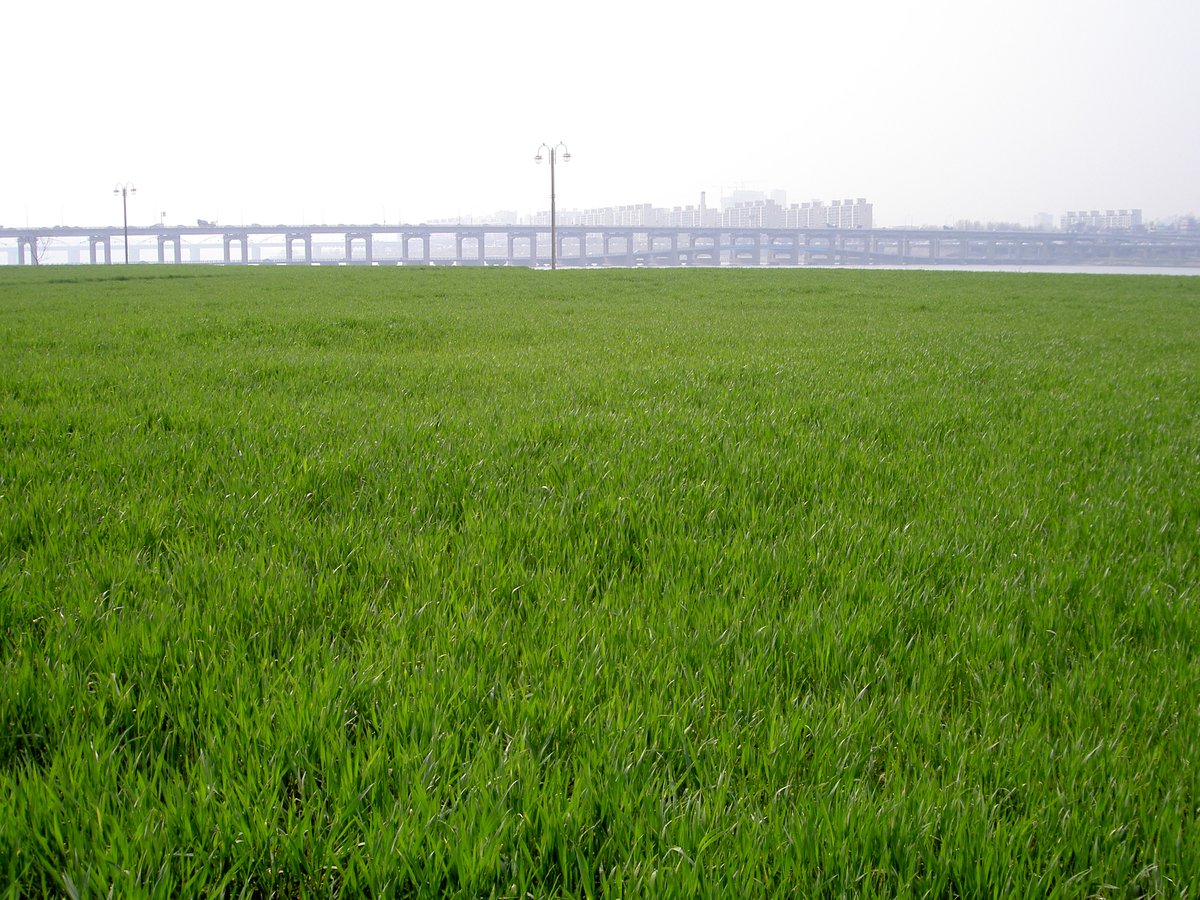
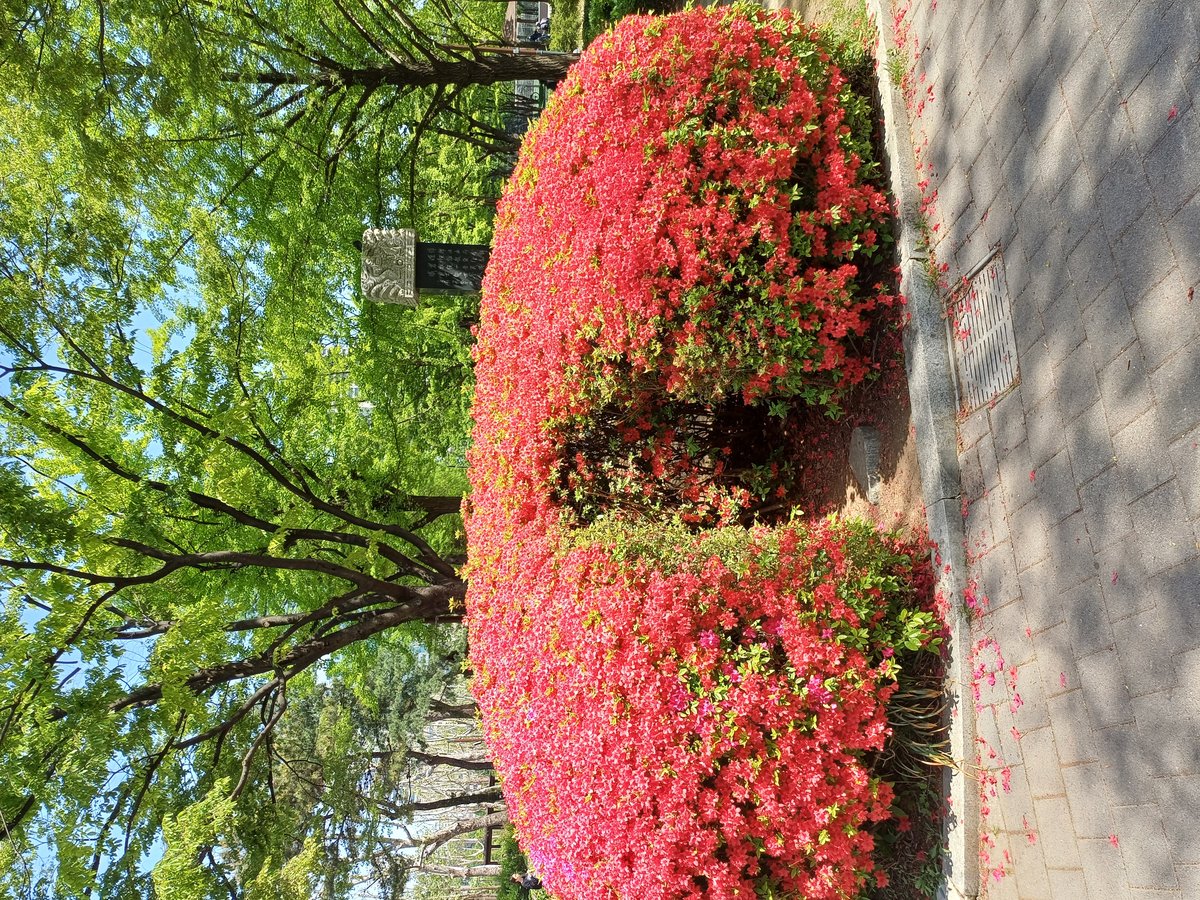
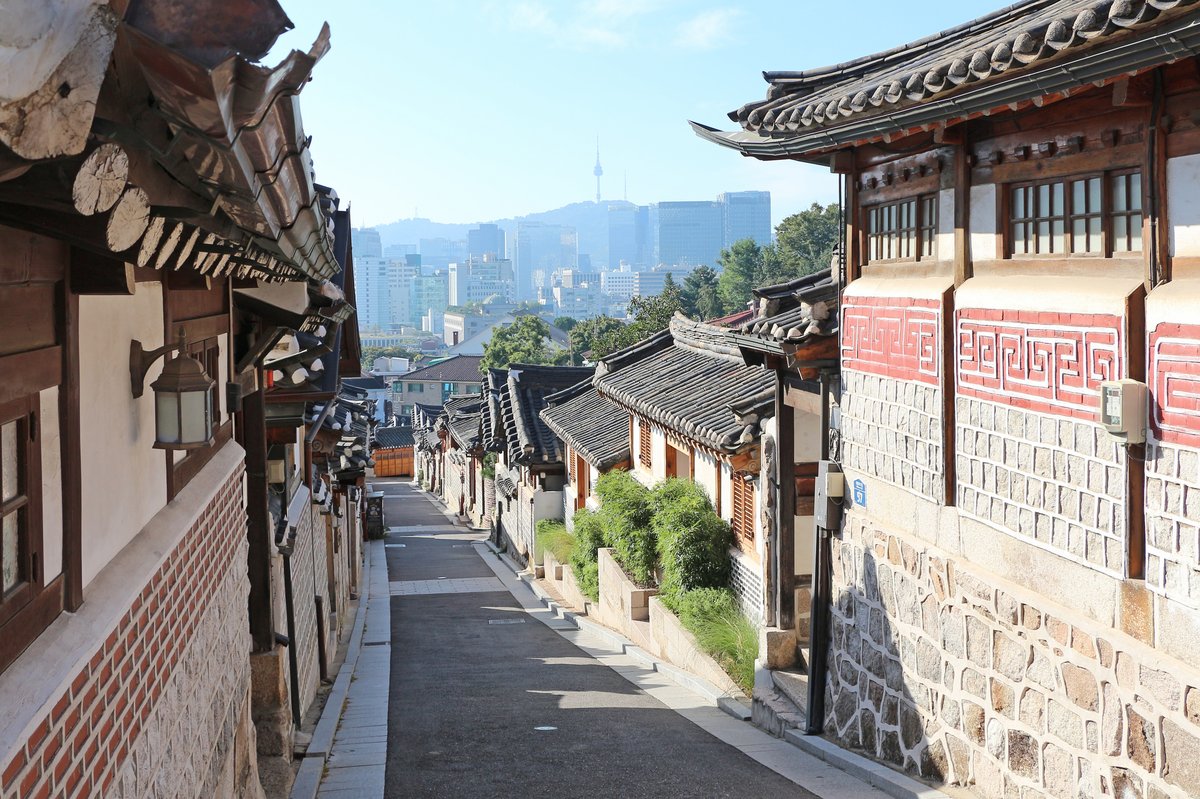
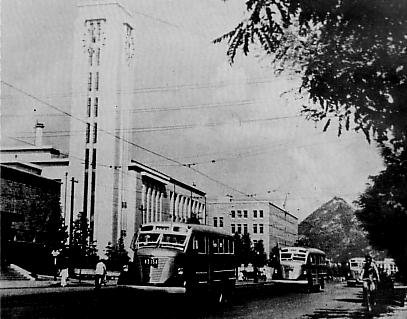
Photo Gallery
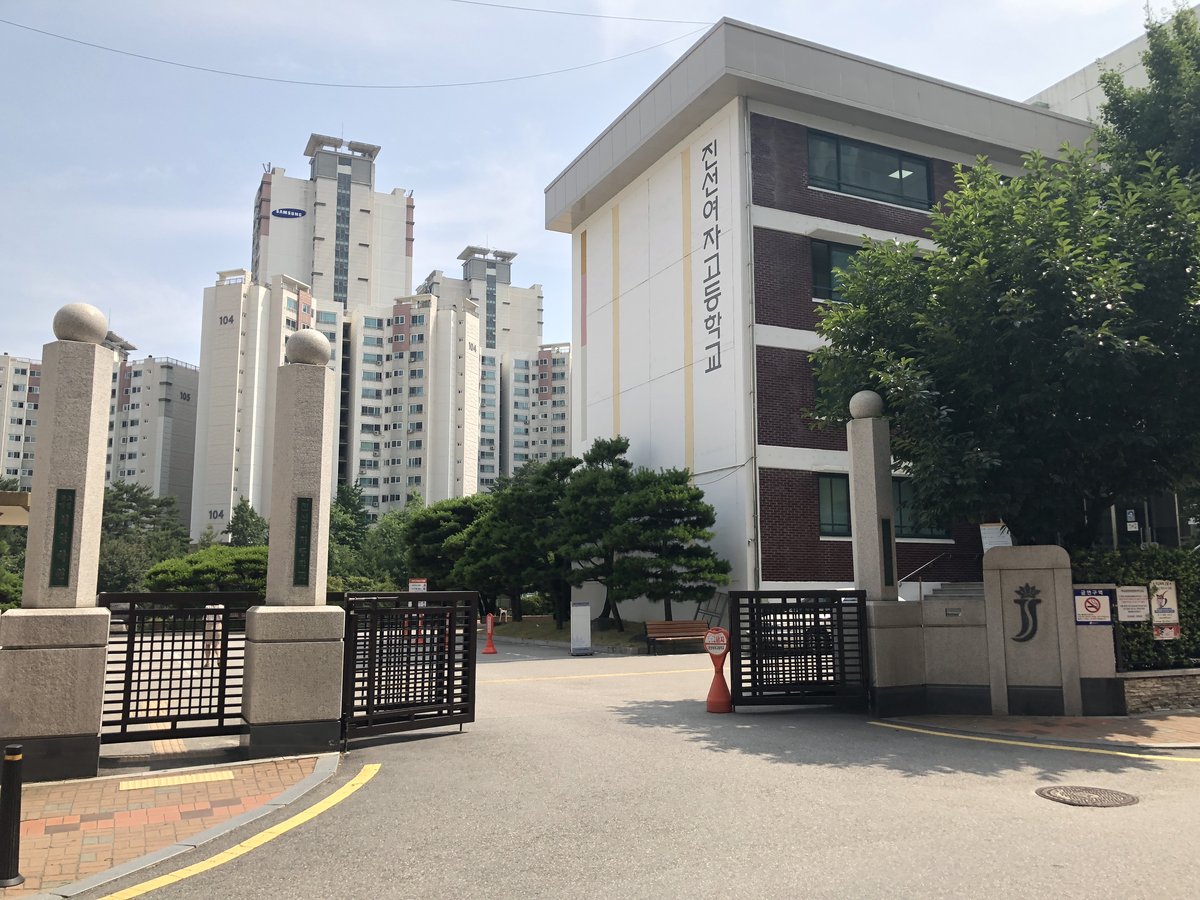
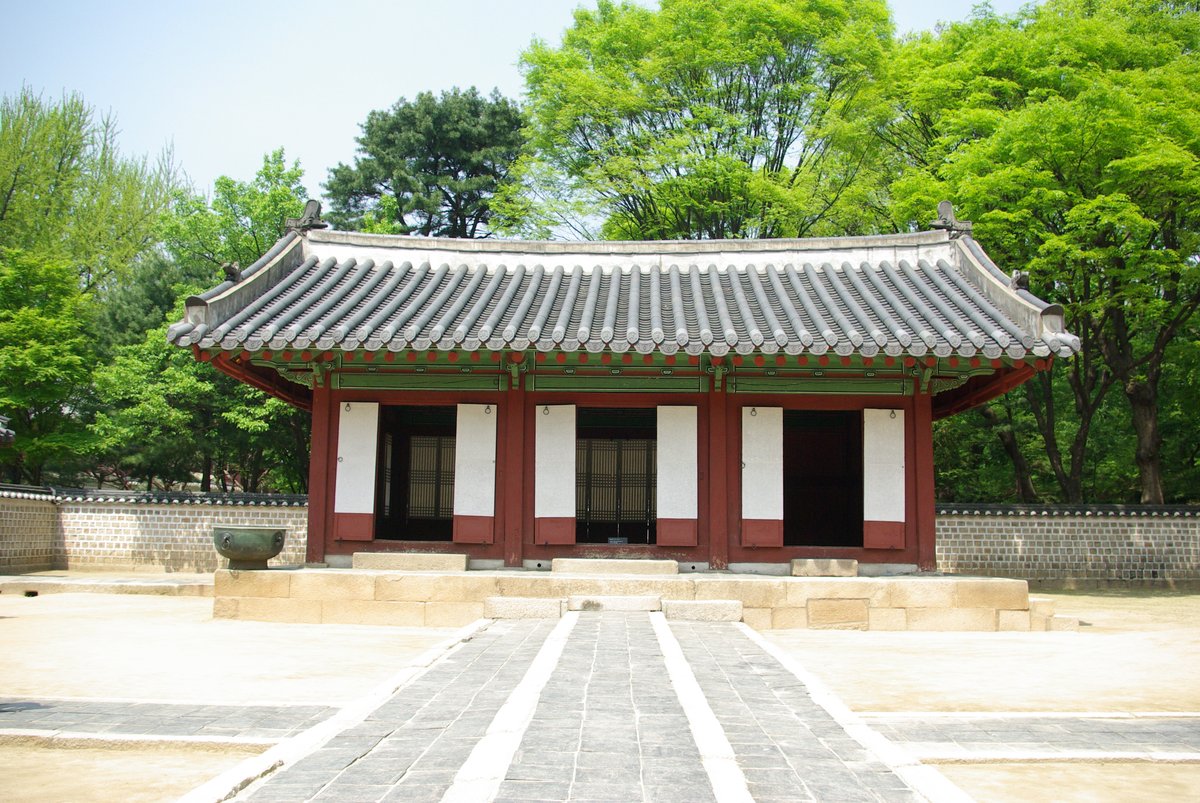
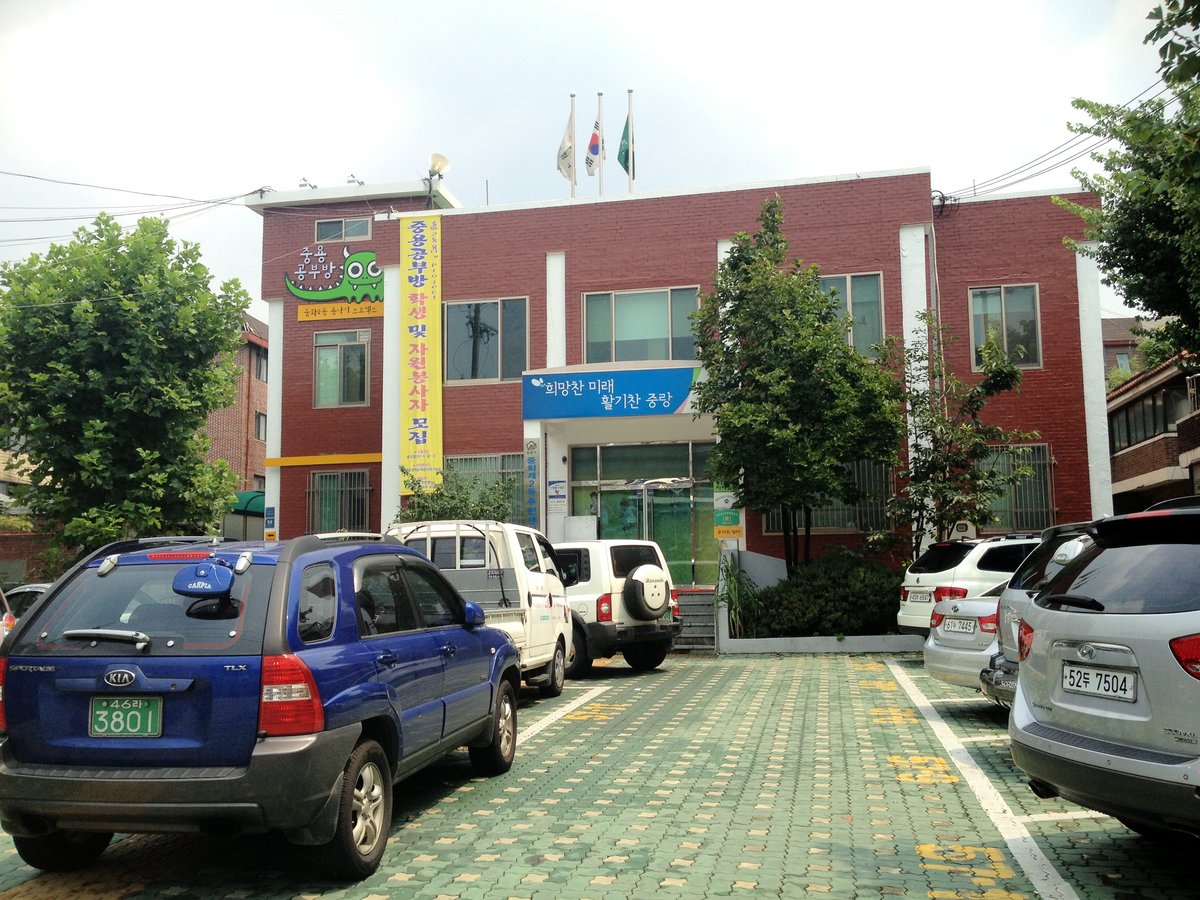
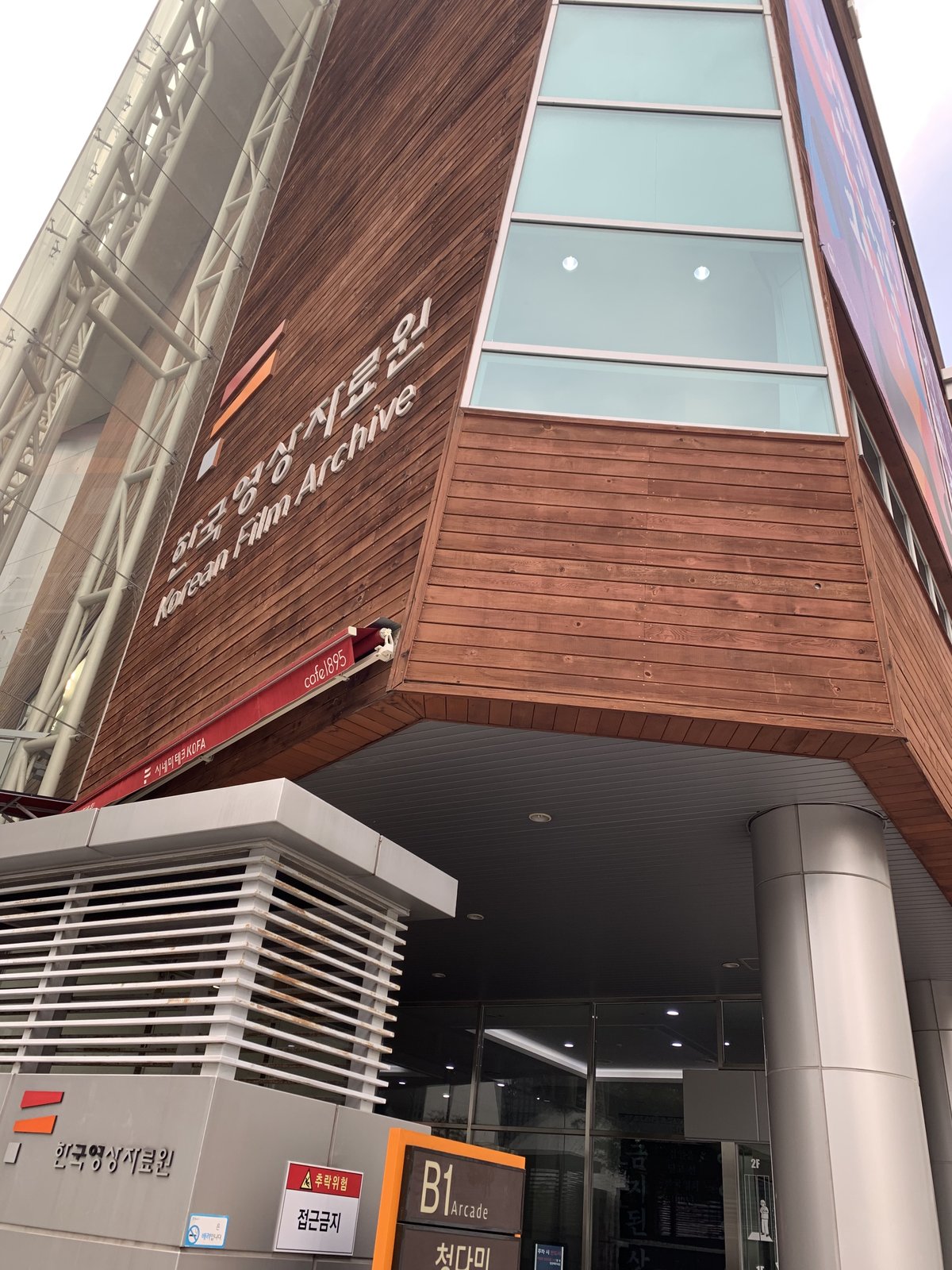
Explore Jeongdok Public Library in Pictures
Library History and Significance
Origins and Early History
Jeongdok Public Library occupies land that was once part of Gyeonghuigung Palace, a significant Joseon Dynasty royal residence. Over time, the site has hosted various educational institutions, including the Kyujanggak Institute and Gyeonggi High School, reflecting a continuum of royal and scholarly heritage (Visit Korea). In 1977, the Seoul Metropolitan Office of Education transformed the grounds into Jeongdok Public Library, preserving its historic core while creating a center for modern learning and civic engagement (Namu Wiki).
Architectural Heritage: Jongchinbu and Modern Facilities
Jongchinbu: A Living Relic
At the library’s heart stands Jongchinbu, built in 1433 during King Sejong’s reign. This building once housed the Office for Royal Family Affairs and remains one of only three surviving Joseon Dynasty government structures in Seoul (Wikipedia). Its dignified wooden construction, raised stone platform, and traditional tiled roof embody early Joseon architecture and Korea’s commitment to heritage preservation (Namu Wiki).
Modern Library Facilities
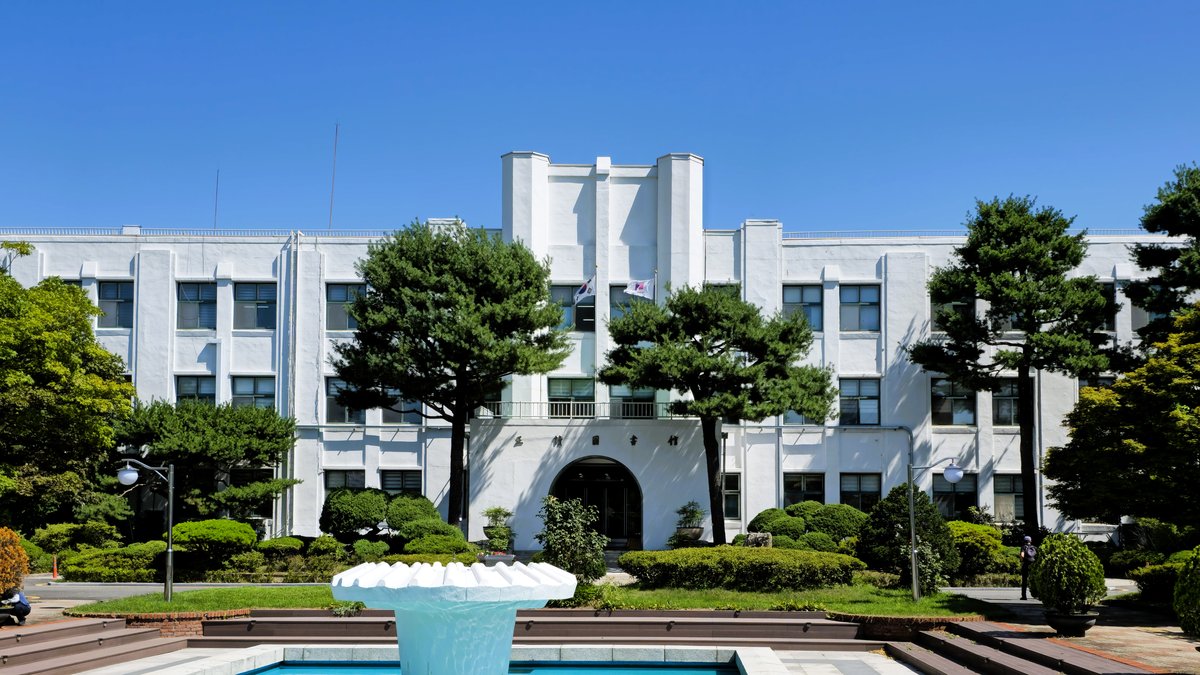
The main library building, constructed in the late 1970s, features expansive windows and open reading areas, creating a bright and welcoming environment. Inside, visitors will find multilingual signage, digital catalogues, and a wide range of study spaces, from quiet reading rooms to group study zones.
Essential Visitor Information
Visiting Hours and Admission
- Monday–Friday: 9:00 AM – 8:00 PM (some sources indicate until 9:00 PM—check official site before visiting)
- Saturday & Sunday: 9:00 AM – 6:00 PM
- Closed: Public holidays and the first Monday of every month
Admission: Free for all visitors, including access to the Jongchinbu building.
Ticketing and Guided Tours
There is no admission fee. Guided tours in Korean and English are occasionally available, focusing on the library’s history and architecture. Check the library’s website or event calendar for tour schedules.
Accessibility and Amenities
- Entrances, elevators, and restrooms are accessible for wheelchair users and those with limited mobility.
- Free Wi-Fi is available throughout the building.
- Quiet reading areas and a café offer comfortable spaces for relaxation.
- Lockers are provided for personal belongings.
Travel Tips for Visitors
- Timing: Arrive early on weekends or during cherry blossom season to enjoy a peaceful visit.
- Respectful Conduct: Maintain silence in designated quiet zones and reading rooms.
- Photography: Outdoor photography is encouraged, especially during cherry blossom season; indoor photography is generally restricted.
- Combine with Other Sites: The library is within walking distance of Bukchon Hanok Village, Gyeongbokgung Palace, and Insadong.
Seasonal and Cultural Events
Jeongdok Public Library is renowned for its cherry blossom displays in April, offering a tranquil alternative to more crowded viewing spots (Trip.com; Creatrip). Autumn brings vibrant foliage, making the outdoor park a favorite for locals and visitors alike.
The library hosts a robust calendar of cultural programs:
- Monthly lectures by authors and scholars
- Book clubs, reading seminars, and children’s programs
- Art exhibitions and photographic displays
- Outdoor concerts and movie screenings
Many events are free or low-cost and accessible to international visitors (Visit Korea; Seoul Insider’s Guide; Ploy's Little Atlas).
Nearby Seoul Attractions
- Bukchon Hanok Village: Traditional houses and artisan studios.
- Samcheong-dong: Art galleries, boutiques, and cafes.
- Gyeongbokgung & Changdeokgung Palaces: Major royal palaces with gardens and cultural events.
- Insadong: Historic district for tea houses, antiques, and crafts.
- Naksan Park & Ihwa Mural Village: Street art and panoramic city views (HeyRoseanne).
Accessibility Services
Jeongdok Public Library is committed to inclusivity:
- Step-free entrances and wide, accessible paths.
- Elevators and ramps throughout the facility.
- Accessible restrooms on all floors.
- Nearby subway stations (Anguk and Jongno 3-ga) feature elevators and tactile paving (Visit Seoul).
- Seoul Danurim Tourism Center offers rental of wheelchairs, strollers, and portable ramps (Seoul Danurim).
Frequently Asked Questions (FAQ)
Q: What are the library’s opening hours?
A: Monday–Friday, 9:00 AM–8:00 PM (sometimes until 9:00 PM); Saturday–Sunday, 9:00 AM–6:00 PM; closed on public holidays and the first Monday of each month.
Q: Is there an admission fee?
A: No, admission to the library and grounds is free.
Q: Are guided tours available?
A: Occasionally, in Korean and English. Check the official website for details.
Q: Is the library wheelchair accessible?
A: Yes, the library and grounds have step-free access, elevators, and accessible restrooms.
Q: How do I get there by public transport?
A: The nearest subway stations are Anguk (Line 3, Exit 2, 10-minute walk) and Jongno 3-ga (Lines 1, 3, 5). Many city buses also serve the area.
Q: Can I borrow books as a visitor?
A: Borrowing is generally limited to residents, but temporary memberships may be available—ask at the information desk.
Plan Your Visit
Jeongdok Public Library stands as a testament to Seoul’s enduring commitment to cultural preservation, education, and community engagement. Whether you are drawn by the beauty of cherry blossoms, the quiet ambiance for study, or the site’s deep historical roots, the library offers a distinctive experience in the capital’s cultural landscape.
Check the official website and tourism platforms for the latest updates on visiting hours, special events, and accessibility services. For more Seoul travel inspiration and detailed guides, explore our related articles, follow us on social media, and download the Audiala app for real-time tips and curated cultural itineraries.
Listen to the full story in the app
Your Personal Curator, in Your Pocket.
Audio guides for 1,100+ cities across 96 countries. History, stories, and local insight — offline ready.
Audiala App
Available on iOS & Android
Join 50k+ Curators
Sources
- verified
- verified
- verified
- verified
- verified
- verified
- verified
Last reviewed: