
Historical Background and Significance
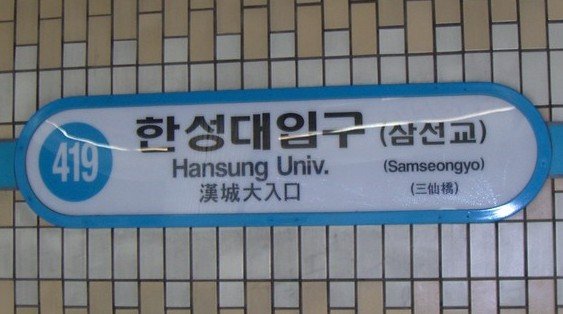
Hansung University Station opened on April 20, 1985, amid Seoul’s rapid urban expansion and modernization in the years leading up to the 1988 Summer Olympics. Its development coincided with the growth of Hansung University, founded in 1972, and the transformation of Seongbuk-dong into a thriving student and cultural area. The station’s subname, Samseongyo, references the nearby Samseongyo Bridge—historically a significant commercial and transportation hub. (Namu Wiki)
Today, Hansung University Station serves as a crucial connector for students of Hansung University and the Holy Spirit Campus of the Catholic University of Korea, while also providing access to a wealth of cultural, historical, and recreational sites. Urban renewal efforts have brought a vibrant mix of cafes, boutiques, and artistic spaces to the area, reflecting Seoul’s blend of tradition and modernity. (Lingointransit; Creatrip; The Seoul Guide)
Station Access, Layout, and Accessibility
Location
- Address 116 Samseongyo-ro, Seongbuk-gu, Seoul
- Line Seoul Subway Line 4 (station code 419)
- Nearby Bus Stops Samseongyo.Seongbuk Culture Center, Samseongyo.Hansung University
Layout
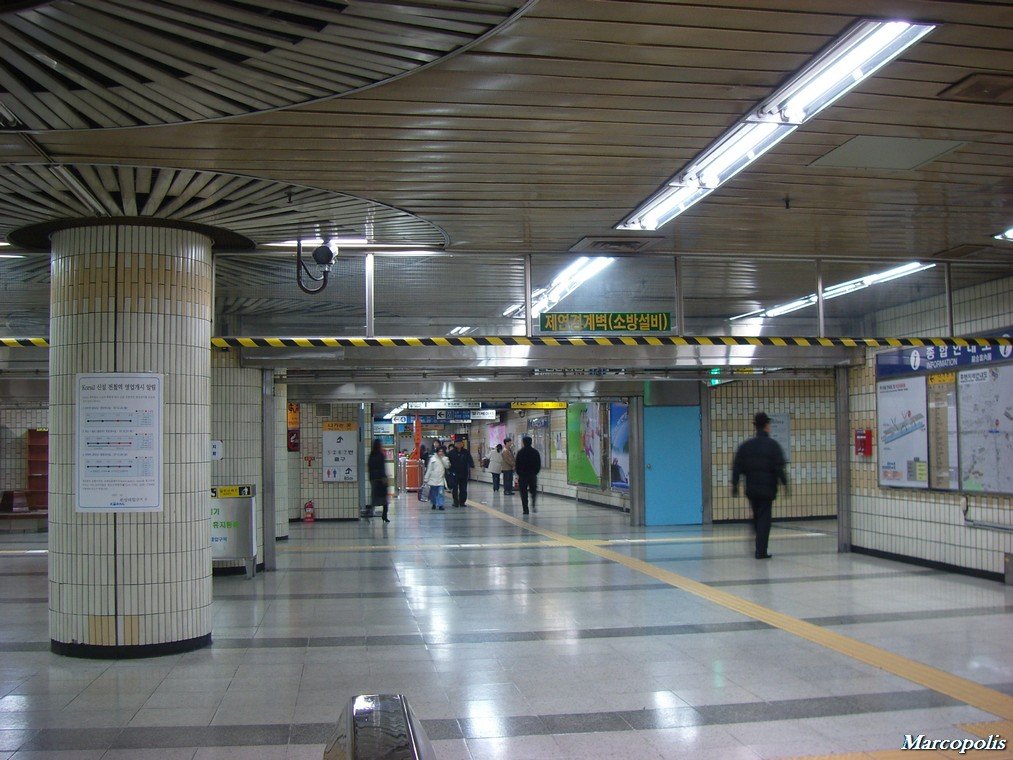
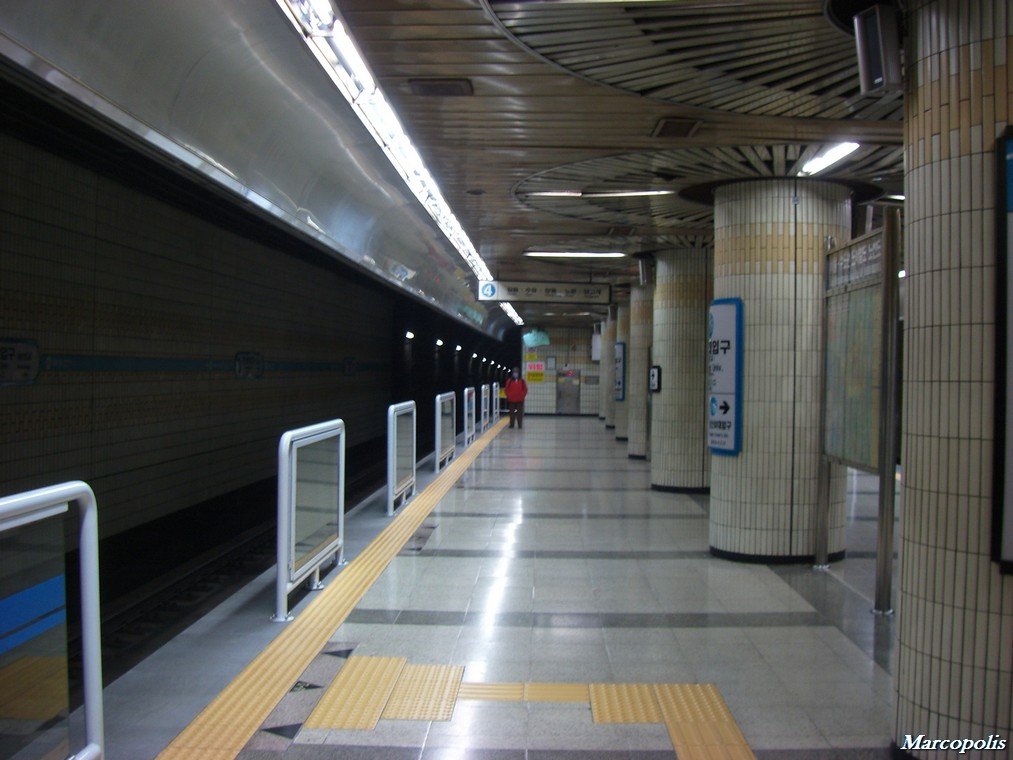
The station is an underground, two-level facility:
- B1 Level Ticketing concourse, convenience stores, customer service desk
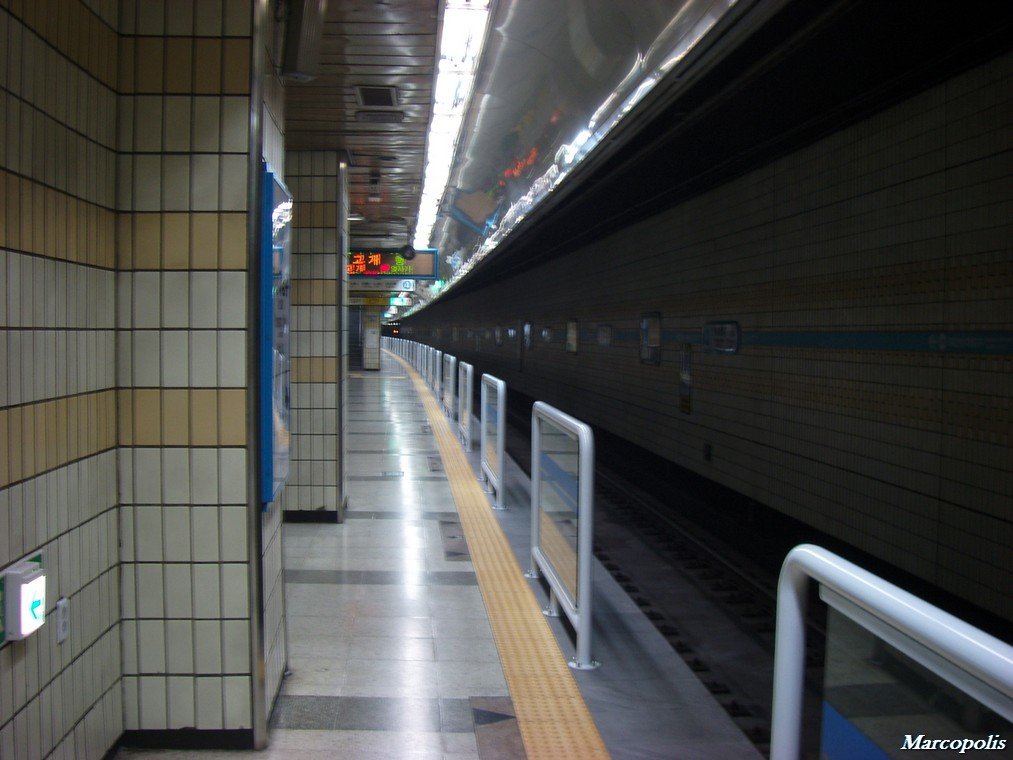
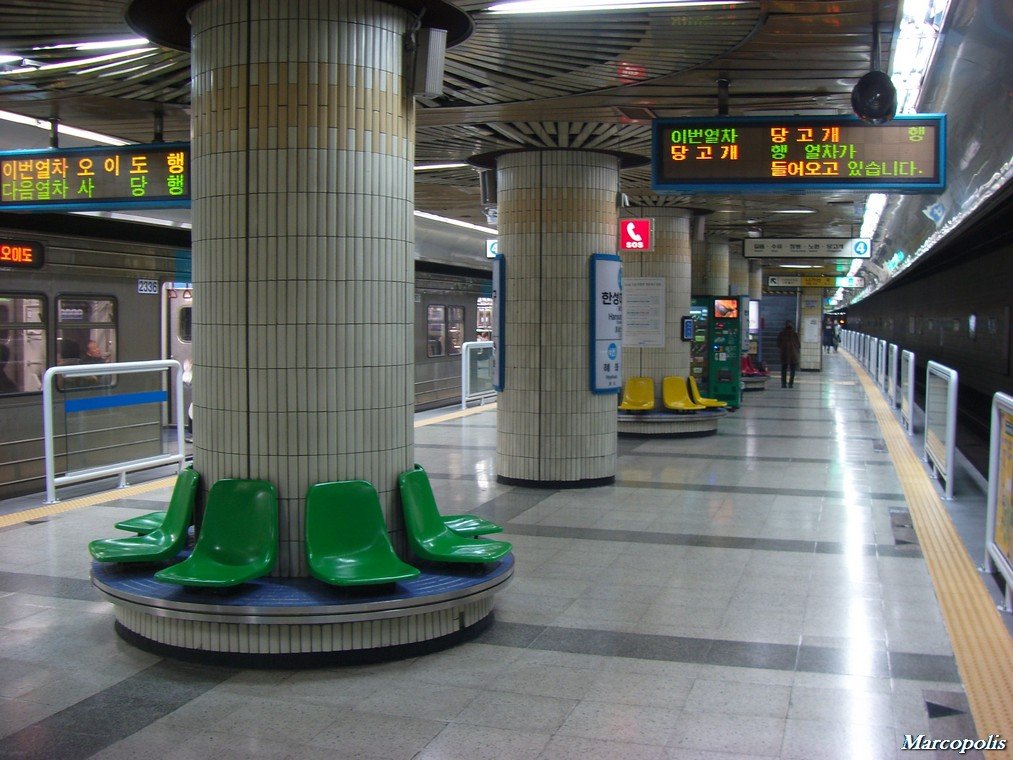
- B2 Level Side platforms for Line 4 trains
Multiple exits provide easy access to local attractions:
- Exit 4 Best for Naksan Mountain Trail and Ihwa Mural Village
- Exit 6 Closest to Gilsangsa Temple
Accessibility
Hansung University Station is fully equipped to serve travelers with diverse needs:
- Elevators and escalators between all levels and main exits
- Tactile paving for the visually impaired
- Wheelchair-accessible restrooms
- Bilingual (Korean/English) signage throughout
Visiting Hours and Ticketing Information
Station Operating Hours
- Opening Approximately 5:30 AM
- Closing Around midnight (varies by day and last train schedules)
Train Frequency
- Peak hours Every 3–5 minutes
- Off-peak Every 6–8 minutes
Ticketing Options
- Single-ride tickets Purchase at automated kiosks (KRW 1,250–1,450 for short distances)
- T-money Card Rechargeable transportation card usable on all Seoul subways and buses; available at station kiosks and convenience stores (Seoul Metro)
- Discover Seoul Pass Combines T-money functionality with free or discounted entry to attractions and a one-way AREX airport train ticket (Travel Stained)
Fare Details
- Standard subway fare From KRW 1,400 (approx. USD 1.10), increases with distance
- Transfers Free or discounted within time limits using T-money or Discover Seoul Pass
Facilities and Amenities
- Information Desk Staffed during operating hours; English assistance available
- Restrooms Clean, accessible, with baby-changing facilities
- Convenience Stores GS25, 7-Eleven, CU for snacks, drinks, SIM cards, and essentials
- ATMs Located near main exits
- Free Public Wi-Fi Throughout the station (Travel Stained)
- Vending Machines For drinks and light snacks
- Security CCTV, platform screen doors, emergency call buttons
Nearby Historical and Cultural Sites
Hyehwamun Gate (Honghwamun Gate)
- History Built in 1396, reconstructed in 1992, originally a northern gate in the Seoul Fortress Wall
- Access Line 4, Exit 5; U-turn and walk 3 minutes (The Seoul Guide)
- Hours 9:00 AM – 6:00 PM
- Admission Free
Naksan Park & Seoul City Wall
- Features Panoramic city views, walking trails along the historic fortress wall (Seoul City Wall Naksan Mountain Trail)
- Access Exit 4, 5-minute walk
Ihwa Mural Village
- Description Artistic neighborhood with murals and sculptures by local artists
- Tip Respect local residents; keep noise low and avoid trespassing (The Soul of Seoul)
Gilsangsa Temple
- Access Exit 6, free shuttle or a 20-minute uphill walk (The Seoul Guide)
Daehangno and Marronnier Park
- Culture Theaters, live performances, art galleries, and a lively student scene
- Philippine Market International street food and goods on weekends
Hansung University Campus
- Access Direct from the station; open for walks during daylight hours
Dining, Shopping, and Local Experiences
Food and Cafés
- Local Eateries Affordable Korean meals (bibimbap, tteokbokki, kimbap) for ₩5,000–₩10,000
- Themed Cafés Cat, board game, and study cafés popular with students (Seoul Korea Asia)
- International Cuisine Filipino, Japanese, Western options near Daehangno
Shopping
- Convenience Stores and Supermarkets GS25, 7-Eleven, CU
- Boutique Shops Fashion, stationery, and accessories favored by students
Parks and Green Spaces
- Naksan Park Hiking, picnics, and views
- Marronnier Park Outdoor performances, shaded benches
Cultural Events
- Theaters Small venues for plays, musicals, dance (many with English-friendly performances)
- Street Performances & Festivals Especially active on weekends and during university events
Transit Connections and Practical Tips
Subway and Bus Connectivity
- Key Subway Transfers Dongdaemun (Line 1 & 4), Dongdaemun History & Culture Park (Lines 2 & 5), Seoul Station (KTX, AREX for airport)
- Bus Lines Blue (140, 143, 160, 171, 172, 301), Green (2112, 1111), Night (N16)
- Buses run every 5–15 minutes; night bus offers 24-hour coverage (Moovit)
Practical Tips
- Best Visiting Times Mid-morning or early afternoon on weekdays to avoid commuter crowds
- Navigation Use the Audiala or Moovit app for real-time transit updates
- Footwear Wear comfortable shoes for hilly terrain and walking tours
- Payment Credit cards and T-money widely accepted; cash useful for street food
- Safety Well-lit, patrolled, and considered safe even at night
Frequently Asked Questions (FAQ)
Q: What are the station’s operating hours?
A: Approximately 5:30 AM to midnight daily.
Q: How do I purchase tickets?
A: Use automated kiosks for single rides or buy/reload a T-money card or Discover Seoul Pass.
Q: Is the station accessible for travelers with disabilities?
A: Yes; features include elevators, tactile paving, and accessible restrooms.
Q: Which attractions are within walking distance?
A: Naksan Park, Ihwa Mural Village, Hyehwamun Gate, Daehangno, and Hansung University campus.
Q: Where can I store luggage?
A: No lockers at Hansung University Station; use Seoul Station for storage.
Discover More
Hansung University Station is not just a transportation hub; it’s your entry point into one of Seoul’s most dynamic districts. From scenic walks along the Seoul City Wall to lively student cafés and historic temples, the area offers a compelling mix of old and new. With excellent subway and bus connections, accessible facilities, and a multitude of nearby attractions, this station is ideal for students, tourists, and locals alike.
Plan your journey today: Download the Audiala app for real-time subway and bus updates, check out our related guides for deeper exploration of Seoul, and follow us on social media for fresh travel tips and inspiration. Start your adventure at Hansung University Station—where Seoul’s tradition and innovation meet.