Ancient Foundations: The Baekje Kingdom and Hanseong’s Birth
The Hanseong Baekje area is deeply rooted in the legacy of the Baekje Kingdom (18 BCE–660 CE), one of Korea’s renowned Three Kingdoms. Legend holds that King Onjo, Baekje’s founder, established his capital at Wiryeseong after following a white deer into the Han River basin—a symbol of prosperity and auspiciousness (World City History). Archaeological evidence confirms that settlements flourished here as early as 4,000 BCE, taking advantage of fertile land and natural fortifications (Open Korea).
Strategic Importance: Trade, Culture, and Urban Growth
The Han River area, where Hanseong Baekje Station now stands, became a crucial trade artery during Baekje’s reign. It connected inland Korea to the West Sea, supporting commerce, cultural exchange, and the distribution of agricultural products. The area’s strategic value persisted through the Goryeo and Joseon dynasties, solidifying its role as a political and economic hub (Open Korea).
Mongchontoseong Fortress and Archaeological Heritage
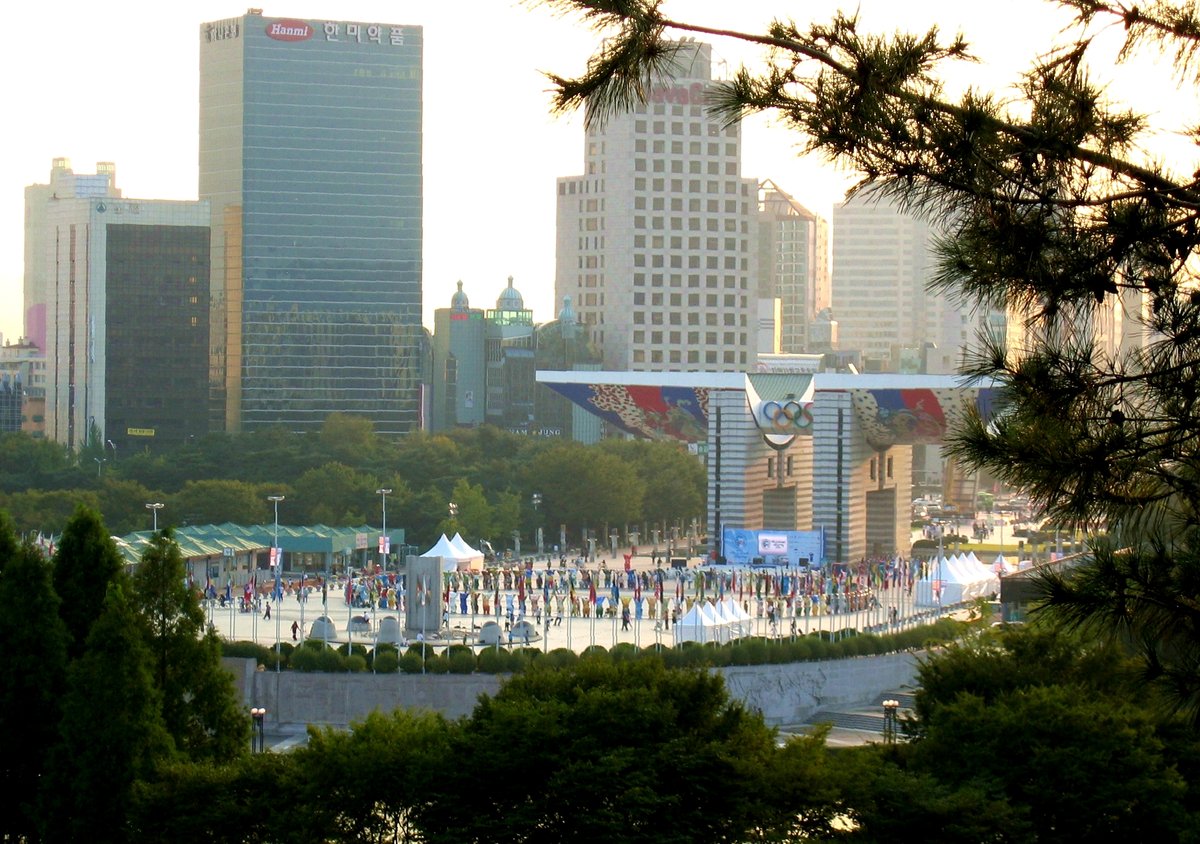
A defining feature near Hanseong Baekje Station is Mongchontoseong Fortress—an expansive earthen rampart dating to the Baekje era. Situated within Olympic Park, this fortress functioned as a defensive stronghold and administrative nexus. Excavations have uncovered pottery, tools, and weapons, illuminating the daily life and military prowess of Baekje society. These artifacts are preserved at the Seoul Baekje Museum (Visit Korea; Visit Seoul).
Seoul Baekje Museum: Preserving the Past
Opened in 2012, the Seoul Baekje Museum stands as a modern gateway to ancient history. Overlooking Mongchontoseong Fortress, the museum offers free admission to its permanent exhibition, which features Baekje-era relics, interactive displays, and a 4D theater experience. Educational programs and workshops engage visitors of all ages, while multilingual guides and signage make the content accessible to international guests (Visit Seoul; Seoul Baekje Museum).
Visiting Hanseong Baekje Station: Hours, Tickets, and Accessibility
Location & Connectivity
- Address 99, Baekjegobun-ro, Songpa-gu, Seoul
- Subway Line Line 9 (gold line), with direct links to Gangnam, Yeouido, and Gimpo Airport (Wikipedia)
- Nearby Transfers Olympic Park Station (Line 5) is one stop away; multiple bus routes serve the area
Operating Hours
- Station Open daily from ~5:30 AM to midnight
- Seoul Baekje Museum Tuesday–Sunday, 9:00 AM–6:00 PM (closed Mondays and public holidays)
- Mongchontoseong Fortress Open daily, 9:00 AM–6:00 PM (extended hours in summer)
Ticketing & Fares
- Subway Use a T-money card (KRW 1,400 base fare) or single-journey tickets. Cards available at station kiosks and convenience stores.
- Museum/Fortress Free admission for permanent exhibitions; some special programs may require tickets.
Accessibility
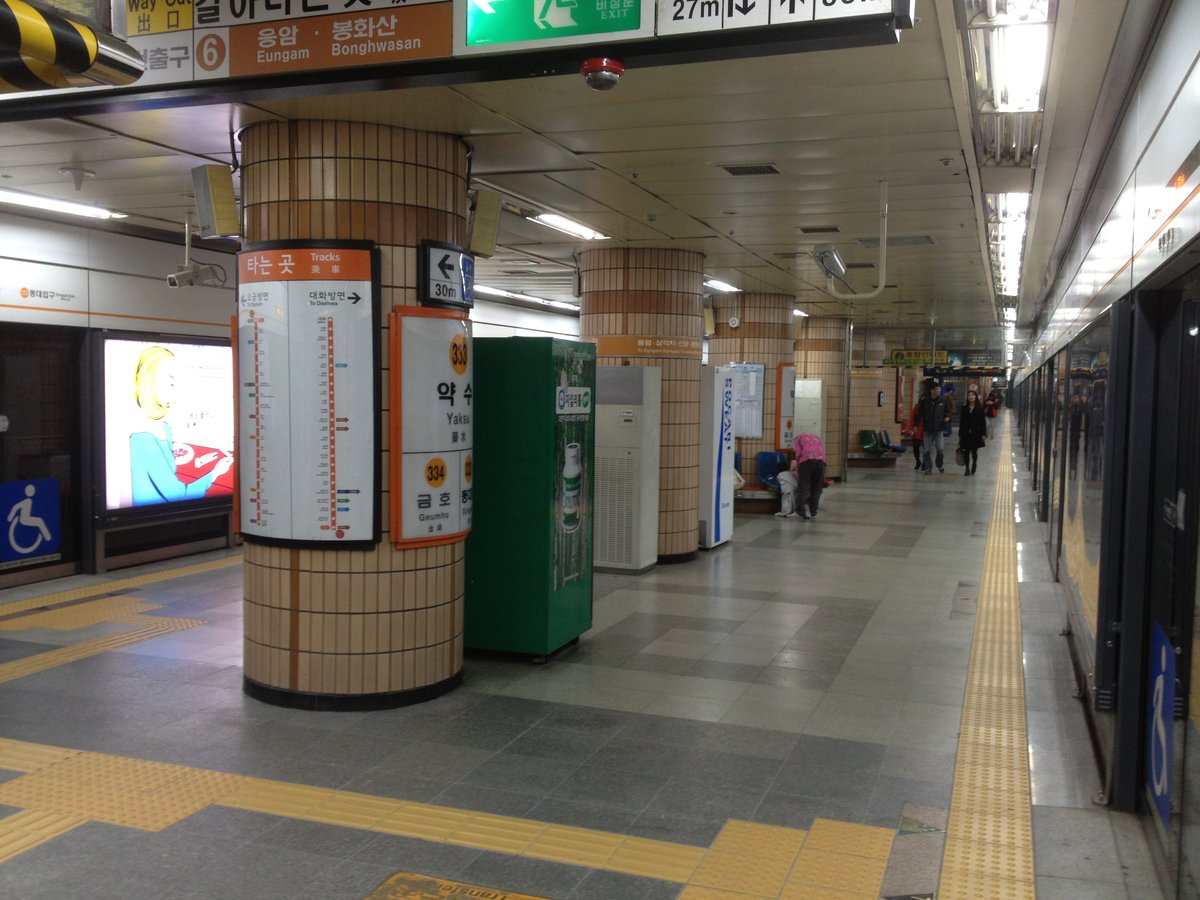
- Elevators, ramps, tactile paving, and accessible restrooms throughout the station and nearby attractions (Visit Seoul - Accessibility)
- Multilingual signage (Korean, English, Chinese, Japanese)
- Wheelchair and stroller rental available at museum and information desks (Seoul Danurim)
Station Amenities
- Automated ticketing and fare adjustment machines
- Clean, accessible restrooms and family facilities
- Convenience stores, ATMs, and lockers for luggage storage
- Staffed information desks with basic English support
Nearby Attractions and Seasonal Events
Olympic Park
A five-minute walk from the station, Olympic Park offers themed zones, art installations, lakes, and sports facilities. It is a popular spot for walking, cycling, and seasonal floral festivals including the Rose Festival (June) and Cosmos Festival (September) (Visit Seoul).
Lotte World Tower & Mall
Accessible via Line 2 (Jamsil Station), Lotte World Tower is Korea’s tallest building, with an observatory, luxury shopping, aquarium, and entertainment venues (Lotte World Tower).
Songpa Naru Park (Seokchon Lake)
Famous for its cherry blossom festival in April, this lakeside park offers walking paths, swan boats, and is close to Lotte World Adventure theme park (Visit Seoul).
Han River Parks
Enjoy riverside activities, night cruises, and summer festivals at the Han River parks, reachable by subway or bus (Korea Journey).
Cultural Events
- Summer (July) Night cruises, street food night markets, open-air concerts (Korea Journey)
- Hanseong Baekje Cultural Festival Traditional performances and workshops in September (Visit Korea - Festival)
Dining, Shopping, and Local Experiences
- Nearby Food Traditional Korean restaurants, cafés, and dessert shops around Bangi-dong and Olympic-ro
- Shopping Jamsil Underground Shopping Center and Lotte World Mall for fashion and souvenirs
- Family Activities Lotte World Adventure amusement park, playgrounds in Olympic Park and Seokchon Lake Park
- Hanbok Rental Available near museums and palaces, often with discounted entry (Korea Travel Planning)
- Cultural Experiences Hanok villages, K-pop cafés, and craft workshops in nearby districts (Korea Journey)
Practical Travel Tips
- Plan Early Visit on weekday mornings to avoid crowds
- Weather Dress appropriately—summer is hot and humid, spring and autumn are mild
- Navigation Use Naver Map or KakaoMap for transit, and translation apps for communication
- Payments T-money or credit card for most transactions; carry cash for small vendors
- Wi-Fi/SIM Free Wi-Fi in stations; SIM cards/portable Wi-Fi available at airports
- Safety CCTV, emergency call points, and lost & found at the station
- Etiquette Queue in lines, keep noise low, and offer priority seating to those in need
Frequently Asked Questions (FAQ)
Q1: What are Hanseong Baekje Station’s operating hours?
A1: Trains run from approximately 5:30 AM to just after midnight daily.
Q2: Do I need a separate ticket for Hanseong Baekje Station?
A2: Subway fare or T-money card is sufficient; no extra ticket is required.
Q3: Are the historical sites accessible for people with disabilities?
A3: Yes, the station and major attractions feature ramps, elevators, and tactile paving.
Q4: Are guided tours available?
A4: Yes, for Mongchontoseong Fortress and Seoul Baekje Museum—book in advance.
Q5: What is the best time to visit to avoid crowds?
A5: Early mornings and weekdays are quieter; weekends and festival days are busier.