Plan and listen to Hangang Railway Bridge with Audiala.
Audio guide in your pocket, itinerary in your browser. Built for the way you actually visit.
Introduction
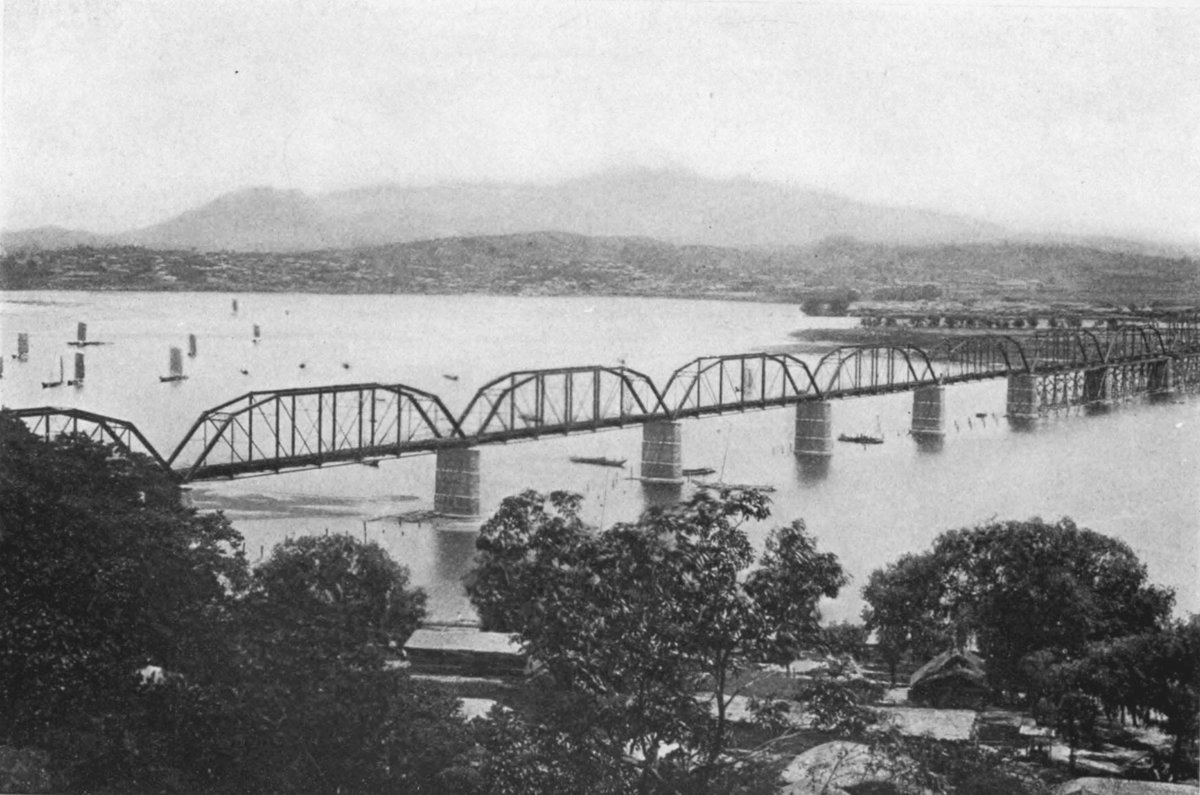
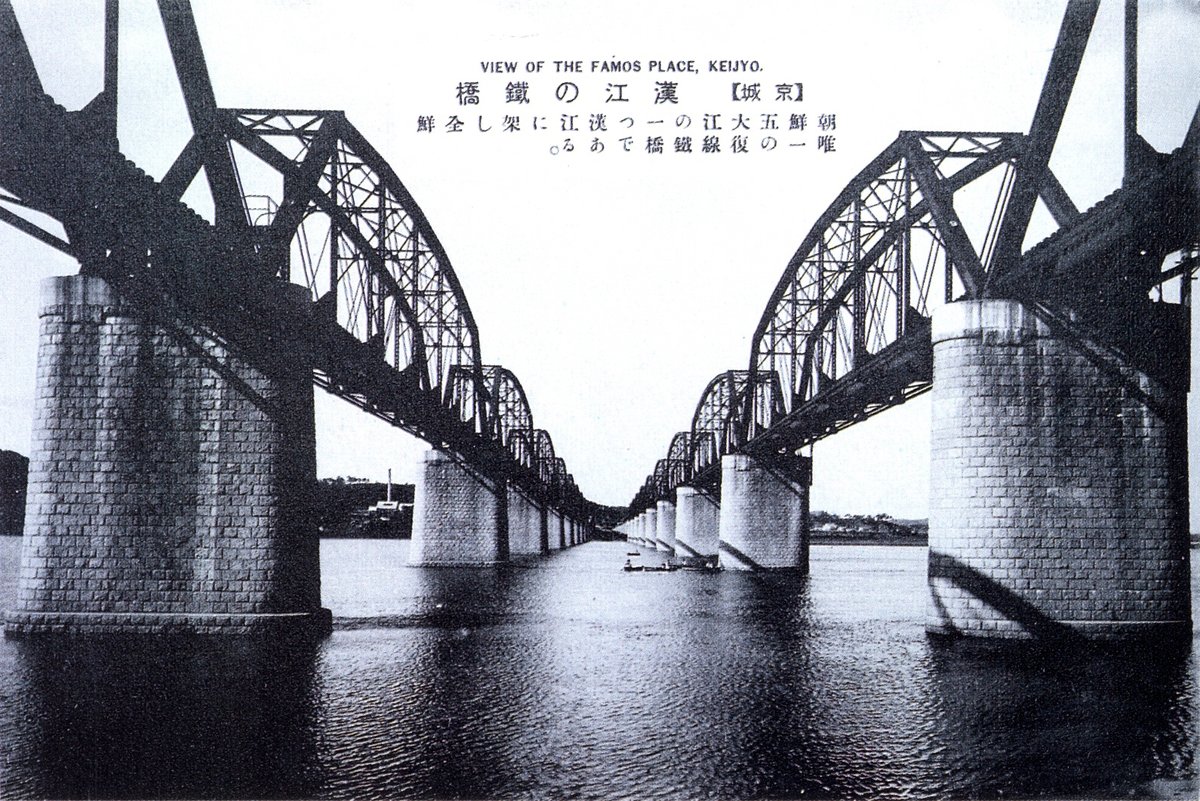
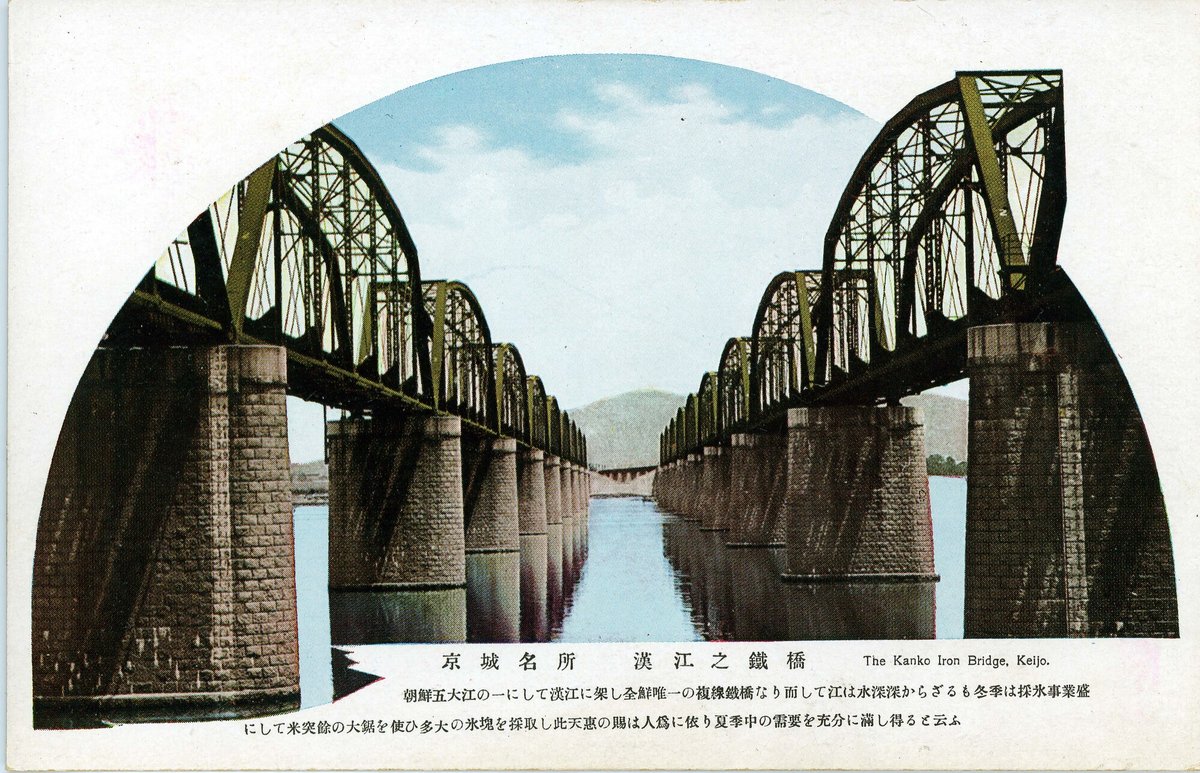
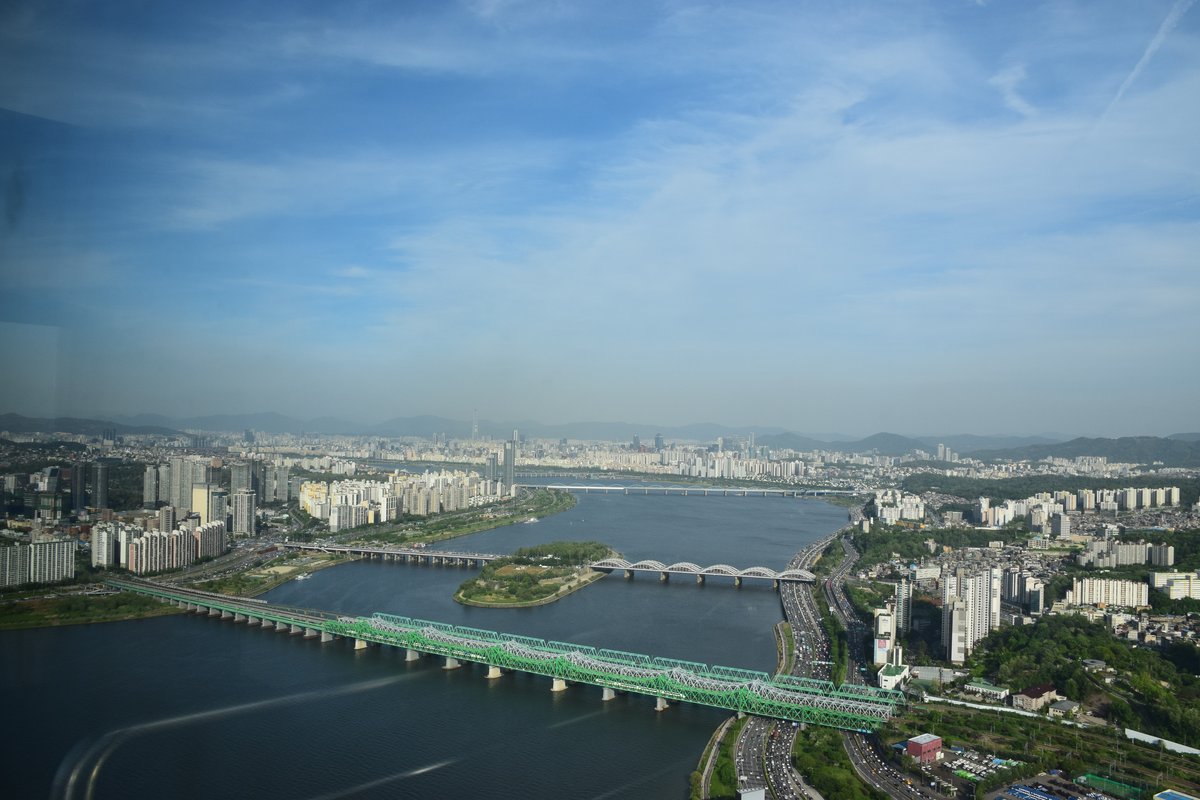
Spanning the Han River, Seoul’s Hangang Railway Bridge (한강철교, Hangang Cheolgyo) is a striking symbol of South Korea’s modernization, resilience, and vibrant urban culture. Completed in 1900 as the first permanent crossing over the Han River, the bridge has played a crucial role in connecting Seoul with Incheon, catalyzing the city's expansion and economic growth (Wikipedia; Newscj). Although the bridge itself is closed to pedestrians for safety reasons, its surrounding parks and vantage points offer some of the best views, recreational activities, and historical insights in Seoul.
Whether you’re a history enthusiast, photographer, or simply seeking a scenic spot for relaxation, this comprehensive guide covers the bridge’s history, visitor information, accessibility, travel tips, and nearby attractions. Explore how the Hangang Railway Bridge continues to connect Seoul’s storied past with its dynamic present.

Origins and Early Construction
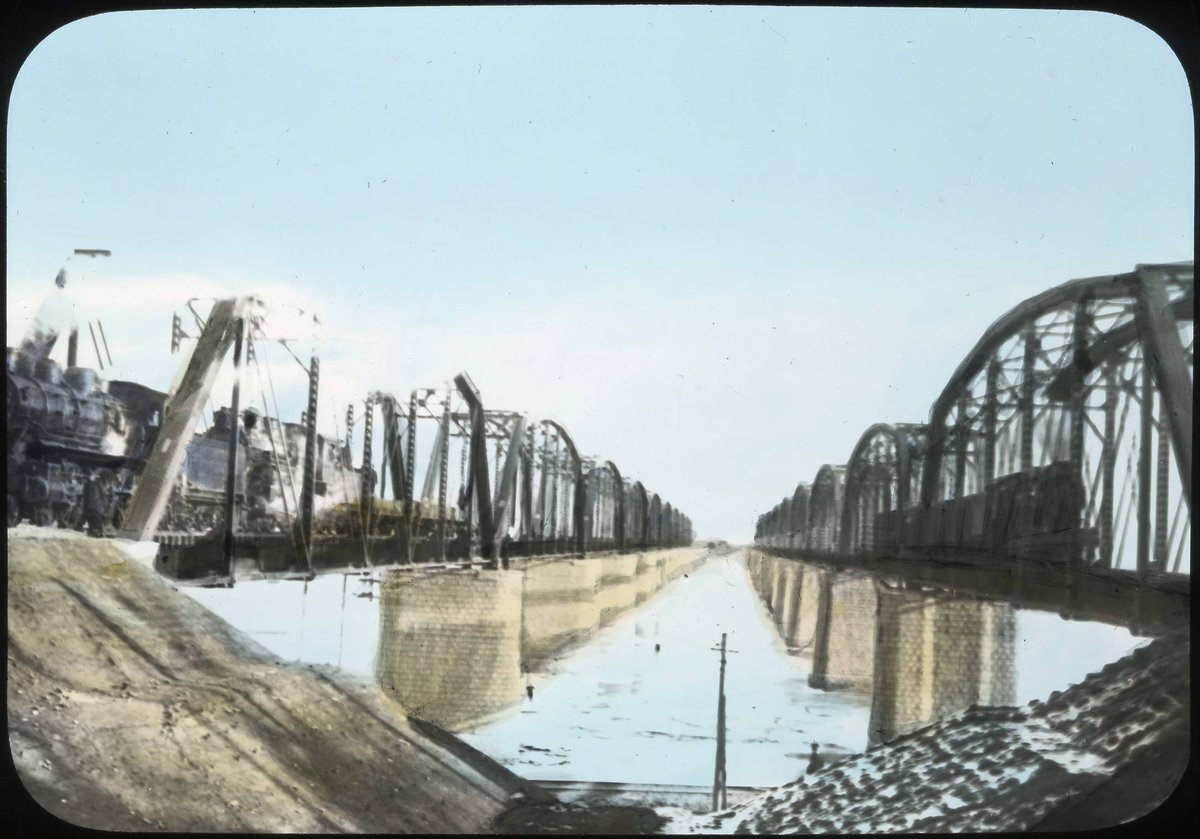
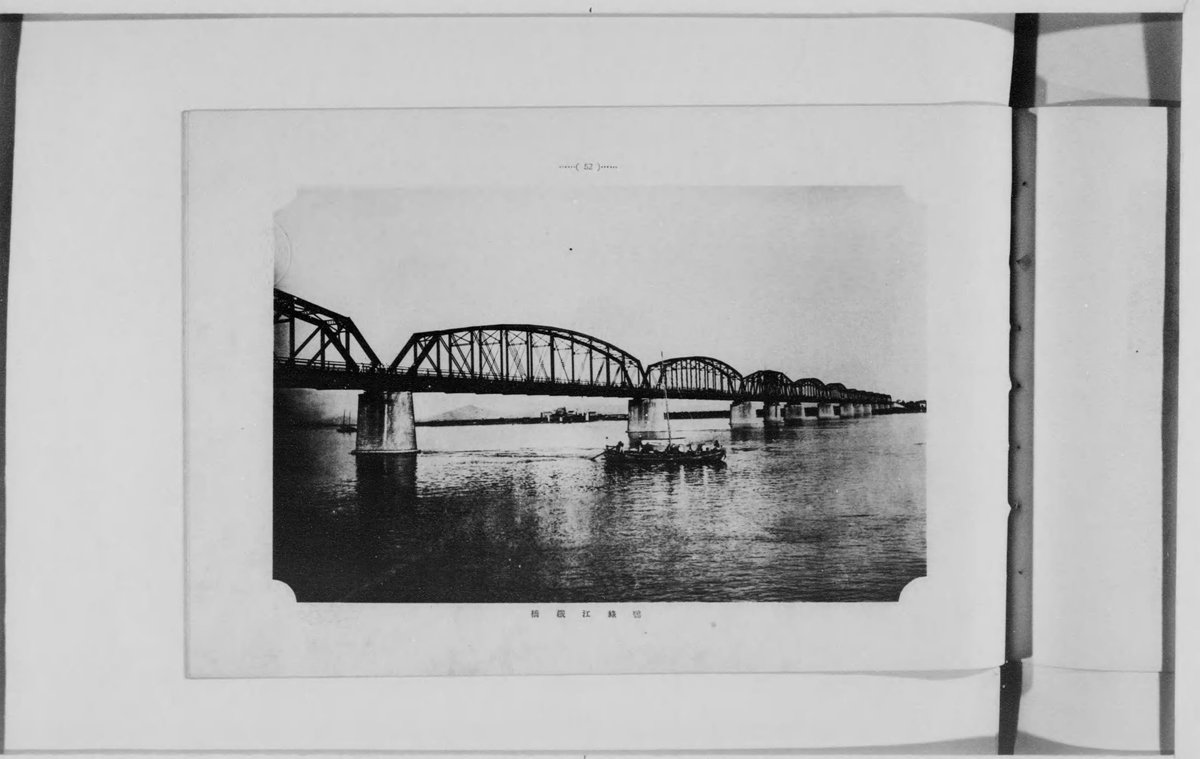
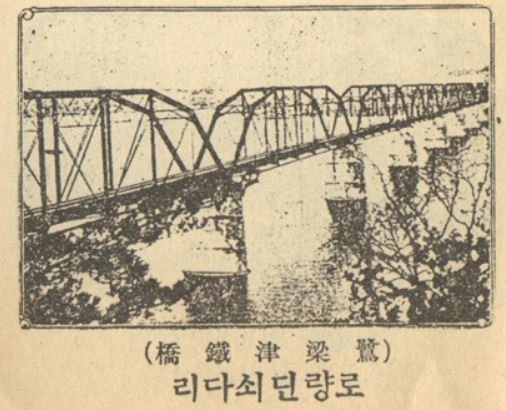
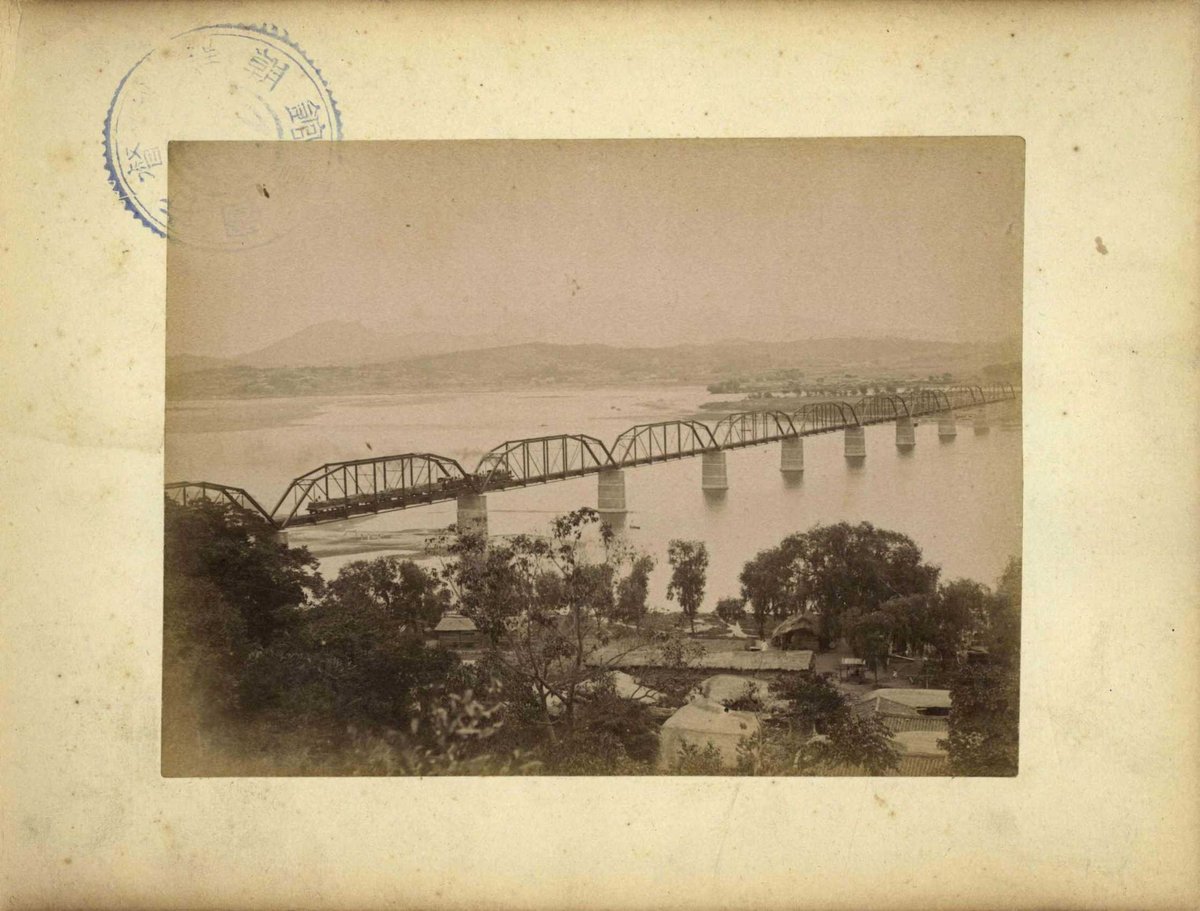
The Hangang Railway Bridge was completed in 1900, representing Korea’s first permanent crossing of the Han River. Prior to this, only temporary pontoon bridges served the area, limiting reliable transportation—especially in times of conflict or inclement weather (Wikipedia). The bridge was constructed to support steam locomotives as part of the Gyeongin Railway, connecting Seoul (then Hanyang) to Incheon (Newscj). This milestone project marked a pivotal moment in Korea’s transition into a modern industrial society.
The Bridge During the Korean War
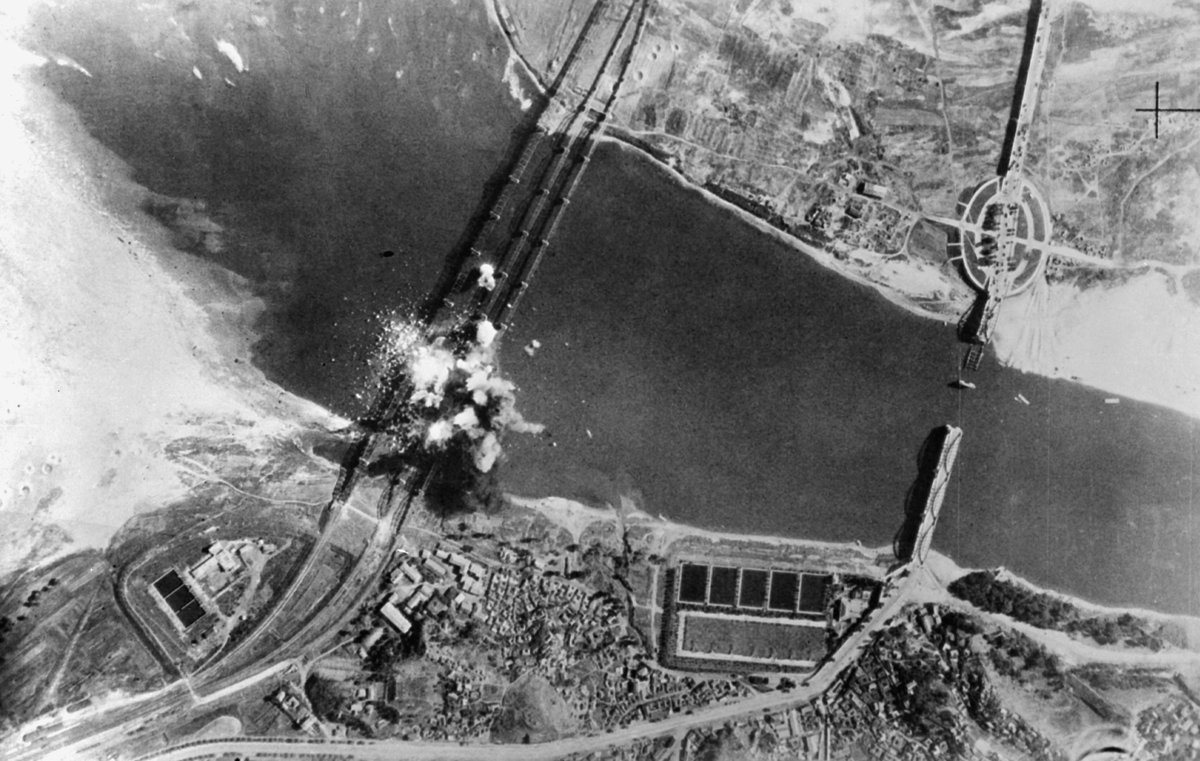
In June 1950, as North Korean forces advanced, South Korean troops destroyed the Hangang Railway Bridge to hinder their progress. Unfortunately, the demolition resulted in the tragic loss of hundreds of civilian lives. The bridge was restored in 1954, symbolizing national recovery and resilience (Wikipedia).
Modernization and Reconstruction
Throughout the 20th century, the Hangang Railway Bridge evolved alongside Seoul’s rapid urbanization. Multiple expansions and renovations have taken place, including the addition of parallel spans for trams and road traffic, and major upgrades in preparation for events such as the 1988 Seoul Olympics (Newscj). The bridge remains a vital transport artery—though only for rail traffic—with nearby pedestrian crossings and recreational parks serving the public.
Visitor Information
Visiting Hours
- Hangang Railway Bridge: The bridge itself is not open for public crossing. However, surrounding parks and footbridges are accessible daily from 5:00 AM to 11:00 PM (Roaming Sonaa).
- Decorative Lighting: The bridge and neighboring spans are illuminated from sunset until 11:00 PM, creating a stunning nighttime panorama (Seoul Metropolitan Government).
Ticketing and Fees
- Admission: Free. There are no entrance fees to access the parks, footpaths, or riverside vantage points around Hangang Railway Bridge.
Accessibility
- Wheelchair and Stroller Access: Parks and paths in the vicinity are designed for accessibility.
- Facilities: Public restrooms, benches, and convenience stores are available throughout Hangang Park.
Getting There
- By Subway:
- Yongsan Station (Line 1, Gyeongui–Jungang Line): Closest to the northern end of the bridge.
- Yeouinaru Station (Line 5, Exit 2): A 10-minute walk through Hangang Park to riverside viewpoints (Evendo).
- By Bus:
- Buses 740 and 1005 stop at Dongjak Bridge; from there, it’s a short walk to Hangang Park’s riverfront.
- By Bike or On Foot:
- Bike rental stations are available in Yeouido and along the Han River. The area is pedestrian- and cyclist-friendly (Evendo).
Activities and Experiences
Scenic Photography
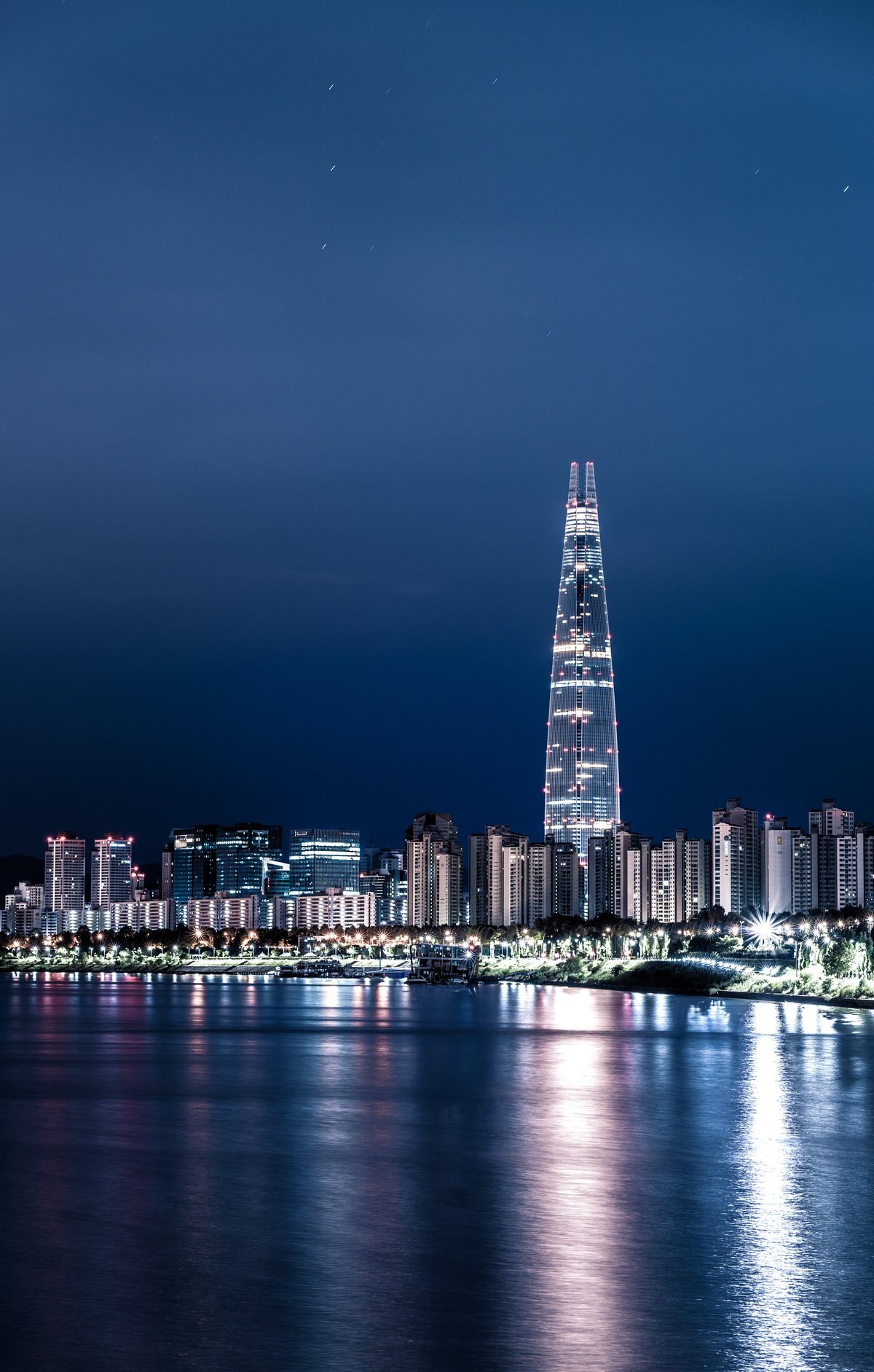
The area around Hangang Railway Bridge is renowned for panoramic views of the Han River and Seoul’s skyline. The bridge’s historic steel trusses, combined with the modern cityscape, create a compelling backdrop—especially at sunset and night, when the city lights reflect on the water (Evendo).
- Recommended Vantage Points:
- Nodeulseom Island
- Southern riverside parks
- Hangang Floating Islands
Recreation and Festivals
- Walking and Cycling:
Extensive riverside paths connect to Hangang Park, popular for jogging, biking, and leisurely strolls (Roaming Sonaa). - Water Activities:
During summer, rent equipment for kayaking, water skiing, or join a river cruise for dinner and city views. - Events:
The area hosts outdoor concerts, movie nights, cherry blossom festivals in spring, and fireworks festivals in autumn (Evendo).
Food and Local Culture
- Picnics:
Bring your own food or order delivery to the park for a classic Korean riverside picnic. Popular options include fried chicken, gimbap, or ramen (Roaming Sonaa). - Cafés and Convenience Stores:
Found throughout Hangang Park and near subway stations.
Best Times to Visit
- Spring (March–May): Cherry blossoms and mild weather.
- Autumn (September–November): Fall foliage and clear skies.
- Late Afternoon–Evening: Ideal for sunset photography and night views when the bridge is illuminated.
- Summer: Lively with water activities and festivals, but check weather and air quality.
Safety, Facilities, and Accessibility
- Air Quality:
Seoul can experience fine dust (PM2.5), especially in spring. Check real-time air quality before planning outdoor activities (Seoul Metropolitan Government). - Lighting and Security:
The parks and bridges are well-lit and monitored by CCTV, but usual urban precautions are advised at night. - Restrooms and Seating:
Available throughout parks and near subway stations. - Accessibility:
Paths are wheelchair- and stroller-friendly; sheltered walkways protect from rain and sun.
Frequently Asked Questions (FAQ)
Q: Can I walk across the Hangang Railway Bridge?
A: No, the bridge is strictly for railway traffic. Pedestrian access is available via nearby footbridges and park pathways.
Q: What are the park hours?
A: Hangang Park is open daily from 5:00 AM to 11:00 PM.
Q: Is there an entrance fee?
A: No, access to Hangang Park and riverside viewpoints is free.
Q: Are bikes allowed?
A: Yes, cycling is popular along the riverside paths, with rental stations nearby.
Q: What’s the best way to get there?
A: Take the Seoul subway to Yongsan Station (Line 1) or Yeouinaru Station (Line 5) and walk to the park.
Q: Are there guided tours?
A: Some local tour companies include bridge viewpoints in their Han River or Seoul heritage tours (Evendo).
Listen to the full story in the app
The whole Hangang Railway Bridge,
told well.
Audio guides for 1,100+ cities across 96 countries. History, stories, and local insight — offline ready.
Verified, and shown.
Researched and written by the Audiala editorial team from historical records, architectural archives, and local expertise.
Wikipedia
Seoul Metropolitan Government
KoreaToDo
Roaming Sonaa
Researched from Wikidata, Wikipedia & official sources · fact-checked · How we make our guides →