Plan and listen to Gyeongbokgung with Audiala.
Audio guide in your pocket, itinerary in your browser. Built for the way you actually visit.
Introduction
Discovering the grandeur of 흥례문 (Heungnyemun Gate), a prominent structure within the Gyeongbokgung Palace in Seoul, offers a captivating journey into Korea's rich royal history and architectural marvels. Originally constructed in 1426 during King Sejong the Great's reign, Heungnyemun Gate stands as a testament to the Joseon Dynasty’s prosperity and moral integrity. The gate, translating to 'Gate of Flourishing Virtue,' has witnessed significant historical events, including the destructive Imjin War and subsequent restorations, notably in 1867 under King Gojong (Travellers Worldwide). This guide provides an in-depth look at Heungnyemun Gate's historical significance, architectural elegance, and practical information for visitors, ensuring a comprehensive and enriching experience.

Historical Background
흥례문 (Heungnyemun Gate) is one of the prominent gates of Gyeongbokgung Palace, the largest of the Five Grand Palaces built during the Joseon Dynasty. The gate was originally constructed in 1426 during the reign of King Sejong the Great. It served as the second inner gate of the palace, following Gwanghwamun, the main gate. The name "Heungnyemun" translates to "Gate of Flourishing Virtue," symbolizing the prosperity and moral integrity of the Joseon Dynasty.
The gate has witnessed numerous historical events, including invasions and reconstructions. During the Japanese invasions of Korea (1592-1598), also known as the Imjin War, Heungnyemun, along with much of Gyeongbokgung Palace, was destroyed. It was later reconstructed in 1867 under the orders of King Gojong as part of a larger restoration project for the palace.
Architectural Significance
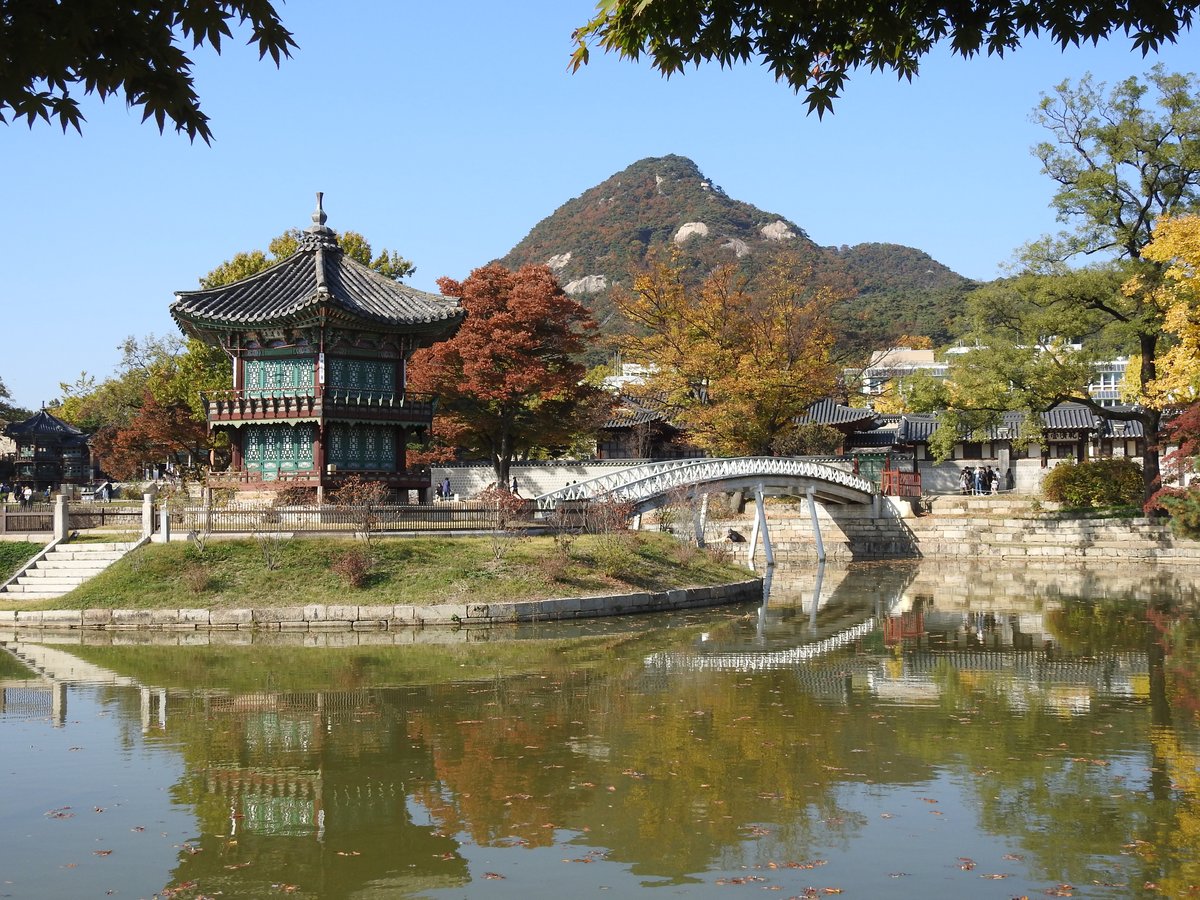
Heungnyemun Gate is an exemplary model of traditional Korean architecture. The gate features a two-story pavilion with a hipped-and-gabled roof, a common architectural style during the Joseon Dynasty. The structure is primarily made of wood, with intricate carvings and vibrant colors that reflect the aesthetic values of the period.
The gate's design incorporates elements of Confucianism, which was the state ideology during the Joseon Dynasty. The symmetry and balance in its construction symbolize harmony and order, core principles of Confucian thought. The gate also features a raised platform, which was used for royal ceremonies and processions.
Cultural and Political Importance
Heungnyemun Gate holds significant cultural and political importance in Korean history. It served as a critical point of entry for officials and visitors to Gyeongbokgung Palace, the seat of the Joseon Dynasty's government. The gate was a symbol of royal authority and was often used during important state ceremonies, including the king's daily commute to the throne hall.
The gate also played a role in the March 1st Movement of 1919, a pivotal event in Korea's struggle for independence from Japanese colonial rule. Protesters gathered near Gyeongbokgung Palace, including Heungnyemun Gate, to demand independence, making it a symbol of resistance and national pride.
Restoration and Preservation
In the 20th century, Heungnyemun Gate underwent several restoration projects to preserve its historical and architectural integrity. The most significant restoration occurred in the 1990s as part of a broader effort to restore Gyeongbokgung Palace to its former glory. The restoration aimed to use traditional construction methods and materials to maintain the gate's authenticity.
Today, Heungnyemun Gate is a designated cultural heritage site and is protected under South Korean law. The gate is part of the Gyeongbokgung Palace complex, which is listed as a UNESCO World Heritage Site. Efforts to preserve the gate include regular maintenance and conservation projects to prevent deterioration and damage.
Visitor Experience
Practical Information for Tourists
Location: Heungnyemun Gate is located within Gyeongbokgung Palace in Jongno-gu, Seoul. The palace's address is 161 Sajik-ro, Jongno-gu, Seoul, South Korea.
How to Get There: The most convenient way to reach Heungnyemun Gate is by taking the Seoul Subway. Visitors can take Line 3 and get off at Gyeongbokgung Station (Exit 5). The palace is a short walk from the station.
Opening Hours: Gyeongbokgung Palace is open from 9:00 AM to 6:00 PM (March to October) and 9:00 AM to 5:00 PM (November to February). The palace is closed on Tuesdays.
Admission Fees: The entrance fee for Gyeongbokgung Palace is approximately 3,000 KRW for adults and 1,500 KRW for children. Discounts are available for groups and seniors.
Guided Tours: Free guided tours are available in multiple languages, including English, Chinese, and Japanese. Tours typically last about 90 minutes and provide an in-depth look at the palace's history and architecture.
Nearby Attractions: Visitors can explore other historical sites near Heungnyemun Gate, such as the National Palace Museum of Korea and the National Folk Museum of Korea. Both museums offer extensive collections of artifacts and exhibits related to Korean history and culture.
Tips for a Memorable Visit
-
Plan Ahead: Check the weather forecast and plan your visit accordingly. Seoul can experience extreme weather conditions, so dress appropriately and bring necessary items like sunscreen or an umbrella.
-
Arrive Early: To avoid crowds, especially during peak tourist seasons, try to arrive early in the morning. This will give you ample time to explore the gate and the palace complex at a leisurely pace.
-
Join a Guided Tour: Take advantage of the free guided tours to gain a deeper understanding of Heungnyemun Gate and Gyeongbokgung Palace. The knowledgeable guides provide valuable insights and historical context.
-
Attend the Guard Ceremony: Don't miss the changing of the guard ceremony, which takes place at Gwanghwamun and Heungnyemun Gate. The ceremony is a colorful and engaging way to experience traditional Korean culture.
-
Explore Nearby Sites: Make the most of your visit by exploring nearby attractions such as the National Palace Museum and the National Folk Museum. These sites offer additional historical and cultural perspectives.
-
Photography: Heungnyemun Gate and Gyeongbokgung Palace provide excellent photo opportunities. Be sure to bring a camera or smartphone to capture the stunning architecture and scenic views.
-
Respect the Site: As a cultural heritage site, it's important to respect the rules and guidelines set by the authorities. Avoid touching or climbing on the structures and be mindful of other visitors.
Frequently Asked Questions
Q: What are the visiting hours for Heungnyemun Gate?
A: Heungnyemun Gate is part of Gyeongbokgung Palace, which is open from 9:00 AM to 6:00 PM (March to October) and 9:00 AM to 5:00 PM (November to February). The palace is closed on Tuesdays.
Q: How much do tickets cost for Heungnyemun Gate?
A: The entrance fee for Gyeongbokgung Palace is approximately 3,000 KRW for adults and 1,500 KRW for children. Discounts are available for groups and seniors.
Q: Are there guided tours available?
A: Yes, free guided tours are available in multiple languages, including English, Chinese, and Japanese. Tours typically last about 90 minutes.
Q: How do I get to Heungnyemun Gate?
A: The most convenient way to reach Heungnyemun Gate is by taking the Seoul Subway. Visitors can take Line 3 and get off at Gyeongbokgung Station (Exit 5). The palace is a short walk from the station.
Q: What are some nearby attractions?
A: Nearby attractions include the National Palace Museum of Korea and the National Folk Museum of Korea, both of which offer extensive collections of artifacts and exhibits related to Korean history and culture.
Listen to the full story in the app
The whole Gyeongbokgung,
told well.
Audio guides for 1,100+ cities across 96 countries. History, stories, and local insight — offline ready.
Verified, and shown.
Researched and written by the Audiala editorial team from historical records, architectural archives, and local expertise.
Researched from Wikidata, Wikipedia & official sources · fact-checked · How we make our guides →