Plan and listen to Gwanghwamun with Audiala.
Audio guide in your pocket, itinerary in your browser. Built for the way you actually visit.
Introduction
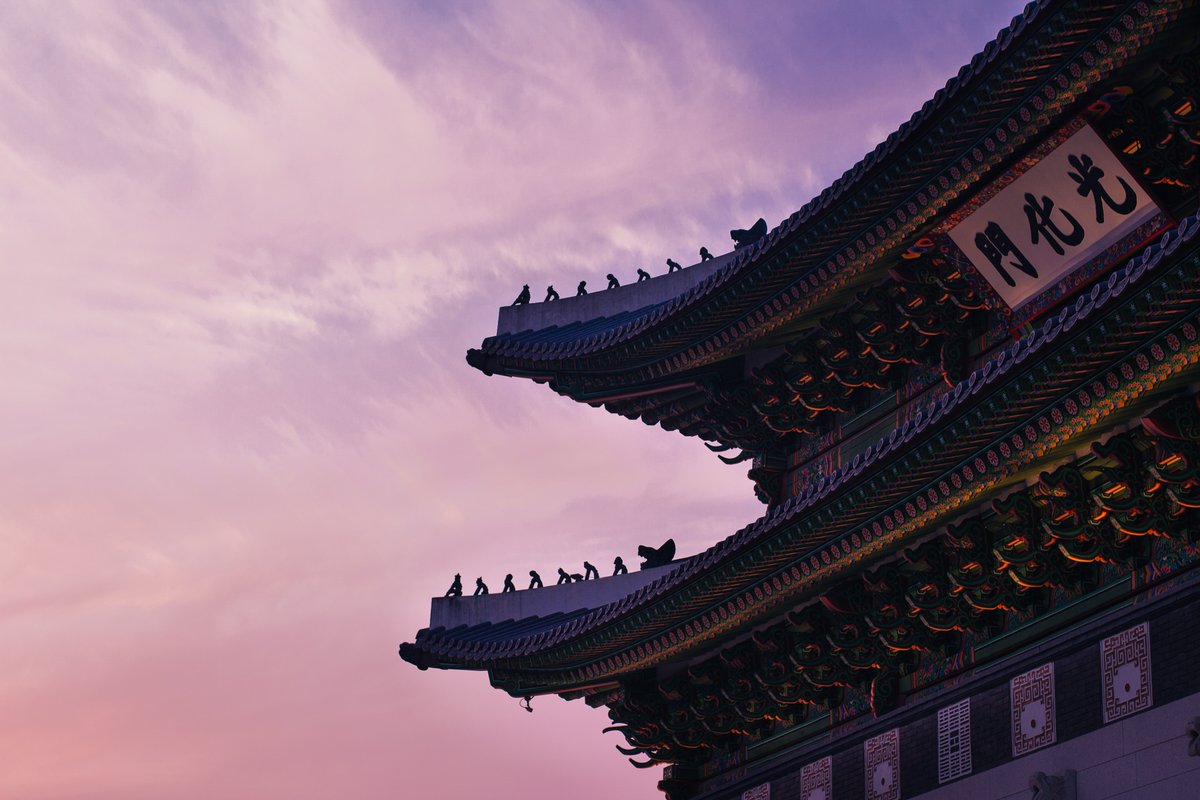
Gwanghwamun Gate stands as the grand entrance to Gyeongbokgung Palace and a powerful symbol of Seoul’s resilience, history, and culture. Constructed in 1395 by the founder of the Joseon Dynasty, King Taejo, Gwanghwamun has endured numerous cycles of destruction and restoration, reflecting Korea’s tumultuous yet resilient path through history (Agoda; Wikipedia).
Located at the northern end of Gwanghwamun Square, the gate serves as a bridge between the royal past and the vibrant present. Today, Gwanghwamun is not only a historical monument but also a bustling civic space, flanked by statues of national heroes and hosting cultural events that highlight its ongoing significance in Korean society (Cars Scanner; Touristlink).
This guide offers a comprehensive overview of Gwanghwamun’s history, cultural importance, practical visiting information, and recommendations for exploring nearby attractions. Whether you are a history enthusiast, cultural explorer, or first-time traveler, you’ll find all the essential information to make your visit memorable and meaningful (Visit Seoul; The Seoul Guide).

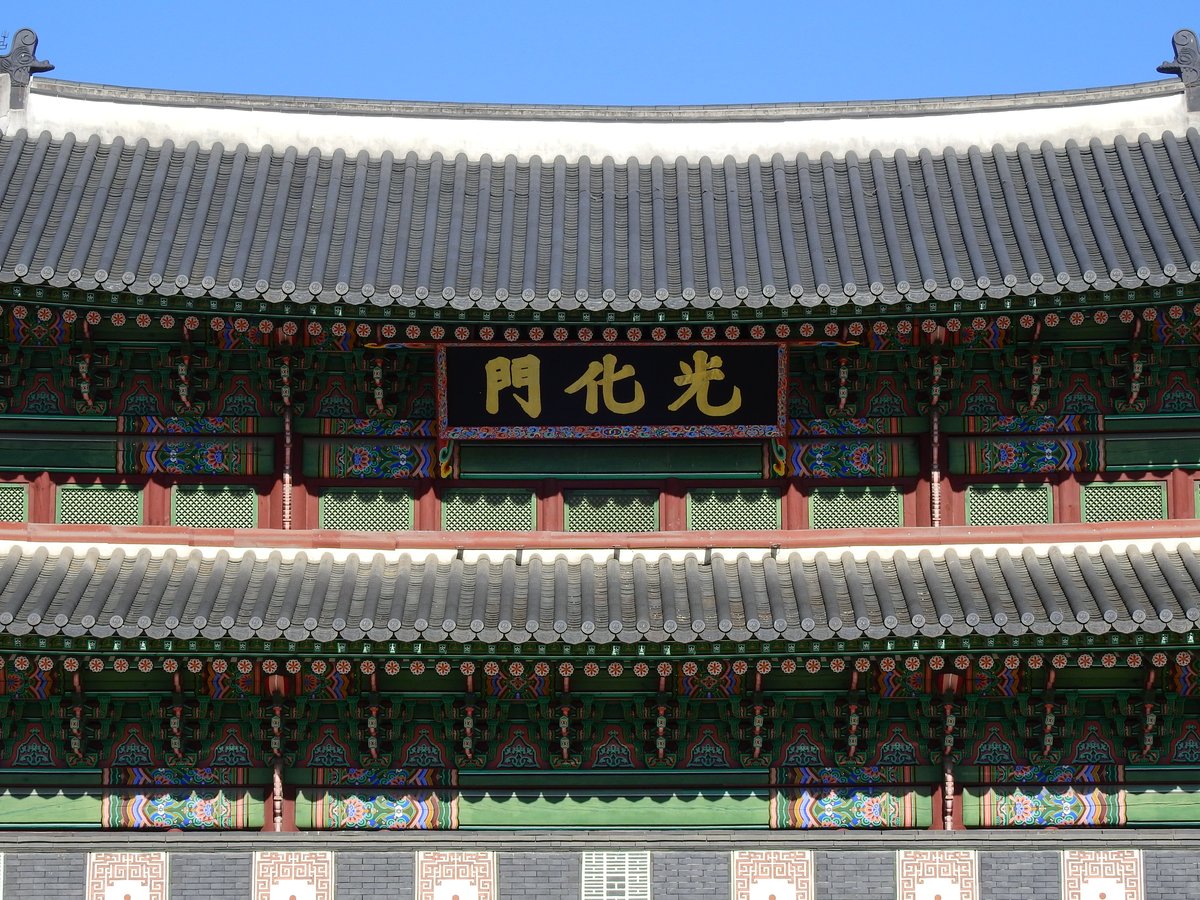
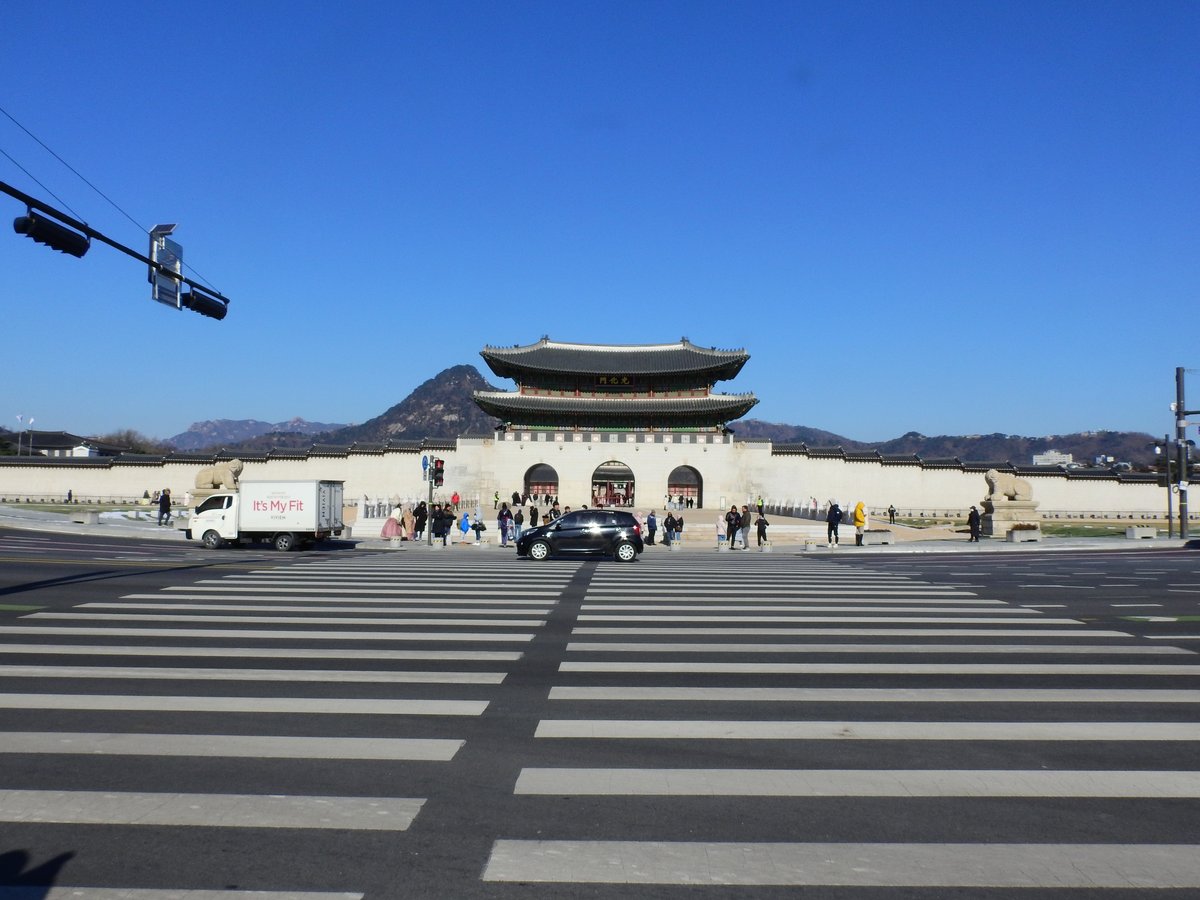
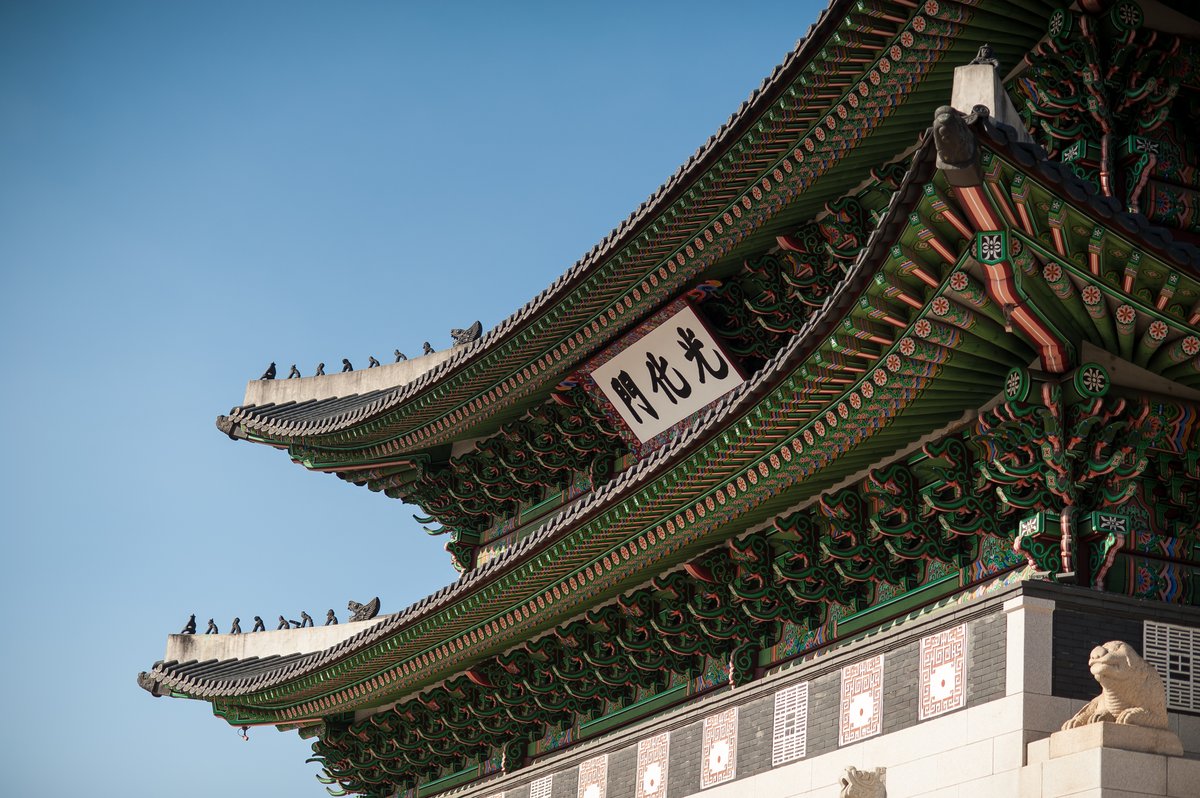
Table of Contents
- Origins and Early History
- Destruction, War, and Occupation
- Restoration and Modern Renewal
- Visiting Gwanghwamun: Hours, Tickets, and Tips
- Gwanghwamun Square: Evolution and Attractions
- Symbolism and Cultural Significance
- Key Historical Landmarks and Features Nearby
- Historical Ceremonies and Traditions
- Timeline of Major Events
- Frequently Asked Questions (FAQ)
- Practical Visitor Tips
- Conclusion
- Sources
1. Origins and Early History
Gwanghwamun, meaning “Gate of Enlightenment,” was erected in 1395 as the main gate to Gyeongbokgung Palace (KoreaTripAdvisor). The palace itself marked the establishment of Seoul as Korea’s capital. Designed in the style of grand traditional Korean architecture, Gwanghwamun quickly became the epicenter of royal and governmental activity for centuries (Cars Scanner).
2. Destruction, War, and Occupation
Gwanghwamun’s history is defined by resilience. In 1592, the Japanese invasions (Imjin War) led to the destruction of the gate and Gyeongbokgung Palace (KoreaTripAdvisor). It was rebuilt in 1867, only to be dismantled and moved during the Japanese occupation (1910–1945) as a symbol of colonial dominance (Agoda). The Korean War brought further ruin, leaving Gwanghwamun a shadow of its former self.
3. Restoration and Modern Renewal
Post-war Korea saw Gwanghwamun rebuilt in concrete in 1968 due to resource constraints (Cars Scanner). Recognizing the need for historical authenticity, a major restoration project from 2006 to 2010 restored the gate using traditional materials and techniques, realigning it with Gyeongbokgung Palace and reviving its original grandeur (Particle Seoul; Wikipedia). Today, Gwanghwamun stands as a testament to Korea’s enduring spirit and cultural pride.
4. Visiting Gwanghwamun: Hours, Tickets, and Tips
Visiting Hours:
- Gwanghwamun Gate & Square: Open 24/7, year-round.
- Gyeongbokgung Palace: 9:00 AM – 6:00 PM (last admission 5:00 PM; closed Tuesdays). Check the official website for seasonal changes.
Tickets:
- Gwanghwamun Gate & Square: Free
- Gyeongbokgung Palace: ~3,000 KRW for adults; discounts for children, seniors, and groups. Combination tickets for multiple palaces are available.
Accessibility:
- The square and palace are wheelchair friendly, with paved paths, ramps, and accessible restrooms.
Guided Tours:
- Available in multiple languages, both as audio guides and in-person tours.
Best Times to Visit:
- Early morning or late afternoon for pleasant weather and fewer crowds. Spring and autumn are especially scenic.
5. Gwanghwamun Square: Evolution and Attractions
Historically a site for royal processions, Gwanghwamun Square was redeveloped in 2009 as a pedestrian plaza to mark Seoul’s 600th anniversary as the capital (TravelKpop). Today, the square features wide walkways, landscaped gardens, fountains, and prominent statues of King Sejong the Great and Admiral Yi Sun-sin (Trip Korea).
The square also hosts public demonstrations, festivals, art installations, and memorial ceremonies, making it a focal point of civic life (Visit Seoul).
6. Symbolism and Cultural Significance
Gwanghwamun serves as both a historical and living symbol of Korean identity. Its repeated destruction and restoration parallel the nation’s hardships and triumphs (Cars Scanner). The gate’s name, “Gate of Enlightenment,” mirrors its role as a threshold between the royal and the civic, the past and the present (Agoda).
The plaza’s role as a venue for demonstrations and commemorations, notably the candlelight protests of recent years, further cements its status as a symbol of democracy and civic engagement (Particle Seoul; Seoulistic).
7. Key Historical Landmarks and Features Nearby
- Gyeongbokgung Palace: The largest of the Five Grand Palaces, featuring the throne hall Geunjeongjeon (Cars Scanner).
- Statues of King Sejong the Great & Admiral Yi Sun-sin: Celebrate Korea’s achievements in governance and naval defense (Trip Korea).
- National Museums: The National Palace Museum of Korea and the National Museum of Modern and Contemporary Art are within walking distance (TravelKpop).
- Cheonggyecheon Stream: A restored urban waterway, ideal for leisurely strolls.
8. Historical Ceremonies and Traditions
The Gwanghwamun Gate Guards Changing Ceremony is held several times daily, reenacting Joseon-era royal protocols with colorful costumes and music (TravelKpop). Hanbok rentals are popular for immersive photo opportunities and free palace entry.
9. Timeline of Major Events
- 1395: Gate constructed as entrance to Gyeongbokgung Palace.
- 1592: Destroyed during Japanese invasions.
- 1867: Rebuilt under King Gojong.
- 1910–1945: Dismantled and relocated during Japanese occupation.
- 1950–1953: Damaged in the Korean War.
- 1968: Reconstructed in concrete.
- 2009: Plaza officially opened.
- 2010: Gate restored with traditional materials (Cars Scanner).
10. Frequently Asked Questions (FAQ)
Q: What are the Gwanghwamun visiting hours?
A: The plaza and gate are open 24/7; Gyeongbokgung Palace is open 9:00 AM–6:00 PM (closed Tuesdays).
Q: Is there an entrance fee?
A: The plaza and gate are free; palace tickets cost ~3,000 KRW for adults.
Q: How do I get there?
A: By subway (Line 5, Gwanghwamun Station, Exit 2) or several bus routes. Parking is available nearby (The Wandering Whittens).
Q: Are guided tours available?
A: Yes, in multiple languages, and recommended for a richer experience.
Q: Is the area wheelchair accessible?
A: Yes; ramps and accessible restrooms are provided.
11. Practical Visitor Tips
- Best Photography: Early morning or late afternoon for softer light and fewer crowds.
- Hanbok Rental: Available nearby for traditional photos and free palace admission.
- Dining: Numerous options, from Korean to international cuisines, are located around the square and Cheonggyecheon Stream.
- Seasonal Events: Look out for the Seoul Lantern Festival (autumn), changing of the guard ceremonies, and moonlight palace tours in June.
- Safety: Seoul is generally safe; use standard precautions and stay hydrated in summer.
- Free Wi-Fi: Provided in the square and most attractions.
Listen to the full story in the app
The whole Gwanghwamun,
told well.
Audio guides for 1,100+ cities across 96 countries. History, stories, and local insight — offline ready.
Verified, and shown.
Researched and written by the Audiala editorial team from historical records, architectural archives, and local expertise.
(2025). Discover Gwanghwamun: A Guide to Seoul's Historic Gate, Visiting Hours, Tickets, and Attractions
(2025). Gwanghwamun: A Symbol of Resilience and Renewal in South Korea
(2025). Discovering the History and Culture of Gwanghwamun Square
(2025). Gwanghwamun's Role in Modern Korean Society
(2025). Gwanghwamun: A Local’s Recommended Travel Course
(2025). Gwanghwamun Overview
(2025). Gwanghwamun Square
(2025). Gwanghwamun
(2025). Gwanghwamun Square Walking Tour
Researched from Wikidata, Wikipedia & official sources · fact-checked · How we make our guides →