
History and Significance
Historical Background
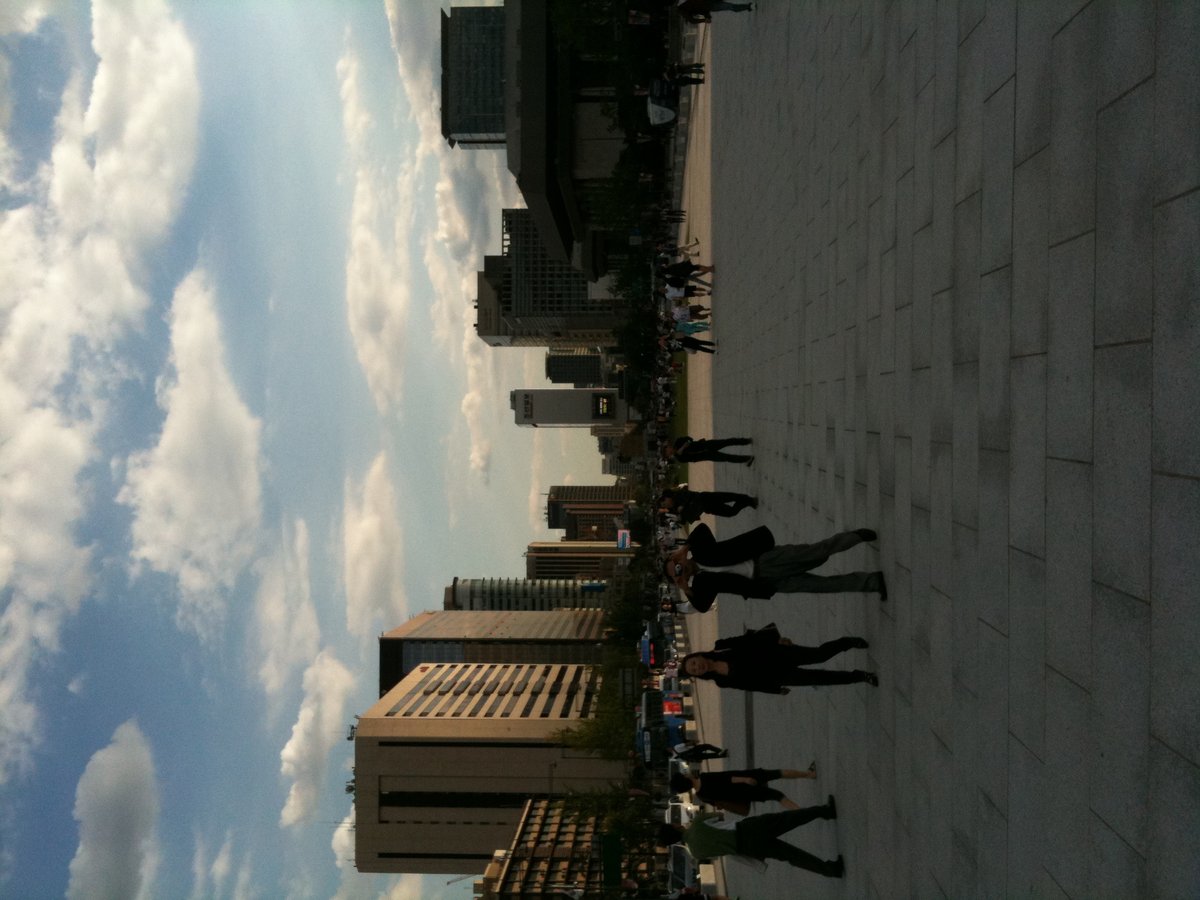
세종이야기 충무공이야기 (Sejong Story and Admiral Yi Sun-sin Story) is an exhibition inaugurated in 2009 as part of the Gwanghwamun Square project. The exhibition celebrates King Sejong the Great and Admiral Yi Sun-sin, two pivotal figures in Korean history.
King Sejong the Great
King Sejong (1397-1450), the fourth king of the Joseon Dynasty, is best known for creating Hangul, the Korean alphabet. His reign marked a golden age of Korean culture, science, and technology. King Sejong’s contributions include advancements in agriculture, astronomy, and military technology. Notably, the creation of Hangul in 1443 significantly improved literacy among Koreans (Korean Cultural Heritage Foundation).
Admiral Yi Sun-sin
Admiral Yi Sun-sin (1545-1598) is celebrated for his naval victories against the Japanese during the Imjin War (1592-1598). His innovative use of the Turtle Ship (Geobukseon) was crucial in safeguarding Korea's sovereignty (Sejong Center).
Exhibition Layout and Sections
King Sejong the Great
The exhibition dedicated to King Sejong is divided into several sections, each highlighting different aspects of his reign and achievements.
-
Hangul Creation - This section delves into the creation of Hangul in 1443. Interactive displays allow visitors to understand the linguistic principles behind the alphabet. Artifacts such as the original Hunminjeongeum manuscript are showcased, providing a tangible connection to this monumental achievement.
-
Scientific Innovations - King Sejong's era was marked by significant scientific advancements. Exhibits include replicas of the rain gauge (cheugugi), the water clock (jagyeokru), and the sundial (angbuilgu). These inventions underscore Sejong's commitment to improving agricultural productivity and timekeeping.
-
Cultural Contributions - This area highlights Sejong's patronage of the arts and literature. Manuscripts, musical instruments, and paintings from the period are displayed, illustrating the cultural renaissance that occurred under his rule.
Admiral Yi Sun-sin
The section dedicated to Admiral Yi Sun-sin focuses on his military strategies, naval battles, and personal artifacts.
-
Naval Battles - Detailed dioramas and multimedia presentations recount Admiral Yi's most famous battles, including the Battle of Hansando and the Battle of Myeongnyang. These exhibits provide a comprehensive understanding of his innovative tactics and the significance of his victories.
-
Turtle Ship (Geobukseon) - A highlight of the exhibition is the life-sized replica of the Turtle Ship, a type of armored warship used by Admiral Yi. Visitors can explore the interior of the ship, gaining insight into its construction and strategic advantages.
-
Personal Artifacts - Items such as Admiral Yi's war diary (Nanjung Ilgi), armor, and weapons are displayed, offering a personal glimpse into the life of this legendary figure.
Interactive and Educational Features
The exhibition is designed to be highly interactive, catering to visitors of all ages.
-
Virtual Reality (VR) Experiences - VR stations allow visitors to experience historical events firsthand. For example, one VR experience simulates the Battle of Myeongnyang, placing visitors in the midst of the naval conflict.
-
Augmented Reality (AR) Displays - AR technology is used to bring historical artifacts to life. By using AR-enabled devices, visitors can see 3D reconstructions of ancient manuscripts and artifacts, providing a deeper understanding of their historical context.
-
Educational Workshops - Regular workshops are held for school groups and families. These workshops include activities such as calligraphy lessons, where participants can learn to write in Hangul, and model-building sessions, where they can construct miniature Turtle Ships.
Visitor Tips
-
Timing Your Visit - The exhibition is less crowded during weekdays, particularly in the mornings. To avoid long lines, it is advisable to visit during these times.
-
Guided Tours - For a more in-depth experience, consider joining a guided tour. These tours are available in multiple languages, including English, and provide detailed explanations of the exhibits.
-
Accessibility - The exhibition is fully accessible to visitors with disabilities. Wheelchair ramps and elevators are available, and most interactive displays are designed to be accessible to all visitors.
-
Photography - While photography is allowed in most areas of the exhibition, flash photography and tripods are prohibited to protect the artifacts.
-
Souvenirs - The gift shop offers a range of souvenirs, including replicas of historical artifacts, books on Korean history, and traditional Korean crafts. These items make for meaningful mementos of your visit.
Practical Information
-
Location and Hours - The 세종이야기 충무공이야기 exhibition is located in Gwanghwamun Square, central Seoul. It is open daily from 9:00 AM to 6:00 PM, with extended hours on weekends and public holidays.
-
Admission Fees - Admission is free for all visitors, although donations are encouraged to support the maintenance and development of the exhibition.
-
Transportation - The exhibition is easily accessible via public transportation. The nearest subway station is Gwanghwamun Station (Line 5), Exit 2. Several bus routes also stop near Gwanghwamun Square.
-
Nearby Attractions - After visiting the exhibition, consider exploring other nearby attractions such as Gyeongbokgung Palace, the National Museum of Korean Contemporary History, and the Cheonggyecheon Stream (Gyeongbokgung Palace).
FAQs
-
What are the visiting hours for the Sejong Story exhibition? The exhibition is open daily from 9:00 AM to 6:00 PM, with extended hours on weekends and public holidays.
-
How much do tickets cost for the Admiral Yi Sun-sin exhibition? Admission is free for all visitors, although donations are encouraged to support the maintenance and development of the exhibition.
-
Is the exhibition accessible for visitors with disabilities? Yes, the exhibition is fully accessible, with wheelchair ramps, elevators, and most interactive displays designed to be accessible to all visitors.