Plan and listen to Gansong Art Museum with Audiala.
Audio guide in your pocket, itinerary in your browser. Built for the way you actually visit.
Introduction
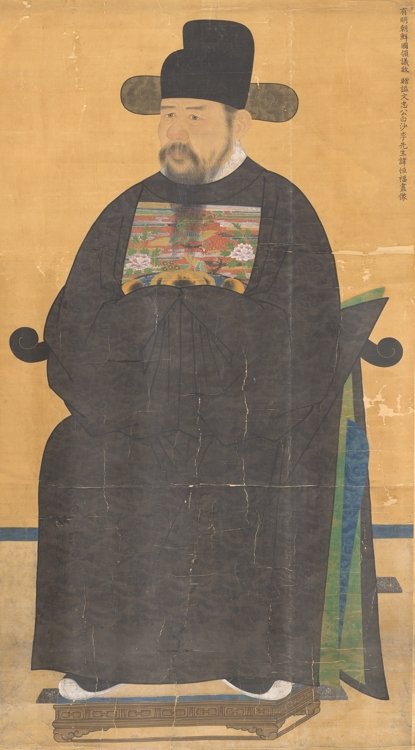
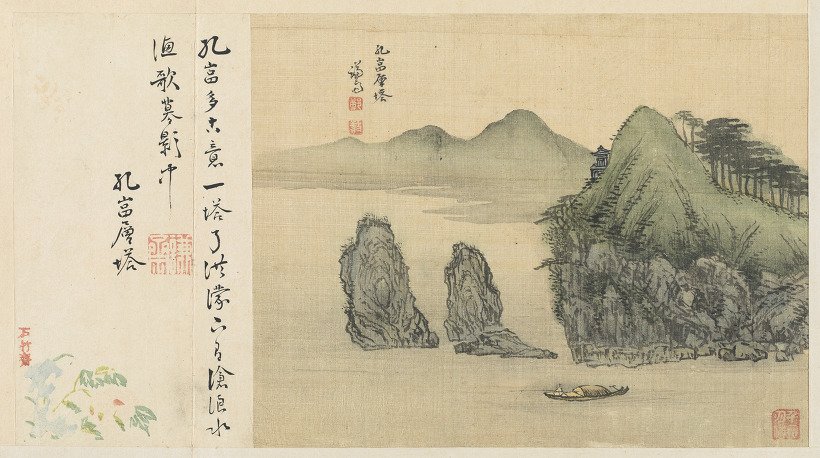
Nestled in Seoul’s historic Seongbuk-dong neighborhood, the Gansong Art Museum is South Korea’s first private art museum and a guardian of the nation’s cultural heritage. Founded in 1938 by visionary collector Jeon Hyeong-pil (pen name: Kansong), the museum was established as an act of cultural resistance during the Japanese colonial era, aiming to preserve Korean national treasures from destruction and dispersal. Today, it houses an unparalleled collection of over a thousand artifacts, including eleven designated National Treasures such as the "Hunminjeongeum Haerye," the document describing the creation of Hangul, and masterpieces by artists like Jeong Seon and Sin Yun-bok.
Due to the fragility of its collection and the constraints of its traditional hanok building, the Gansong Art Museum operates with limited public access, typically opening only twice a year for special exhibitions in spring and autumn. These rare openings require advance online reservations due to high demand and capacity limitations.
Beyond its physical exhibitions, the museum supports education, research, and digital innovation—including collaborations with Dongdaemun Design Plaza (DDP) and online virtual tours. Its location in Seongbuk-dong, surrounded by other cultural sites like Bukchon Hanok Village and Changdeokgung Palace, provides visitors with a rich, immersive cultural experience.
This guide provides up-to-date information on visiting the Gansong Art Museum, including its history, visiting hours, ticketing, accessibility, highlights, travel tips, and nearby attractions. For the most current updates, visitors should consult the museum’s official website and cultural portals like GoToSeoul.

Historical Background
Founding and Vision
The Gansong Art Museum began as Bohwagak in 1938, founded by Jeon Hyeong-pil to protect and celebrate Korean cultural heritage during the challenges of Japanese colonial rule (GoToSeoul). Jeon’s commitment was both patriotic and scholarly, as he secured, studied, and documented invaluable Korean relics, ensuring their survival for future generations (Namu Wiki).
Bohwagak and Early Years
Housed in a traditional hanok, Bohwagak (“Hall of Treasured Paintings”) was a sanctuary for scholars and select visitors. Jeon’s efforts focused on acquiring, restoring, and researching artifacts at great personal risk, outbidding foreign collectors and navigating political complexities (GoToSeoul).
Transformation and National Recognition
In 1966, the museum was renamed Gansong Art Museum in honor of Jeon’s pen name. The collection now includes 11 National Treasures and 24 Treasures of Korea, including the “Hunminjeongeum Haerye” and “Inwangjesaekdo” by Jeong Seon. The original Bohwagak building was designated National Registered Cultural Heritage No. 768 in 2019, cementing its cultural and historical significance (GoToSeoul).
Modern Adaptations and Legacy
The museum’s size and preservation needs restrict access, leading to its twice-yearly opening for special exhibitions. Collaborations with venues like Dongdaemun Design Plaza (DDP) have expanded public engagement, while digital initiatives and virtual exhibitions are making the collection accessible to a broader audience (Namu Wiki).
Visiting Gansong Art Museum: Practical Information
Visiting Hours and Opening Schedule
- Public Opening: Typically two weeks in spring (May) and autumn (October).
- Hours: 10:00 AM – 5:00 PM during exhibition periods.
- Closed: Outside of special exhibitions.
Always confirm dates and times on the official museum website or GoToSeoul.
Ticketing and Reservations
- Admission: Generally free, but advance reservations are required due to limited capacity.
- How to Reserve: Book online via the official website during announced periods.
- Group Visits and Tours: Prior arrangement is needed for groups and guided tours.
Accessibility and Facilities
- Building: The original hanok structure has some accessibility limitations.
- Wheelchair Access: Limited; contact the museum in advance to discuss arrangements.
- Restrooms: Available on-site.
- Visitor Desk: Information and exhibition guides provided during open periods.
- Museum Shop: Open during exhibitions with art books, postcards, and reproductions.
Directions
- Address: 97 Seongbuk-ro, Seongbuk-gu, Seoul, South Korea.
- Subway: Hansung University Station (Line 4), 10-minute walk.
- Bus: Multiple lines serve the area; check local transit maps.
- Parking: Limited; public transportation recommended.
Best Times to Visit
- Plan Ahead: Book as soon as exhibition dates are announced.
- Arrive Early: To avoid crowds, especially on weekends.
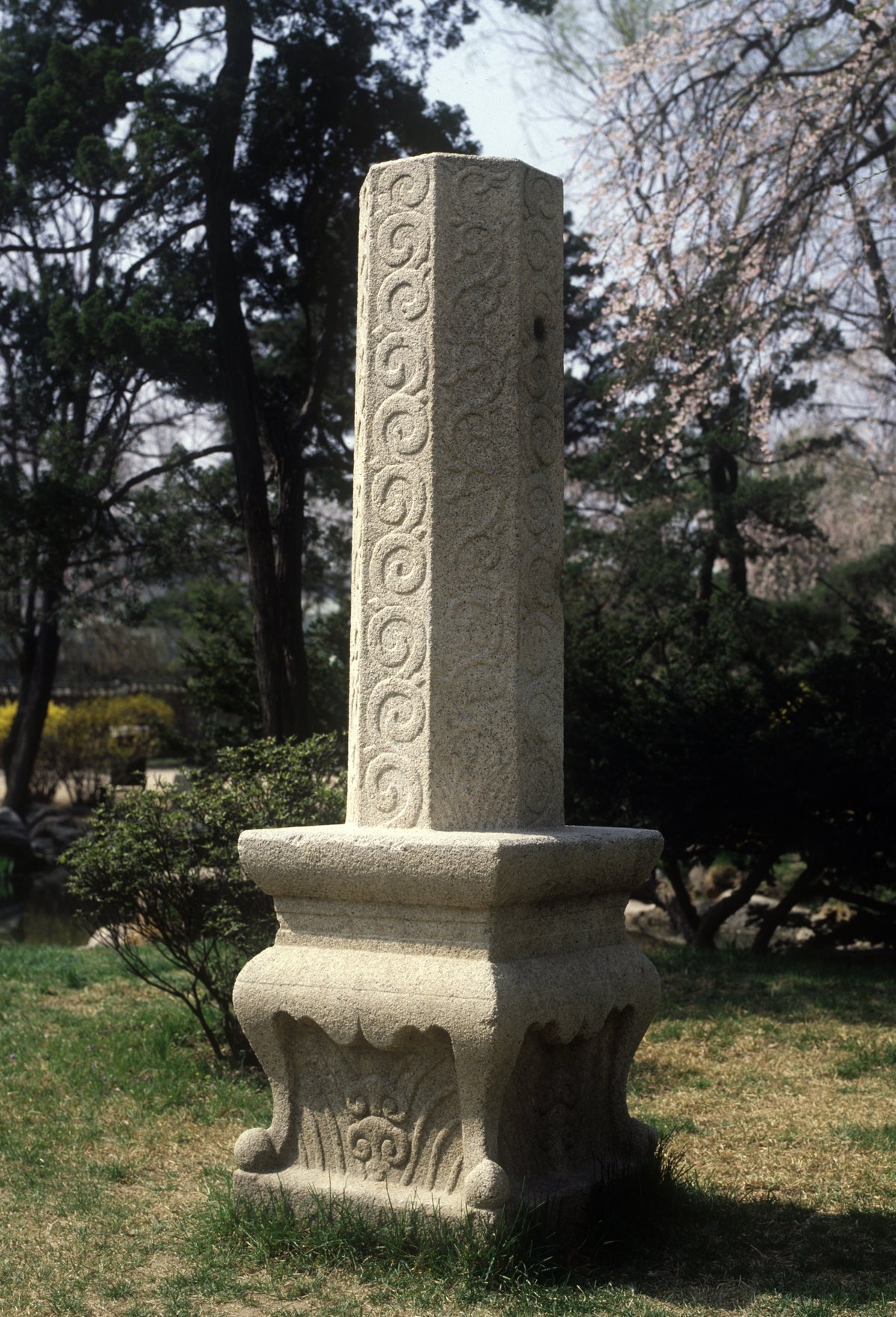
- Spring & Autumn: The garden is especially beautiful during these seasons.
Nearby Attractions and Suggested Itineraries
- Korea Furniture Museum: Traditional Korean home interiors.
- Bukchon Hanok Village: Historic hanok neighborhood.
- Changdeokgung Palace: UNESCO World Heritage site.
- Seongbukcheon Stream: Scenic walking path.
- Local Cafés/Restaurants: Enjoy Korean cuisine in Seongbuk-dong.
See more in Seoul Metropolitan Government and our articles on Seoul’s Top Cultural Attractions and Historic Hanok Villages in Seoul.
Special Events and Guided Tours
- Guided Tours: Occasionally available during exhibitions (usually in Korean; English materials provided).
- Special Exhibitions: Themed displays featuring highlights from the collection, sometimes accompanied by lectures and public programs.
Photography Policy
- Inside Galleries: Photography is generally prohibited to protect artworks.
- Garden and Exteriors: Permitted; check with staff for current policy.
Highlights of the Collection
- Hunminjeongeum Haerye (National Treasure No. 70): The only surviving commentary on the creation of Hangul.
- Celadon Prunus Vase (National Treasure No. 68): Exquisite Goryeo dynasty inlaid ceramics.
- Album of Genre Paintings by Hyewon (National Treasure No. 135): Depictions of everyday life by Sin Yun-bok.
- Donggukjeongun (National Treasure No. 71): Important historical text.
- Geumdong Gyemimyeong Samjonbul (National Treasure No. 72): Gilt-bronze Buddhist sculpture.
Exhibitions frequently showcase rare works from the Joseon Dynasty, Korean Empire, and beyond, along with newly unveiled pieces and Kansong’s own archival documents.
Frequently Asked Questions (FAQ)
Q: When is the Gansong Art Museum open to the public?
A: The museum is open for two weeks in May and October, during special exhibitions. Check the official website for exact dates.
Q: How do I get Gansong Art Museum tickets?
A: Admission is free but requires advance online reservation. Book through the official website once dates are announced.
Q: Is the museum accessible for visitors with disabilities?
A: The historic building has limited accessibility. Contact the museum in advance to discuss specific needs.
Q: Are guided tours available?
A: Occasionally, during exhibition periods. Most are in Korean, but English guides and materials are provided.
Q: Can I take photographs inside?
A: Photography is generally prohibited inside galleries; outdoor photography is permitted.
Listen to the full story in the app
The whole Gansong Art Museum,
told well.
Audio guides for 1,100+ cities across 96 countries. History, stories, and local insight — offline ready.
Verified, and shown.
Researched and written by the Audiala editorial team from historical records, architectural archives, and local expertise.
Researched from Wikidata, Wikipedia & official sources · fact-checked · How we make our guides →