Plan and listen to Ewha Womans University with Audiala.
Audio guide in your pocket, itinerary in your browser. Built for the way you actually visit.
Introduction
Ewha Womans University, located in Seoul's vibrant Seodaemun District, is a premier educational institution and a living symbol of Korea’s progress in women’s empowerment, academic innovation, and architectural excellence. Established in 1886 as the nation’s first modern school for women, Ewha has grown into the world’s largest women’s university, seamlessly blending historic legacy with contemporary dynamism. Its campus features iconic structures, cultural assets, and seasonal beauty, making it a must-visit destination for travelers seeking Seoul’s historical and cultural highlights (New World Encyclopedia; Wikipedia).
This comprehensive guide covers Ewha’s history, campus attractions, visiting hours, ticketing, accessibility, and nearby neighborhoods, providing everything you need to plan an enriching visit.
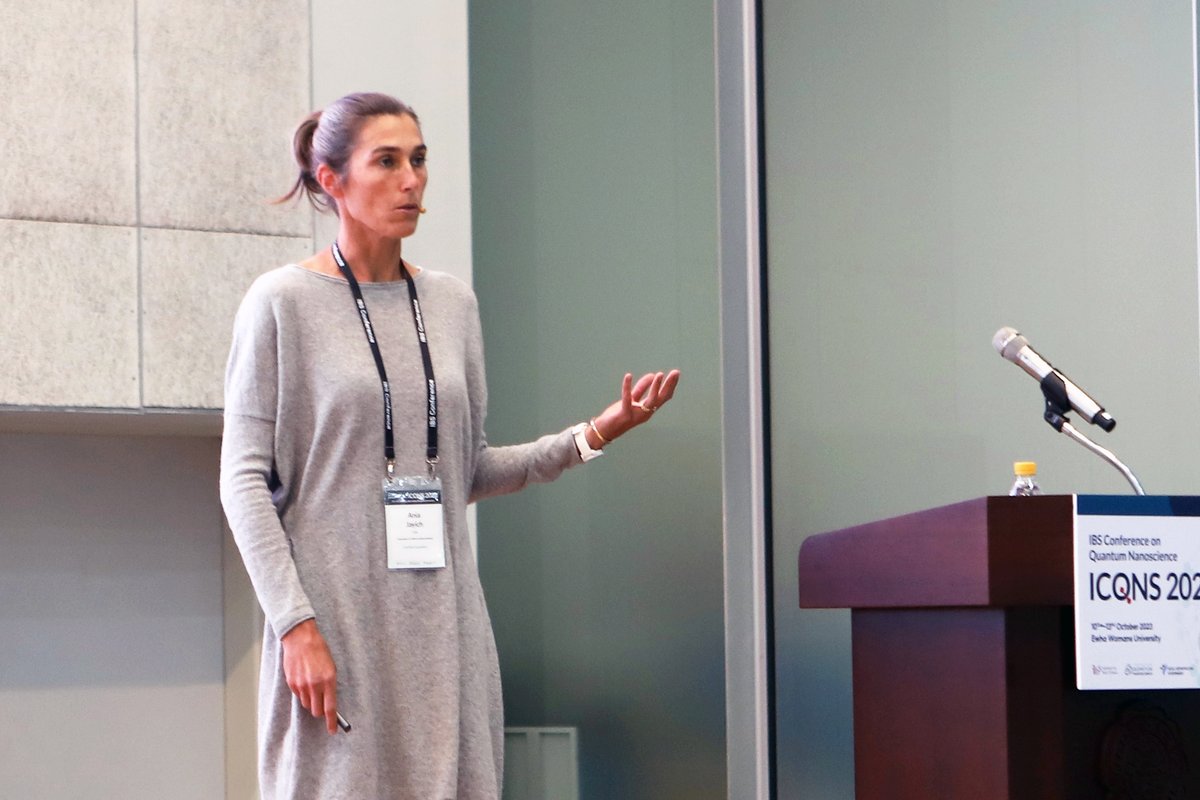
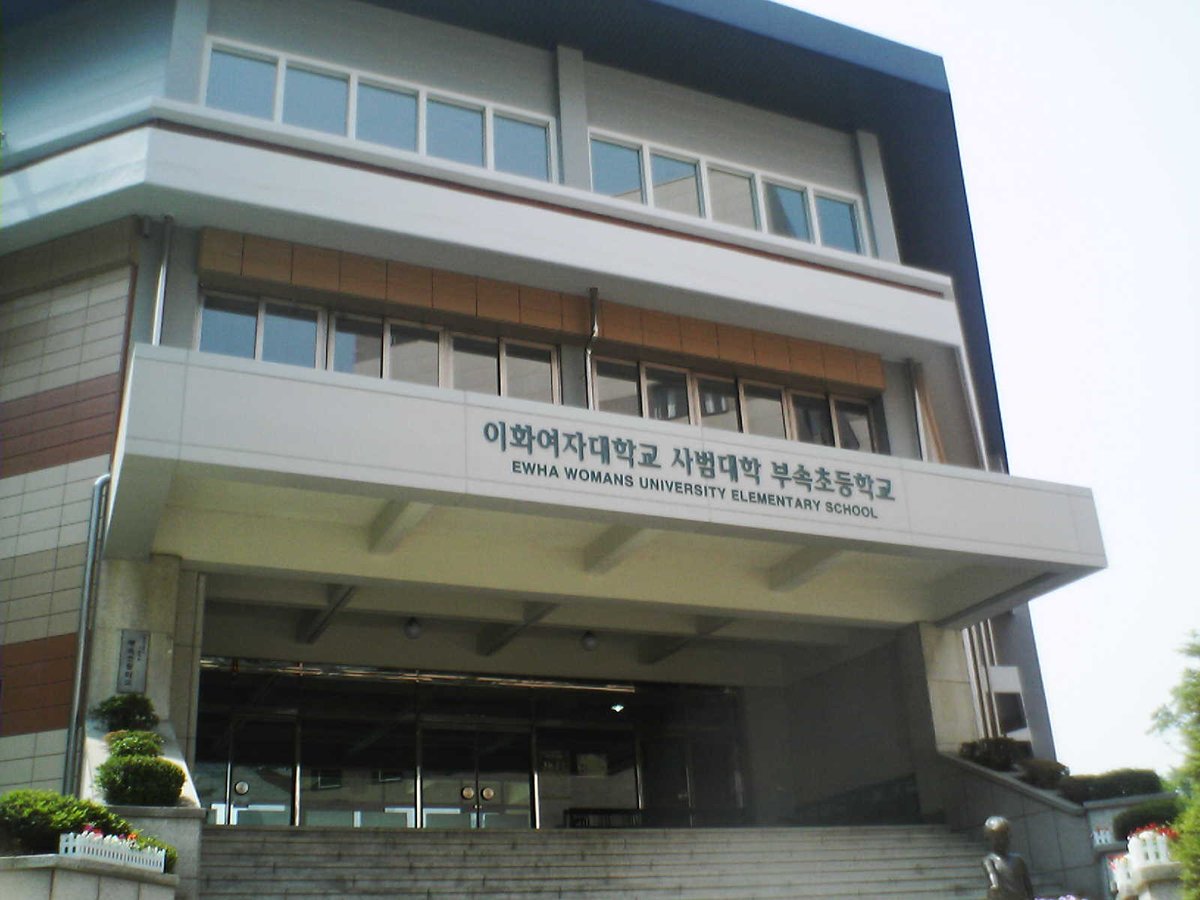
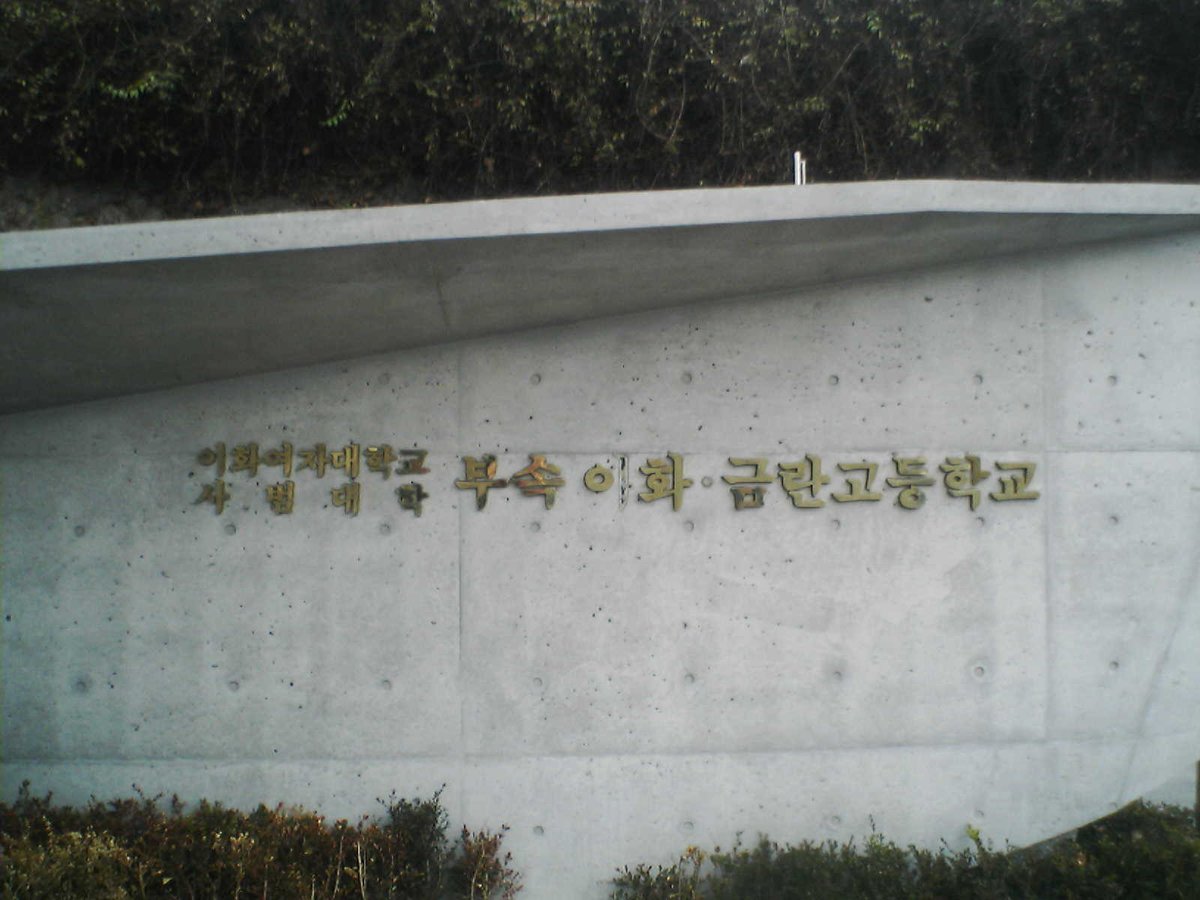
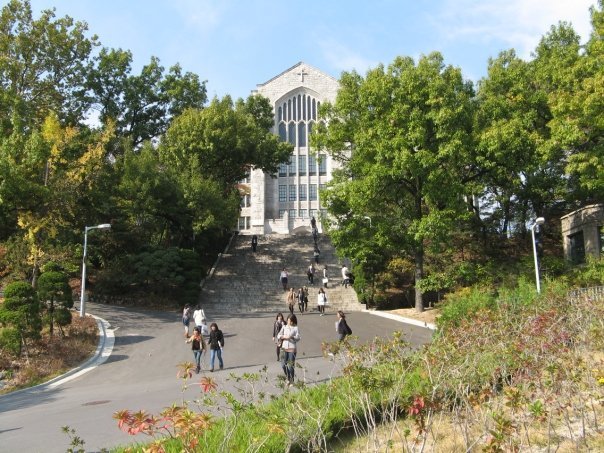

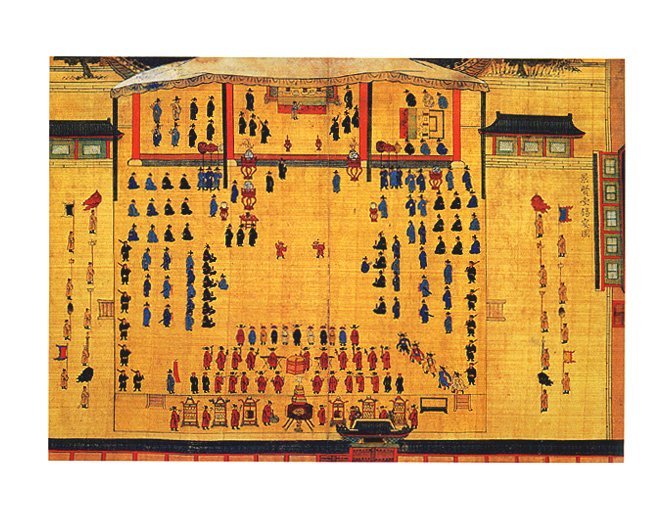
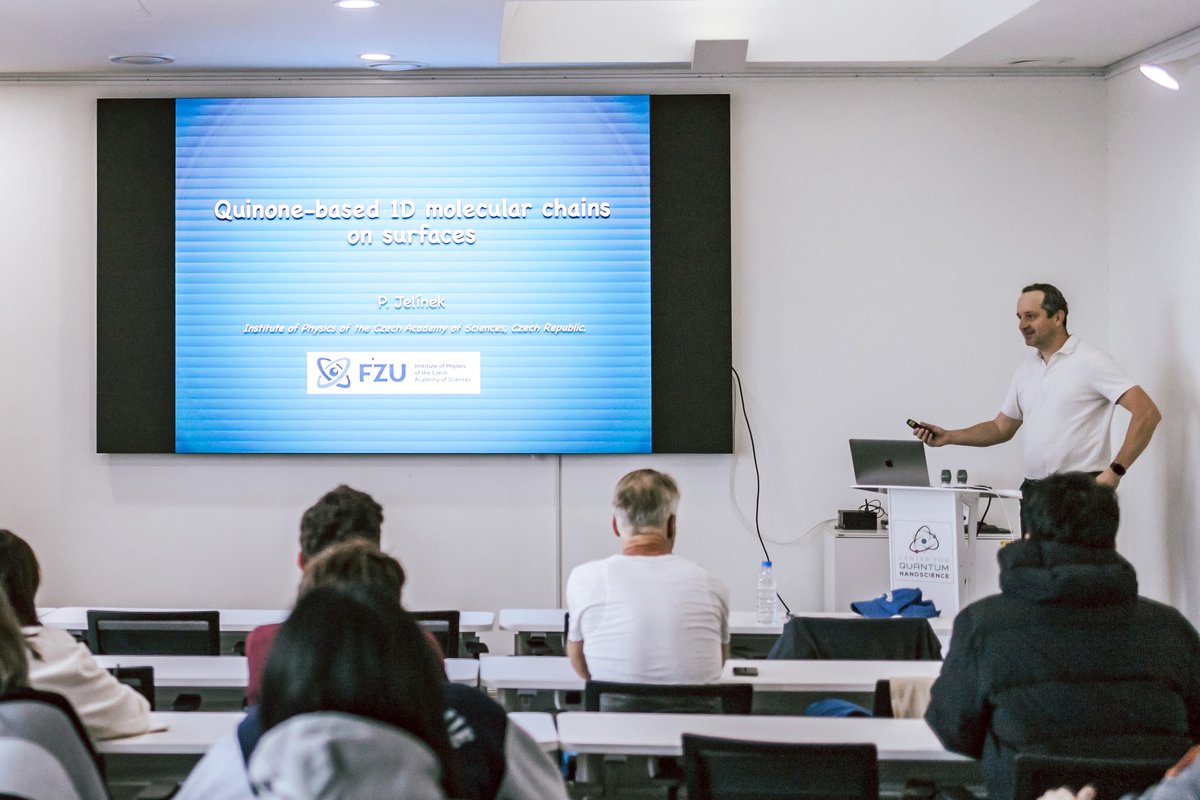
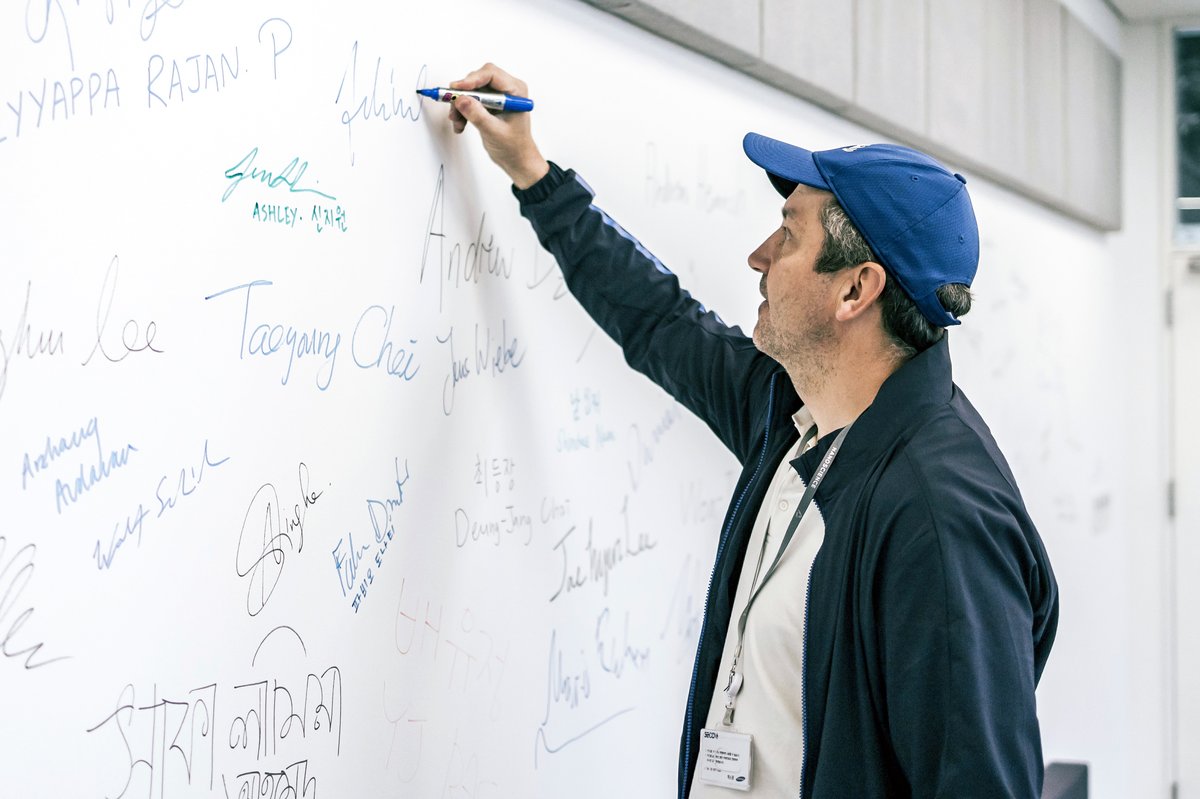
About Ewha Womans University
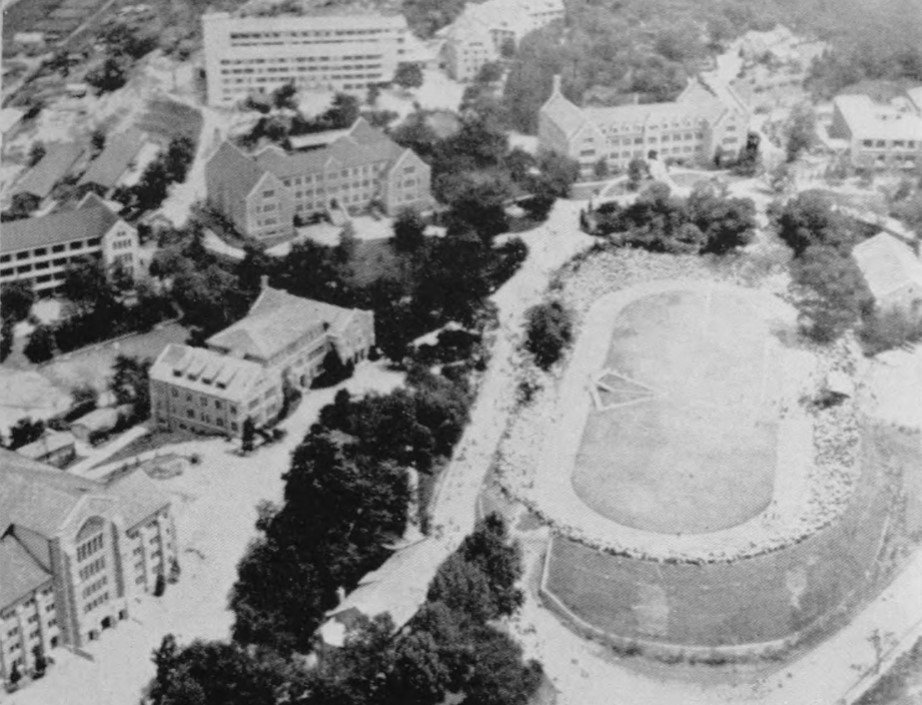
Founded by Mary F. Scranton in 1886, Ewha Womans University began as Ewha Haktang, Korea’s first school for women. Its name, meaning “Pear Blossom,” was given by Emperor Gojong and remains a motif throughout the campus (Wikipedia). Ewha’s evolution from a single-student mission school to a comprehensive university mirrors Korea’s modernization and the advancement of women’s rights (New World Encyclopedia).
Historical Development
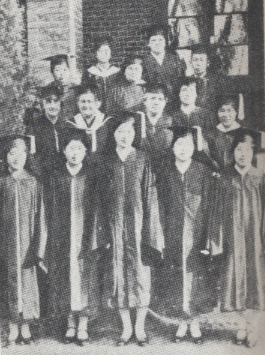
- Founding & Early Years: Established in a time when women’s education was rare, Ewha led the way in providing opportunities for women in Korea. By 1910, college-level courses were introduced, and professional programs followed in 1925 (New World Encyclopedia).
- University Status: After Korea’s liberation in 1945, Ewha obtained university status, further expanding its academic offerings and establishing Korea’s first university art department (Wikipedia; Study at University).
- Pioneering Achievements: Ewha produced many of Korea’s first female professionals in medicine, law, academia, and government, including the country’s first female doctor, PhD holder, lawyer, Constitutional Court justice, and prime minister (New World Encyclopedia).
- Social Impact: Ewha has been central to women’s rights activism, challenging gender discrimination and advocating for social reform (Korea Trip Guide).
Campus Highlights
Pfeiffer Hall
The historic heart of Ewha, Pfeiffer Hall (1935), is a Gothic-style landmark and registered cultural asset, symbolizing Ewha’s heritage and Christian roots (Ewha Welcome Center).
Ewha Campus Complex (ECC)
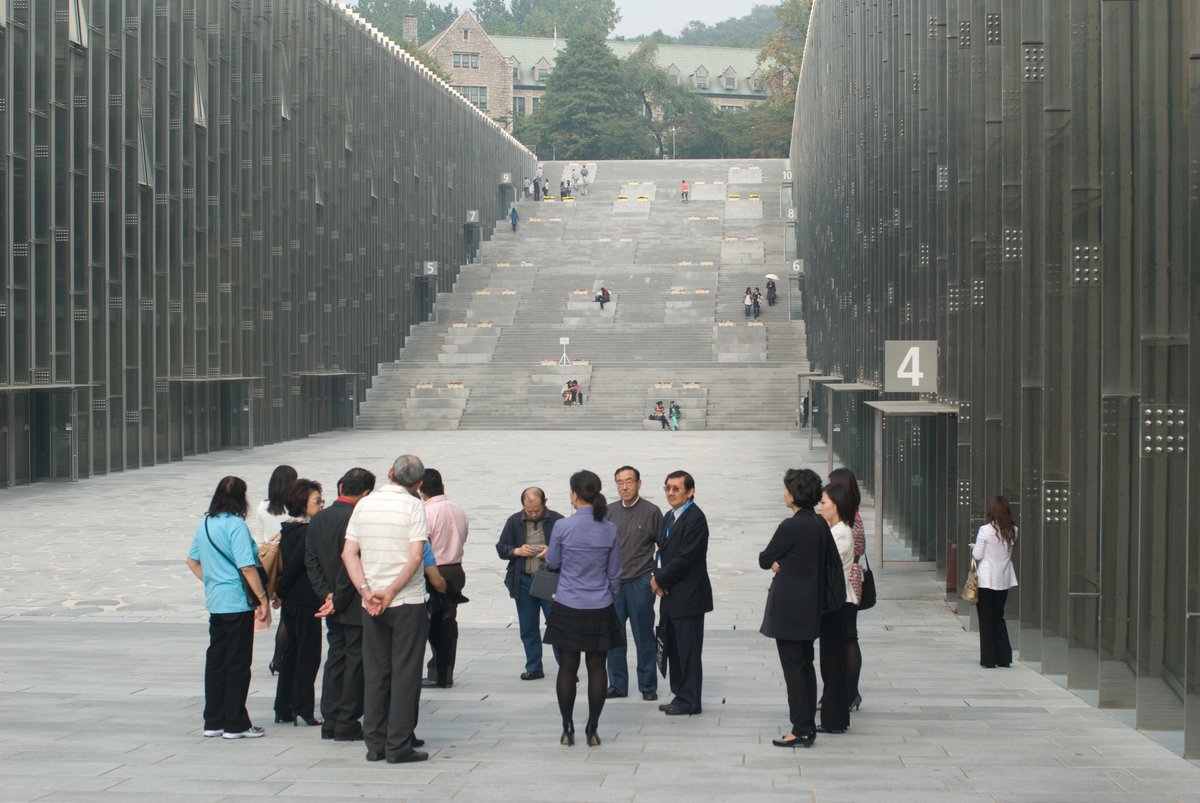
A marvel of modern architecture, the ECC is Korea’s largest underground campus facility, designed by Dominique Perrault. Its valley-like design integrates natural light and public space, housing lecture halls, theaters, cafes, and gardens (ArchDaily).
Jinseonmi-gwan
Named after Ewha’s core virtues—knowledge (jin), goodness (seon), and beauty (mi)—this building reflects the university’s holistic educational philosophy.
Ewha Archives
A hanok-style building commemorating Ewha’s beginnings, the Archives offers exhibitions and educational programs (Ewha Campus Guide PDF).
Welch-Ryang Auditorium
A major cultural venue with state-of-the-art facilities, hosting events and performances.
Ewha-POSCO Building
A modern facility supporting multimedia education and social science research.
Ewha Womans University Museum
Founded in 1935, the museum houses Korean art, ceramics, and national treasures, offering both permanent and special exhibitions (Wikipedia).
Outdoor Spaces
The campus is renowned for its cherry blossoms in spring and colorful foliage in autumn, providing scenic spots for relaxation and photography (Creatrip).
Amenities
Visitors can find souvenir shops, cafes, and lounges throughout the campus, with Ewha-branded merchandise available at the Welcome Center, ECC, and the museum (Creatrip).
Visiting Information: Hours, Tickets, and Accessibility
- Visiting Hours: The campus is generally open to visitors from 9:00 AM to 6:00 PM daily. ECC and major facilities adhere to similar hours; some buildings may close earlier or be restricted during holidays or special events (Ewha Official).
- Admission: Access to campus grounds and most public areas is free. Fees may apply for special museum exhibitions or events.
- Guided Tours: Group and themed tours are available by reservation. English tours are typically offered weekly; check with the Ewha Welcome Center for details.
- Accessibility: The campus features ramps, elevators, and accessible restrooms, making it wheelchair-friendly (Ewha Campus Guide PDF).
- Etiquette: Visitors should maintain a respectful atmosphere, avoid disturbing academic activities, and observe photography guidelines.
Student Life and Campus Culture
Ewha’s student community exceeds 22,000, with a diverse mix of Korean and international students across 11 colleges and 15 graduate schools (Britannica). The campus is lively with academic societies, cultural organizations, sports teams, and advocacy groups, all contributing to a dynamic and inclusive atmosphere (Ewha Official). Annual highlights include the Ewha Spring Festival, art exhibitions, and public lectures.
The ECC and Centennial Library are hubs for academic and social activities, while the grounds offer tranquil spaces for relaxation, especially during spring blossoms and autumn foliage (Bring You; KoreaToDo).
Exploring the Surrounding Neighborhood
Ewha Shopping District (Edae)
Just outside the main gate, Edae is famous for affordable fashion, K-beauty shops, trendy cafes, and diverse street food (Prepare Travel Plans). It’s a favorite hangout for students and travelers alike.
Nearby Neighborhoods
- Sinchon: Offers nightlife, international dining, and festivals.
- Hongdae: Known for street art, live music, and youth culture.
- Myeong-dong: A central shopping destination.
- Gwanghwamun & Gyeongbokgung Palace: Rich in history and traditional architecture.
- Bukchon Hanok Village: Features traditional Korean houses and artisan workshops.
Parks and Relaxation
Nearby, Cheonggyecheon Stream and Seoul Forest provide green escapes within the city.
Seasonal Highlights and Events
- Spring: Cherry blossoms and pear trees bloom; the campus hosts its Spring Festival (KoreaToDo).
- Autumn: Vibrant foliage, ideal for photography and leisurely walks (Trip.com).
- Cultural Events: Art exhibitions, performances, and academic conferences are regularly held, with many open to the public.
Practical Visitor Tips
- Getting There: Ewha is easily accessed from Seoul Subway Line 2, Ewha Womans University Station (Exit 2 or 3) (KoreaToDo).
- Facilities: Public restrooms and WiFi are widely available; navigation apps like KaKaoMap are recommended.
- Best Time to Visit: Spring (March–May) and autumn (September–November) for mild weather and campus beauty.
- Dining: The area offers a range of dining options, including vegetarian and halal-friendly eateries.
- Safety: The campus and surrounding neighborhood are safe and student-friendly, with security personnel and well-lit paths (Ewha Official).
- Etiquette: Respect campus rules, avoid restricted zones, and keep noise to a minimum.
Frequently Asked Questions (FAQ)
Q: What are the visiting hours for Ewha Womans University?
A: Generally 9:00 AM to 6:00 PM daily, but check the official website for updates.
Q: Is there an entrance fee?
A: Campus access is free; some exhibitions or events may require tickets.
Q: Are guided tours available?
A: Yes, by reservation. English tours are offered weekly; see the Welcome Center for details.
Q: How do I get to Ewha Womans University?
A: Take Seoul Subway Line 2 to Ewha Womans University Station, Exit 2 or 3.
Q: Is the campus wheelchair accessible?
A: Yes, with ramps, elevators, and accessible facilities.
Q: Can I take photos on campus?
A: Yes, in most outdoor areas, but avoid photographing students and restricted areas.
Listen to the full story in the app
The whole Ewha Womans University,
told well.
Audio guides for 1,100+ cities across 96 countries. History, stories, and local insight — offline ready.

Verified, and shown.
Researched and written by the Audiala editorial team from historical records, architectural archives, and local expertise.
Researched from Wikidata, Wikipedia & official sources · fact-checked · How we make our guides →