Plan and listen to Dongdaemun Design Plaza & Park with Audiala.
Audio guide in your pocket, itinerary in your browser. Built for the way you actually visit.
Introduction
Dongdaemun Design Plaza (DDP) stands as a landmark of Seoul’s vibrant blend of tradition and innovation. Designed by renowned architect Zaha Hadid, the DDP is not only a marvel of neofuturistic architecture but also a testament to the city’s layered history, integrating remnants of the Joseon Dynasty’s Seoul Fortress Wall and the former Dongdaemun Stadium. This comprehensive guide provides essential information for visitors, including DDP’s visiting hours, ticketing, accessibility, nearby attractions, and highlights of Seoul’s historical sites.
Whether you are an architecture enthusiast, history lover, or cultural explorer, the Dongdaemun Design Plaza offers an enriching experience, bridging Seoul’s ancient roots and its modern design aspirations. For the latest updates, ticket bookings, and event information, always refer to the official DDP website and trusted tourism portals (Seoul Solution; KoreaToDo).

Origins of the Dongdaemun Site
The Dongdaemun area, meaning "Great East Gate," takes its name from Heunginjimun, one of the original gates of the Seoul Fortress Wall constructed during the late 14th century Joseon Dynasty. It evolved from a defensive stronghold into a thriving commercial and cultural district (Seoul Solution). Prior to DDP’s construction, the site housed the Dongdaemun Stadium (1925–2007), a center for sports and community life. Remnants of the stadium, such as preserved seating and lighting, remain as memorials to this legacy (Travel Stained).
Urban Renewal and Architectural Vision
In the early 2000s, Dongdaemun’s bustling yet congested commercial zone prompted a city-led urban renewal initiative. The 2006 General Downtown Creation Plan aimed to transform the site into a global design hub while safeguarding its heritage (Seoul Solution). An international architectural competition led to Zaha Hadid’s winning “Metonymic Landscape” concept, which harmoniously interacts with the site's historical context (Wikipedia).
Heritage Preservation and Construction
Construction began in 2009, following the demolition of the stadium. Archaeological excavations unearthed sections of the ancient fortress wall, the Hadogam military site, and the Igansumun Floodgate. These discoveries were respectfully integrated into the Dongdaemun History & Culture Park adjacent to the plaza, where visitors can explore preserved fortress walls, historical exhibition spaces, and memorial halls (Seoul Solution). Underground galleries within DDP further showcase these archaeological treasures (Iconiq Taste).
Architectural Features and Design Significance
Zaha Hadid’s DDP is celebrated as the world’s largest 3D amorphous structure, spanning about 85,000 square meters and featuring over 40,000 uniquely shaped aluminum panels (Samsung C&T Newsroom). The building’s flowing lines and organic forms create a striking contrast with the urban surroundings, while its spatial organization fosters a dialogue between Seoul’s historic and contemporary identities (The Soul of Seoul).
Cultural and Social Impact
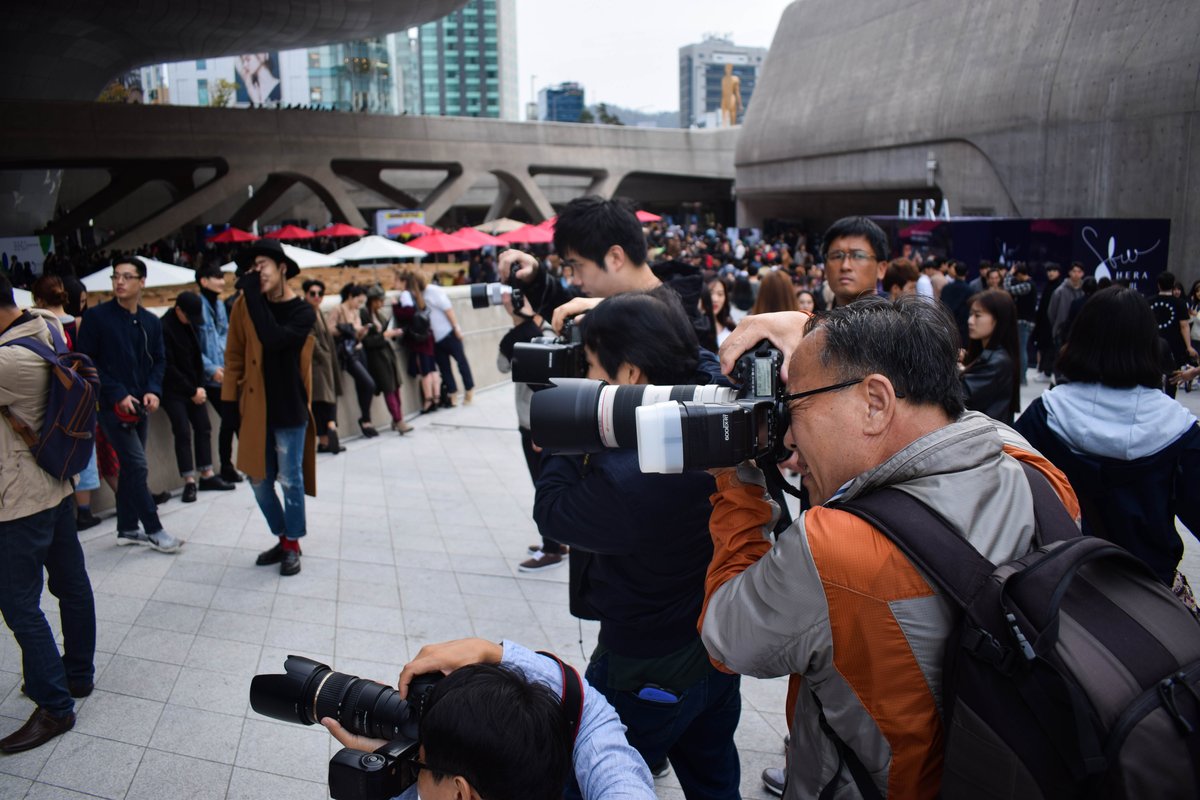
Beyond its architectural significance, DDP has transformed Dongdaemun into a pedestrian-friendly, eco-conscious public space. Initiatives such as geothermal energy use and green landscaping underscore its commitment to sustainability (Iconiq Taste). DDP also nurtures creative industries and supports emerging designers through its Design Lab and Market, while serving as a hub for major cultural events like Seoul Fashion Week (Agoda).
Visitor Information
Visiting Hours
- General opening hours: 10:00 AM – 7:00 PM (hours may be extended for special events)
- Exhibition halls: 10:00 AM – 7:00 PM (Tue, Thu, Sat, Sun); 10:00 AM – 9:00 PM (Wed, Fri)
- Design Market & Design Lab: Open until 10:00 PM
- Museum: 9:00 AM – 6:00 PM; closed Mondays and major holidays (Wander with Jin)
- Closed: New Year’s Day, Seollal, Chuseok, and every third Monday of the month for certain sections (Visit Korea)
Ticket Prices
- Plaza and park: Free entry
- Special exhibitions and events: Ticket prices vary (usually 0–10,000 KRW); check official DDP website for details
Transportation and Accessibility
- Subway: Dongdaemun History & Culture Park Station (Lines 2, 4, 5), Exit 1
- Subway: Dongdaemun Station (Lines 1, 4), Exit 7
- Bus: Numerous lines serve the area
- Accessibility: Fully wheelchair accessible with ramps, elevators, and restrooms
Facilities and Amenities
- Information desks with multilingual staff
- Free Wi-Fi; lockers; family rooms; nursing stations
- Lost and found at main info desk
Events and Guided Tours
- Major events: Seoul Fashion Week, SeouLight projection mapping, Spring Festival, design fairs
- Guided tours: Available in Korean and English (check DDP website for schedules)
Best Photo Spots
- Rooftop garden for panoramic views
- Nighttime LED lighting and SeouLight installations
- Historic fortress wall sections in the adjacent park
Key Historical Features
- Dongdaemun History & Culture Park: Preserves fortress wall sections, the Igansumun Floodgate, and Joseon-era archaeological sites (Seoul Solution)
- Dongdaemun History Museum: Exhibits artifacts and excavation records; free entry (Wander with Jin)
- Stadium Memorial: Commemorates the former Dongdaemun Stadium
- Integration with Traditional Markets: Dongdaemun Market and Gwangjang Market for shopping and food
Frequently Asked Questions (FAQ)
Q: Are there entrance fees to visit the Dongdaemun Design Plaza?
A: Entry to the plaza and park is free. Tickets are required for select exhibitions and guided tours.
Q: What are the Dongdaemun Design Plaza visiting hours?
A: General hours are 10:00 AM to 7:00 PM; museums and events may have specific schedules.
Q: Is DDP accessible for visitors with disabilities?
A: Yes, DDP provides full accessibility, including ramps, elevators, and accessible restrooms.
Q: Are guided tours available in English?
A: Yes, English tours are available; check the DDP website for times and booking.
Q: How do I get to DDP by subway?
A: Use Dongdaemun History & Culture Park Station (Lines 2, 4, 5, Exit 1) or Dongdaemun Station (Lines 1, 4, Exit 7).
Q: What nearby attractions should I visit?
A: Dongdaemun Market, Gwangjang Market, Cheonggyecheon Stream, and Heunginjimun Gate are all within walking distance.
Legacy and Continuing Significance
Dongdaemun Design Plaza exemplifies Seoul’s ongoing evolution, merging historic preservation with bold modernity. Its transformation from fortress site to stadium, and now to a global design hub, mirrors the city’s own journey. DDP’s design, cultural programming, and integration with historical features make it an essential stop for anyone seeking to experience Seoul’s unique identity (Iconiq Taste).
Summary and Visitor Recommendations
Dongdaemun Design Plaza is a dynamic symbol of Seoul’s ability to harmonize its historic legacy with forward-thinking design. Visitors can explore innovative architecture, discover archaeological remains, attend world-class exhibitions, and immerse themselves in cultural events—all in a single, accessible location. With free public access and affordable exhibition tickets, DDP welcomes a diverse audience. For a smooth visit, check current visiting hours and event schedules on the official website, and consider downloading the Audiala app for personalized travel tips.
Listen to the full story in the app
The whole Dongdaemun Design Plaza & Park,
told well.
Audio guides for 1,100+ cities across 96 countries. History, stories, and local insight — offline ready.
Verified, and shown.
Researched and written by the Audiala editorial team from historical records, architectural archives, and local expertise.
Hechi Fantasy Castle, 2025, Seoul Metropolitan Government
Researched from Wikidata, Wikipedia & official sources · fact-checked · How we make our guides →