
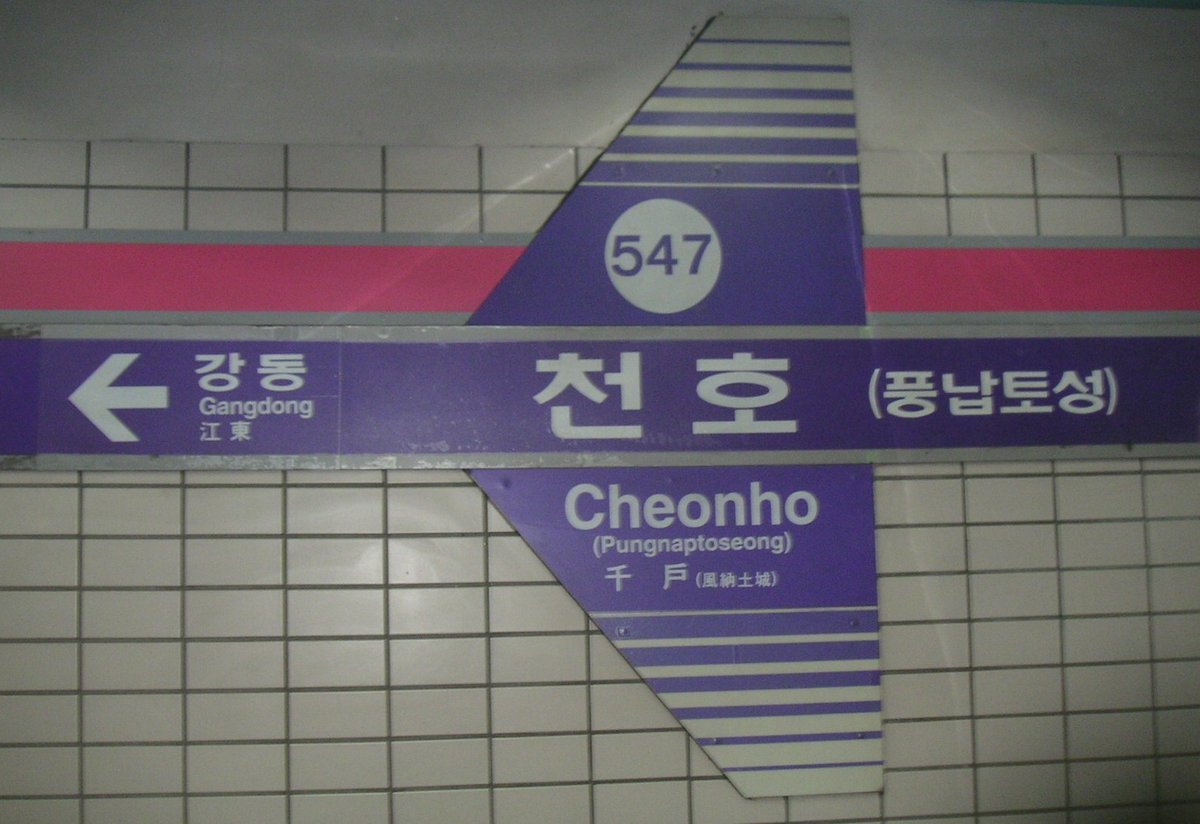
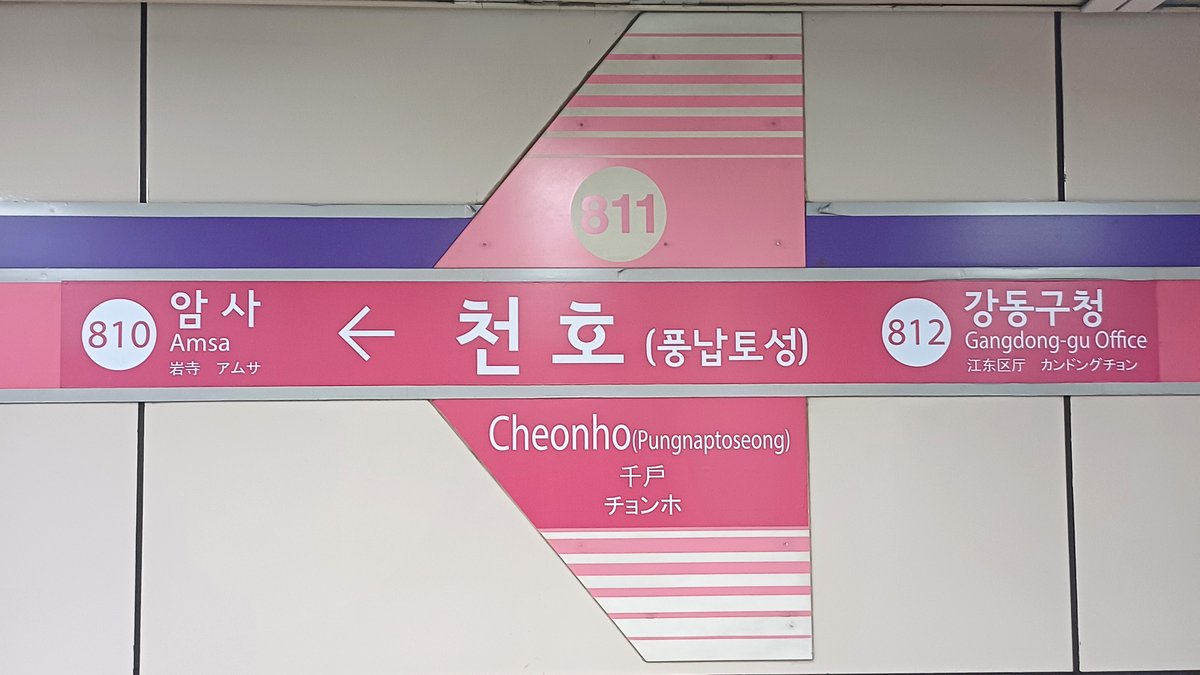
What Cheonho Station Is
Cheonho Station is a major interchange on Seoul Metro Lines 5 and 8 in Gangdong-gu, eastern Seoul. It is both a transport hub and a starting point for exploring the area’s ancient heritage and modern city life (Seoul Suburban; Open Korea; Klook).
History
Pungnaptoseong and the Baekje Kingdom
Near Exit 10, Pungnaptoseong (풍납토성) is an earthen fortress dating to the 1st century BCE. It once formed the heart of Hanseong Wiryeseong, the first capital of the Baekje Kingdom. Its strategic riverside position and surviving fortress walls reflect Seoul’s ancient urban development (Seoul Suburban; Open Korea).
Artifacts emerged after the 1925 Han River flood, bringing the site back to attention. Major archaeological excavations, especially during the 1990s, revealed insights into early Korean society and urban planning. Pungnaptoseong is now preserved as a designated Historic Site, with educational signage and walking trails in Pungnap Neighborhood Park (Klook; Seoul Metropolitan Government).
Cheonho’s Urban and Community History
During the 20th century, including under Japanese colonial rule, Cheonho’s historic sites became part of Seoul’s expanding transport and urban infrastructure. The opening of Cheonho Station represents the connection between the area’s past and modern city life (Open Korea).
Cheonho Market, near Exit 1, is a local gathering place for fresh produce, traditional foods, and herbal remedies. Seasonal festivals and cultural events reflect the district’s historical identity (Klook).
What to See
Pungnaptoseong
Explore the fortress walls and the walking trails in Pungnap Neighborhood Park. The earthen walls and Han River views are also among the area’s photo spots. Early morning and late afternoon are noted as good times for photography.
Cheonho Monument
Established in 1995, the Cheonho Monument commemorates the region’s historical evolution. Its sculptures and inscriptions describe the area’s strategic importance from the Joseon Dynasty to the present.
The monument is a short walk from Cheonho Station, with accessible pathways and clear signage. Its landscaped grounds and Han River views are also suitable for photography. English brochures are available at the visitor center, and the site is wheelchair-accessible and family-friendly.
Music performances, exhibitions, and historical reenactments are held throughout the year. Check the Seoul Cultural Calendar for schedules.
Practical Visiting Information
Hours and Tickets
- Pungnaptoseong and Pungnap Neighborhood Park Open year-round from dawn to dusk; free admission.
- Cheonho Station Operates daily from approximately 5:30 AM to midnight; check schedules for the individual lines.
- Cheonho Monument Open daily, 9:00 AM–6:00 PM; free admission.
Single-ride subway tickets and rechargeable T-money cards are available at station kiosks and convenience stores. Coin-operated lockers are available at the station.
Station Transport and Facilities
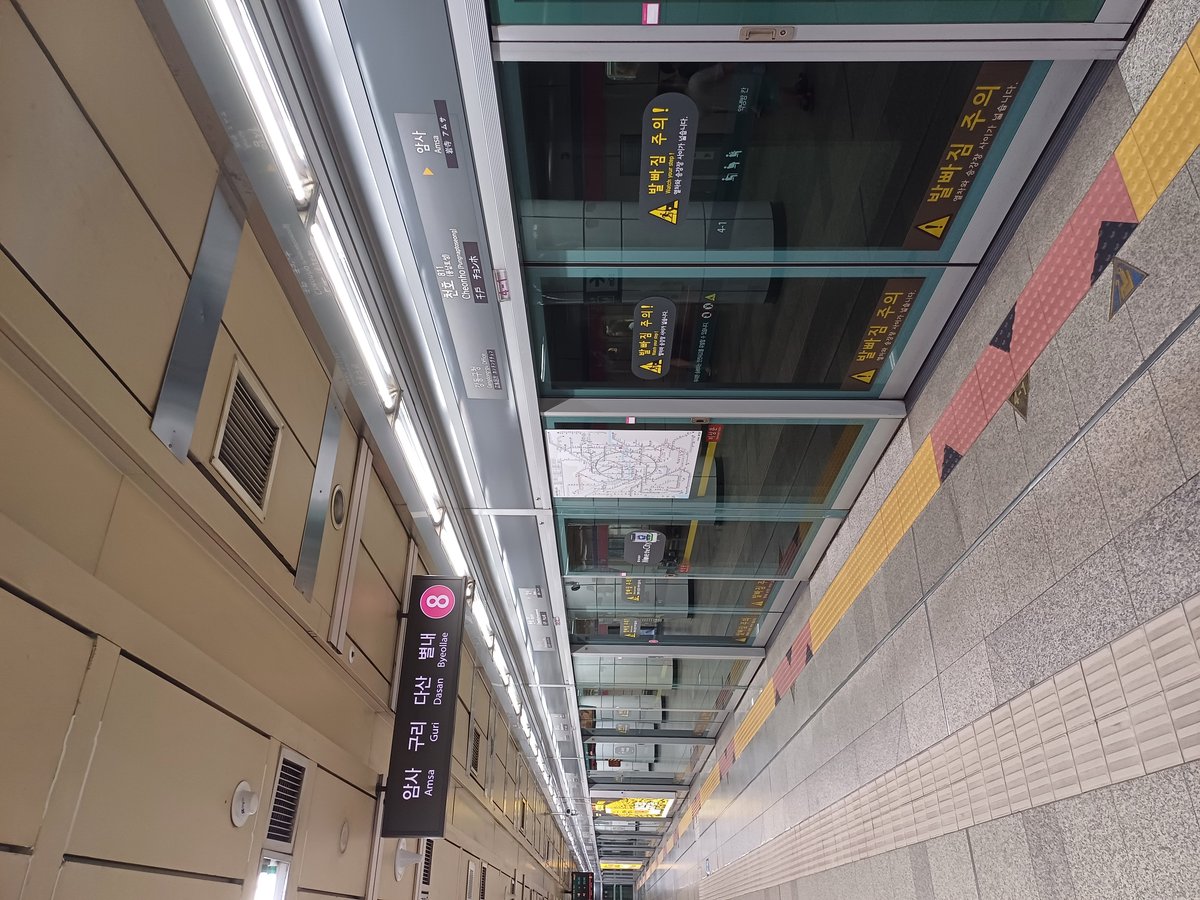
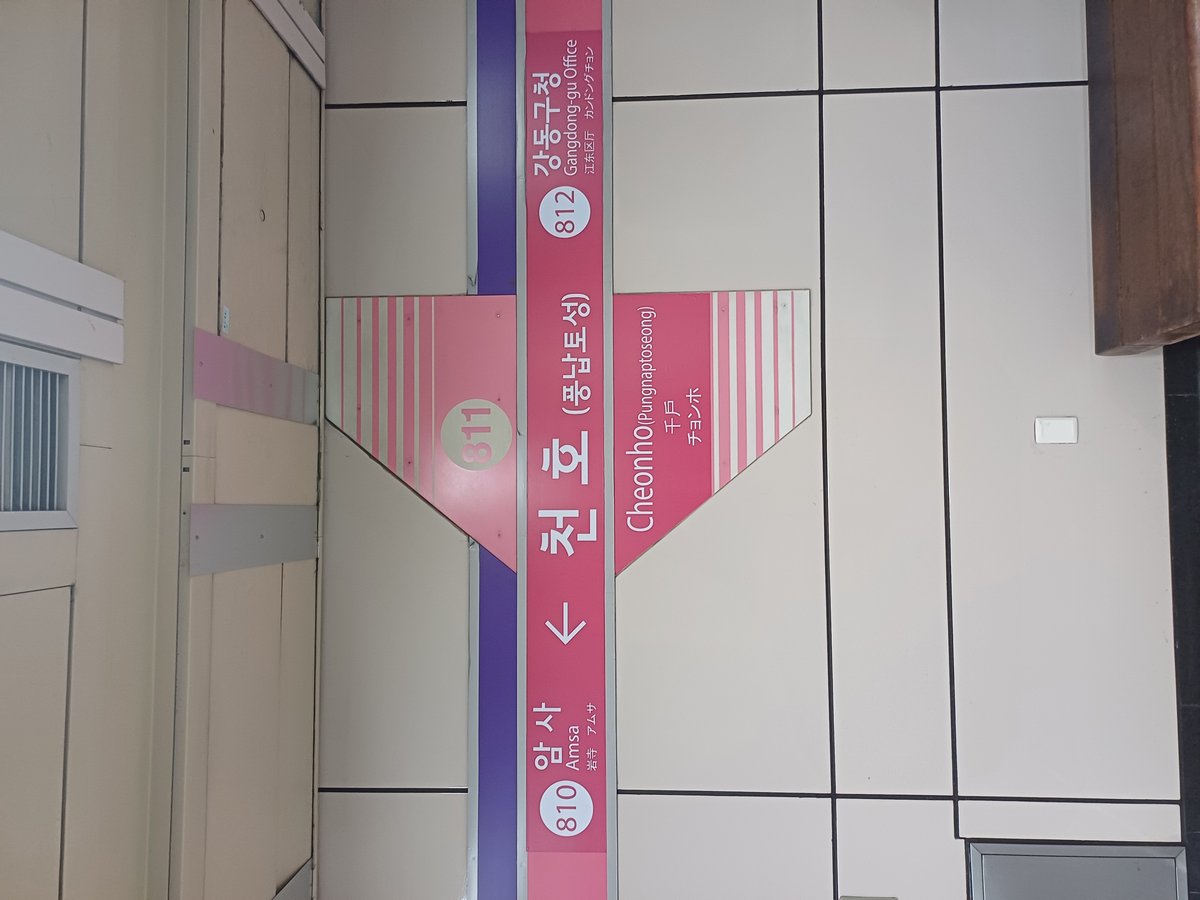
Cheonho Station serves Lines 5 (purple) and 8 (pink), with four platforms for transfers (Klook). Facilities include elevators, ramps, tactile paving, accessible restrooms, digital maps, lockers, and bilingual or multilingual signage (Visit Seoul).
Numerous city and district buses serve the area, including low-floor accessible buses (KoreaTravelPost). Wheelchair-accessible yellow call taxis can be reserved in advance; standard taxis and rideshare apps are also available.
The AREX Airport Express connects Incheon and Gimpo airports to Seoul Station, where travelers can transfer to Line 5 for Cheonho. Limousine buses stop at major hotels but may not be fully accessible.
Apps for transit information and route planning include “Seoul Subway,” “Metroid Korea Subway Info,” KakaoMap, and Naver Maps. Digital resources can provide real-time transit information (Visit Seoul).
Tours, Contacts, and Other Services
Educational guided tours are occasionally available through local tourism offices and can be pre-booked (Official Seoul Tourism). Guided tours of the Cheonho Monument are available on weekends and public holidays and can be booked in advance.
- Korea Travel Hotline +82-1330
- Seoul Tourist Info +82-2-731-2120 (Seoul Metropolitan Government)
- Emergency 112 (police), 119 (fire/medical)
Local eateries, markets, and convenience stores are available around the station. Dining options mentioned for the area range from street food to hanok cafés. Tipping is not customary in Korea.
Tips
- Visit on weekdays to avoid crowds, and avoid subway peak hours of 7–9 AM and 6–8 PM.
- T-money cards are recommended for fare payment and seamless transfers.
- Wear comfortable shoes for the walking trails.
- Spring visits offer cherry blossoms and forsythia in nearby parks. Cheonho Park’s cherry blossoms usually appear in early to mid-April.
- Carry water and dress in layers during spring. Respect local customs and park rules.
- Security personnel and CCTV are present throughout the stations.
- Reserve accessible taxis in advance (KoreaTravelPost).
- The Audiala mobile app is promoted for real-time transit updates, guided tour booking, and insider tips on Seoul’s attractions.
Nearby Places
Cheonho Park
The park has cherry blossoms in early to mid-April, a musical fountain, restrooms, shaded seating, and walking paths. Avoid shaking the cherry trees (Seoul Korea Asia).
Eungbongsan Mountain
Forsythia blooms in late March to early April, and the mountain offers panoramic city views. The hike takes about 30 minutes; early morning is suggested for fewer crowds.
Namsan Dulle-gil and N-Seoul Tower
Take Line 4 to Hoehyeon Station, then hike or use the cable car. Highlights include panoramic city views, an observation deck, and love locks (Korea Travel Planning).
Han River Parks (Yeouido)
Highlights include a cherry blossom festival, cycling, riverside picnics, and night markets. Bike rentals are available, and the area is especially vibrant in April.
Cheonggyecheon Stream
This urban walking path has art installations and night illuminations. Access is from Jonggak Station on Line 1 (Seoul Korea Asia).
Bukchon Hanok Village
The village has traditional Korean houses and artisan shops. It is accessible from Anguk Station on Line 3, Exit 3; entry is free. Respect residents’ privacy.
Gwanghwamun Square and Gyeongbokgung Palace
Highlights include statues, cultural performances, and the changing of the guard. Access is from Gwanghwamun Station on Line 5.
Culture Station Seoul 284
This site features art exhibitions, performances, and historic architecture. Access is from Seoul Station on Line 1.
Seoul Olympic Park
Highlights include the Olympic Stadium, museums, flower gardens, and public art. Access is from Hanseong Baekjae Station on Line 9.
Frequently Asked Questions (FAQ)
Q: What are the visiting hours for Pungnaptoseong?
A: It is open year-round from dawn to dusk, with free admission.
Q: How do I buy subway tickets?
A: Single-ride tickets are available at kiosks, and T-money cards can be obtained at kiosks or convenience stores.
Q: Is Cheonho Station wheelchair-accessible?
A: Yes. The station has elevators, ramps, and accessible restrooms.
Q: Are guided tours available?
A: Educational tours are occasionally available through local tourism offices. For information, check the official website.
Q: Are lockers available?
A: Yes. Coin-operated lockers are available in the station.