Plan and listen to Changdeokgung with Audiala.
Audio guide in your pocket, itinerary in your browser. Built for the way you actually visit.
Introduction
Changdeokgung Palace, often referred to as the 'Palace of Prospering Virtue', stands as a magnificent testament to Korea's rich historical and cultural heritage. Located in the heart of Seoul, South Korea, this palace is a splendid example of traditional Korean architecture and garden design, seamlessly blending with its natural surroundings. Constructed in the early 15th century during the reign of King Taejong, Changdeokgung has witnessed numerous historical events, including periods of destruction and restoration (Wikipedia). Its architectural layout and design principles, rooted in the concept of 'pungsu-jiri' (similar to feng shui), reflect an enduring harmony between human construction and the natural world (UNESCO). Designated as a UNESCO World Heritage Site in 1997, the palace's influence on Korean culture and architecture continues to be celebrated and preserved (UNESCO). This guide provides comprehensive information on the palace's history, architectural significance, visiting hours, ticket prices, and practical tips to ensure a memorable visit.

History of Changdeokgung Palace
Origins and Construction
Changdeokgung Palace was constructed in the early 15th century during the reign of King Taejong, the third king of the Joseon Dynasty. The construction began in 1405 and was completed in 1412. King Taejong chose to build Changdeokgung as a secondary palace to Gyeongbokgung, the primary palace established in 1395. The decision to construct a new palace was influenced by political strife and the need for a fresh start away from the power struggles associated with Gyeongbokgung (Wikipedia).
Architectural Significance
Changdeokgung Palace is renowned for its harmonious integration with the natural landscape, a principle rooted in traditional East Asian architecture. Unlike other palaces designed to dominate their surroundings, Changdeokgung was built to blend seamlessly with the topography of its location. This design philosophy is evident in the palace's layout, which follows the natural contours of the land, creating a sense of unity between the built environment and nature (UNESCO).
Historical Turmoil and Reconstruction
Throughout its history, Changdeokgung Palace has experienced significant turmoil. In 1592, during the Japanese invasions of Korea, the palace was burned down along with other royal residences. However, it was the first to be reconstructed in 1611, under the reign of King Gwanghaegun. This reconstruction marked the beginning of Changdeokgung's role as the primary royal residence for the next 250 years (Culture Trip).
Role as a Royal Residence
Changdeokgung Palace gained prominence as a royal residence starting from the reign of King Seongjong, the ninth king of the Joseon Dynasty. Several subsequent kings also chose to reside in Changdeokgung, solidifying its status as a significant royal palace. The palace complex included official and residential buildings, as well as the famous Huwon (Secret Garden), which served as a private retreat for the royal family (Wikipedia).
Japanese Occupation and Restoration
During the Japanese occupation of Korea (1910-1945), Changdeokgung Palace suffered extensive damage. Many of its buildings were destroyed or severely damaged. Today, only about 30% of the original structures survive. Despite this, Changdeokgung remains one of the best-preserved examples of Korean palatial architecture, thanks to ongoing restoration efforts (Wikipedia).
UNESCO World Heritage Site
In recognition of its historical and architectural significance, Changdeokgung Palace was designated a UNESCO World Heritage Site in 1997. The designation highlights the palace's exceptional value as an example of East Asian palace architecture and its harmonious integration with the natural landscape. The UNESCO listing also underscores the palace's influence on the development of Korean architecture, garden design, and related arts (UNESCO).
Key Historical Events
- 1405-1412: Construction of Changdeokgung Palace under King Taejong.
- 1592: Destruction of the palace during the Japanese invasions of Korea.
- 1611: Reconstruction of Changdeokgung Palace under King Gwanghaegun.
- 1910-1945: Extensive damage during the Japanese occupation of Korea.
- 1997: Designation as a UNESCO World Heritage Site.
Notable Features
Huwon (Secret Garden)
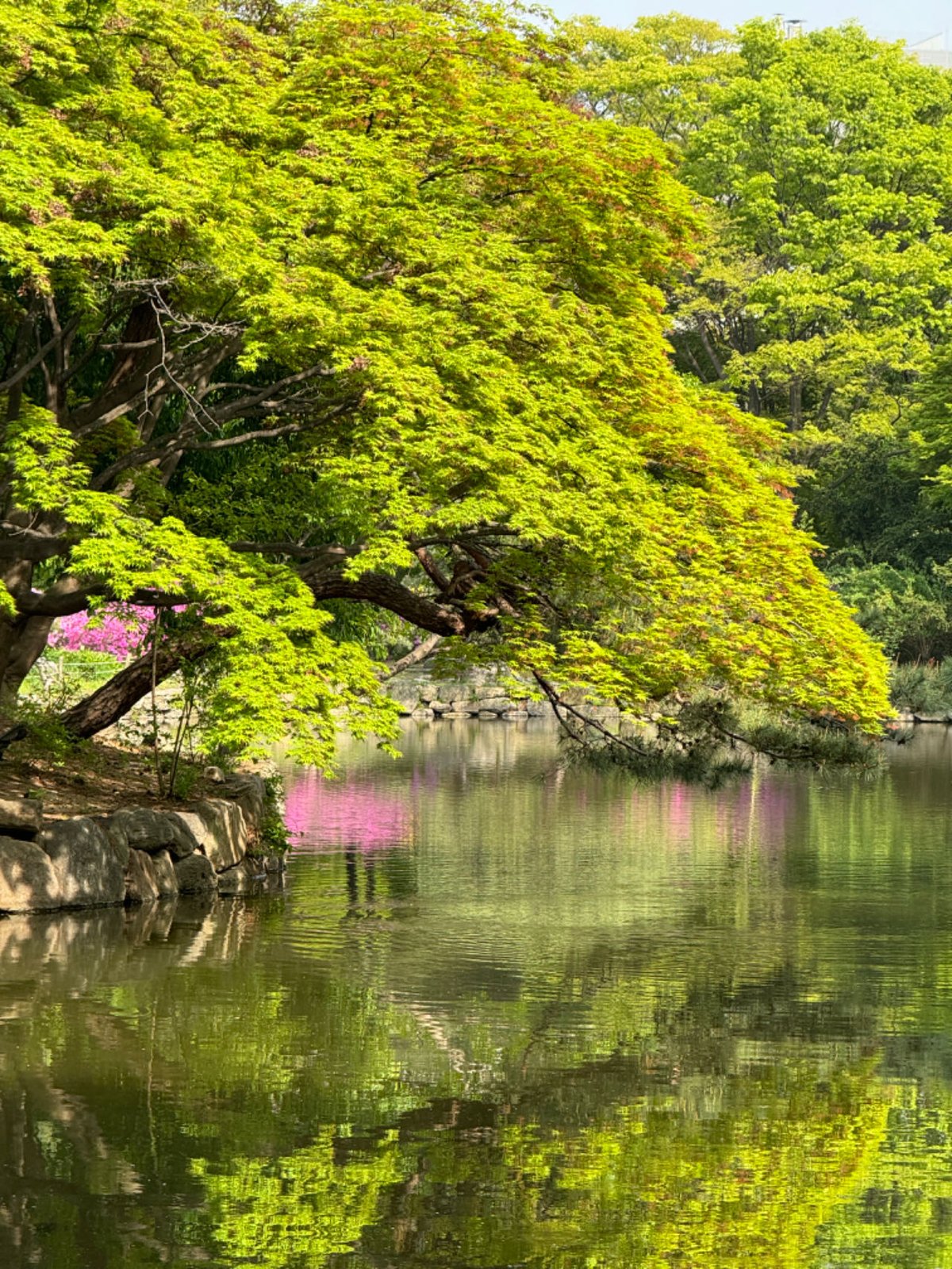
One of the most notable features of Changdeokgung Palace is Huwon, also known as the Secret Garden. This garden was designed as a private retreat for the royal family and includes a lotus pond, pavilions, and a variety of trees and plants. The garden's design emphasizes natural beauty and tranquility, providing a serene escape from the bustling city of Seoul (Where Are Those Morgans).
Donhwamun Gate
Donhwamun Gate is the main entrance to Changdeokgung Palace and is the largest of all palace gates in Seoul. This gate serves as the primary access point to the palace complex and is a significant architectural feature in its own right (Where Are Those Morgans).
Influence on Korean Culture
Changdeokgung Palace has had a lasting impact on Korean culture and architecture. Its design principles, which emphasize harmony with nature, have influenced subsequent architectural and garden designs in Korea. The palace's historical significance and cultural value continue to be celebrated and preserved through ongoing restoration efforts and its status as a UNESCO World Heritage Site (Culture Trip).
Visitor Information
Visiting Hours
Changdeokgung Palace is open to visitors year-round, with operating hours varying depending on the season. The palace is generally open from 9:00 AM to 5:30 PM, but it is closed on Mondays. It is advisable to check the official website for the most up-to-date information on visiting hours.
Tickets
Admission costs ₩10,000 for adults and ₩5,000 for children, which includes access to the Secret Garden tour. The garden tour is available in multiple languages, including English, Japanese, and Korean (Seoul Korea Asia).
Travel Tips
- Guided Tours: Taking a guided tour is highly recommended to gain a deeper understanding of the palace's history and significance. Free guided tours are available and provide valuable insights into the various points of interest within the palace complex (Where Are Those Morgans).
- Moonlight Tour: For a unique experience, consider participating in the Moonlight Tour, which allows visitors to explore the palace at night. This tour is available during specific months and requires advance reservations (A Fun Couple).
- Accessibility: The palace grounds include uneven terrain and stairs, so comfortable walking shoes are recommended. While some areas may be challenging for visitors with mobility issues, the main sections of the palace are accessible.
- Nearby Attractions: After visiting Changdeokgung, consider exploring nearby attractions such as Bukchon Hanok Village, Gyeongbokgung Palace, and Insadong for a full day of cultural immersion.
FAQ
-
What are the Changdeokgung Palace visiting hours? Changdeokgung Palace is generally open from 9:00 AM to 5:30 PM but is closed on Mondays. It is advisable to check the official website for the most up-to-date information on visiting hours.
-
How much are tickets for Changdeokgung Palace? Admission costs ₩10,000 for adults and ₩5,000 for children. This includes access to the Secret Garden tour, which is available in multiple languages.
-
Is Changdeokgung Palace accessible for visitors with mobility issues? While some areas of the palace grounds may be challenging due to uneven terrain and stairs, the main sections of the palace are accessible.
Tickets & tours.
These are guided options from our partners — same price as booking direct.
Prices are indicative — final pricing and availability are confirmed at checkout. Audiala may earn a commission from bookings made through these links.
Listen to the full story in the app
The whole Changdeokgung,
told well.
Audio guides for 1,100+ cities across 96 countries. History, stories, and local insight — offline ready.
Verified, and shown.
Researched and written by the Audiala editorial team from historical records, architectural archives, and local expertise.
Researched from Wikidata, Wikipedia & official sources · fact-checked · How we make our guides →