Plan and listen to Banpo Bridge with Audiala.
Audio guide in your pocket, itinerary in your browser. Built for the way you actually visit.
Introduction
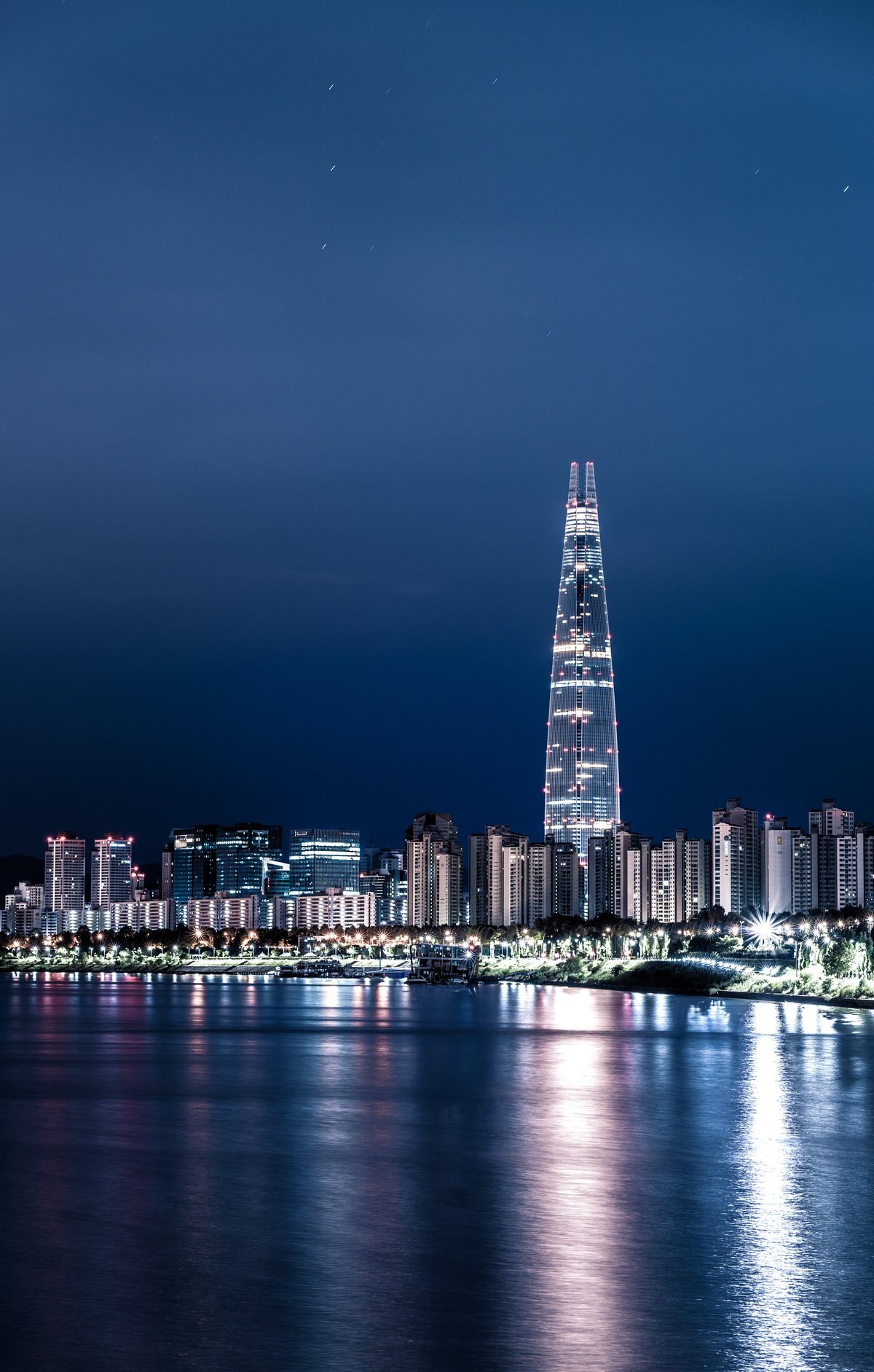
Banpo Bridge, known as 반포대교 in Korean, stands as one of Seoul's most iconic landmarks. Established in 1982, this double-decker bridge not only connects the districts of Yongsan and Seocho but also serves as a testament to South Korea's innovative engineering and urban development. Spanning 1,490 meters over the Han River, Banpo Bridge has significantly enhanced urban mobility and economic development in Seoul. In recent years, it has transformed into a vibrant cultural and recreational hub, thanks in large part to the Han River Renaissance Project and the mesmerizing Moonlight Rainbow Fountain show (TravelTriangle). This guide aims to provide a comprehensive overview of Banpo Bridge, covering its history, architectural marvels, cultural significance, and practical visitor information. Whether you're a tourist planning your first trip to Seoul or a local looking to explore more of your city, this guide will offer valuable insights to ensure a memorable visit to Banpo Bridge.

History and Significance
Construction and Design
Banpo Bridge (반포대교) is a significant landmark in Seoul, South Korea, known for its unique design and historical importance. Constructed as part of the urban development initiatives in the Gangnam district, Banpo Bridge is the first double-decker bridge in South Korea. The bridge connects the districts of Yongsan and Seocho, spanning the Han River. The construction of Banpo Bridge began in January 1980 and was completed on June 25, 1982. The bridge measures 1,490 meters in length and 25 meters in width, featuring a Steel Box Girder structure (Zhizu).
Dual-Level Structure
The dual-level structure of Banpo Bridge is a notable engineering feat. The lower level, known as Jamsu Bridge, is designed to submerge during high water levels, particularly during the monsoon season. This innovative design allows the bridge to withstand flooding, ensuring that the upper level remains operational. The upper level, Banpo Bridge, serves as a crucial transportation link, enhancing connectivity between the northern and southern parts of Seoul (TravelTriangle).
Enhancing Urban Mobility
Banpo Bridge plays a vital role in improving urban mobility in Seoul. It serves as a major thoroughfare, facilitating the movement of people and goods across the Han River. The bridge directly connects to the Seoul-Busan Expressway, significantly enhancing the efficiency of the transportation network in the metropolitan area. This connectivity has been instrumental in supporting the economic growth and development of Seoul and its surrounding regions (Zhizu).
Cultural and Recreational Significance
Han River Renaissance Project
In recent years, Banpo Bridge has become an integral part of the Han River Renaissance Project, an initiative aimed at revitalizing the Han River and its surroundings. As part of this project, various attractions and amenities have been developed around the bridge, transforming it into a vibrant recreational area. One of the most prominent features is the Moonlight Rainbow Fountain, which has become a major tourist attraction (The Soul of Seoul).
Moonlight Rainbow Fountain
The Moonlight Rainbow Fountain, installed on Banpo Bridge, is the world's longest bridge fountain, as recognized by the Guinness World Records. The fountain features 380 nozzles that spray water from the Han River, creating a mesmerizing display of water, light, and music. The fountain operates both during the day and at night, with the night shows being particularly popular due to the colorful LED lights that illuminate the water jets. The fountain can pump approximately 190 tons of water per minute, creating a dynamic and visually stunning spectacle (TravelTriangle).
Banpo Hangang Park
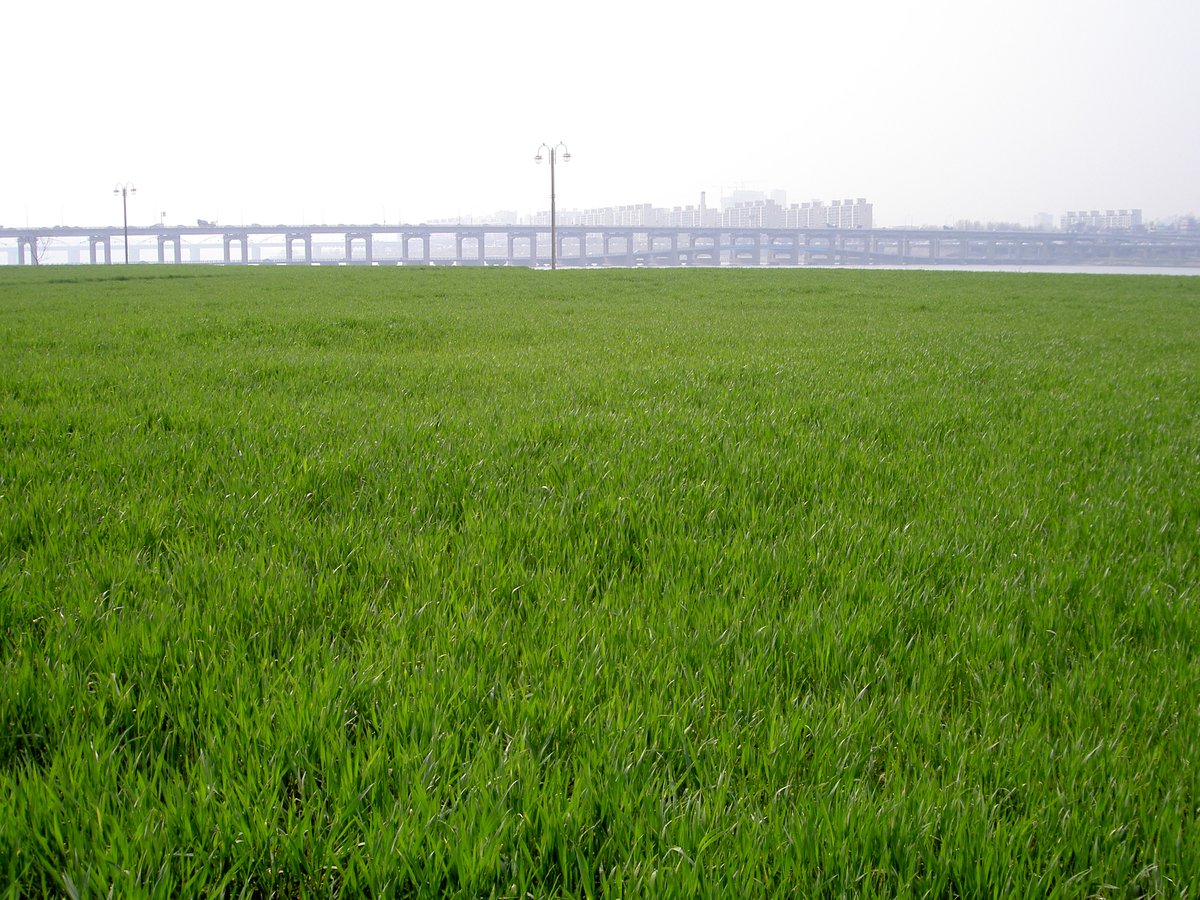
Banpo Bridge and its surrounding areas have become a hub for cultural and recreational activities. The Banpo Hangang Park, located near the bridge, offers a variety of amenities, including picnic spots, cycling paths, and water sports facilities. The park is a popular destination for both locals and tourists, providing a scenic and relaxing environment along the Han River. Events and festivals are frequently held in the area, further enhancing its appeal as a recreational hotspot (The Soul of Seoul).
Architectural and Engineering Marvel
Structural Design
The construction of Banpo Bridge is a testament to South Korea's advancements in engineering and architecture. The bridge's design and construction techniques have set a precedent for future infrastructure projects in the country. The successful integration of functional and aesthetic elements in the bridge's design has made it a model for urban development projects worldwide. The bridge's ability to withstand flooding while maintaining its structural integrity is a remarkable achievement in civil engineering (Zhizu).
Economic and Environmental Impact
Economic Impact
The development of Banpo Bridge has had a significant economic impact on the surrounding areas. By improving connectivity and reducing travel times, the bridge has facilitated commerce and trade between different parts of Seoul. The increased accessibility has attracted businesses and investors, contributing to the economic growth of the region. Additionally, the bridge's status as a tourist attraction has boosted the local tourism industry, generating revenue and creating job opportunities (TravelTriangle).
Environmental Considerations
The construction and operation of Banpo Bridge have also taken environmental considerations into account. The use of river water for the Moonlight Rainbow Fountain is an example of sustainable water management practices. The bridge's design minimizes its impact on the natural flow of the Han River, ensuring that the local ecosystem is preserved. Efforts have been made to maintain the cleanliness and health of the river, promoting a balanced coexistence between urban development and environmental conservation (Zhizu).
Visitor Information
Visiting Hours
The Banpo Bridge is accessible 24 hours a day, but the Moonlight Rainbow Fountain operates at specific times, typically from April to October, with shows in the evening.
Ticket Prices
There is no entry fee to visit Banpo Bridge or Banpo Hangang Park. However, certain activities or events may have associated costs.
Travel Tips
The bridge can be accessed via public transportation, including buses and the Seoul subway. The nearest subway station is Express Bus Terminal (Lines 3, 7, and 9).
Nearby Attractions
Visitors can explore nearby attractions such as the Banpo Hangang Park, the Seoul Arts Center, and the Express Bus Terminal shopping complex.
Accessibility
The bridge and surrounding areas are wheelchair accessible, with ramps and pathways designed for ease of movement.
Show Schedule and Viewing Tips
Show Schedule
The Moonlight Rainbow Fountain show operates from April 1 to October 31, with one show during daylight hours and three to five shows after dark. The schedule varies slightly between seasons:
- April-June and September-October: Shows are more frequent during the evening.
- July-August: Additional shows may be scheduled due to the higher number of tourists.
Best Viewing Spots
For the best viewing experience, head to the south bank of the Han River, which features a pedestrian promenade with floating restaurants and parks. The northern waterfront is less accessible, making the southern side the preferred spot for tourists (Cestee).
Accessibility and Transportation
By Subway
The most convenient way to reach Banpo Bridge is via the Seoul subway. Here are the options:
- Line 3, Line 7, or Line 9: Get off at Express Bus Terminal Station (Exit 8-1 or 8-2). Walk straight for 250 meters, turn right at the Express Bus Terminal intersection, and continue for another 400 meters. Cross the road and go through the underpass to reach Banpo Bridge (Travel Stained).
- Line 4: Get off at Dongjak Station (Exit 1). Walk straight for 20 meters until you reach Banpo Jugong Apartments, make a left turn, and walk straight for 900 meters to reach Banpo Hangang Park (Seoul Korea Asia).
By Bus
- Bus 405 or 8340: These buses will take you directly to Banpo Hangang Park (The Seoul Guide).
Nearby Attractions
Seoul Floating Islands
Located on the south end of Banpo Bridge, the Some Sevit Floating Islands offer additional attractions such as cafes, restaurants, and event spaces. The islands are particularly vibrant during the evenings when the bridge's light show is in full swing (Travel Stained).
Banpo Hangang Park
This park offers a variety of recreational activities, including cycling, picnicking, and water sports. It also provides excellent views of the Moonlight Rainbow Fountain.
Express Bus Terminal Underground Shopping Mall
One of the largest underground shopping malls in Seoul, it offers a wide range of shops, restaurants, and entertainment options.
Visitor Tips
Timing
Arrive early to secure a good viewing spot, especially during peak tourist seasons in July and August.
Weather
Check the weather forecast before your visit, as the fountain shows may be canceled in case of heavy rain or strong winds.
Photography
Bring a camera or smartphone with good low-light capabilities to capture the vibrant colors of the fountain. Some of the best photographic spots are along the south bank promenade.
Dining
Plan to have dinner at one of the floating restaurants on the south bank for a unique dining experience with a view of the fountain.
Cultural Insights
Banpo Bridge and its Moonlight Rainbow Fountain are more than just tourist attractions; they reflect Seoul's commitment to blending modern infrastructure with cultural and aesthetic elements. The bridge's transformation into a nightly spectacle symbolizes the city's innovative spirit and dedication to enhancing the quality of life for its residents and visitors. The integration of music with the water show adds an emotional and artistic dimension, making it a memorable experience for all who witness it.
Practical Information
Operating Hours
The Moonlight Rainbow Fountain operates from April 1 to October 31, with shows lasting 20 minutes each.
Best Viewing Spots
The south bank of the Han River, near the pedestrian promenade.
Nearest Subway Station
Express Bus Terminal (Lines 3, 7, and 9).
Bus Lines
405 and 740.
FAQ
What are the Banpo Bridge visiting hours?
The bridge itself is accessible 24/7, but the Moonlight Rainbow Fountain operates from April 1 to October 31 with shows lasting 20 minutes each.
Is there an entrance fee for Banpo Bridge?
No, there is no entrance fee to visit Banpo Bridge or view the Moonlight Rainbow Fountain.
Are there any special events or guided tours available at Banpo Bridge?
While there are no regular guided tours specifically for Banpo Bridge, special events are occasionally held at Banpo Hangang Park and the Seoul Floating Islands. Check local event listings for details.
Tickets & tours.
These are guided options from our partners — same price as booking direct.
Prices are indicative — final pricing and availability are confirmed at checkout. Audiala may earn a commission from bookings made through these links.
Listen to the full story in the app
The whole Banpo Bridge,
told well.
Audio guides for 1,100+ cities across 96 countries. History, stories, and local insight — offline ready.
Verified, and shown.
Researched and written by the Audiala editorial team from historical records, architectural archives, and local expertise.
Banpo Bridge
Banpo Bridge Moonlight Rainbow Show
미래유산 반포대교
Banpo Bridge
Banpo Bridge
Banpo Bridge Rainbow Fountain
Banpo Bridge
Seoul Banpo Bridge
Researched from Wikidata, Wikipedia & official sources · fact-checked · How we make our guides →