Plan and listen to Dongnae Hot Spring with Audiala.
Audio guide in your pocket, itinerary in your browser. Built for the way you actually visit.
Introduction
Dongnae Hot Spring, nestled in the heart of Busan's historic Dongnae district, is a cornerstone of Korean wellness culture and a living testament to the city’s rich past. Famous for its mineral-rich, naturally heated waters, this hot spring has been cherished since the Silla Dynasty for both its therapeutic qualities and its cultural significance. Today, Dongnae Hot Spring seamlessly blends centuries-old traditions with modern spa amenities, making it a must-visit for wellness seekers, history buffs, and travelers exploring Busan’s vibrant heritage (BusanNavi; Humetro; Koreabridge).
This comprehensive guide details everything you need to know for your visit—including current hours, ticketing, facilities, etiquette, accessibility, and recommended nearby attractions—ensuring a memorable and enriching experience in Busan’s historic spa district.

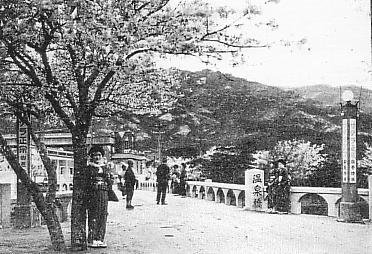
Historical Background
Dongnae Hot Spring is one of Korea’s oldest spa resorts, with origins tracing back to the Silla Dynasty (57 BCE–935 CE). By the Joseon Dynasty, the springs had become renowned across the peninsula, even attracting royalty seeking relief from ailments. The healing reputation of the spring is woven into legends, such as the tale of a white crane revealing its location to a devoted caretaker, symbolizing the site’s longstanding association with rejuvenation and transformation (Asia News Network; Trippose).
Over centuries, Dongnae Hot Spring evolved from a local communal bath to a national wellness destination. The Onjeong Gegun Memorial Stone commemorates magistrate Gang Phil-li’s significant renovations in the 18th century, a milestone in the development of modern bathhouse culture (Koreabridge; colonialkorea.com).
Architectural and Cultural Evolution
Dongnae’s facilities have grown from simple stone pools to expansive, multi-story complexes. During the late 19th and early 20th centuries, modernization introduced villa-style bathhouses and gender-separated bathing areas, some influenced by Japanese colonial architecture. Despite historical turbulence, including the Korean War, the hot spring has continually adapted, reflecting both local resilience and evolving wellness trends (Koreabridge).
Communal bathing here is more than relaxation—it’s a vibrant social ritual that reinforces harmony and respect within the community. Annual festivals and traditional bathing customs continue to celebrate the district’s unique identity (BusanNavi).
Dongnae Hot Spring Visiting Hours & Ticket Information
Location: Near Oncheonjang Station (Busan Metro Line 1), Dongnae District, Busan.
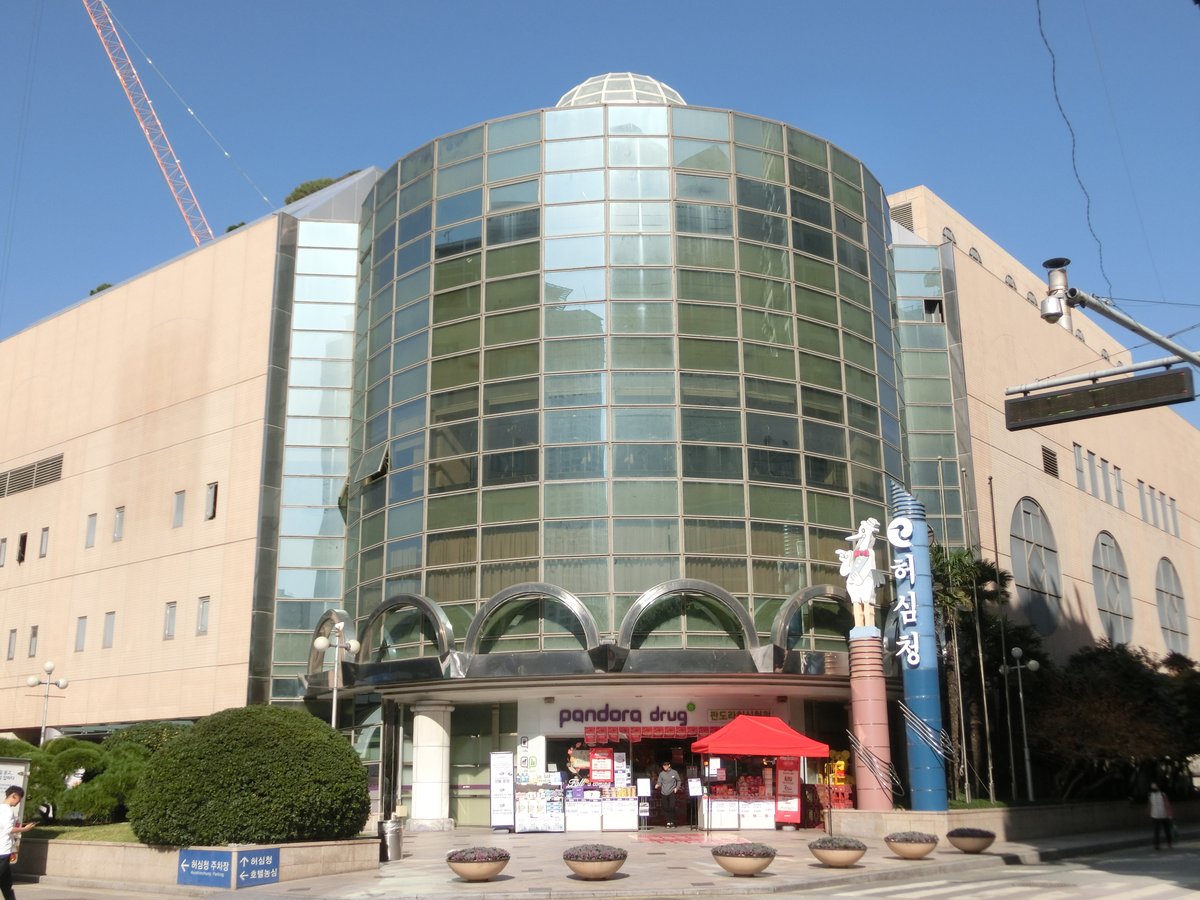
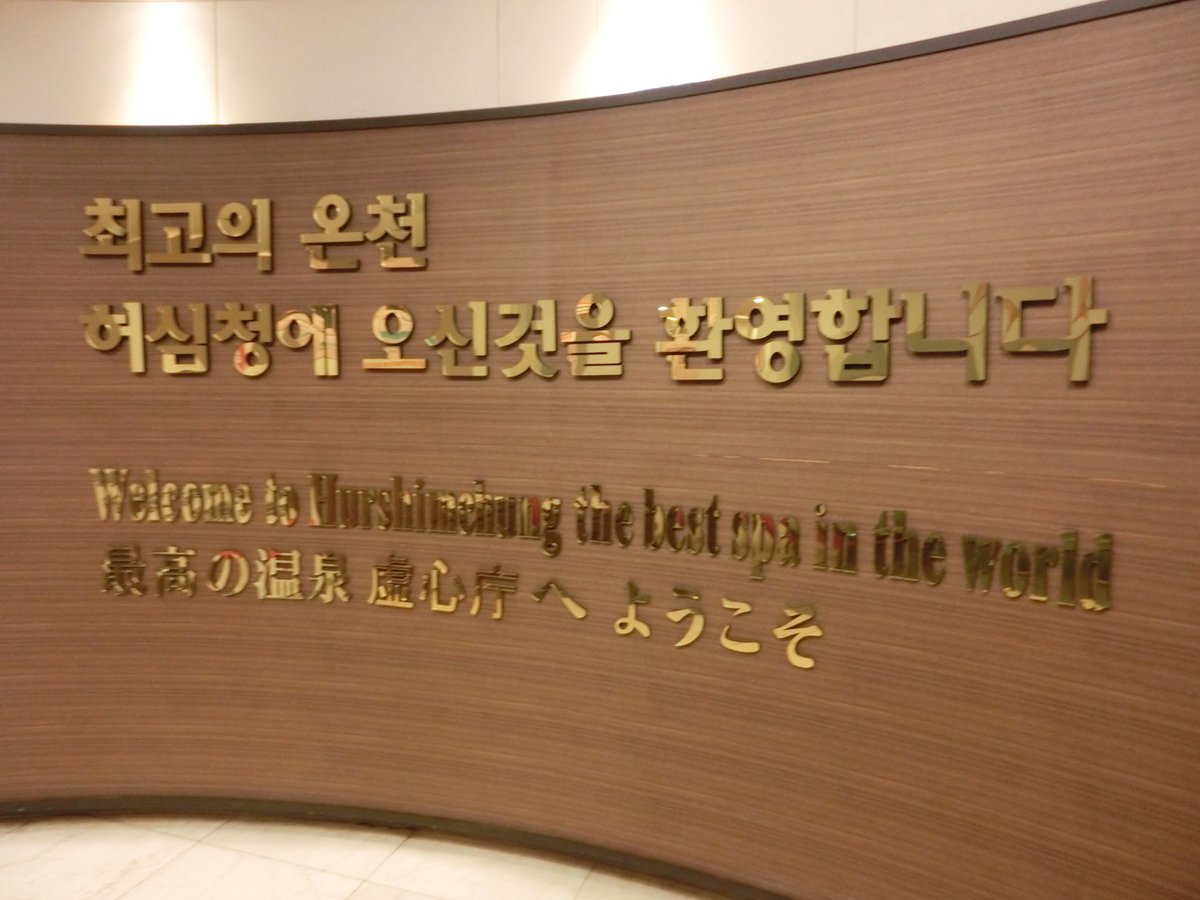
Main Facility: Hurshimchung Spa
- Opening Hours: Generally from 5:30 AM to midnight daily. Some facilities may operate from 6:00 AM to 10:00 PM. Always check individual spa websites for the latest updates.
- Admission Fees: Typically 8,000–15,000 KRW for adults. Discounts are available for children, seniors, and during certain off-peak hours. Additional fees apply for premium services such as massages and private rooms.
- Ticket Purchase: Tickets can be purchased on-site or through official online portals. Some travel agencies offer combination tickets with guided historical tours.
Accessibility: Most modern spas provide wheelchair access, accessible restrooms, and staff assistance. Multilingual signage and basic English support are available for international visitors.
Facilities and Bathing Options
Dongnae’s spa complexes are among Asia’s largest, offering a broad range of bathing experiences:
- Open-Air Baths: Enjoy mineral-rich waters surrounded by tranquil gardens.
- Cave and Themed Baths: Unique subterranean pools and specialty baths with varying mineral compositions and temperatures.
- Saunas and Kiln Rooms: Multiple sauna types, including traditional hanjeungmak (kiln sauna).
- Ice Rooms and Dr. Fish Pools: Facilities to cool down and enjoy gentle foot exfoliation.
- Jjimjilbang: Gender-segregated baths and co-ed relaxation lounges.
- Private & Family Rooms: Available for privacy and group visits.
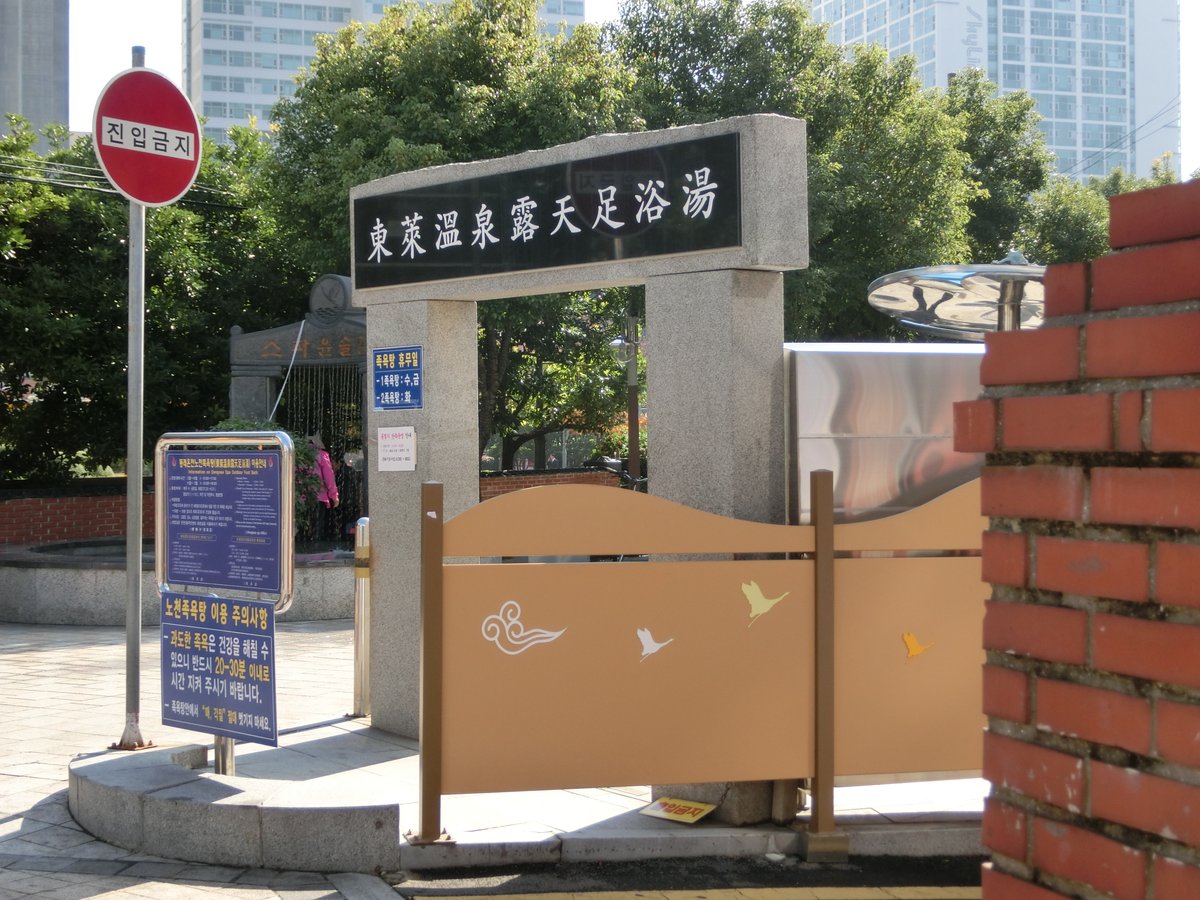
- Outdoor Foot Baths: Free facilities for a quick soak (Wanderlog).
What to Bring: Personal toiletries are encouraged, but most spas provide or sell essentials. Lockers and towels are usually included.
Etiquette and Wellness Tips
- Shower before entering any bath.
- Nudity is required in gender-segregated baths; swimsuits are not allowed.
- Spa uniforms are worn in co-ed jjimjilbang areas.
- Quiet, respectful behavior is expected throughout the spa.
- No photography in bathing areas to maintain privacy.
- Health Precautions: If you have heart conditions, high blood pressure, or are pregnant, consult a doctor before use. Stay hydrated and limit time in very hot baths.
Local Culture and Culinary Highlights
Dongnae Hot Spring is deeply entwined with local customs. Communal bathing here reflects the Korean values of respect and harmony. Don’t miss trying Dongnae pajeon (savory green onion pancake), a dish traditionally served to hot spring patrons—a delicious symbol of the district’s culinary heritage (wikipedia.org).
Nearby Historical Sites and Attractions
Enhance your visit by exploring Dongnae’s wealth of historical and cultural attractions:
- Geumgang Park: A serene green space ideal for a stroll.
- Dongnaeeupseong Fortress: A Joseon-era fortress reflecting the region’s storied past.
- Beomeosa Temple: One of Korea’s most beautiful Buddhist temples, set in the mountains near Dongnae.
- Dongnae Market: A vibrant spot to sample local delicacies and shop for souvenirs.
- Busan Marine Natural History Museum: Korea’s largest marine museum, close to the hot spring district (Trippose).
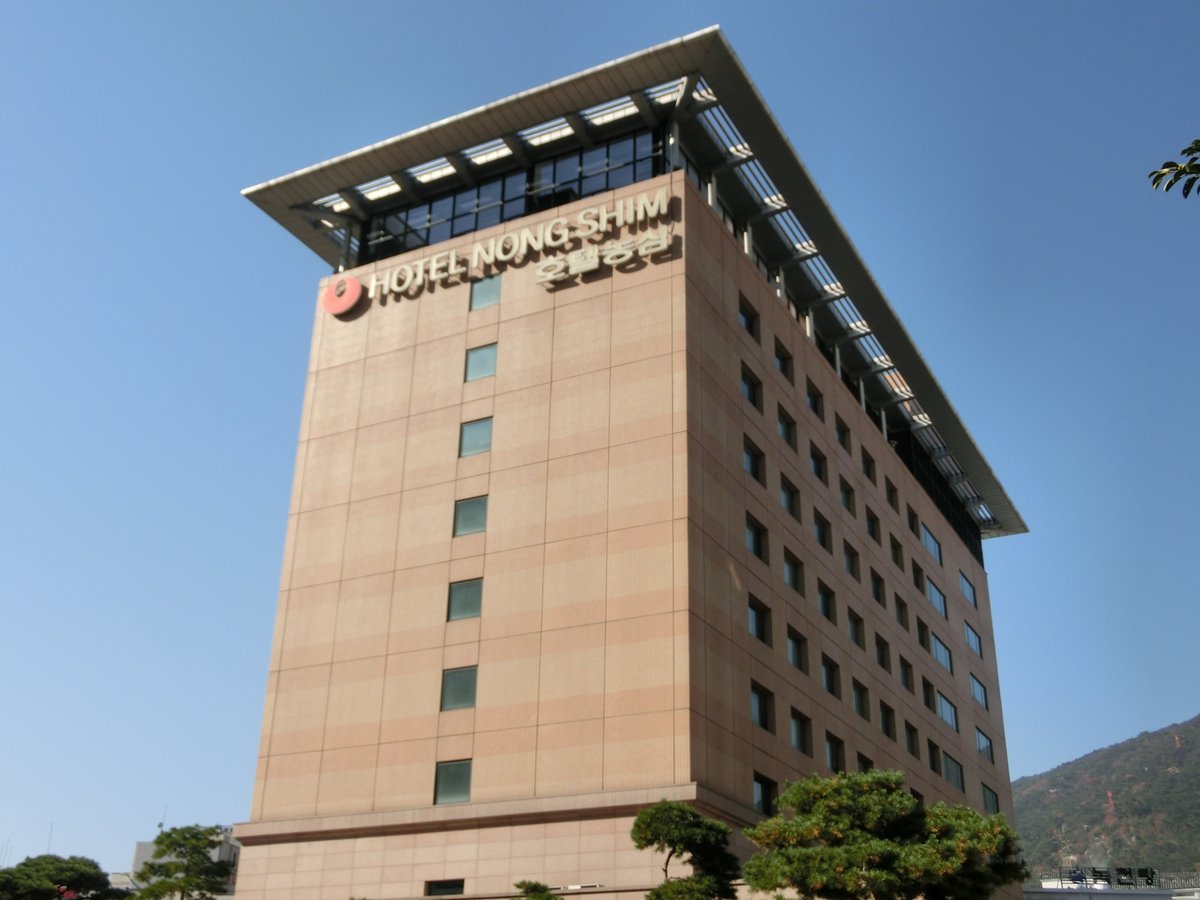
Accommodation: Options range from budget guesthouses to hotels like Queens Hotel Seomyeon Busan, Arban Hotel, and Urbanstay Seomyeon.
Visitor FAQs
Q: What are the Dongnae Hot Spring visiting hours?
A: Main facilities generally open from 5:30 AM to midnight; check specific venues for updates.
Q: How much are tickets?
A: Adult admission ranges from 8,000 to 15,000 KRW; discounts for children and seniors.
Q: Is the hot spring accessible for people with disabilities?
A: Yes, most modern facilities offer accessible features.
Q: What should I bring?
A: Toiletries, a change of clothes, and a reusable water bottle. Towels and lockers are usually provided.
Q: Are guided tours available?
A: Yes, some travel agencies and local tour operators offer hot spring and Busan historical site packages.
Listen to the full story in the app
The whole Dongnae Hot Spring,
told well.
Audio guides for 1,100+ cities across 96 countries. History, stories, and local insight — offline ready.
Verified, and shown.
Researched and written by the Audiala editorial team from historical records, architectural archives, and local expertise.
Researched from Wikidata, Wikipedia & official sources · fact-checked · How we make our guides →