Plan and listen to Busan National Science Museum with Audiala.
Audio guide in your pocket, itinerary in your browser. Built for the way you actually visit.
Introduction
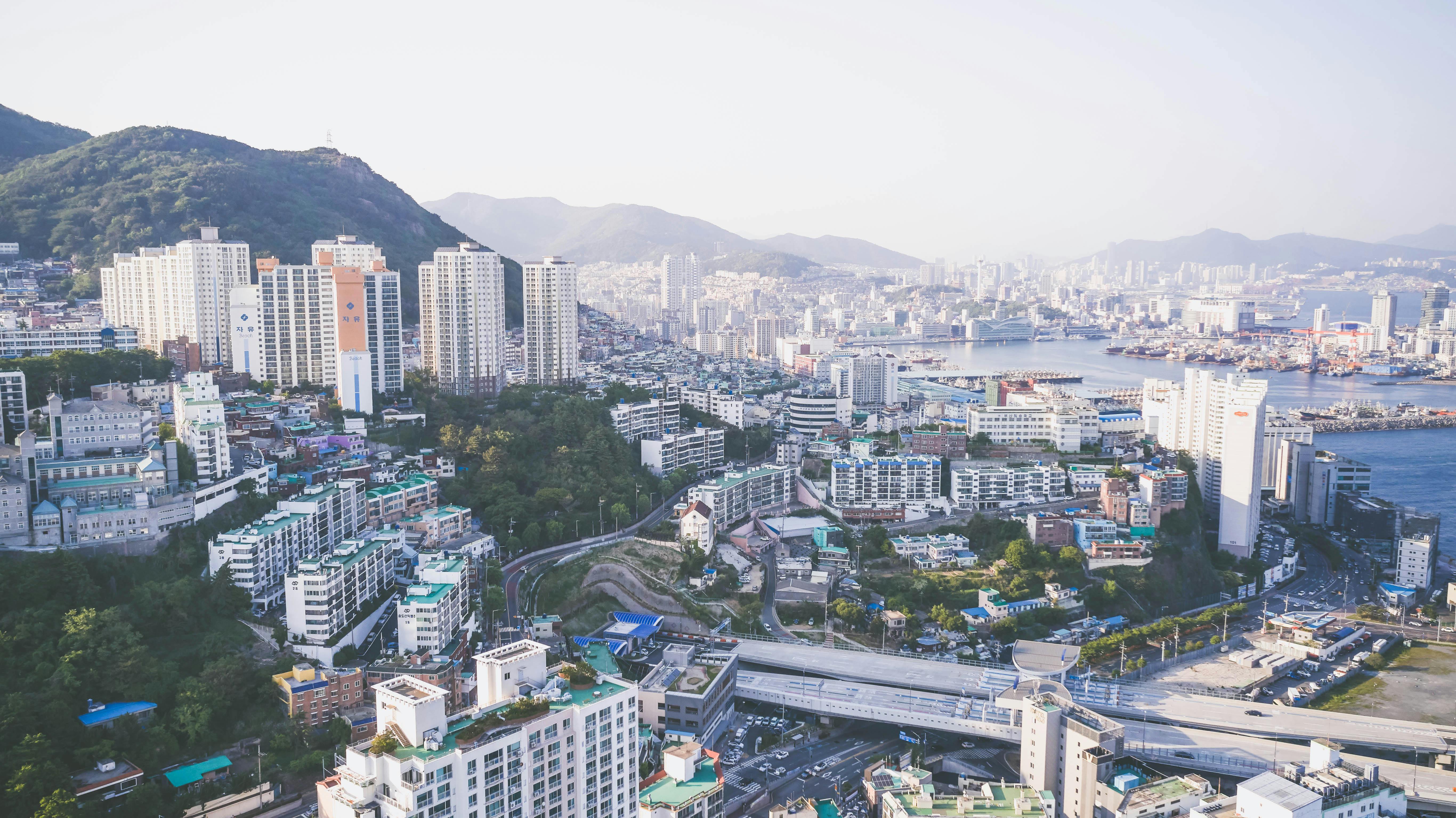
Nestled in the vibrant city of Busan, South Korea, the Busan National Science Museum (BNSM) stands as a beacon of scientific discovery and education. Since its opening in the mid-2010s, the museum has played a pivotal role in decentralizing advanced science education beyond Seoul, serving Busan and neighboring regions such as Ulsan and Gyeongsangnam-do. Its strategic location in Gijang-gun, near the Osiria Tourism Complex, positions it at the intersection of Busan’s historic trade legacy and its emergence as a hub of technological innovation (Trippose; Open Korea).
Designed with expansive glass facades and thematic exhibition halls, BNSM’s architecture embodies transparency and accessibility in science. Visitors can engage with exhibits on automotive and aerospace technology, maritime science, energy medicine, and more—directly connecting Busan’s industrial heritage with contemporary scientific advancements (Namu Wiki). The museum goes beyond static displays, offering interactive environments, a state-of-the-art planetarium, a dedicated children’s hall, and an expansive outdoor science park.
As a national institution, BNSM is committed to public engagement and lifelong learning. Through hands-on exhibits, educational workshops, and community programs, it supports both formal school curricula and informal science education (KTravelInfo). Special exhibitions on topics like artificial intelligence and environmental science ensure the museum stays at the forefront of scientific discourse.
This guide covers the museum’s history, architectural highlights, visitor information, key exhibits, travel tips, and answers to frequently asked questions, making it the perfect resource for families, students, and science enthusiasts planning a visit.
History and Development
The Busan National Science Museum was established as a regional hub for science education, serving not just Busan but also Ulsan and Gyeongsangnam-do. Its founding was part of a national initiative to make advanced scientific resources more accessible outside the capital region (Trippose). The museum’s location in Gijang-gun, close to the Osiria Tourism Complex, was chosen for its accessibility and its symbolic connection to Busan’s role as a historical gateway for trade and knowledge (Open Korea).
Architectural and Thematic Significance
BNSM’s architecture features modern lines and glass facades, symbolizing transparency and the open pursuit of knowledge. The museum houses several thematic exhibition halls, each dedicated to a field of science that has shaped the region’s identity:
- Automotive and Aerospace: Showcases Korea’s advancements in car manufacturing, shipbuilding, and aerospace engineering.
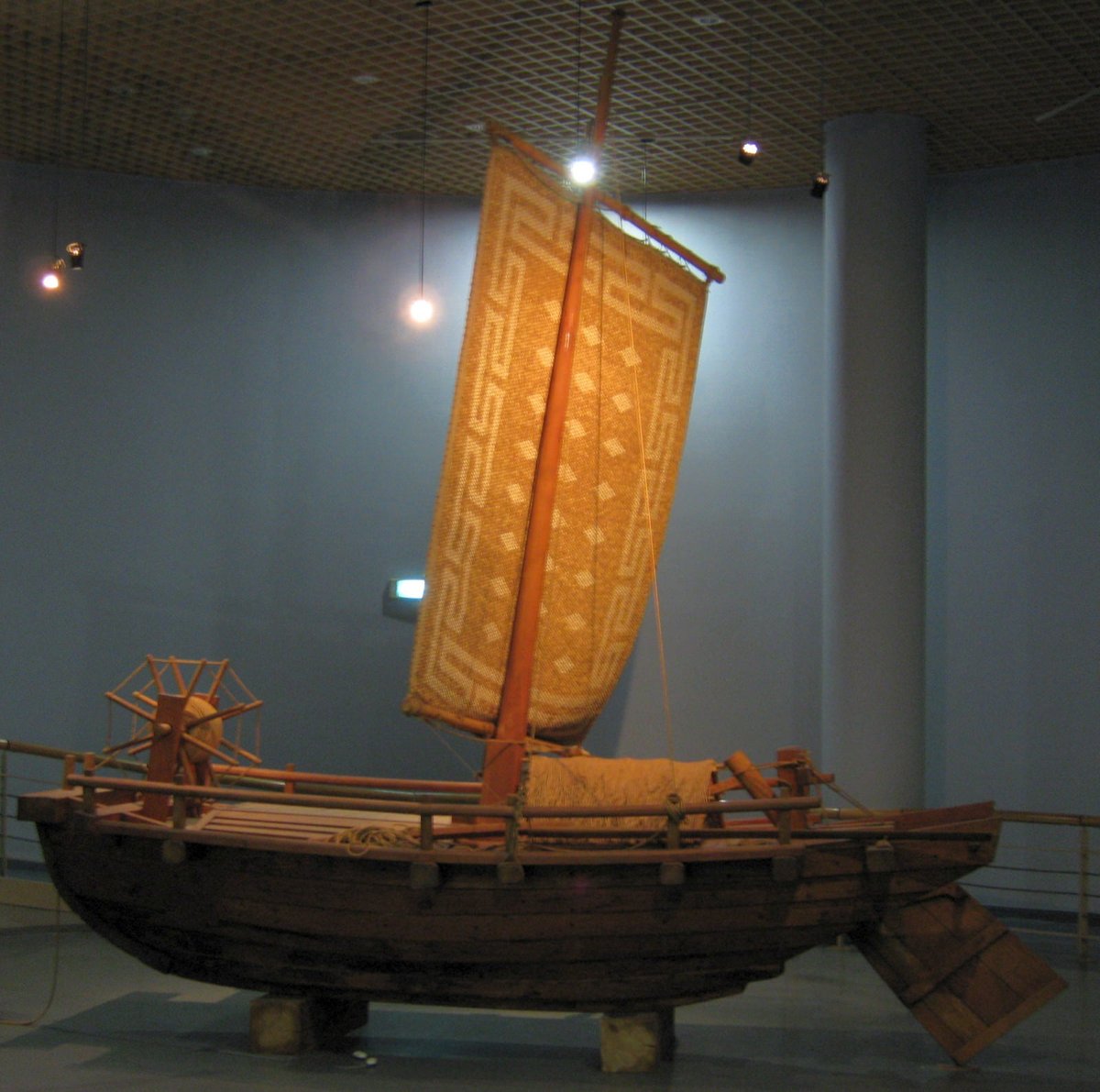
- Maritime Science: Highlights Busan’s role as a port city, with exhibits on ship design, navigation, and marine ecosystems.
- Energy and Medicine: Explores nuclear energy, renewable resources, and medical technology advancements (Namu Wiki).
The museum’s outdoor science park, planetarium, and water playground further extend its mission of experiential learning.
Role in Science Education and Community Engagement
BNSM is a center for public engagement and lifelong learning. Hands-on exhibits, live demonstrations, and educational programs bridge the gap between academic research and the general public. The museum offers:
- School Programs: Curriculum-aligned workshops and guided tours.
- Public Lectures and Events: Talks by scientists and industry experts.
- Special Exhibitions: Rotating exhibits on cutting-edge topics (KTravelInfo).
These initiatives foster curiosity and inspire future generations of scientists and engineers.
Notable Features and Attractions
Permanent Exhibition Halls
- Automotive and Aerospace: Interactive simulators, real vehicles, and scale models.
- Maritime Technology: Detailed ship models and marine science displays.
- Energy and Medicine: Hands-on exploration of renewable energy and medical imaging (Namu Wiki).
Sprout Nuri Hall (Children’s Hall)
A space for children to explore science through age-appropriate, interactive exhibits and activities.
Outdoor Science Park and Planetarium
Large-scale installations and experimental setups allow visitors to experience scientific principles firsthand. The planetarium offers immersive journeys through the cosmos.
Seasonal Water Playground
Combines recreation with science learning, illustrating principles of fluid dynamics and environmental science.
Visitor Information: Hours, Tickets, and Accessibility
- Hours: Open Tuesday–Sunday, 9:30 AM–5:30 PM. Closed Mondays and select holidays.
- Tickets: Adults 4,000 KRW, teens 3,000 KRW, children 2,000 KRW. Children under 3 enter free. Additional fees for planetarium/special exhibitions. Discounts for groups and seniors.
- Ticket Purchase: Buy on-site or online via the official website. Advance booking recommended for special programs.
- Accessibility: The museum is barrier-free, with wheelchair rentals, elevators, accessible restrooms, and multilingual signage.
- Parking: Ample parking available; fees apply (KoreaTripTips).
- Public Transportation: Accessible via Osiria Station (Donghae Line), with local buses and taxis to the entrance.
Exhibitions and Educational Programs
Key Exhibits
- Physics Hall: Interactive displays on motion, energy, and electricity (official website).
- Earth Hall: Geology, meteorology, and sustainability through AR and digital displays (official website).
- Biology Section: Detailed models, genetics experiments, and live specimens (official website).
- Virtual Reality (VR) Adventure: Immersive digital science explorations (seoulkoreaasia.com).
- Special Temporary Exhibitions: Rotating topics on global science trends.
- Children’s Science Playground: Interactive play zones for young learners.
- Science Theater & Planetarium: Educational films and astronomy shows.
- Outdoor Science Park: Renewable energy models and hands-on experiments.
Educational Programs
- Workshops: Robotics, coding, environmental science, and renewable energy.
- Guided Tours: Available in Korean and English; advance booking recommended.
- Community Outreach: School partnerships, field trips, and public science festivals (Stripes Korea).
Community Engagement and International Collaboration
BNSM partners with local industries, educational institutions, and international museums to bring global science content to Korean audiences. As a member of the Asia Pacific Network of Science & Technology Centres (ASPAC), it fosters cultural exchange and innovation. The museum also participates in citywide events like the Busan International Kids & Youth Film Festival and hosts annual science fairs (Busan City News).
Visitor Amenities
- Facilities: Lockers, stroller rentals, gift shop, café, family rest areas, and free Wi-Fi.
- Accessibility: Ramps, elevators, tactile guides, accessible restrooms, and sensory-friendly sessions.
- Photography: Permitted in most areas; restrictions apply in some exhibits.
- Multilingual Support: Information available in English, Chinese, and Japanese.
Nearby Attractions and Travel Tips
The museum’s location in Gijang-gun makes it easy to combine your visit with:
- Osiria Tourism Complex: Shopping, dining, and recreation.
- Gamcheon Culture Village: Vibrant art and culture.
- Busan Tower and Yongdusan Park: Iconic city views.
- Haeundae Blueline Park and nearby beaches.
Travel Tip: Arrive early to avoid crowds, especially during school holidays. Use public transportation for convenience.
Frequently Asked Questions (FAQ)
Q: What are the Busan National Science Museum’s visiting hours?
A: Tuesday–Sunday, 9:30 AM–5:30 PM; closed Mondays and selected holidays.
Q: How do I buy tickets?
A: Tickets are available on-site or online via the official website. Advance booking is recommended for popular events and workshops.
Q: Is the museum accessible for visitors with disabilities?
A: Yes, the facility is barrier-free with ramps, elevators, accessible restrooms, and sensory-friendly sessions.
Q: Are there guided tours?
A: Yes, guided tours are available in Korean and English. Advance booking is advised.
Q: Can children enjoy the museum?
A: Absolutely. The Children’s Science Hall and outdoor playgrounds are designed especially for young visitors.
Q: Is photography allowed?
A: Photography is permitted in most public spaces, except where restricted.
Listen to the full story in the app
The whole Busan National Science Museum,
told well.
Audio guides for 1,100+ cities across 96 countries. History, stories, and local insight — offline ready.

Verified, and shown.
Researched and written by the Audiala editorial team from historical records, architectural archives, and local expertise.
Researched from Wikidata, Wikipedia & official sources · fact-checked · How we make our guides →