Plan and listen to Busan Hangman Fire Station with Audiala.
Audio guide in your pocket, itinerary in your browser. Built for the way you actually visit.
Introduction to Busan Hangman Fire Station and Its Historical Significance
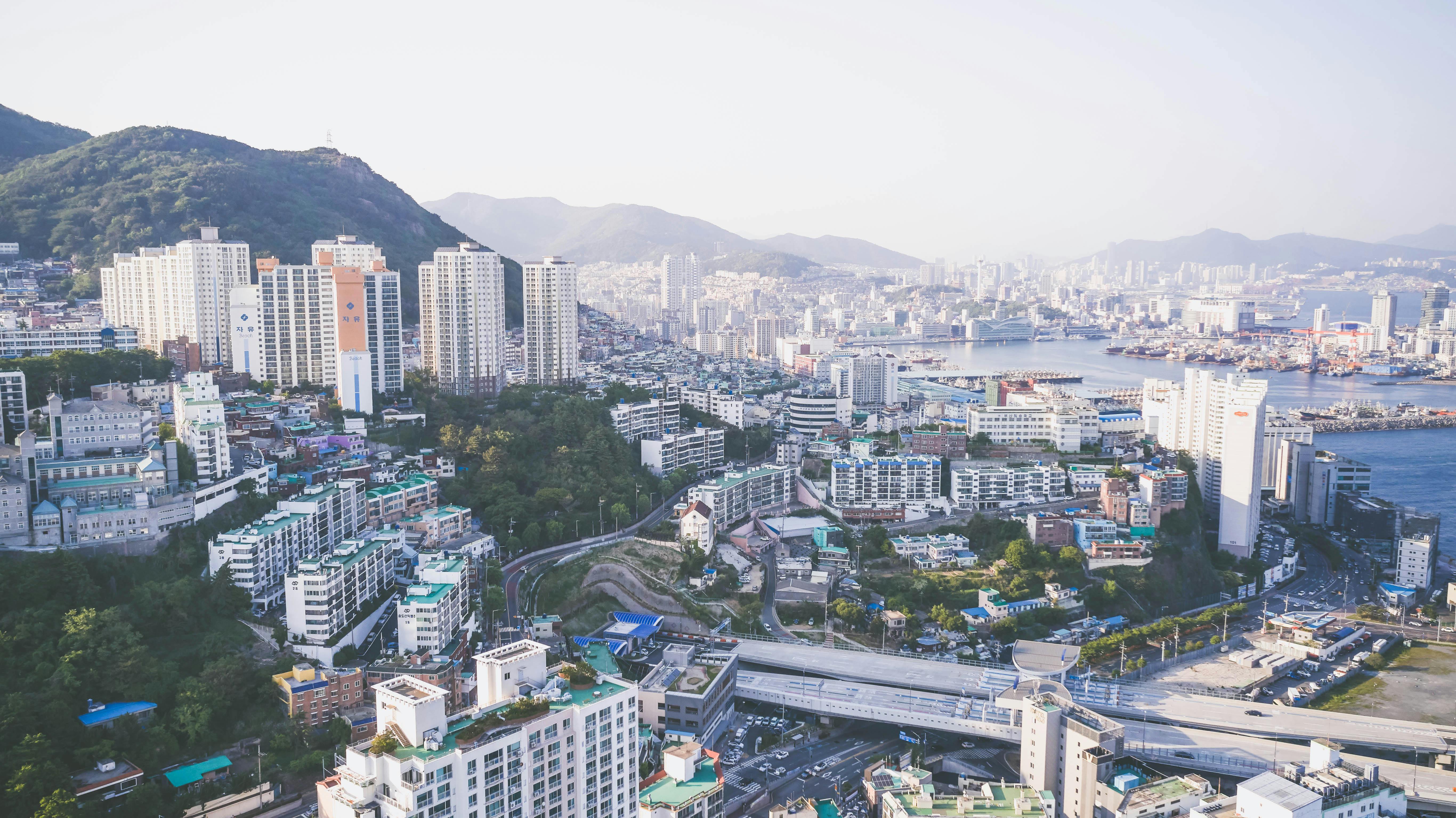
Busan, South Korea’s vibrant maritime gateway, is a dynamic metropolis where centuries-old history meets modern innovation. Its strategic harbor at the mouth of the Nakdong River has propelled Busan from its Paleolithic origins to its current status as one of the world’s busiest container ports. Central to this maritime legacy is the Busan Hangman Fire Station, a pivotal institution responsible for safeguarding the city’s bustling port activities through advanced firefighting, marine rescue, and disaster response operations.
For visitors interested in maritime heritage, public safety, or urban resilience, the Busan Hangman Fire Station offers educational tours, live demonstrations, and unique insights into the city’s robust emergency services. This comprehensive guide provides detailed information on visiting hours, ticketing, guided tours, and practical travel tips, while also highlighting nearby maritime attractions such as the National Maritime Museum and Taejongdae Resort Park. Whether you are a history enthusiast, an educator, or a curious traveler, this guide equips you to make the most of your visit to Busan’s premier maritime safety hub (Busan City History; Busan Hangman Fire Station Official; Visit Busan).

Historical Evolution of Busan as a Maritime Hub
Busan’s deep-rooted maritime heritage is shaped by its geography and centuries of regional exchange. Archaeological evidence points to settlement since the Paleolithic era, with significant Neolithic and Bronze Age sites nearby (Busan City History). Its natural harbor enabled early trade with China and Japan, making Busan a central point in domestic and international commerce (Open Korea).
During the Unified Silla period, Busan became a strategic military base, enhancing both trade and defense. The Joseon Dynasty solidified the city’s role as a trading post, especially in the Dongnae area where Japanese merchants established the Waegwan district at Busanpo Port. The 1547 Jeongmi Yakjo treaty elevated Dongnae’s status, cementing Busan’s role in Korea–Japan diplomacy (Busan City History).
The Port of Busan: Growth and Global Significance
Busan’s port was Korea’s first international port, opening to Japanese trade in 1876 and to global trade in 1883. Its deep waters, natural shelter, and proximity to major sea routes enabled it to grow rapidly (Earth Observatory). The port’s modernization in the late 19th and early 20th centuries transformed Jungang-dong and Dongnae into thriving commercial centers (Busan City History).
During the Korean War, Busan’s port became a crucial supply and refugee lifeline (Wikipedia: Port of Busan). Today, it is South Korea’s largest port and among the world’s top ten container ports, handling approximately 22 million TEUs annually (Wikipedia: Port of Busan; Earth Observatory). The South Port area also houses the nation’s largest fish market.
Busan Hangman Fire Station: Operations and Visitor Experience
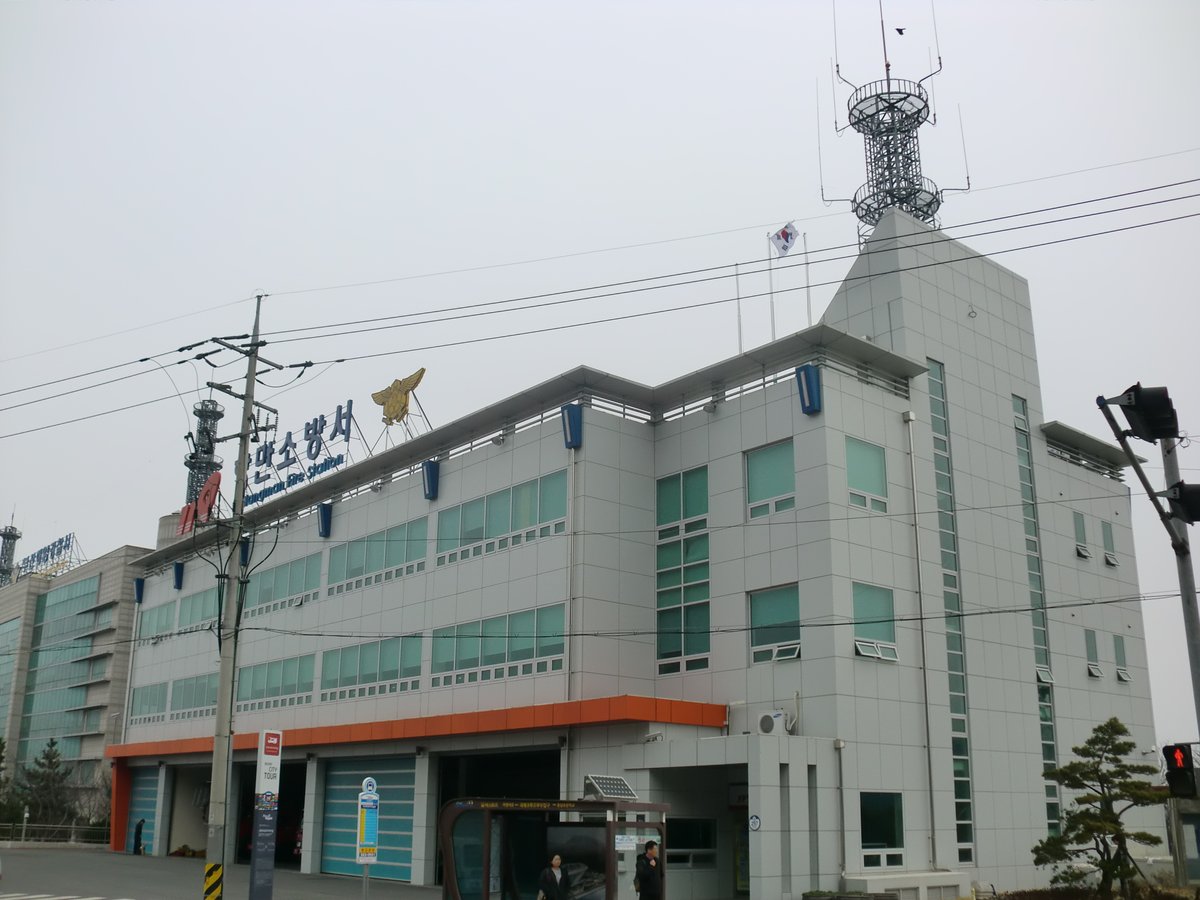
The Busan Hangman Fire Station (부산항만소방서) is a specialized emergency services facility tasked with protecting Busan’s port and surrounding districts including Yeongdo-gu, Dong-gu, Jung-gu, and Nam-gu (Busan Hangman Fire Station Official; HelpMeCovid). With multiple safety centers, fireboats, and a highly trained rescue team, the station addresses fires, maritime incidents, hazardous materials, and disaster prevention (Wikipedia: 부산항만소방서).
Visitor Experience
Visitors to the fire station can expect guided tours led by experienced staff, interactive exhibits, and live demonstrations of firefighting and rescue techniques. The experience is both educational and hands-on, appealing to families, school groups, and international tourists. Key highlights include:
- Viewing and exploring firefighting and maritime rescue equipment
- Participating in fire safety drills and demonstrations
- Learning about Busan’s history of firefighting and disaster response
- Engaging with multimedia and historical exhibits
Visiting Hours, Tickets, and Tours
Busan Hangman Fire Station
- Hours: Monday to Saturday, 9:00 AM – 5:00 PM (Closed Sundays and public holidays)
- Admission: Free; some workshops or special programs may require a nominal fee
- Guided Tours: Available by advance reservation via the official website or by phone. English-speaking guides can be arranged with prior notice.
- Special Events: Fire Prevention Week and safety festivals feature extended hours and special activities for families
- Booking: Advance booking is strongly recommended, especially for groups or non-Korean speakers (Busan Hangman Fire Station Official)
National Maritime Museum
- Location: Near Yeongdo-gu, close to the fire station
- Hours: Tuesday to Sunday, 10:00 AM – 6:00 PM (Closed Mondays)
- Admission: Adults 3,000 KRW, youth 1,500 KRW, children free
- Tours: Guided tours and maritime workshops by reservation (Visit Busan)
Taejongdae Resort Park
- Hours: Open daily, 6:00 AM – 10:00 PM
- Admission: Free (Fees for observatory and tram rides)
- Highlights: Coastal trails, scenic viewpoints, and lighthouse
Busan Port Tours
- Availability: Several companies offer boat tours featuring the port and viewing the Hangman Fire Station
- Booking: Online or at the port visitor center
- Price: 15,000 – 25,000 KRW per person
Educational Programs and Community Outreach
The Busan Hangman Fire Station is committed to public education, offering programs tailored to different age groups:
- School Workshops: Aligned with local curricula, covering fire prevention, first aid, and disaster response
- Adult Seminars: Focus on home safety, electrical hazards, and emergency preparedness
- Community Events: Open houses, safety fairs, and collaborative projects with civic organizations
These initiatives foster a culture of preparedness and resilience, and visitors are encouraged to participate in ongoing campaigns such as smoke detector installation drives.
Practical Visitor Information
Facilities and Accessibility
- Facilities: Spacious visitor lobby, multilingual brochures, café, gift shop, and accessible restrooms
- Accessibility: Wheelchair ramps, elevators, and staff assistance available throughout the building
- Transport: Easily accessible from major subway and bus routes; ample on-site parking for cars (A Fun Couple)
- Language: Guided tours in Korean and English; other languages by request with advance notice
Visitor Tips
- Dress Code: Wear comfortable clothing and closed-toe shoes, especially for hands-on activities
- Photography: Permitted in public areas and exhibits, but restricted during operational drills
- Safety: As an active facility, tours may be interrupted by real emergencies; visitors must follow staff instructions and respect restricted zones
- Group Visits: Large groups should book in advance for tailored experiences
Nearby Attractions
- Yongdusan Park & Busan Tower: Panoramic city and port views
- Jagalchi Fish Market: Korea’s largest seafood market
- Dongnae Historic District: Ancient fortresses and traditional markets
- Nampo-dong Markets: Bustling shopping and food streets
- Busan Museum: Broader exhibits on the city’s history and culture
Combining these sites with a visit to the fire station provides a comprehensive view of Busan’s maritime and cultural landscape (Out of Town Blog).
Frequently Asked Questions (FAQ)
Q: What are the Busan Hangman Fire Station visiting hours?
A: Monday to Saturday, 9:00 AM to 5:00 PM; closed Sundays and public holidays.
Q: Are tours and admission free?
A: Yes, admission is free; some workshops may require a small fee.
Q: How do I book a guided tour?
A: Reserve in advance via the official website or contact the station by phone.
Q: Is the station accessible for visitors with disabilities?
A: Yes, the station is fully accessible.
Q: What languages are tours offered in?
A: Korean and English; other languages may be arranged with advance notice.
Q: What other attractions are nearby?
A: Yongdusan Park, Busan Tower, Jagalchi Fish Market, and Nampo-dong markets.
Visuals and Media

Alt: Panoramic view of Busan Port with container terminals and ships.

Alt: Entrance of the National Maritime Museum in Busan.
Listen to the full story in the app
The whole Busan Hangman Fire Station,
told well.
Audio guides for 1,100+ cities across 96 countries. History, stories, and local insight — offline ready.
Verified, and shown.
Researched and written by the Audiala editorial team from historical records, architectural archives, and local expertise.
Researched from Wikidata, Wikipedia & official sources · fact-checked · How we make our guides →