Plan and listen to Busan Citizens Park with Audiala.
Audio guide in your pocket, itinerary in your browser. Built for the way you actually visit.
Introduction
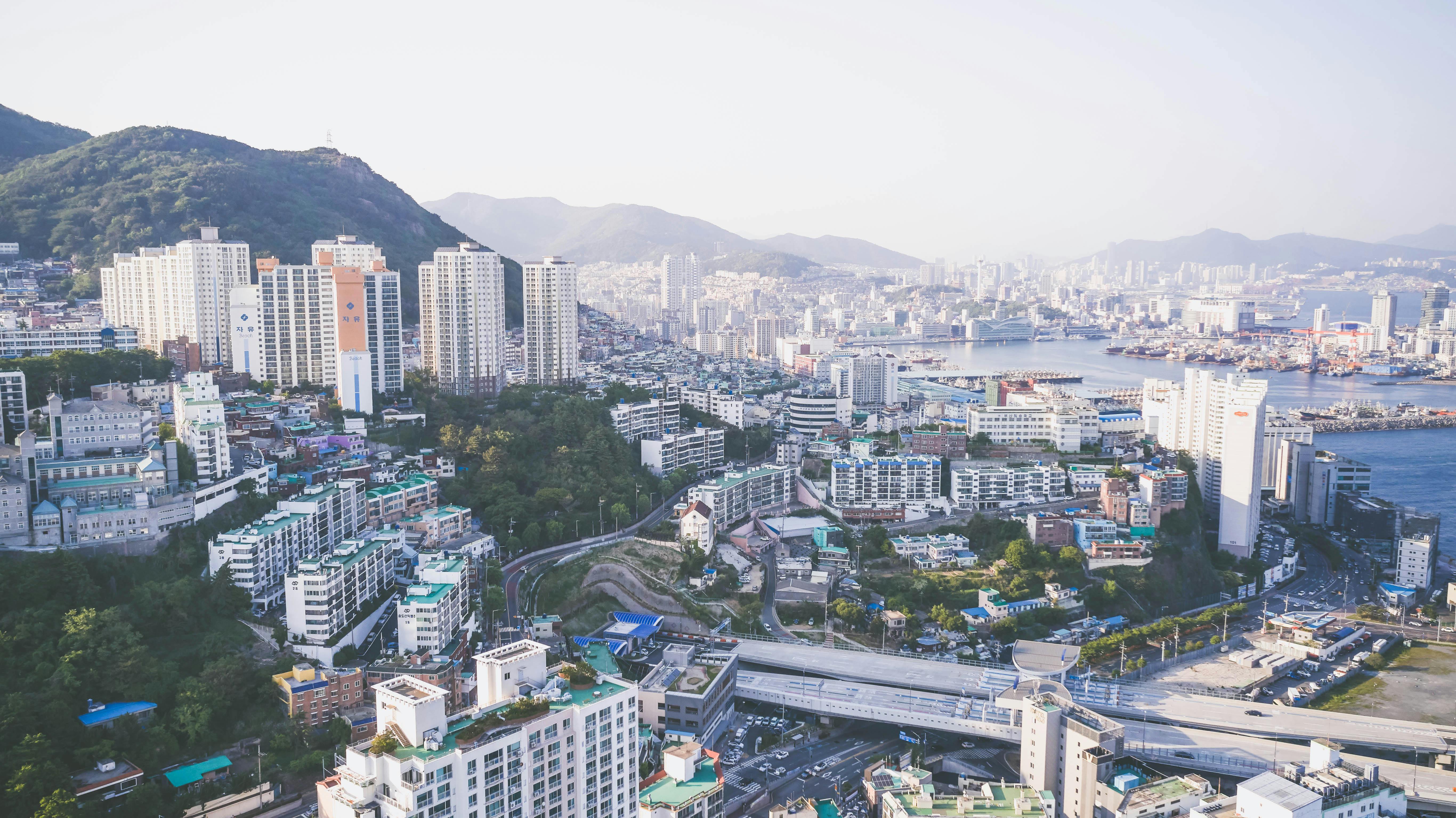
Busan Citizens Park is a remarkable urban oasis in Busanjin-gu, Busan, South Korea, renowned for its historical depth, civic symbolism, and vibrant programming. Once the site of a Japanese racetrack, later Camp Hialeah U.S. military base, and now transformed into a sprawling public park, it stands as a testament to the city’s capacity for renewal and community-driven change. This comprehensive guide details Busan Citizens Park’s visiting hours, ticketing, travel tips, accessibility, and nearby attractions, while exploring its layered history and cultural significance. Whether you are interested in Busan historical sites, family-friendly recreation, or local culture, this park is an essential destination. (Limnim’s Blog; Busan Metropolitan City; Busanpedia)
- Historical Background
- Visiting Information
- Park Layout and Thematic Zones
- Signature Attractions
- Activities for All Ages
- Travel Tips and Nearby Attractions
- FAQ
- Seasonal Highlights
- Conclusion
- References
Historical Background
From Colonial Racetrack to Urban Oasis
The area now known as Busan Citizens Park has witnessed a remarkable transformation, reflecting Busan’s turbulent 20th-century history. Originally developed as a racetrack during the Japanese colonial era in the 1930s, the site soon became a military outpost, first under Japanese and later U.S. control as Camp Hialeah after 1945. For decades, this “city within a city” was closed to the public—a stark reminder of foreign occupation and military presence. (Limnim’s Blog; Visit Busan)
In 2006, after the base’s closure and the land’s return to the Korean government, civic groups and citizens mobilized for its conversion into a public park. This grassroots movement ensured that the site’s redesign would honor its layered history while creating an inclusive, accessible green space for all. The park opened in 2014, blending preserved military structures, commemorative monuments, and new ecological and cultural features. (Haps Korea)
Visiting Information
Visiting Hours
- Park Hours: 5:00 AM – 10:00 PM daily
- Park History Museum: 9:00 AM – 6:00 PM (closed Mondays)
Ticket Prices
- General Admission: Free for both the park and the History Museum.
- Events/Workshops: Some special events or workshops may require advance reservation and fees.
Accessibility
- Barrier-free paths, ramps, and accessible restrooms throughout the park
- Wheelchair and stroller-friendly
- Dedicated parking for people with disabilities
How to Get There
- Subway: Busan Metro Line 2 (Busan Citizens Park Station, Exit 2) or Line 1 (Bujeon Station)
- Bus: Routes 40, 41, 142, and others stop nearby
- Car: On-site parking available, but may fill up on weekends/holidays
Best Times to Visit
- Spring (April–June): Cherry blossoms and Spring Flower Exhibition
- Autumn (September–November): Foliage and mild weather
- Weekdays: Less crowded
Park Layout and Thematic Zones
Busan Citizens Park spans over 470,000 square meters and is divided into five thematic zones—Memory, Culture, Pleasure, Nature, and Participation (Busan Metropolitan Government; Busanpedia):
1. Memory Zone
- Pillars of Memory and Remembrance: Mark the site’s transformation from military zone to civic park
- Preserved Quonset Huts: Original military buildings now used for exhibitions
2. Culture Zone
- Citizens Pavilion: Venue for exhibitions, performances, and festivals
- Open-Air Plazas: Host cultural festivals and flea markets
3. Pleasure Zone
- Playgrounds & Splash Fountains: Modern play spaces for children
- Maze Garden: A living labyrinth
- Man-Made White Sand Beach: Urban beach experience
4. Nature Zone
- Bamboo and Pine Forests: Scenic walking trails and forest bathing
- Sky Light Waterfall & Mirror Pond: Popular for photography
- Bujeoncheon and Jeonpocheon Streams: Shaded paths and charming bridges
5. Participation Zone
- Workshops & Urban Agriculture: Interactive programs (reservation may be required)
- Public Art Installations: Rotating displays and sculptures
Signature Attractions
- Hialeah Grass Plaza: Central 40,000-square-meter lawn for events and picnics (Busanpedia)
- Wall of Dedication: Commemorates citizens’ contributions to the park’s creation
- Dasom Gallery: Contemporary art space with rotating exhibitions
- Mirror Pond & Sky Light Waterfall: Stunning sunset and photo spots
- Children’s Playgrounds & Water Play Area: Family-friendly fun
Activities for All Ages
- Walking, Jogging, Cycling: Extensive paved and natural trails
- Picnicking: Wide lawns and pavilions, especially popular during cherry blossom season
- Cultural Events: Lantern Festival, Spring Flower Exhibition, Folk Arts Festival (Haps Korea)
- Photography: Iconic cherry blossom paths, K-pop fan spots (notably BTS’s V photo location)
- Smart Technology: Smart benches, interactive QR codes, free Wi-Fi
Travel Tips and Nearby Attractions
Travel Tips
- Arrive Early: For a peaceful visit and great lighting for photos
- Bring: Water, sun protection, camera, and picnic supplies
- Pets: Allowed on leash; owners must clean up after them
Nearby Attractions
- Seomyeon District: Shopping, dining, and nightlife
- Jagalchi Fish Market: Iconic seafood experience
- Busan Tower & Yongdusan Park: Panoramic city views
- Gamcheon Culture Village, UN Memorial Cemetery: Additional historical sites
FAQ
Q: What are the park’s opening hours?
A: 5:00 AM – 10:00 PM daily; History Museum 9:00 AM – 6:00 PM (closed Mondays).
Q: Is there an entrance fee?
A: Admission is free; some events or workshops may require tickets.
Q: Are pets allowed?
A: Yes, on a leash; owners must clean up after them.
Q: Is the park accessible for people with disabilities?
A: Yes, with barrier-free paths and accessible facilities.
Q: Are there guided tours?
A: Occasional guided tours and workshops are available—check the official website or information center.
Seasonal Highlights
- Spring: Cherry blossoms, Spring Flower Exhibition (Busanpedia)
- Summer: Water play zones, White Sand Beach
- Autumn: Foliage and cultural events
- Winter: Light festivals and illuminated displays
Listen to the full story in the app
The whole Busan Citizens Park,
told well.
Audio guides for 1,100+ cities across 96 countries. History, stories, and local insight — offline ready.

Verified, and shown.
Researched and written by the Audiala editorial team from historical records, architectural archives, and local expertise.
Researched from Wikidata, Wikipedia & official sources · fact-checked · How we make our guides →