Historical Background
Origins and Development
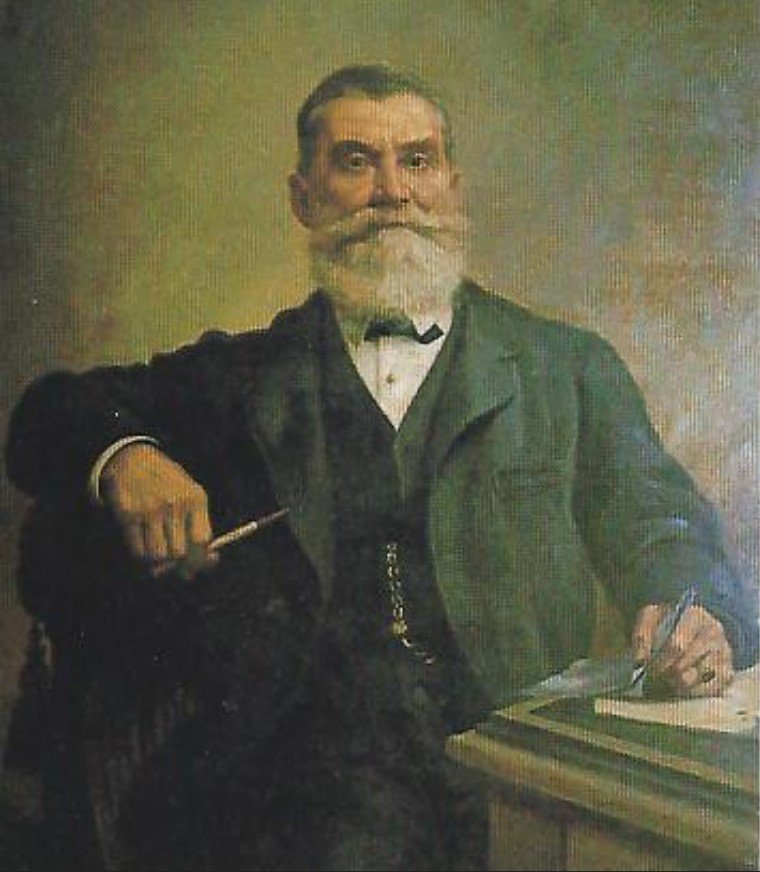
Emmarentia Dam occupies land that was once part of the historic Braamfontein Farm, established in 1853. In 1886, Louw Geldenhuys purchased a section of this farm, naming the area after his wife, Emmarentia. In the aftermath of the Anglo-Boer War (1899–1902), Geldenhuys initiated the construction of the dam in 1902 to provide employment for returning, landless farmers. The dam’s wall, built from stone quarried at Melville Koppies, has withstood the test of time, standing as a testament to the area’s resilience and community spirit (Amethyst).
Originally, the dam was fed by the Westdene Spruit and other local streams, while modern stormwater systems now supplement its flow. Over time, Geldenhuys’s endowment of the land to the Johannesburg City Council transformed the area into a public park, later named Jan van Riebeeck Park in 1952. The Johannesburg Botanical Garden was established in 1969, cementing the area’s role as a cornerstone of Johannesburg’s green infrastructure (Johannesburg City Parks & Zoo).
Heritage and Conservation
The dam wall and surrounding landscape are recognized as heritage structures, protected under South African legislation. Conservation efforts focus on maintaining the dam’s structural integrity while enhancing its ecological and historical value. Rehabilitation projects, including desilting and removal of invasive species, are ongoing to ensure the dam’s longevity and environmental health (Citizen).
Environmental and Ecological Significance
Biodiversity and Ecosystem Services
Emmarentia Dam is a vital ecological asset within Johannesburg’s urban landscape. It supports a diverse range of plant and animal life, including over 200 bird species, aquatic wildlife, and small mammals. The adjacent Johannesburg Botanical Garden, with its themed sections and thousands of indigenous and exotic plants, enhances local biodiversity and offers educational opportunities (Gauteng.net).
The dam also plays a key role in urban stormwater management, reducing flood risk and supporting healthy water systems throughout the city. Recent rehabilitation efforts aim to restore the dam’s water capacity and ecological balance by removing silt and invasive plants, improving water quality for both wildlife and human visitors (Citizen).
Visitor Information
Location and Access
- Address Olifants Road, Emmarentia, Johannesburg, Gauteng, South Africa
- Getting There Easily accessible by car (ample parking available), minibus taxis, or ride-hailing services (South Africa Tourism; SA-Venues).
Opening Hours and Entry
- Hours Open daily from sunrise to sunset (generally 6:00 AM to 6:00 PM)
- Entry Fee Free general admission; no tickets required for casual visits (EntranceFee.co.za)
- Accessibility Paved paths and designated wheelchair/pram-friendly routes; restrooms and parking spaces are accessible
Facilities and Amenities
- Expansive lawns and shaded picnic areas
- BBQ (braai) stands (arrive early to secure a spot)
- Public restrooms near main entrances
- Onsite tea room and nearby cafés/restaurants
- Drinking fountains and benches
- Waste disposal stations for pet owners
Activities and Clubs
Water-Based Activities
- Canoeing & Kayaking Home to the Dabulamanzi Canoe Club, offering training, events, and regattas for all skill levels
- Sailing Informal dinghy sailing and small yacht races, especially in summer
- Fishing Allowed with a valid freshwater fishing license; common catches include bass and carp
- Swimming Permitted but unsupervised; exercise caution and be mindful of boating activities
Land-Based Activities
- Walking, Jogging, & Cycling Well-marked trails around the dam and into the botanical garden; Braamfontein Spruit Hiking Trail nearby
- Dog Walking Off-leash areas and water access for dogs; owners must supervise and clean up
- Birdwatching Over 200 species, including kingfishers, herons, and weavers—bring binoculars for the best experience
- Picnicking Popular lawns and dedicated picnic spots for families and groups
- Photography Sunrise and sunset are particularly scenic; ideal for landscape and wildlife photography
Nearby Attractions
- Johannesburg Botanical Garden Adjacent to the dam, with themed gardens (rose, succulent, Shakespeare, herb) and over 30,000 trees (Johannesburg City Parks & Zoo)
- Melville Koppies Nature Reserve Offers hiking, archaeological sites, and panoramic city views (ERA)
- Delta Park Popular for walking, cycling, and environmental education
- Johannesburg Zoo Family-friendly attraction with diverse animal exhibits
- Westpark Cemetery & Marks Park Sports Club For historical exploration and sporting facilities
Events and Community Engagement
- Concerts & Festivals Annual summer sunset concerts, art exhibitions, yoga sessions, and markets
- Guided Walks & Educational Programs Occasional community-led tours and environmental workshops
- Rehabilitation Updates Check the Johannesburg City Parks & Zoo website for event schedules, project updates, and temporary closures
Safety and Practical Tips
- Security Fenced and monitored by security staff, but remain vigilant, especially after dark (Joburg.co.za)
- Weather Johannesburg has a mild climate; bring sun protection and rain gear during summer storms
- Crowds Weekends and public holidays are busiest; visit on weekdays for quieter experiences
- Swimming No lifeguards on duty; swim at your own risk
- Pets Dogs must be controlled and waste disposed of properly
- Fishing Valid freshwater license required; observe posted regulations
Frequently Asked Questions (FAQ)
Q: What are Emmarentia Dam’s opening hours?
A: Open daily from sunrise to sunset (approximately 6:00 AM to 6:00 PM).
Q: Is there an entrance fee?
A: No, entry is free for all visitors.
Q: Are dogs allowed?
A: Yes, in off-leash areas with supervision and cleanup.
Q: Can I fish or swim in the dam?
A: Fishing is allowed with a license; swimming is permitted, but unsupervised.
Q: Is the park wheelchair accessible?
A: Yes, most main paths and facilities are accessible.
Q: Where can I find event updates?
A: Visit the Johannesburg City Parks & Zoo website for the latest information.