Plan and listen to Beyers Naudé Square with Audiala.
Audio guide in your pocket, itinerary in your browser. Built for the way you actually visit.
Introduction
Beyers Naudé Square, centrally positioned in Johannesburg’s Central Business District (CBD), is both a vibrant urban space and a site of deep historical resonance. From its origins as Market Square in the late 19th century to its current role as a living memorial to social justice and reconciliation, the square is a microcosm of South Africa’s journey from colonialism and apartheid to democracy. This comprehensive guide details the square’s history, cultural significance, practical visiting information, nearby attractions, and essential safety tips for travelers.

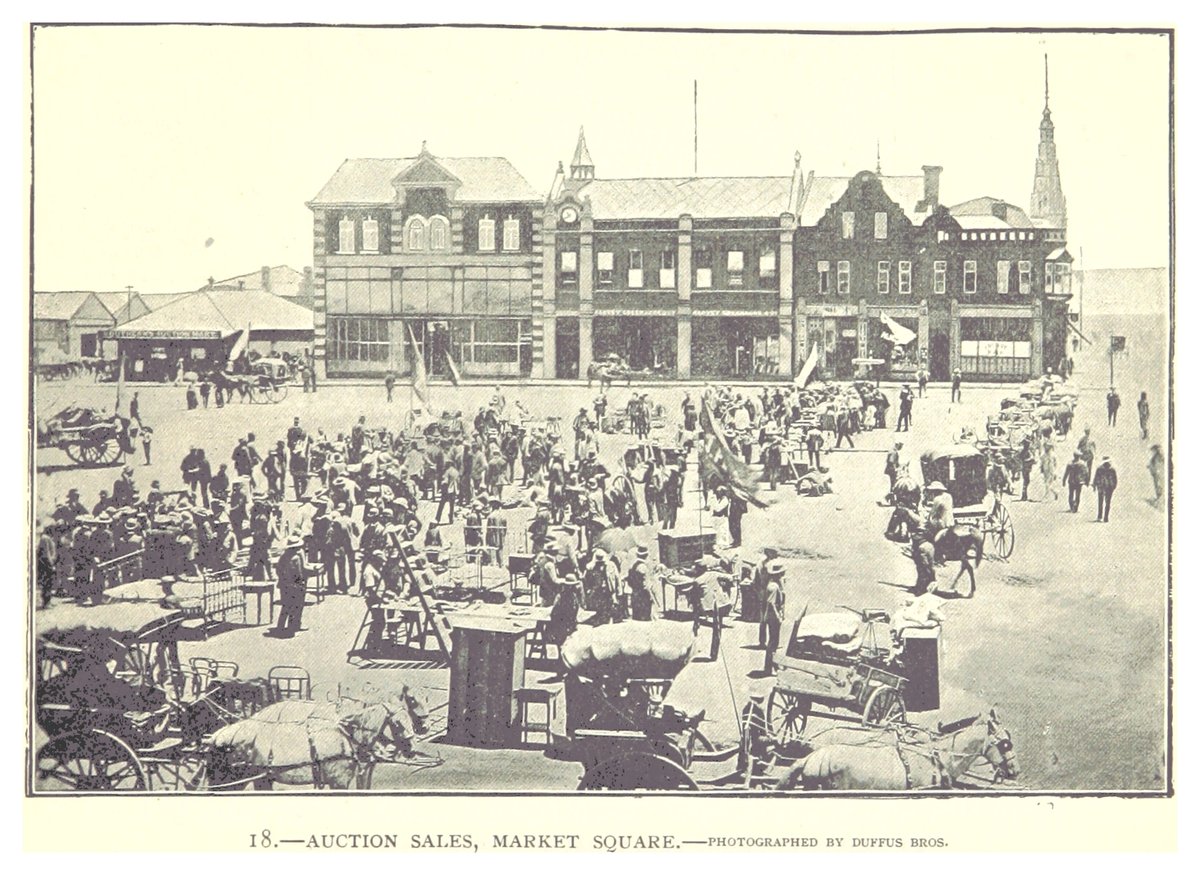
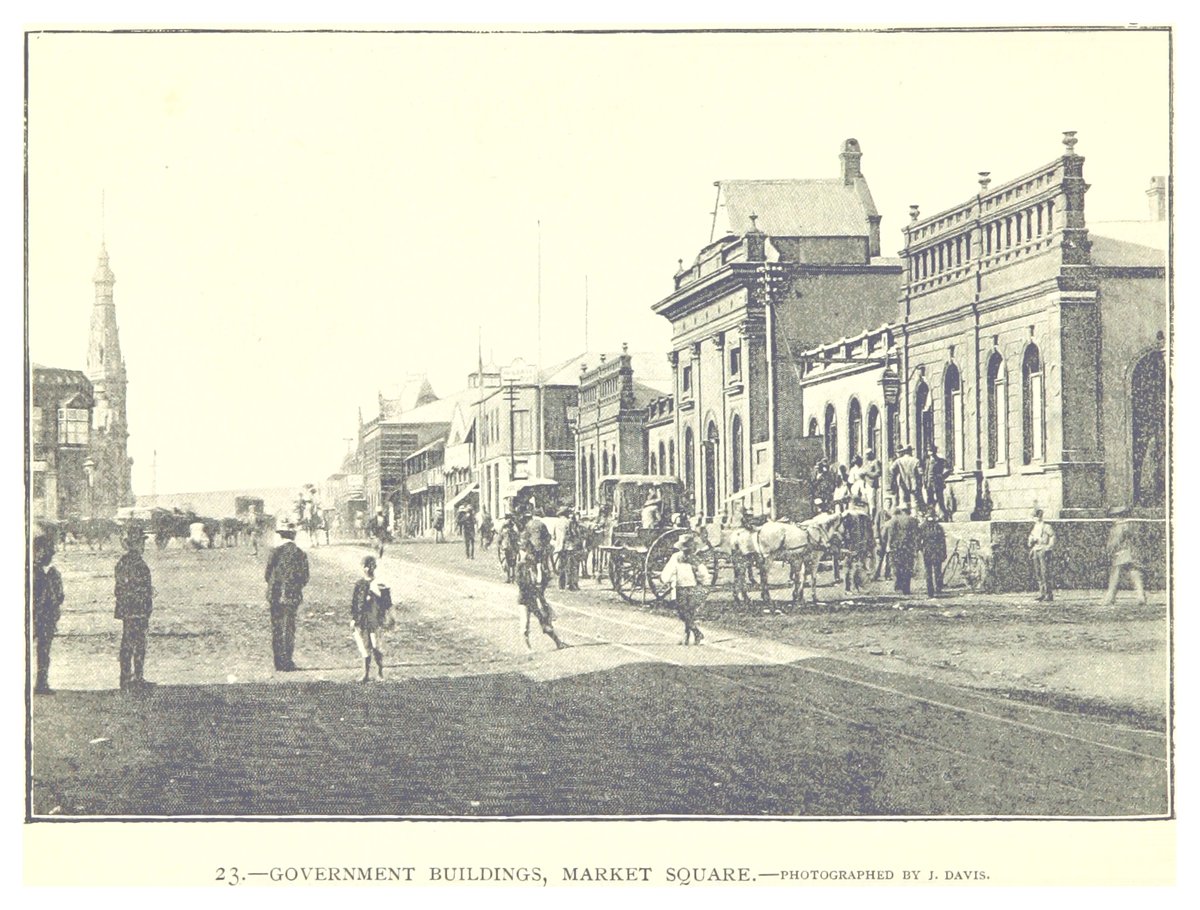
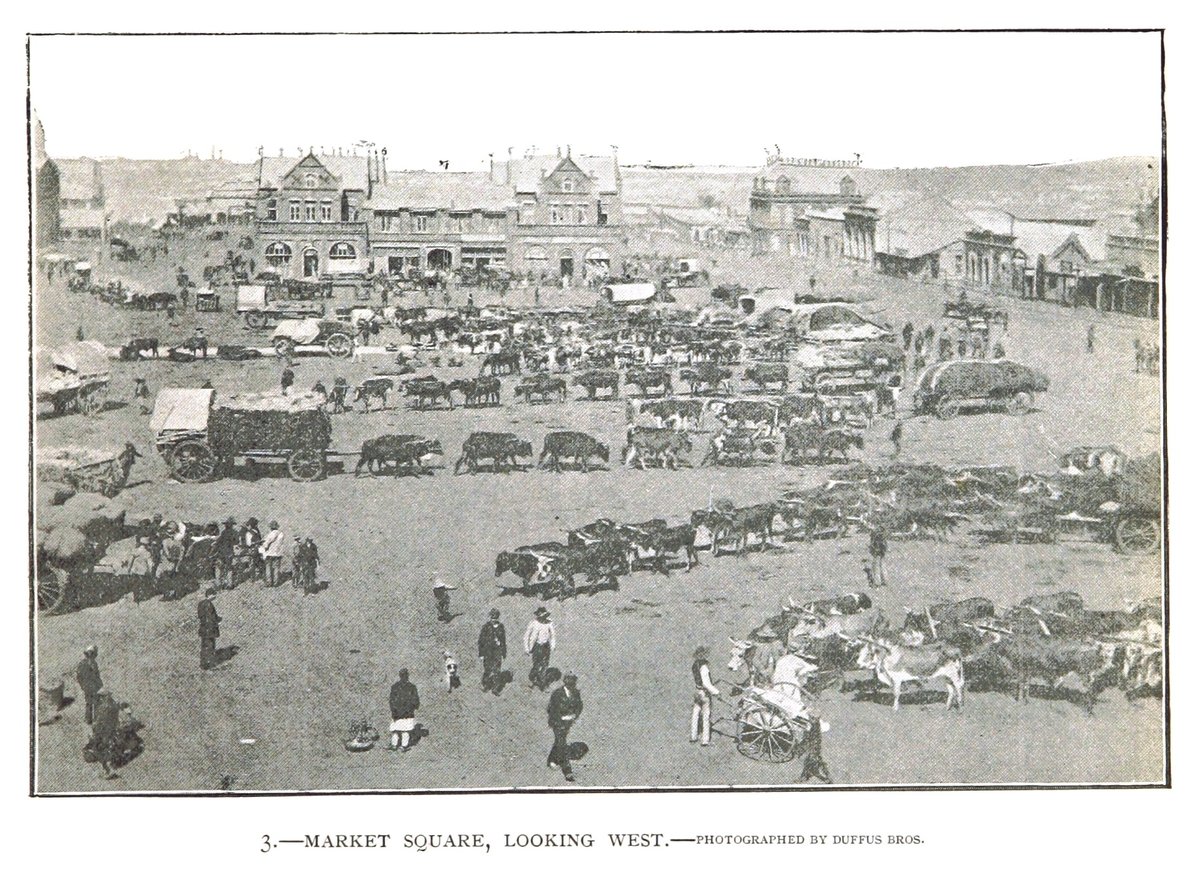
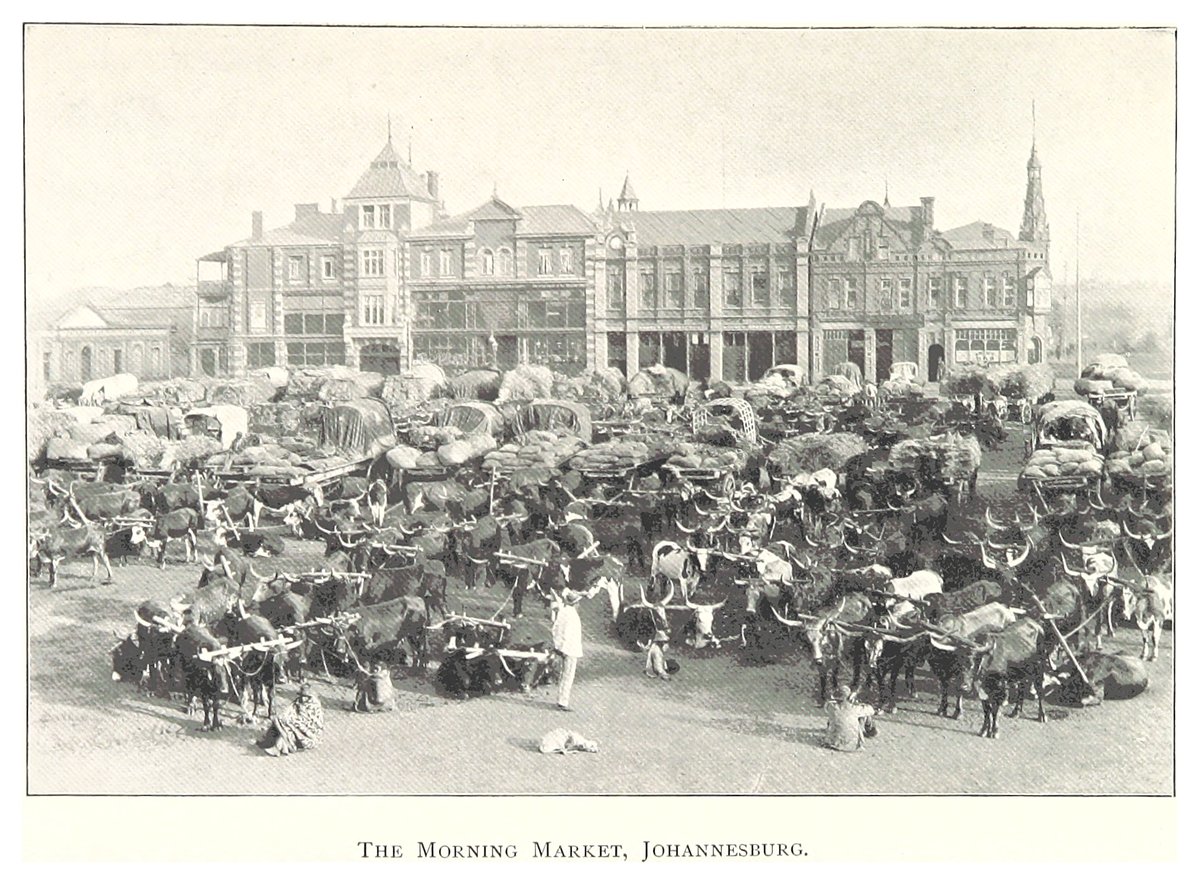
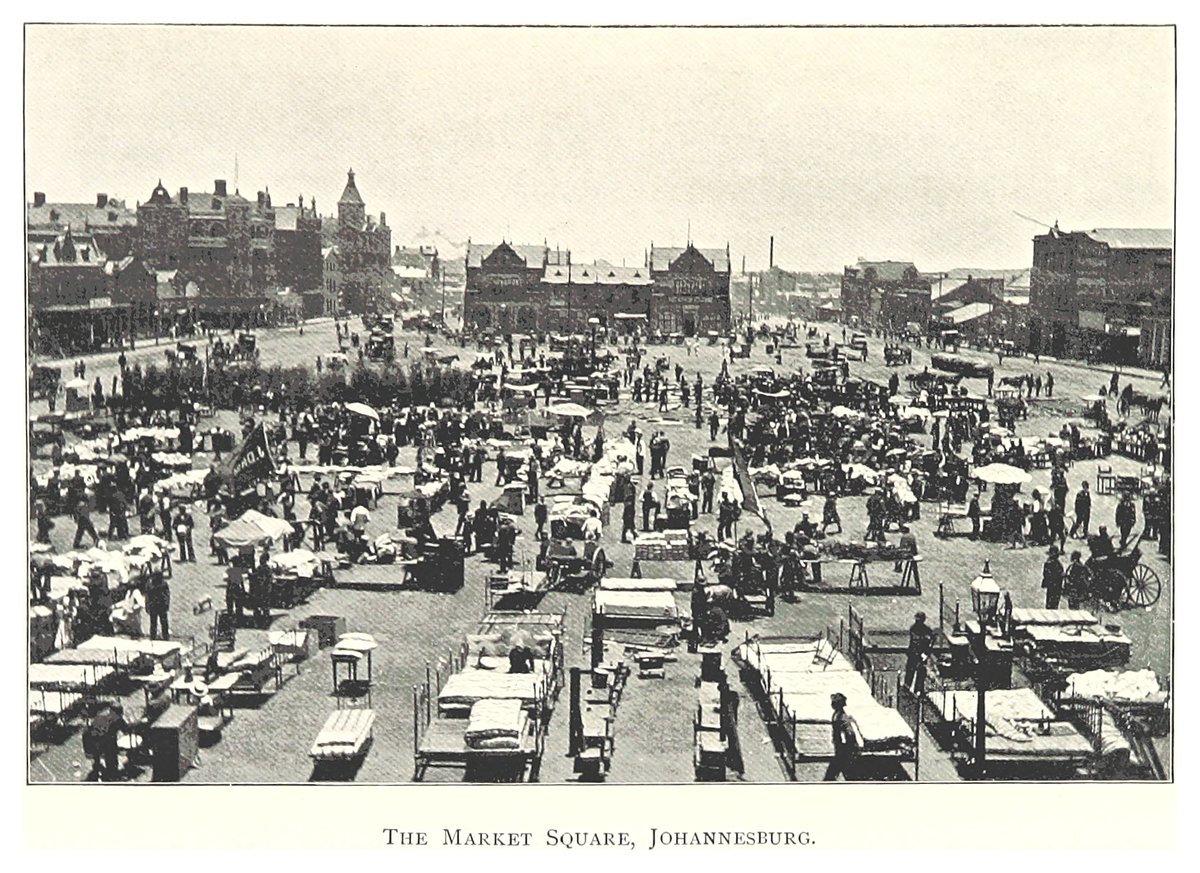
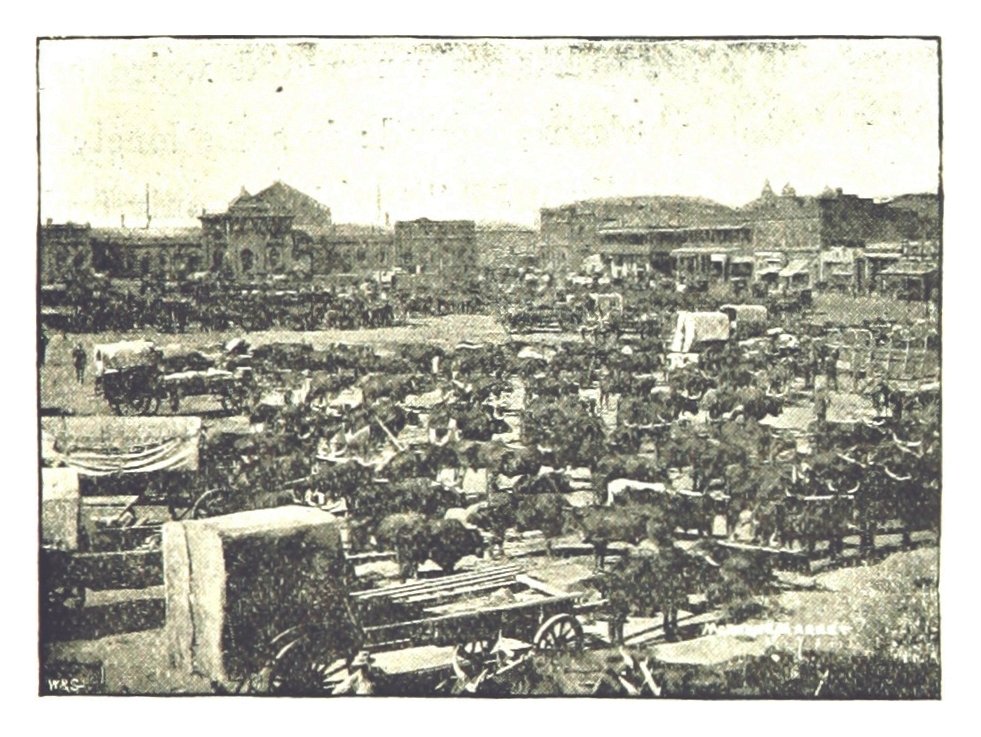
From Market Square to Civic Landmark
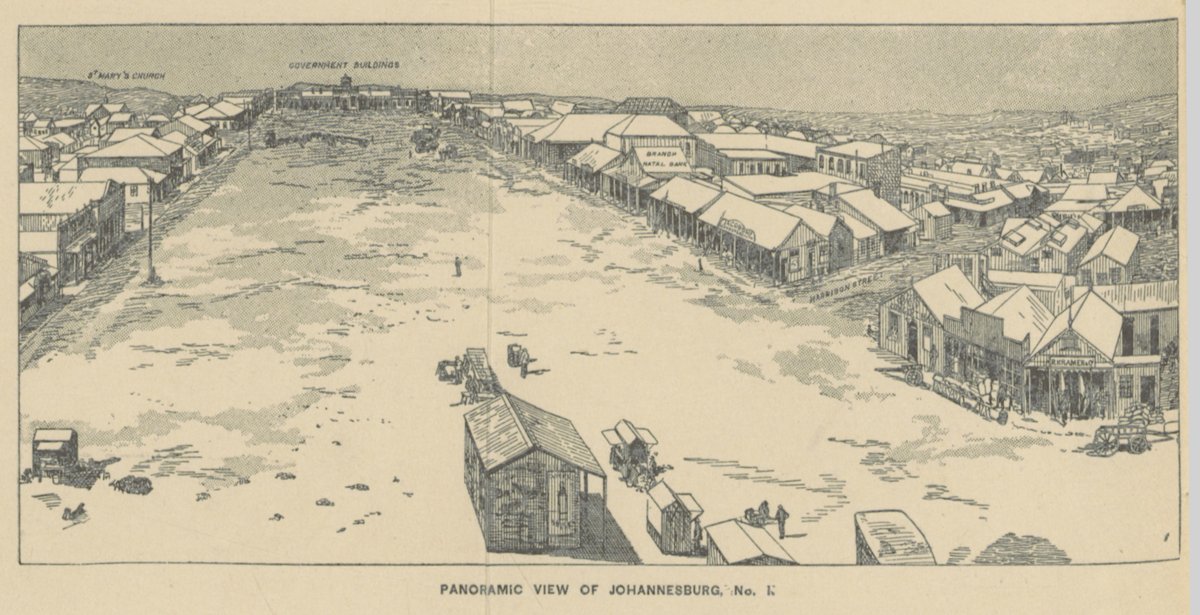
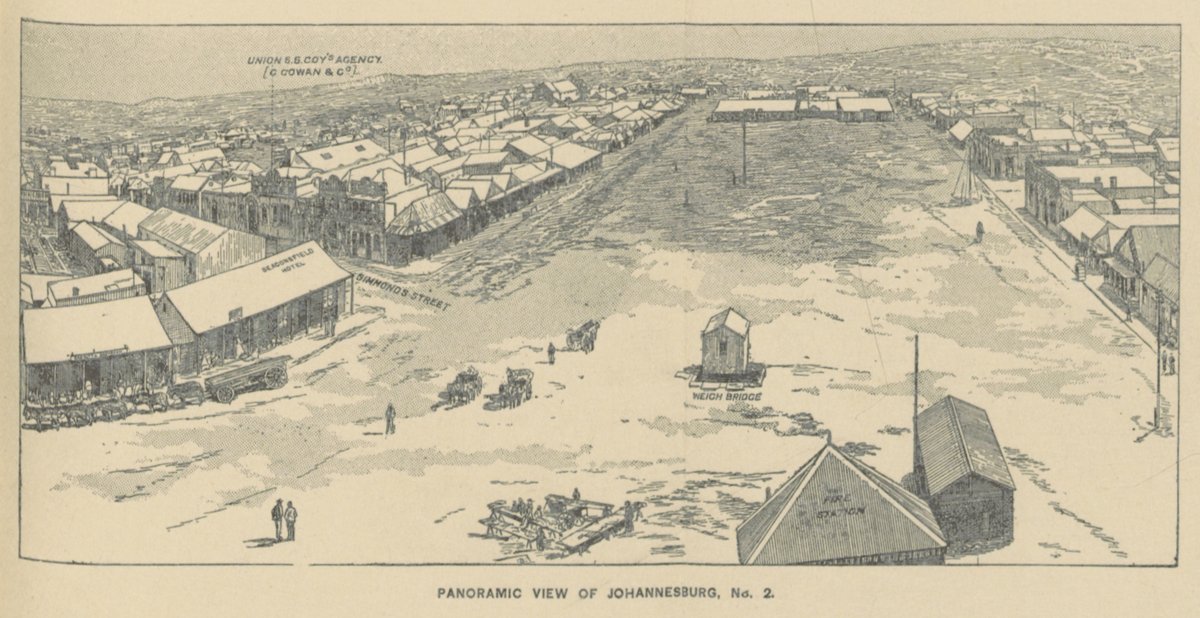
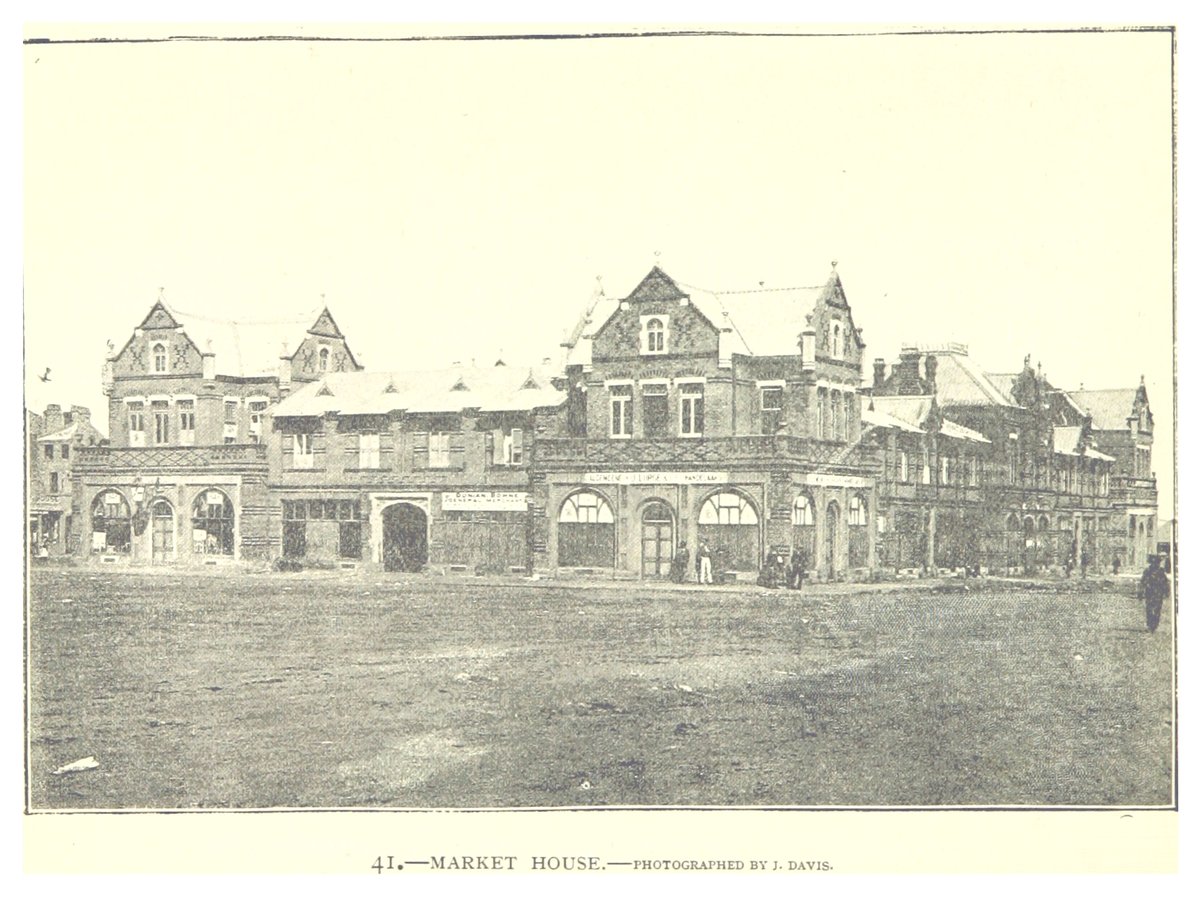
Established in the late 1800s as Market Square, this site was Johannesburg’s first formal marketplace and a focal point for early commerce and social interaction. Its central placement fueled the city’s rapid urban development (The Citizen). In 1913, market activities moved to Newtown, paving the way for the construction of major civic buildings like Johannesburg City Hall (1915) and Johannesburg City Library (1935), which together contributed to the square’s status as a civic and cultural hub.
Renaming and Tribute to Beyers Naudé
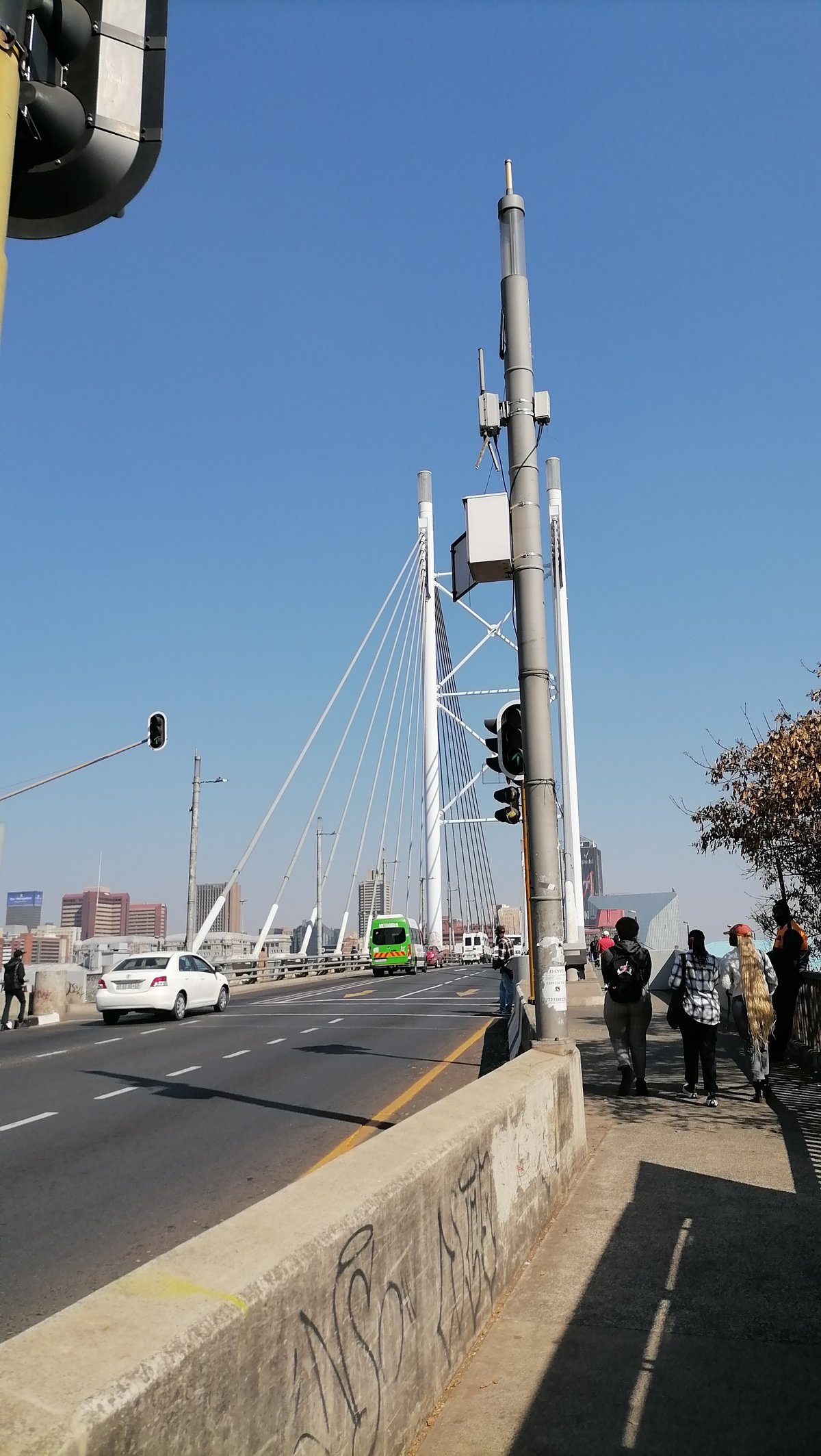
In 2001, the square was renamed in honor of Reverend Beyers Naudé, a prominent anti-apartheid theologian and activist. This renaming was part of a nationwide effort to reclaim public spaces for democratic memory and to celebrate champions of justice (Britannica Kids). The square now features illuminated towers with Naudé’s image and the Johannesburg Cenotaph, underscoring its significance as a site of remembrance and reflection (Sandton Chronicle).
Beyers Naudé: Life and Legacy
Born in 1915, Beyers Naudé was originally a member of the conservative Afrikaner-Broederbond and the Dutch Reformed Church. Confronted with the harsh realities of apartheid, he broke from the establishment, becoming a leading voice for non-racialism and reconciliation (Stellenbosch University). Naudé endured government bans and house arrest, but his work with the Christian Institute and the South African Council of Churches made him a symbol of resistance and hope (Verbum et Ecclesia). His commitment to justice is memorialized in the square and numerous institutions bearing his name.
Practical Visitor Information
Location & Accessibility
Beyers Naudé Square is bordered by Market, President, Simmonds, and Sauer Streets (JDA), adjacent to City Hall and the City Library. The square is easily reached via public transport, including the Rea Vaya BRT, buses, and Park Station. There is limited street parking and several paid garages nearby.
The square is pedestrian-friendly, with wide, paved walkways, landscaped gardens, and step-free access. Features like tactile paving and clear signage support visitors with mobility or visual impairments, making it accessible to all.
Visiting Hours and Entry
- Access: Open 24 hours a day, year-round.
- Recommendation: For safety and optimum experience, visit during daylight (6:00 AM–8:00 PM).
- Entry Fee: Free—no tickets are required.
Facilities and Amenities
- Restrooms: Available nearby, especially in the City Library.
- Food & Drink: Cafés, restaurants, and street vendors are abundant in the area.
- Wi-Fi: Limited public Wi-Fi; better access in nearby cafés and the library.
- Seating & Shade: Benches and landscaped areas provide comfort throughout the square.
Key Features and Attractions
Monuments and Memorials
- Johannesburg Cenotaph: A war memorial unveiled in 1926, honoring those who died in World Wars and later rededicated to anti-apartheid fighters (In Your Pocket).
- Illuminated Beyers Naudé Towers: Installed in 2011, these glass-topped towers depict Naudé and are especially striking at night.
- Historical Plaques and Public Art: The square features interpretive signage, art installations, and plaques narrating Johannesburg’s history (Sandton Chronicle).
Nearby Landmarks
- Johannesburg City Library: Famed for its architecture and lion statues (Let’s Roam).
- Johannesburg City Hall: An Edwardian Baroque masterpiece opened in 1915.
- Carlton Centre: Africa’s tallest building, offering panoramic city views.
Activities and Experiences
Tours and Events
- Guided Walking Tours: Many operators include the square in heritage and history walks, offering rich context (Rough Guides).
- Festivals & Ceremonies: The square hosts Remembrance Day, Beyers Naudé Memorial events, and cultural festivals (JDA).
- Relaxation & People-Watching: Ample benches and shaded spots make it ideal for a midday rest or observing city life.
Photography
With dramatic monuments, urban vistas, and public art, the square is a favorite for photographers. Early mornings and late afternoons provide the best natural light.
Integration with Johannesburg’s Heritage
Beyers Naudé Square is part of a network of significant historical sites, including:
- Museum Africa and Newtown Precinct: Explores South Africa’s urban and cultural history (The Citizen).
- Constitution Hill: Site of the Constitutional Court and old prisons, symbolizing the country’s legal transformation (VisitSights).
- Apartheid Museum: A powerful chronicle of the rise and fall of apartheid (VisitSights).
- Mandela House (Soweto): Museum in Nelson Mandela’s former home (VisitSights).
- Johannesburg Zoo & Botanical Gardens: Green spaces for families and nature lovers (VisitSights).
- Shopping and Dining: From local markets to upscale Sandton City and Nelson Mandela Square (Johannesburg Lists; WakaAbuja).
- Absa Money Museum: Exhibition on the history of South African currency (SA-Venues).
Safety Tips for Visitors
While the square and nearby areas are busy and generally safe during the day, Johannesburg’s city center does require vigilance (TravelSafe-Abroad).
Recommendations:
- Visit during daylight hours.
- Keep valuables secure and refrain from displaying them openly.
- Travel in groups and use registered taxis or ride-hailing services.
- Avoid poorly lit or isolated areas after dark.
- If using public transport, the Gautrain is recommended for safety.
- Ensure comprehensive travel insurance and be aware of emergency numbers.
Frequently Asked Questions (FAQ)
Q: What are the visiting hours of Beyers Naudé Square?
A: Open 24/7; daylight hours (6:00 AM–8:00 PM) are safest and most vibrant.
Q: Is there an entry fee?
A: No, access is free.
Q: Are guided tours available?
A: Yes, many walking tours and scavenger hunts include the square.
Q: Is the square wheelchair accessible?
A: Yes, with paved walkways and ramps (JDA).
Q: What are the best nearby attractions?
A: Johannesburg City Library, City Hall, Museum Africa, Constitution Hill, Apartheid Museum, Carlton Centre, and Gandhi Square.
Summary and Visitor Tips
Beyers Naudé Square stands as a vital symbol of Johannesburg’s—and South Africa’s—evolving story. Its monuments, public art, and surrounding heritage buildings invite visitors to reflect on themes of justice, reconciliation, and community. The square is accessible, welcoming, and at the heart of a network of Johannesburg’s most important historical and cultural landmarks.
Visitor Tips:
- Visit during daylight for the best experience.
- Combine your trip with guided tours for deeper historical context.
- Explore nearby attractions for a comprehensive understanding of the city.
- Download the Audiala app for maps, guides, event updates, and safety alerts.
Listen to the full story in the app
The whole Beyers Naudé Square,
told well.
Audio guides for 1,100+ cities across 96 countries. History, stories, and local insight — offline ready.
Verified, and shown.
Researched and written by the Audiala editorial team from historical records, architectural archives, and local expertise.
Researched from Wikidata, Wikipedia & official sources · fact-checked · How we make our guides →