Deep Time
science
c. 500,000 BCE
First Footprints on the Koppies
Early Stone Age hunters left hand axes and choppers on the rocky outcrops of what is now Melville Koppies. The same quartzite ridges that would later yield gold already carried the sound of struck stone half a million years ago. Those fragments still surface after rain.
Precolonial Era
castle
c. 1400
Iron Age Farmers Arrive
Sotho-Tswana communities built stone-walled villages across the Highveld. Cattle kraals and grain pits dotted the grasslands that 19th-century trekkers would mistake for empty land. The ruins are still visible if you know where to look.
swords
1823
Mzilikazi's Devastation
The Ndebele armies swept through the region during the difaqane. Entire settlements were burned or abandoned. When the first Voortrekkers crested the Witwatersrand ridge two decades later, they found silent valleys and overgrown stone circles.
Gold Rush Boomtown
factory
1886
The Gold Strike
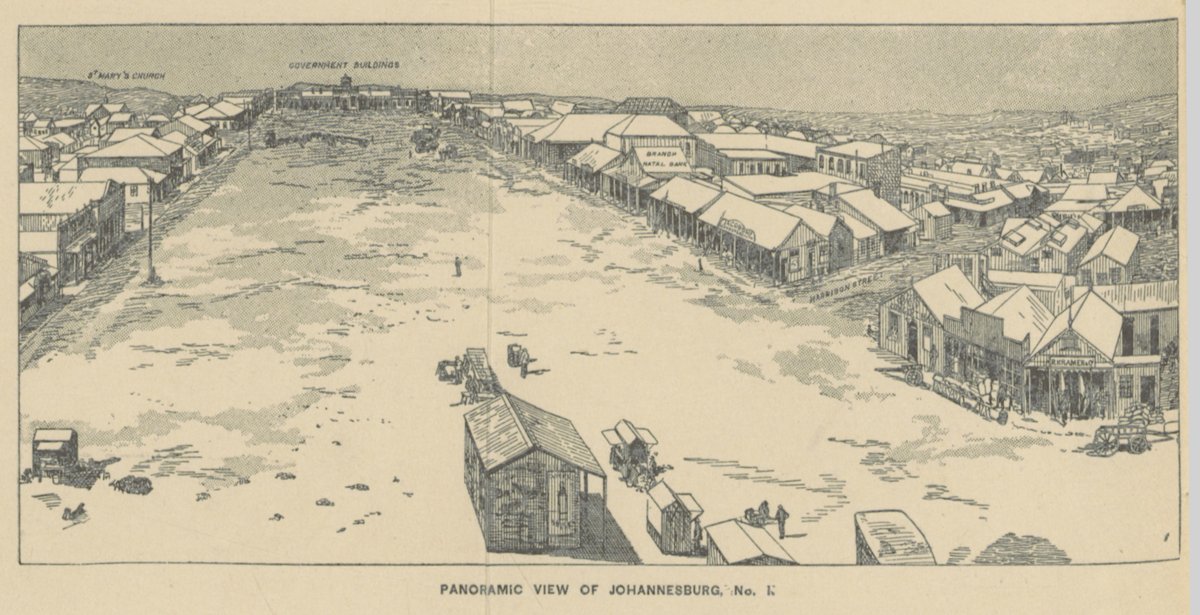
George Harrison picked up a glittering pebble on Langlaagte farm in February. By July the news had spread across the world. Within months a canvas tent city named Johannesburg appeared on the ridge. The Witwatersrand gold rush had begun.
factory
1887
Stock Exchange Founded
Eleven months after the first claims were pegged, Benjamin Minors Wollan founded the Johannesburg Stock Exchange under a tree on the corner of Commissioner and Simmonds Streets. Mining shares changed hands in the open air before the first proper building existed.
gavel
1894
Pavement Colour Bar
The Johannesburg council passed a by-law forbidding Black residents from walking on the pavements. The first formal act of urban racial segregation in the city. The law would shape street life for the next century.
local_fire_department
1896
Braamfontein Dynamite Disaster
A train carrying 2.5 million pounds of dynamite exploded in Braamfontein. The blast killed 78 people, flattened houses across four suburbs, and left a crater 60 metres wide. The smell of burnt explosives lingered for days.
music_note
1897
Enoch Sontonga Writes Nkosi Sikelel' iAfrika
In a tiny room in Johannesburg, teacher Enoch Sontonga composed the hymn that would become part of South Africa's national anthem. He never lived to hear it sung at freedom rallies decades later.
Imperial City
swords
1899
British Capture Johannesburg
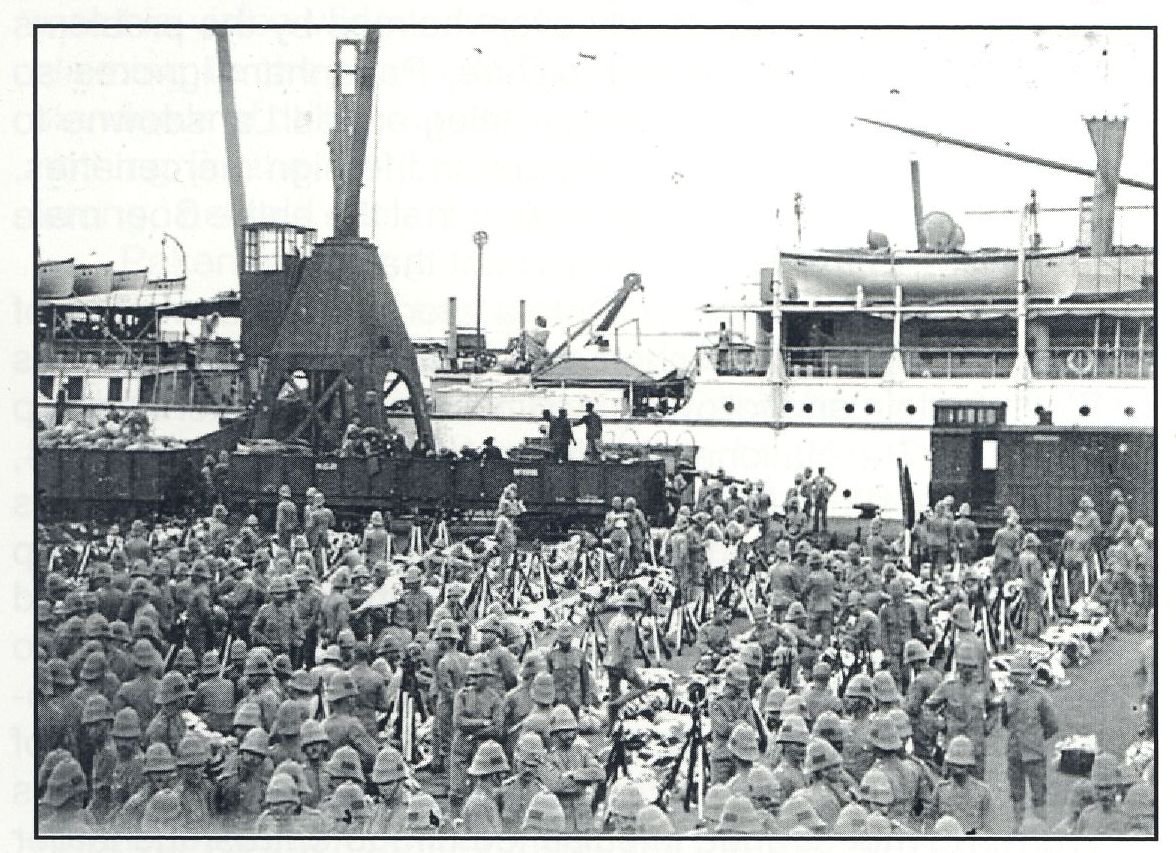
On 31 May 1900 Lord Roberts accepted the keys to the town from Dr Krause. The Boer republic that had created the city fell after barely thirteen years. British troops marched down Eloff Street under the smell of eucalyptus smoke from the mine dumps.
local_fire_department
1904
Plague and the Birth of Soweto
Bubonic plague broke out in the Brickfields slum. The authorities burned the area and forcibly removed Black residents to Klipspruit, 15 kilometres southwest. That distant settlement would grow into Soweto.
local_fire_department
1918
Spanish Flu Devastates the City
The influenza pandemic killed thousands in the overcrowded mining city. Brixton Cemetery recorded 69 burials in a single day. Mine compounds became death traps.
swords
1922
The Rand Rebellion
White miners rose against mine owners and the state. For ten days Johannesburg saw artillery duels and street fighting. The revolt ended with the slogan 'Workers of the World, Fight for a White South Africa.'
Segregated Metropolis
person
1923
Nadine Gordimer Arrives
Nine-year-old Nadine Gordimer moved to Johannesburg in 1923. The city she observed so sharply for the next seventy years would supply the moral tension in every one of her novels.
Apartheid City
person
1952
Mandela Opens His Law Office
Nelson Mandela and Oliver Tambo opened South Africa's first Black law practice at 47 Commissioner Street. The waiting room was so full that clients spilled onto the pavement outside. The building still stands, scarred by time.
swords
1955
Sophiatown Bulldozed
Over two nights in February, 60,000 residents were removed and Sophiatown was razed. The rubble was cleared and the suburb renamed Triomf. The jazz and shebeen culture that had defined Black Johannesburg vanished almost overnight.
gavel
1955
Freedom Charter Adopted
On 26 June at Kliptown, 3,000 delegates adopted the Freedom Charter under police surveillance. The document would become the blueprint for the post-apartheid constitution forty years later.
swords
1976
Soweto Uprising
On 16 June students marched against Afrikaans in schools. Police opened fire near Orlando West. Hector Pieterson, 12 years old, was among the first killed. The photograph of his body carried by a running youth changed South Africa forever.
palette
1976
Market Theatre Opens
The old Indian Fruit Market in Newtown became the Market Theatre. For the next two decades it served as the only major venue where Black and white artists could perform together. Many called it 'the theatre of the struggle.'
person
1984
Trevor Noah Born in Soweto
Trevor Noah came into the world in Soweto under laws that made his very existence illegal. His memoir would later introduce millions to the absurd cruelty of everyday life in Johannesburg's townships.
Democratic Era
person
1990
Mandela Returns to Johannesburg
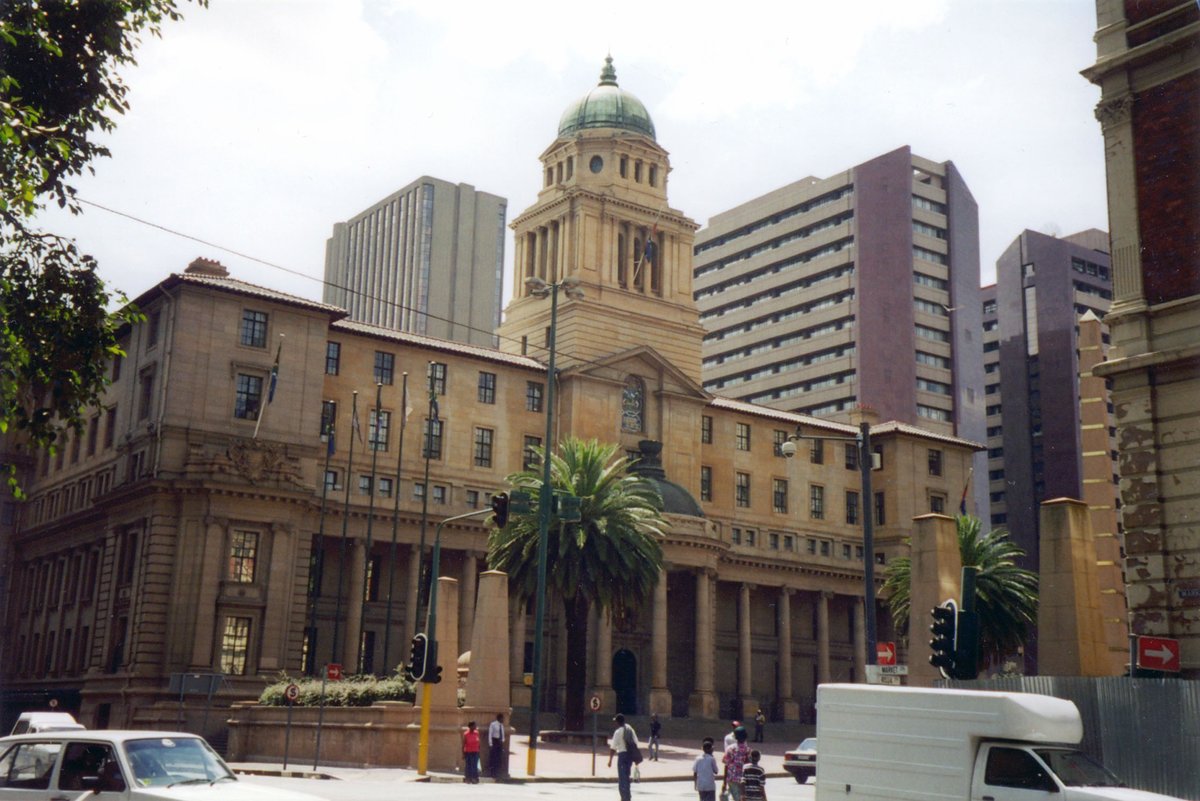
After 27 years in prison, Nelson Mandela walked free and came straight to Johannesburg. He addressed a vast crowd from the balcony of the old City Hall. The city that had once jailed him now roared his name.
gavel
1994
First Democratic Election
Queues snaked for kilometres outside polling stations across Johannesburg. Black South Africans voted for the first time in their lives. The city that invented modern apartheid became the political heart of the new democracy.
castle
2001
Apartheid Museum Opens
The Apartheid Museum opened its doors on the old zoo lake site. Visitors receive either a white or non-white identity card at the entrance, forcing them to experience the arbitrary brutality of racial classification from the first moment.
gavel
2004
Constitutional Court Inaugurated
South Africa's highest court opened on the site of the old Johannesburg Fort prison. The building deliberately incorporated the remains of the jail cells where Mandela, Gandhi and others had been held. Justice literally built on top of injustice.
public
2010
World Cup Opens in Soweto
On 11 June the 2010 FIFA World Cup kicked off at Soccer City in Soweto. The vuvuzela roar that filled the stadium carried across the same streets where students had been shot in 1976. History doesn't move in straight lines.