

Place
Johannesburg
South Africa Updated Apr 2026
Johannesburg hits you first with the smell of woodsmoke and the sound of minibus taxis. A city built on a gold reef that still runs beneath its streets, it refuses to sit still. One moment you’re standing on an ancient ridge looking across iron-age smelting sites, the next you’re in a converted tram shed staring at cutting-edge contemporary art. Few places on earth hold apartheid’s weight so honestly while simultaneously inventing what comes after it.
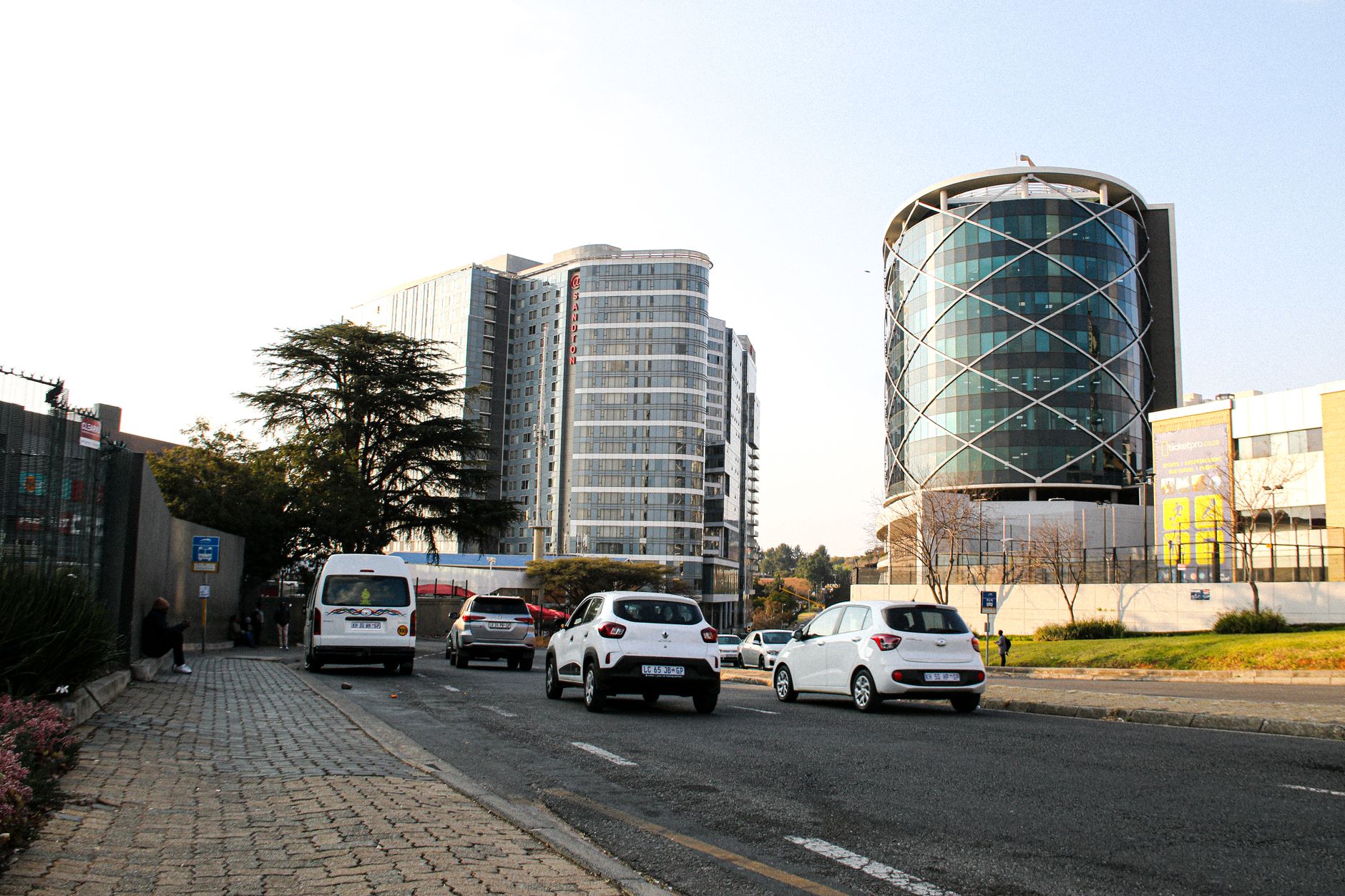 Photo: Ministar Samuel / Pexels
- Attractions
- 18
- Trip length
- 3-5 days
- Best season
- March to May
Why Johannesburg
Built from cited sources · see the method · How we make our guides →
The city’s genius lies in its contradictions. Ponte City looms 54 storeys high, a cylindrical concrete monument to late-apartheid ambition that has been through reinvention after reinvention. The same ridges that once carried Iron Age furnaces now offer sweeping views from Melville Koppies and The Wilds. And while the world knows Johannesburg for its museums of pain, locals will tell you the real story lives in Sunday braais on Vilakazi Street and the smell of kota being assembled on a street corner in Soweto.
This is not a polished capital. It is a place that feels lived in, argued over, and constantly rewritten. You will hear five languages before lunch. You will eat tripe and pap in a former shebeen then drink flat whites poured with scientific precision in 44 Stanley’s courtyards. The light here is merciless and beautiful at once, throwing long shadows across buildings that refuse to be ignored.
Come for the history if you must. Stay because the city keeps revealing small secrets: a Gandhi house where satyagraha was refined, a workers’ compound museum that smells of old concrete and human struggle, a botanical garden where Verreaux’s eagles nest above a waterfall. Johannesburg does not charm you. It challenges you, then rewards those who pay attention.
Apartheid's Reckoning
The Apartheid Museum forces you to walk through narrow corridors lined with original passbooks and prison doors. Its steel-and-concrete silence hits harder than any textbook, changing how you see every street you walk afterward.Ponte City
This 54-storey concrete cylinder in Hillbrow stands as Johannesburg's most honest building. Once a symbol of apartheid-era ambition, then decay, now reinvention, its hollow core contains more stories per square metre than anywhere else in the city.Ridge & Skyline
Melville Koppies and The Wilds reveal that Johannesburg sits on ancient ridges covered in indigenous grassland. Climb up at golden hour and the city suddenly makes geological sense, its wealth and struggles both written into the topography.Living Art Districts
Maboneng, Victoria Yards and Rosebank's Art Mile function as working creative ecosystems rather than tourist stages. The smell of oil paint and welding drifts from open studio doors onto streets where the city's future is being argued over coffee.
Places to Visit
Not every monument, just the ones we'd walk you past ourselves.
-
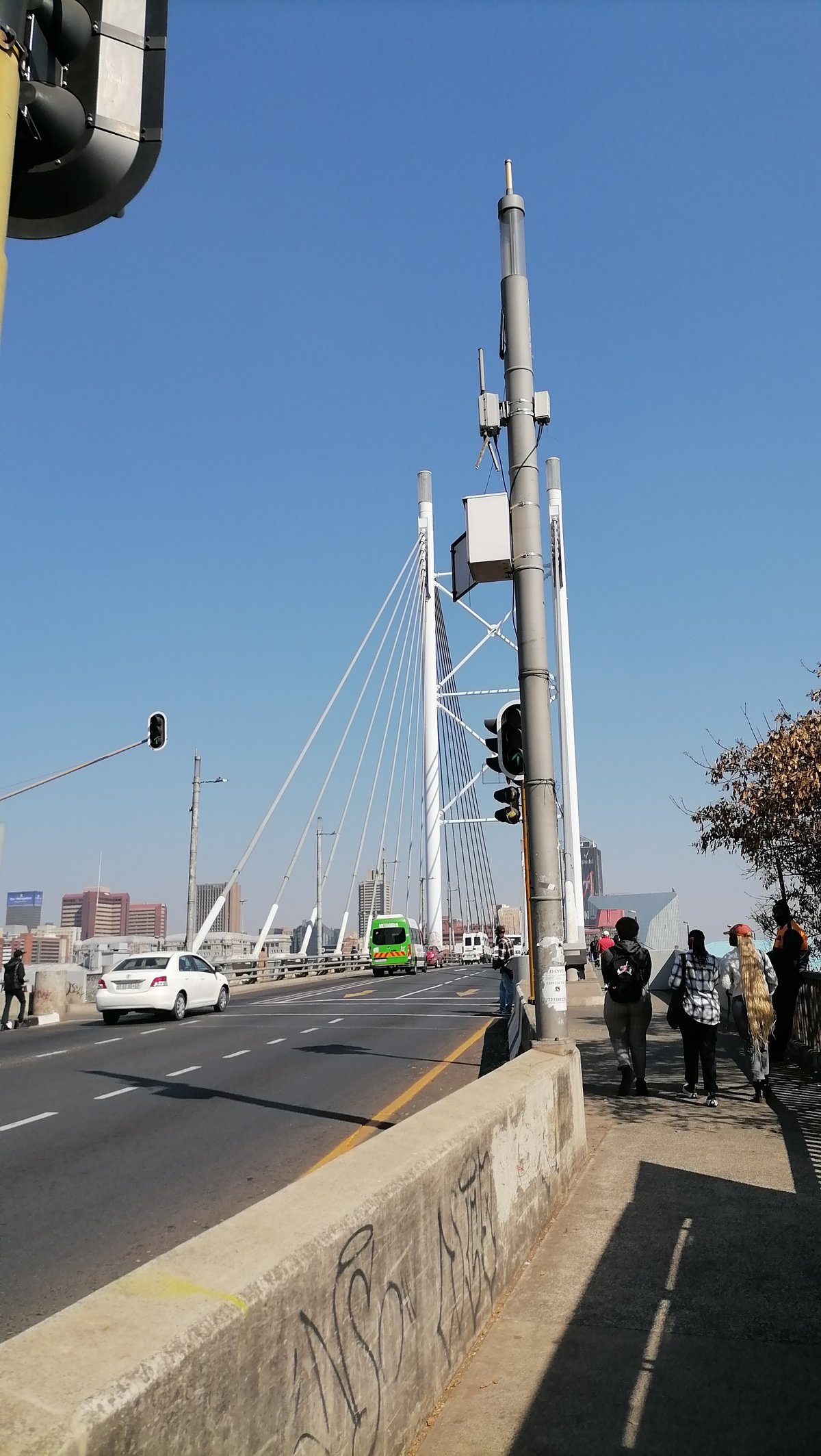
Nelson Mandela Bridge The Nelson Mandela Bridge stands as one of Johannesburg’s most emblematic landmarks, embodying the spirit of unity, resilience, and urban renewal in South…
-
Museumafrica Museumafrica, situated in Johannesburg’s vibrant Newtown Cultural Precinct, stands as one of South Africa’s premier historical and cultural institutions.
-
South African National Museum of Military History The South African National Museum of Military History in Johannesburg stands as a premier destination for those interested in the rich and complex military…
-
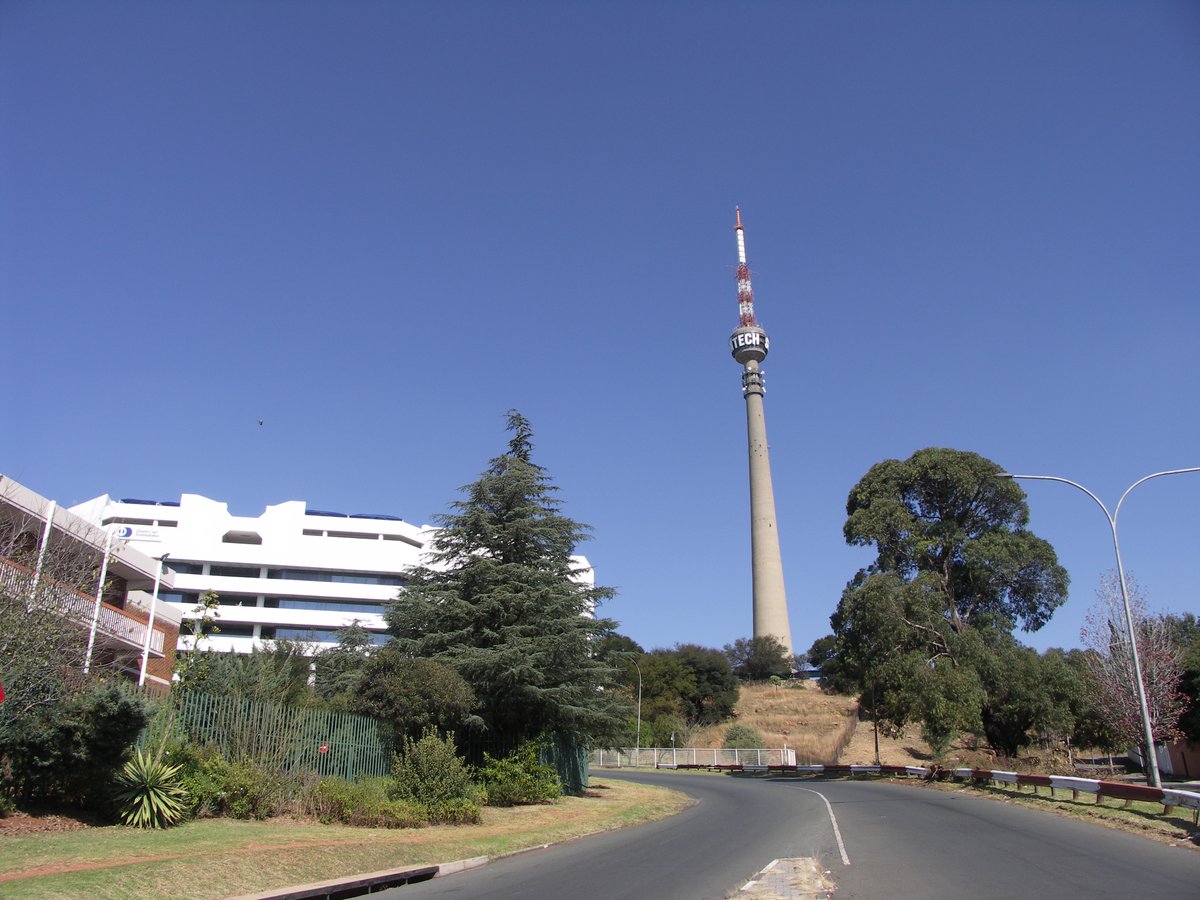
Sentech Tower The Sentech Tower, an iconic telecommunications landmark rising 237 meters above Johannesburg’s Brixton Ridge, represents a significant chapter in South…
- Johannesburg Art Gallery Nestled in the vibrant heart of Johannesburg, South Africa, the Johannesburg Art Gallery (JAG) stands as a cultural beacon and one of the continent’s premier…
- Apartheid Museum The Apartheid Museum in Johannesburg is a profound cultural landmark that offers visitors an immersive and enlightening journey through one of the most…
- Nelson Mandela Square Nelson Mandela Square in Johannesburg stands as a vibrant emblem of South Africa’s rich history, cultural diversity, and modern urban life.
- Hillbrow Tower Nestled in the vibrant urban heart of Johannesburg, South Africa, the Hillbrow Tower stands as an iconic symbol of the city’s architectural ambition, cultural…
- Westpark Cemetery Westpark Cemetery, located in Johannesburg, South Africa, is one of the city's most historically significant and culturally rich burial sites.
Neighborhoods
Where to wander, by quarter — each with its own rhythm.
Soweto
Vilakazi Street still draws the tour buses, but the real Soweto reveals itself in the smell of shisa nyama and the sound of music spilling from shebeens. Mandela House stands modest and powerful on the same street where Nobel laureates once lived. Hector Pieterson Museum anchors the story of 1976. Yet the district lives most vividly in its food stalls, its churches, and the weekend energy that turns a political pilgrimage into something far more human.Maboneng
Once the poster child for inner-city regeneration, Maboneng still pulses with galleries, design shops, and rooftops. The Living Room bar offers one of the better sunset views in the city. Its energy is real but requires intention. Go with a plan, use rideshares at night, and treat it as a creative district rather than a casual wander.Braamfontein
Student energy meets serious culture here. Wits Art Museum holds one of the country’s finest African art collections. Neighbourgoods Market takes over on Saturdays with local produce and vinyl stalls. The Nelson Mandela Bridge connects it to Newtown in a single elegant arc. This is where Johannesburg’s young creatives argue about the future over coffee.Rosebank
The Keyes Art Mile gives visitors polished galleries, design stores, and restaurants like Marble with its open-fire cooking. Father Coffee’s Rosebank branch serves as unofficial headquarters for the city’s serious caffeine scene. The Sunday market on the rooftop draws a broad crowd. This is Johannesburg at its most visitor-friendly without feeling sanitized.Newtown
The old fruit market now houses Museum Africa, which tells the story of how this mining camp became a city. Market Theatre still carries the weight of being called the “theatre of the struggle.” Nearby, the Workers’ Museum preserves the actual bunks and punishment rooms where migrant laborers lived. Newtown rewards those interested in how Johannesburg was physically built.Melville
7th Street remains the bohemian spine of the city. Bars and quirky cafés spill onto the pavement in the evenings. Melville Koppies rises just behind it, offering indigenous grassland, Iron Age remains, and some of the best views across the city. This neighborhood gives you both the night out and the reminder that Johannesburg sits on ancient ridges.Parkhurst
4th Avenue offers one of the city’s most pleasant strolls. Embarc serves precise contemporary cooking in a relaxed setting. The street mixes small restaurants, wine bars, and independent shops without the gloss of Sandton. This is where many locals choose to spend their Saturday mornings.44 Stanley
Housed in 1930s industrial buildings, this low-key precinct feels like the opposite of a mall. Bean There roasts South Africa’s first Fairtrade coffee here. Design shops and small cafés occupy the courtyards. Locals come to meet friends, not to perform for visitors. The atmosphere is calm and genuine.
Plan your trip
Before you go
- Getting There
- O.R. Tambo International Airport (JNB) handles nearly all international flights. Lanseria International Airport (HLA) serves domestic routes only. The Gautrain station sits inside the O.R. Tambo terminal with direct service to Sandton; use only accredited taxis from the official rank.
- Getting Around
- Gautrain connects the airport, Sandton, Rosebank and Park Station with its airport and commuter lines. Rea Vaya BRT offers trunk and feeder routes across the city with fares from R11 to R28 in 2026. Walking works inside precincts like Maboneng and 44 Stanley during daylight; avoid it after dark or between neighbourhoods.
- Climate & Best Time
- Summer (Nov–Feb) averages 25°C days with afternoon thunderstorms. Winter (Jun–Aug) brings clear skies, 16°C days and 4°C nights. The sweet spot runs March to May or September to November when temperatures sit between 19–24°C and rainfall stays moderate.
- Safety
- Use Gautrain, hotel shuttles or ride-hailing apps for all movement, especially from the airport. Avoid walking after dark and never take minibus taxis or Metrorail. Follow-home robberies from O.R. Tambo remain a documented risk; pre-book your arrival transfer.
Gold, Guns and the Long Walk to Freedom
From empty Highveld to Africa's most contested metropolis in 140 years
- c. 500,000 BCE
First Footprints on the Koppies
Early Stone Age hunters left hand axes and choppers on the rocky outcrops of what is now Melville Koppies. The same quartzite ridges that would later yield gold already carried the sound of struck stone half a million years ago. Those fragments still surface after rain.
- c. 1400
Iron Age Farmers Arrive
Sotho-Tswana communities built stone-walled villages across the Highveld. Cattle kraals and grain pits dotted the grasslands that 19th-century trekkers would mistake for empty land. The ruins are still visible if you know where to look.
- 1823
Mzilikazi's Devastation
The Ndebele armies swept through the region during the difaqane. Entire settlements were burned or abandoned. When the first Voortrekkers crested the Witwatersrand ridge two decades later, they found silent valleys and overgrown stone circles.
- 1886
The Gold Strike
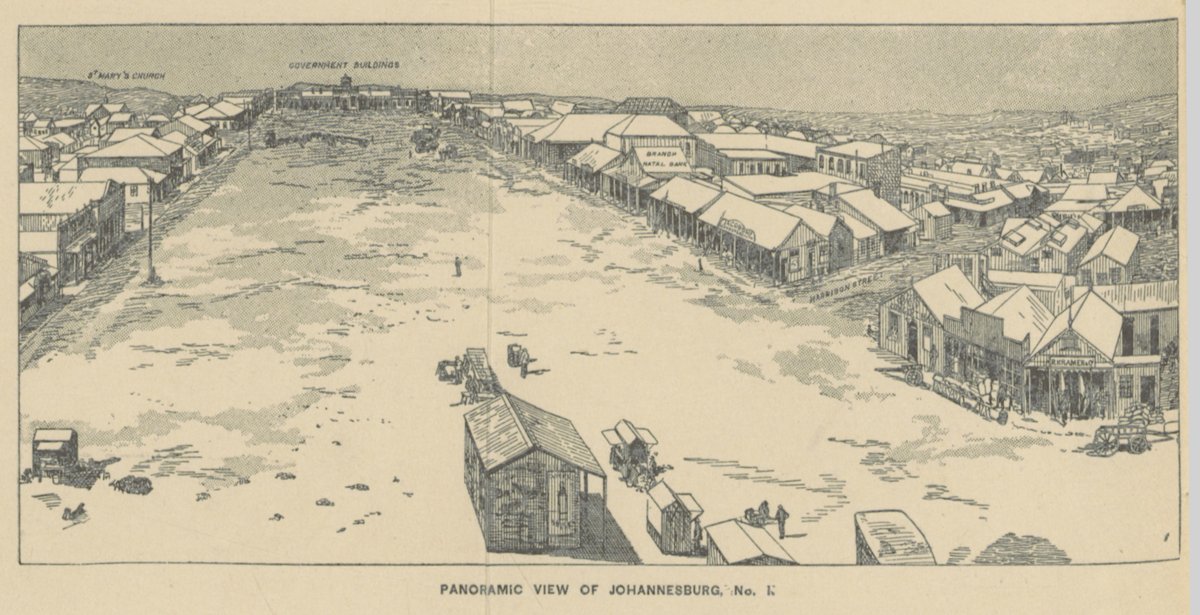
George Harrison picked up a glittering pebble on Langlaagte farm in February. By July the news had spread across the world. Within months a canvas tent city named Johannesburg appeared on the ridge. The Witwatersrand gold rush had begun.
- 1887
Stock Exchange Founded
Eleven months after the first claims were pegged, Benjamin Minors Wollan founded the Johannesburg Stock Exchange under a tree on the corner of Commissioner and Simmonds Streets. Mining shares changed hands in the open air before the first proper building existed.
- 1894
Pavement Colour Bar
The Johannesburg council passed a by-law forbidding Black residents from walking on the pavements. The first formal act of urban racial segregation in the city. The law would shape street life for the next century.
Show the full timeline (24 moments)
- 1896
Braamfontein Dynamite Disaster
A train carrying 2.5 million pounds of dynamite exploded in Braamfontein. The blast killed 78 people, flattened houses across four suburbs, and left a crater 60 metres wide. The smell of burnt explosives lingered for days.
- 1897
Enoch Sontonga Writes Nkosi Sikelel' iAfrika
In a tiny room in Johannesburg, teacher Enoch Sontonga composed the hymn that would become part of South Africa's national anthem. He never lived to hear it sung at freedom rallies decades later.
- 1899
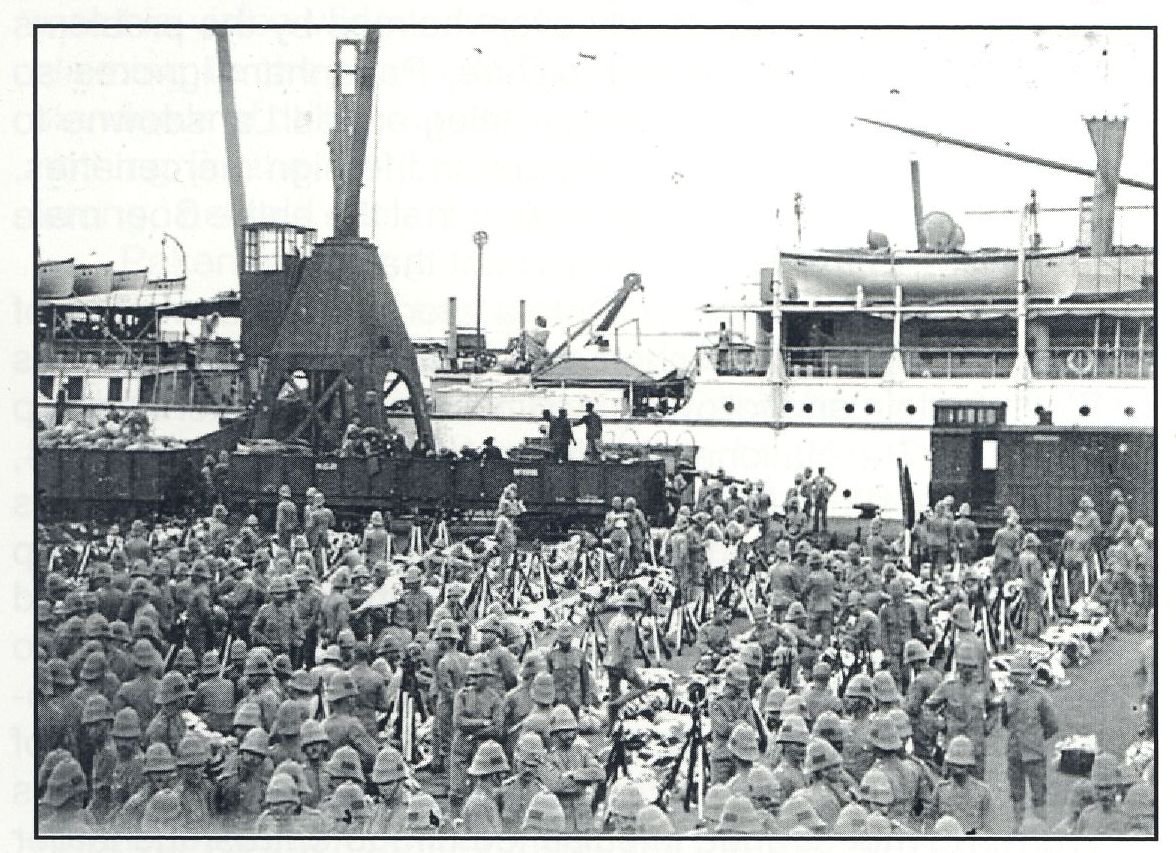
British Capture Johannesburg
On 31 May 1900 Lord Roberts accepted the keys to the town from Dr Krause. The Boer republic that had created the city fell after barely thirteen years. British troops marched down Eloff Street under the smell of eucalyptus smoke from the mine dumps.
- 1904
Plague and the Birth of Soweto
Bubonic plague broke out in the Brickfields slum. The authorities burned the area and forcibly removed Black residents to Klipspruit, 15 kilometres southwest. That distant settlement would grow into Soweto.
- 1918
Spanish Flu Devastates the City
The influenza pandemic killed thousands in the overcrowded mining city. Brixton Cemetery recorded 69 burials in a single day. Mine compounds became death traps.
- 1922
The Rand Rebellion
White miners rose against mine owners and the state. For ten days Johannesburg saw artillery duels and street fighting. The revolt ended with the slogan 'Workers of the World, Fight for a White South Africa.'
- 1923
Nadine Gordimer Arrives
Nine-year-old Nadine Gordimer moved to Johannesburg in 1923. The city she observed so sharply for the next seventy years would supply the moral tension in every one of her novels.
- 1952
Mandela Opens His Law Office
Nelson Mandela and Oliver Tambo opened South Africa's first Black law practice at 47 Commissioner Street. The waiting room was so full that clients spilled onto the pavement outside. The building still stands, scarred by time.
- 1955
Sophiatown Bulldozed
Over two nights in February, 60,000 residents were removed and Sophiatown was razed. The rubble was cleared and the suburb renamed Triomf. The jazz and shebeen culture that had defined Black Johannesburg vanished almost overnight.
- 1955
Freedom Charter Adopted
On 26 June at Kliptown, 3,000 delegates adopted the Freedom Charter under police surveillance. The document would become the blueprint for the post-apartheid constitution forty years later.
- 1976
Soweto Uprising
On 16 June students marched against Afrikaans in schools. Police opened fire near Orlando West. Hector Pieterson, 12 years old, was among the first killed. The photograph of his body carried by a running youth changed South Africa forever.
- 1976
Market Theatre Opens
The old Indian Fruit Market in Newtown became the Market Theatre. For the next two decades it served as the only major venue where Black and white artists could perform together. Many called it 'the theatre of the struggle.'
- 1984
Trevor Noah Born in Soweto
Trevor Noah came into the world in Soweto under laws that made his very existence illegal. His memoir would later introduce millions to the absurd cruelty of everyday life in Johannesburg's townships.
- 1990
Mandela Returns to Johannesburg
After 27 years in prison, Nelson Mandela walked free and came straight to Johannesburg. He addressed a vast crowd from the balcony of the old City Hall. The city that had once jailed him now roared his name.
- 1994
First Democratic Election
Queues snaked for kilometres outside polling stations across Johannesburg. Black South Africans voted for the first time in their lives. The city that invented modern apartheid became the political heart of the new democracy.
- 2001
Apartheid Museum Opens
The Apartheid Museum opened its doors on the old zoo lake site. Visitors receive either a white or non-white identity card at the entrance, forcing them to experience the arbitrary brutality of racial classification from the first moment.
- 2004
Constitutional Court Inaugurated
South Africa's highest court opened on the site of the old Johannesburg Fort prison. The building deliberately incorporated the remains of the jail cells where Mandela, Gandhi and others had been held. Justice literally built on top of injustice.
- 2010
World Cup Opens in Soweto
On 11 June the 2010 FIFA World Cup kicked off at Soccer City in Soweto. The vuvuzela roar that filled the stadium carried across the same streets where students had been shot in 1976. History doesn't move in straight lines.
Who lived here
-
Anti-apartheid leader and president · 1918–2013
Nelson Rolihlahla Mandela
Lived and worked here 1940s–1960s
After arriving in Johannesburg he studied at Wits and opened South Africa’s first Black law firm with Oliver Tambo on Fox Street in 1952. The modest house on Vilakazi Street where he returned after 27 years in prison still carries the weight of that first night. Today the city he helped transform still argues loudly about everything he stood for.
-
Singer and activist · 1932–2008
Miriam Makeba
Born and raised near here
Born in Prospect Township and raised in Sophiatown, Makeba sang in local bands before the world discovered her voice. The forced removals that destroyed her neighbourhood in the 1950s shaped the protest music she carried abroad. Johannesburg still plays her records in shebeens and on Vilakazi Street.
-
Comedian and author · born 1984
Trevor Noah
Born and raised in Johannesburg
Grew up in Soweto under the complicated rules of being a mixed-race child during apartheid. The Daily Show host still keeps his foundation here and returns often. Stand on any corner in Orlando West and you can almost hear the sharp observational humour he sharpened on these streets.
-
Artist and filmmaker · born 1955
William Kentridge
Born and based in Johannesburg
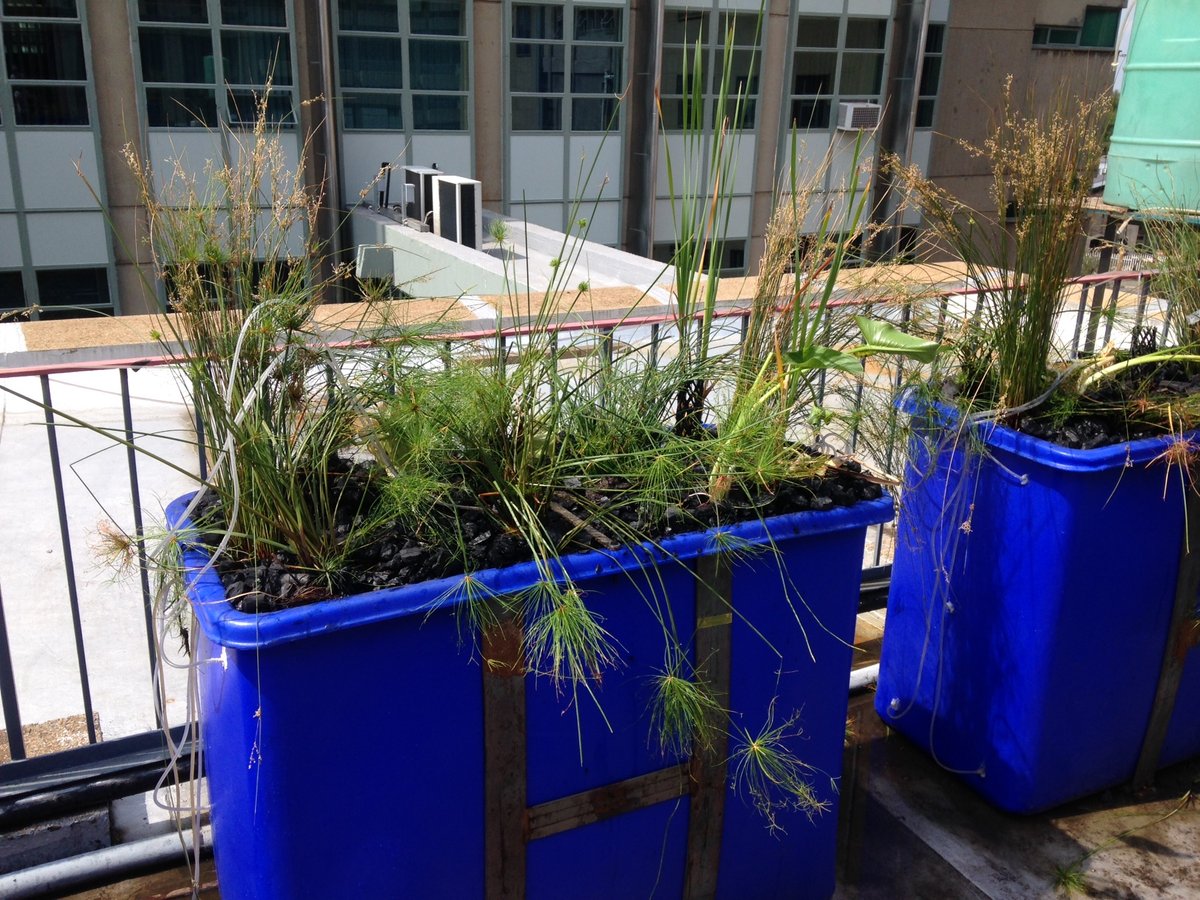
Studied at Wits and still works from his Johannesburg studio, drawing the layered history of the city in charcoal and film. His procession of shadow figures feels like the perfect visual language for a place built on mining dumps and political contradictions. The city appears in almost every major work he makes.
-
Anti-apartheid activist and writer · 1925–1982
Ruth First
Born and worked in Johannesburg
As Johannesburg editor of The Guardian she exposed the brutality of the mine compounds. Detained under the 90-day law in 1963 at the Old Fort, she later wrote vividly about that experience. Her daughter still lives in the city that both shaped and eventually killed her.
-
Leader of nonviolent resistance · 1869–1948
Mohandas Karamchand Gandhi
Developed satyagraha near Johannesburg
At Tolstoy Farm outside the city the young lawyer tested the ideas that would later change India. He walked these ridges and argued in these courts before returning home. Satyagraha House on 15 Pines Street still keeps the modest furniture where those ideas first took physical form.
Where to Eat
Where locals actually book dinner — not the tourist menus.
Insider tips
Small things that change how the city treats you.
Safety after dark
Stick to well-lit, populated areas like Rosebank or Maboneng after sunset. Uber is safer and cheaper than street taxis or walking in the CBD.Go cashless
Mandela House switched to card-only from December 2025. Most major sites including Walter Sisulu Botanical Garden now prefer cards. Carry some rand for informal markets.Use Gautrain
The Gautrain links the airport to Sandton, Rosebank and central Johannesburg quickly and safely. Avoid the MetroRail commuter trains unless traveling with a local who knows the current situation.Best visiting months
March to May brings mild temperatures and lower rainfall. Johannesburg sits at 1,753 m elevation so nights can drop sharply even in summer.Eat in precincts
44 Stanley and Victoria Yards deliver better value and atmosphere than tourist traps. Try a kota at a Soweto street stall if your guide is experienced.Ridge walks early
Melville Koppies opens at 8:00. Go first thing for Iron Age smelting remains and clear views across the city before the afternoon haze builds.
Gallery
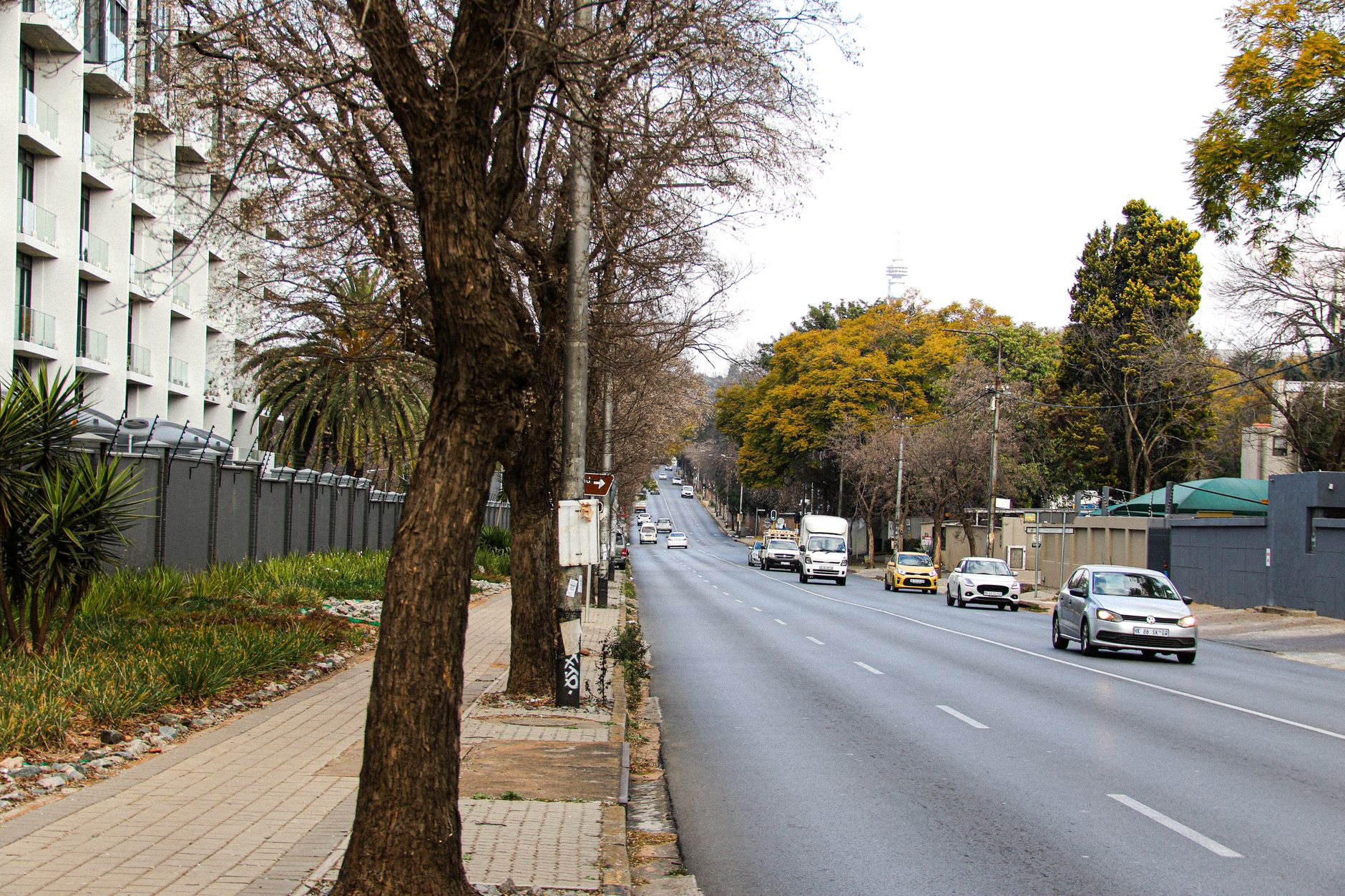
The city, as it actually looks.




Watch
-
Chews to Explore EXPLORING the BEST of Johannesburg, South Africa Travel Vlog
-
Exploropia Johannesburg, South Africa 🇿🇦 in 8K ULTRA HD HDR 60 FPS Dolby Vision™ Drone Video
-
Melough Travels SOUTH AFRICA: JOHANNESBURG WALKING TOUR. 13 OCTOBER 2025
-
Taylor & Jordan Travel Johannesburg South Africa Travel Guide: 21 BEST Things To Do In Johannesburg
Frequently asked
Is Johannesburg worth visiting?
Yes, if you care about modern South African history and urban reinvention. The Apartheid Museum and Constitution Hill deliver some of the clearest explanations of 20th-century South Africa anywhere. Pair them with a Soweto visit and a walk through Maboneng or 44 Stanley and the city starts to make sense.
How many days do you need in Johannesburg?
Three full days works for the essentials. One for apartheid history sites, one for Soweto and Vilakazi Street, and one for inner-city regeneration or a ridge viewpoint. Four days lets you add the Cradle of Humankind or Walter Sisulu Botanical Garden without rushing.
Is Johannesburg safe for tourists?
Like any big city it has areas to avoid. The CBD and certain townships require guided visits or local knowledge. Rosebank, Sandton, Melville and Maboneng feel noticeably safer. Use ride-hailing apps at night and don’t flash valuables.
How do you get from Johannesburg airport to the city?
The Gautrain is the fastest and most secure option, running directly to Sandton and Rosebank. A one-way ticket costs around R200. Uber works reliably from the airport but expect heavy traffic on the R24 during peak hours.
Should I visit Soweto on my own?
Most first-timers do better with a reputable guide. Vilakazi Street around Mandela House is busy and relatively straightforward, but the wider township rewards context that’s hard to pick up independently.
All Places to Visit.
64 places to discover
Place
Apartheid Museum
Place
Nelson Mandela Square
Place
Nelson Mandela Bridge
Place
Hillbrow Tower
Place
Museumafrica
Place
South African National Museum of Military History
Place
Westpark Cemetery
Place
Sentech Tower
Place
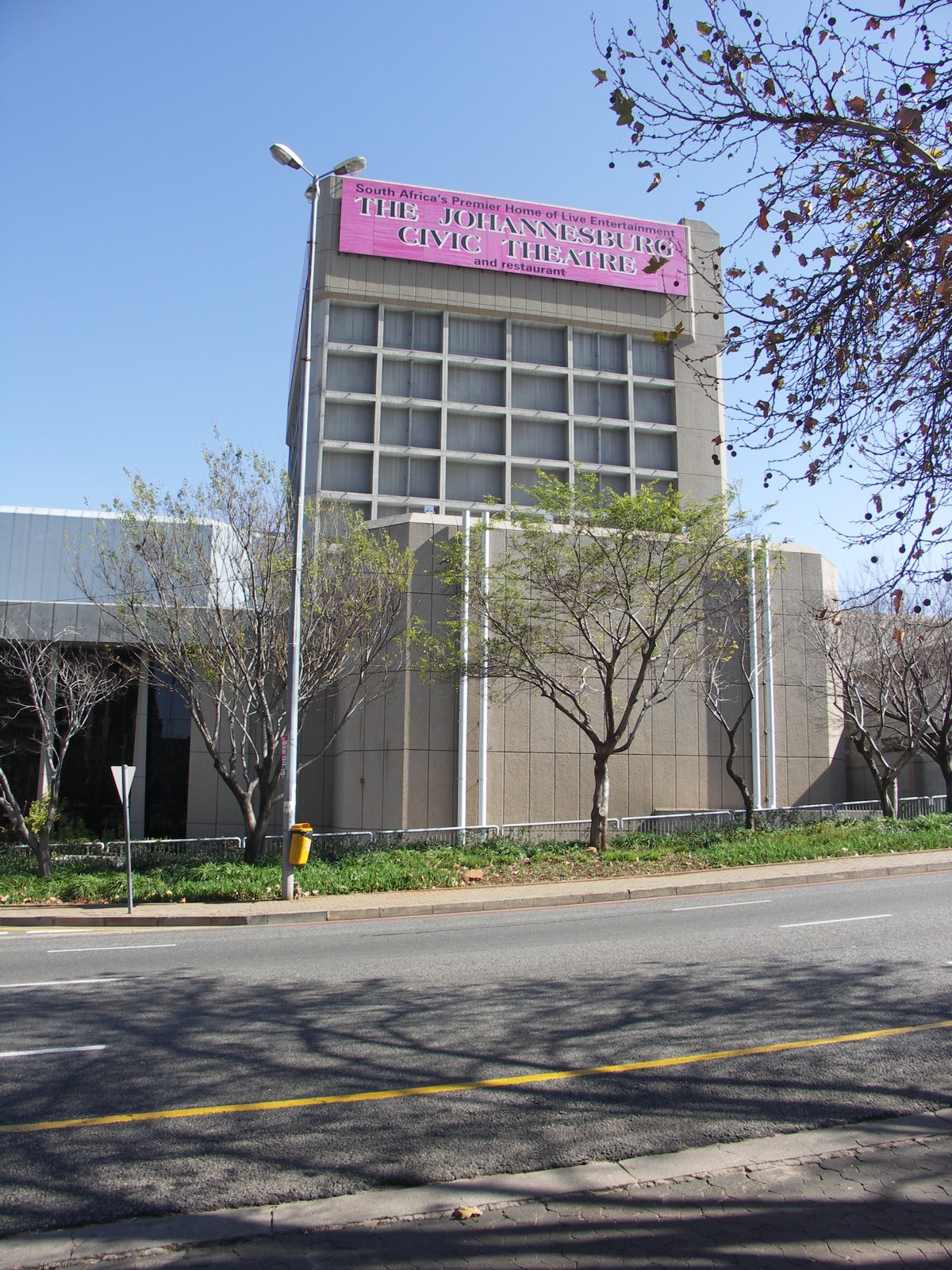
Joburg Theatre
Place
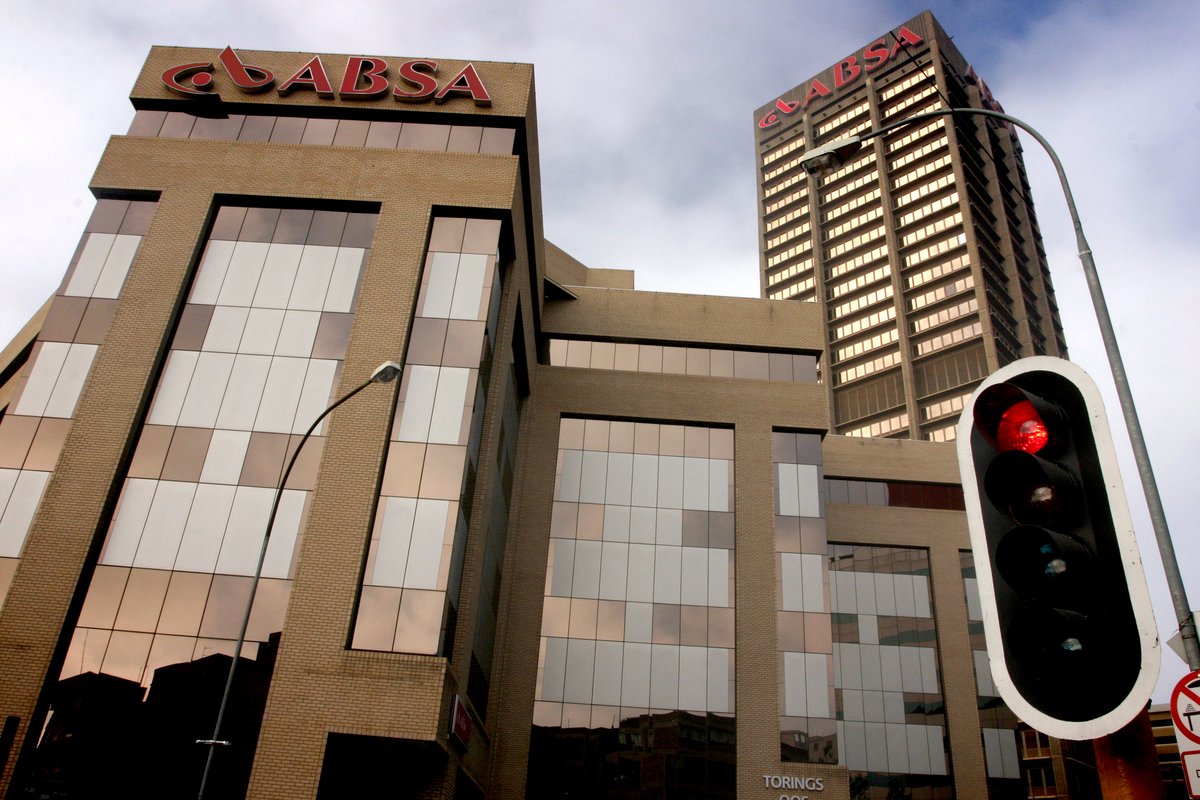
Absa Tower
Place
Doornfontein Synagogue
Place
Mary Fitzgerald Square
Place
James Hall Transport Museum
Place
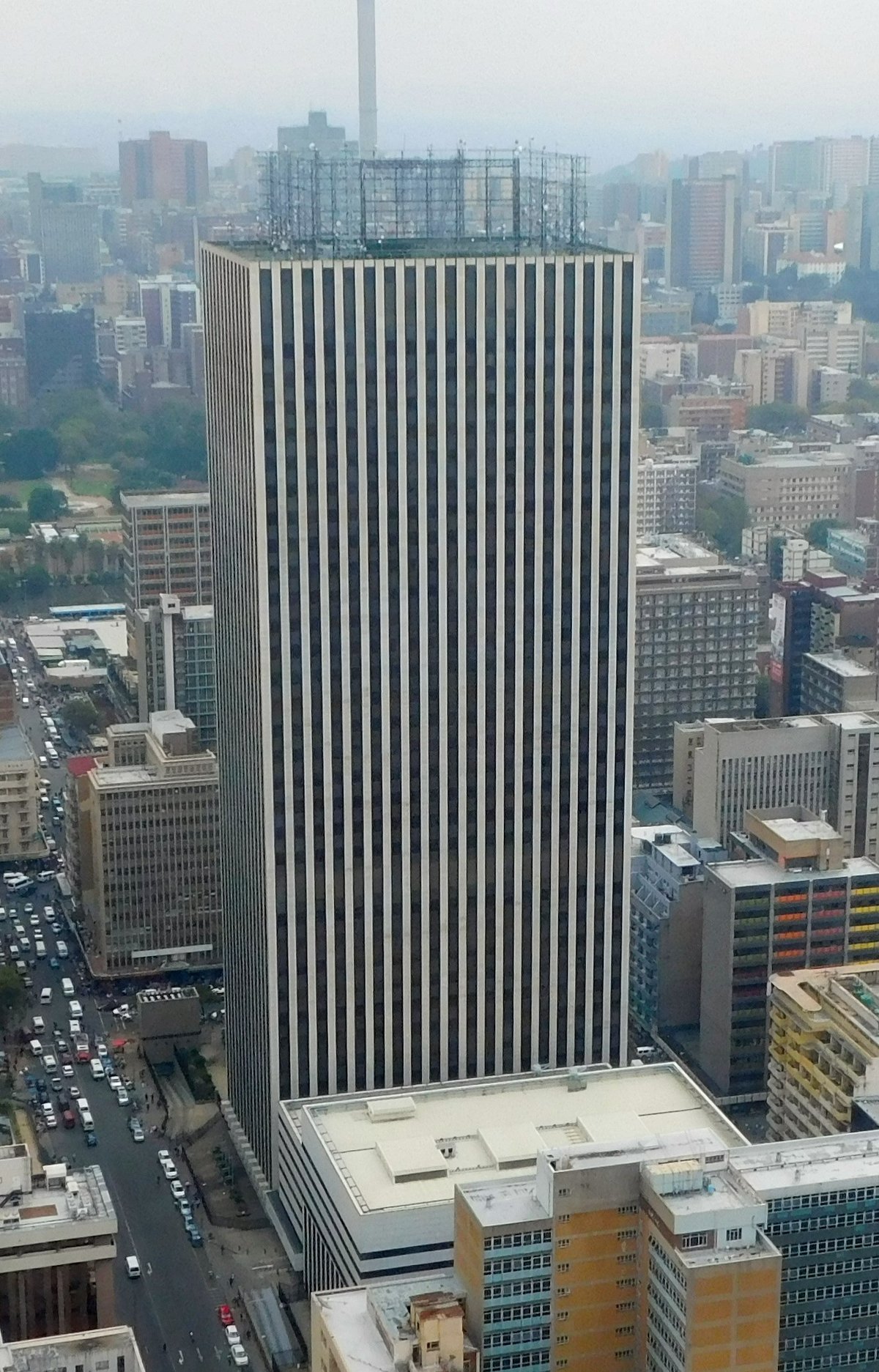
Marble Towers
Place
Cathedral of Christ the King, Johannesburg
Place
Gandhi Square
Place
Radiopark
Place
Beyers Naudé Square
Place
Scottish Horse War Memorial
Place
Fietas Museum
Place
Fordsburg Square
Place
University of the Witwatersrand
Place
Soccer City Stadium
Place
Ponte City Apartments
Place
Gallagher Convention Centre
Place
Wanderers Stadium
Place
Satyagraha House
Place
Statue of Mahatma Gandhi
Place
Carlton Centre
Place
Constitution Hill, Johannesburg
Place
Gold Reef City
Place
Luthuli House
Place
Statue of Nelson Mandela
Place
Johannesburg Zoo
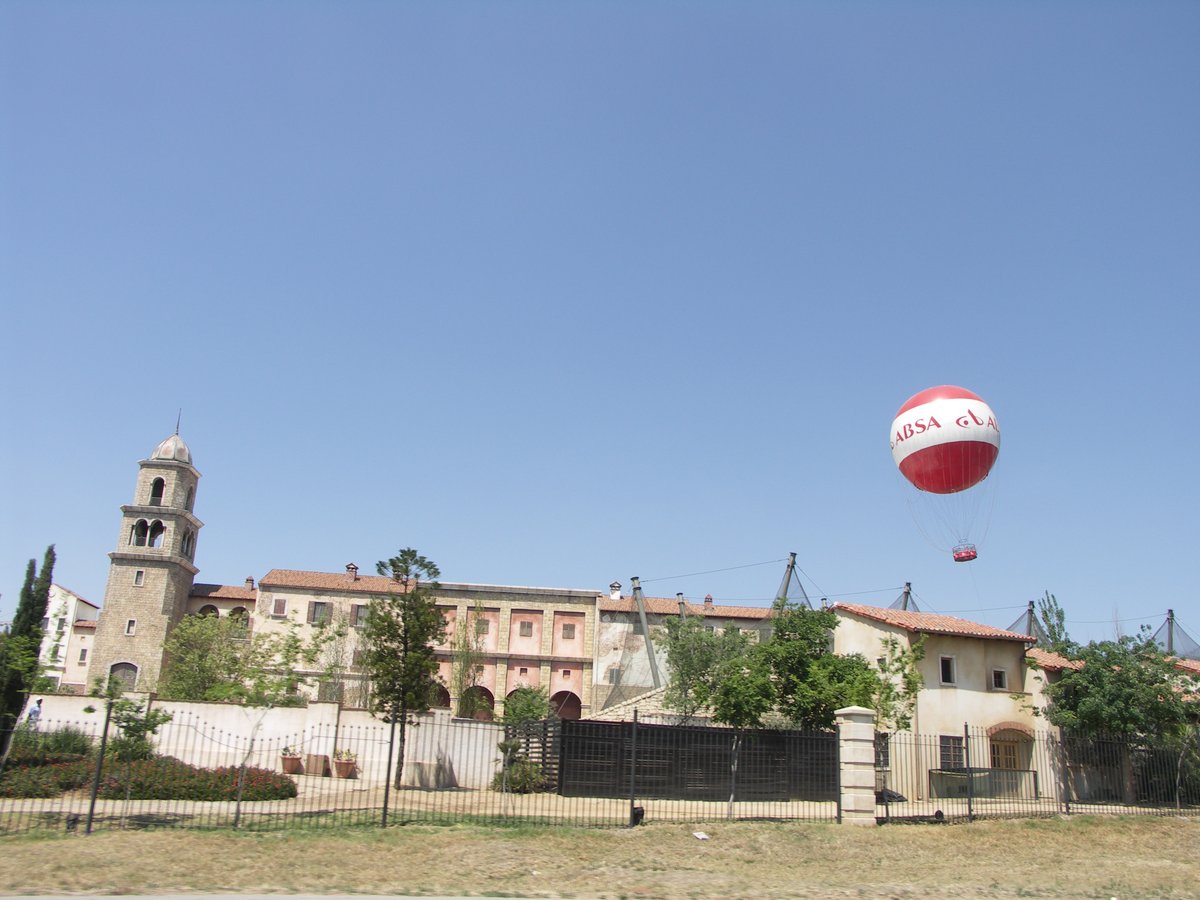
Place
Montecasino
Place
Johannesburg Planetarium
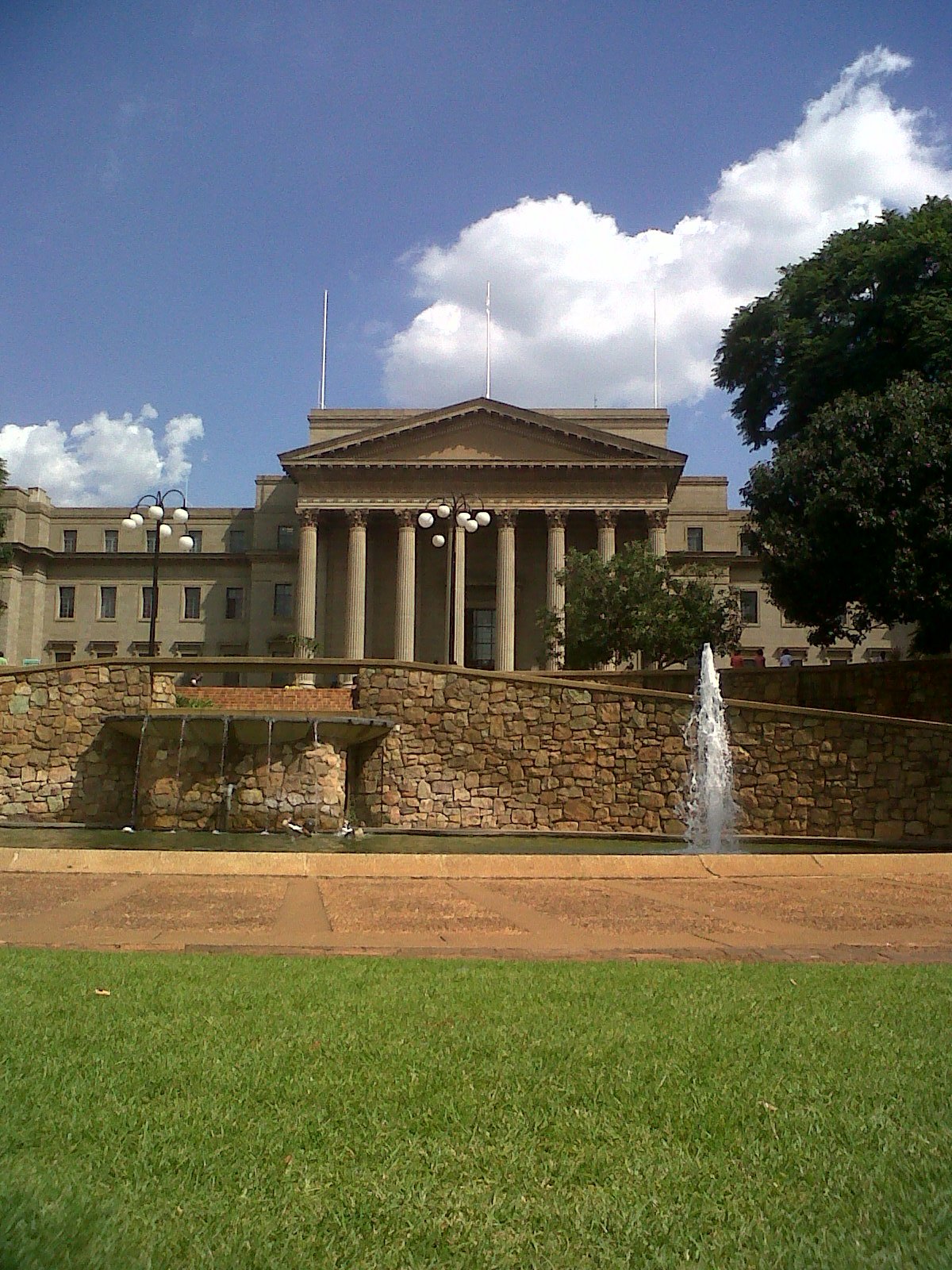
Place
Bidvest Stadium
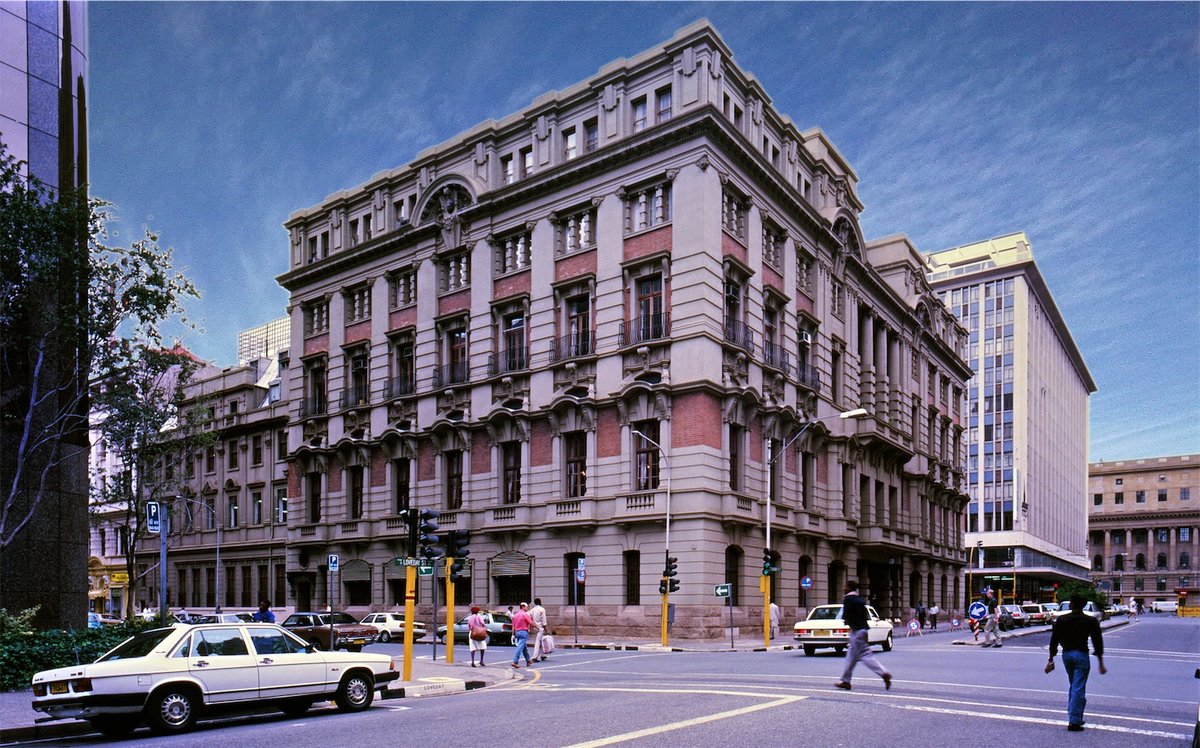
Place
Rand Club Building
Place
Trust Bank Building
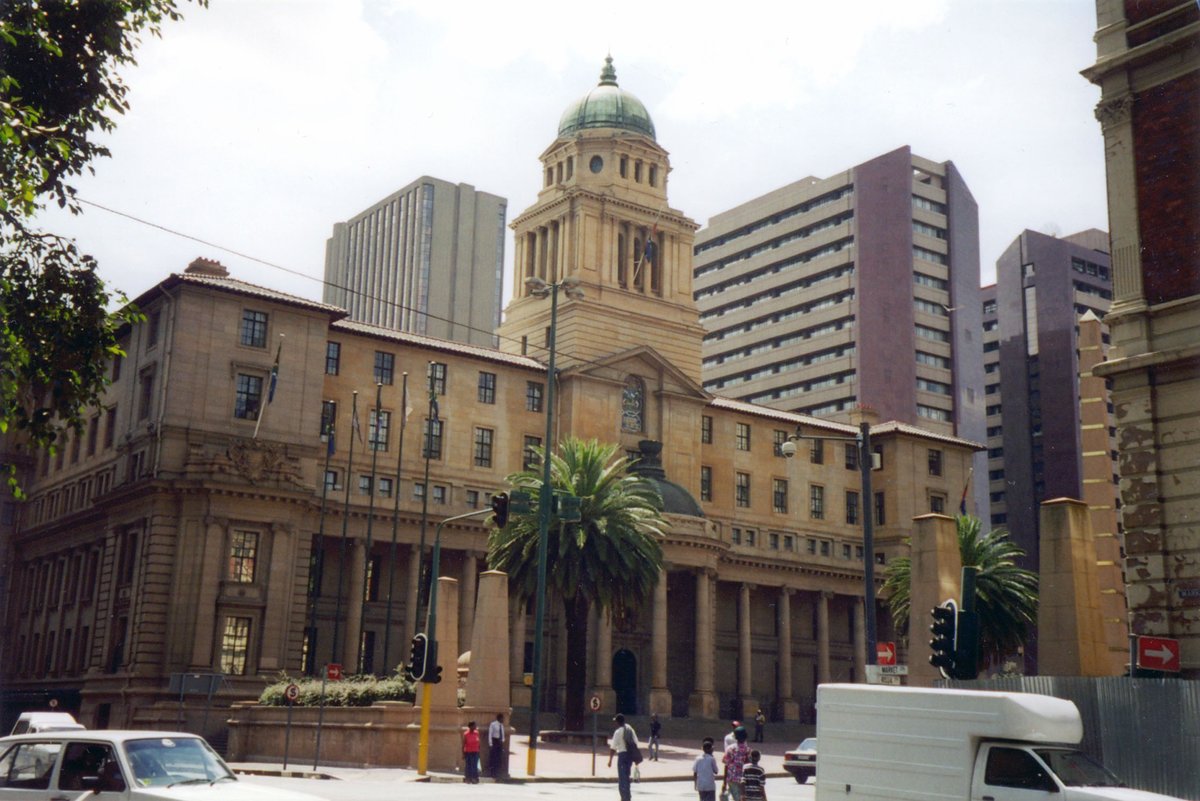
Place
Johannesburg City Hall
Place
Oxford Shul
Place
Ansteys Building
Place
Chancellor House
Place
Markham Building
Place
Highpoint Hillbrow

Place
Johannesburg Trades Hall
Place
Ucs Building
Showing 1–48 of 64 places
Pick up where you left off
Saved and recently read places — kept on this device only.
Photo credits (9)
- Ministar Samuel — Pexels License (https://www.pexels.com/license/) — Source: https://www.pexels.com/photo/35697019/
- Joshua Bull — Pexels License (https://www.pexels.com/license/) — Source: https://www.pexels.com/photo/34132082/
- Ministar Samuel — Pexels License (https://www.pexels.com/license/) — Source: https://www.pexels.com/photo/35697020/
- Ministar Samuel — Pexels License (https://www.pexels.com/license/) — Source: https://www.pexels.com/photo/35697007/
- Ministar Samuel — Pexels License (https://www.pexels.com/license/) — Source: https://www.pexels.com/photo/35697011/
- Kelly — Pexels License (https://www.pexels.com/license/) — Source: https://www.pexels.com/photo/33622143/
- Ministar Samuel — Pexels License (https://www.pexels.com/license/) — Source: https://www.pexels.com/photo/35696992/
- Zak H — Pexels License (https://www.pexels.com/license/) — Source: https://www.pexels.com/photo/35665256/
- David Rama — Pexels License (https://www.pexels.com/license/) — Source: https://www.pexels.com/photo/7788255/
Photos may have been resized or cropped.