The scent of grilled fish and diesel fumes hangs over Mogadishu, Somalia, mixing with the sound of waves hitting a coastline that has seen empires rise and fall for a thousand years. On Thursday evenings, Lido Beach draws crowds of thirty thousand people to watch the dusk settle over the Indian Ocean, a scene of ordinary life that feels extraordinary in a city so often defined by conflict. Mogadishu, the White Pearl, is a place where history’s scars are visible on every colonial facade, yet the city’s pulse is quickening with a new, defiant energy.
Researched from Wikidata, Wikipedia & official sources · fact-checked ·
How we make our guides →
MThe scent of grilled fish and diesel fumes hangs over Mogadishu, Somalia, mixing with the sound of waves hitting a coastline that has seen empires rise and fall for a thousand years. On Thursday evenings, Lido Beach draws crowds of thirty thousand people to watch the dusk settle over the Indian Ocean, a scene of ordinary life that feels extraordinary in a city so often defined by conflict. Mogadishu, the White Pearl, is a place where history’s scars are visible on every colonial facade, yet the city’s pulse is quickening with a new, defiant energy.
Founded around the 10th century, Mogadishu was one of the earliest Arab settlements on this coast. For centuries it was a vital port for the Ajuran Sultanate, a nexus of trade and culture. That legacy is etched into the ghostly, walkable lanes of the Hamarweyne district, where the Arba-Rucun Mosque stands as one of the oldest Islamic sites in the city.
The 20th century brought Italian colonizers, who built the lighthouse that still overlooks the old port. Their cathedral is now a ruin, a silent witness to the civil war that began in 1991 and the infamous Battle of Mogadishu in 1993. The city’s story since then is one of painful, incremental return.
Photography Hotspot
02
Why Mogadishu.
What makes this place worth slowing down for.
beach_access
The Lido Life
On Thursday and Friday evenings, the entire city seems to migrate to Lido Beach. You'll find families, groups of friends, and couples settling on the sand as dusk falls, the warm night air thick with laughter and the scent of grilled fish. It's a defiantly public, ordinary joy in a city still rebuilding its public spaces.
history_edu
The Old City's Bones
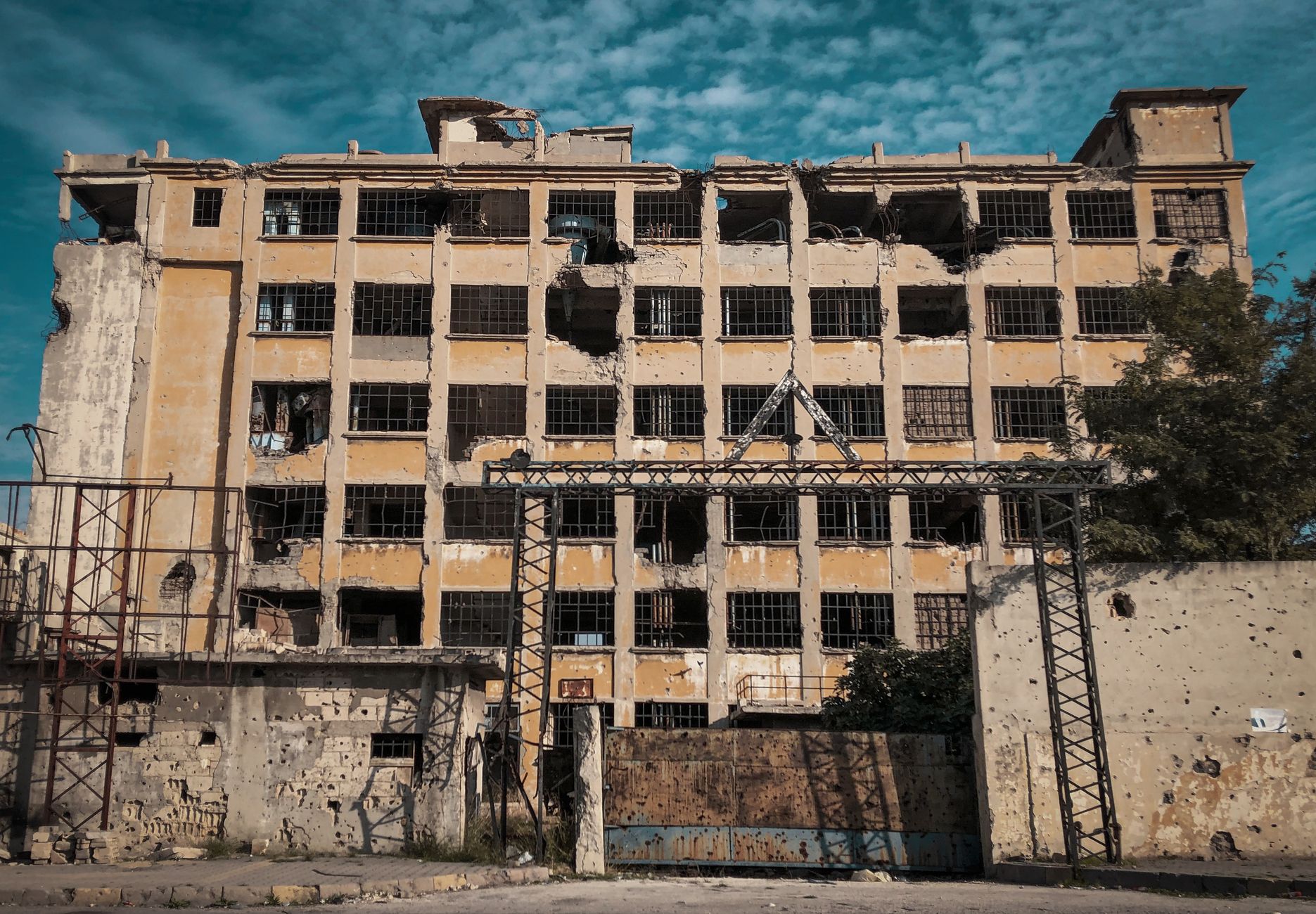
Walk through Hamarweyne and you're treading on a millennium of history. The Arba-Rucun Mosque has stood for over 800 years. The Italian Cathedral is a majestic, bullet-scarred ruin. This district feels like a palimpsest, where every cracked wall and leaning arch tells a story of trade, faith, and survival.
construction
A City Reassembling
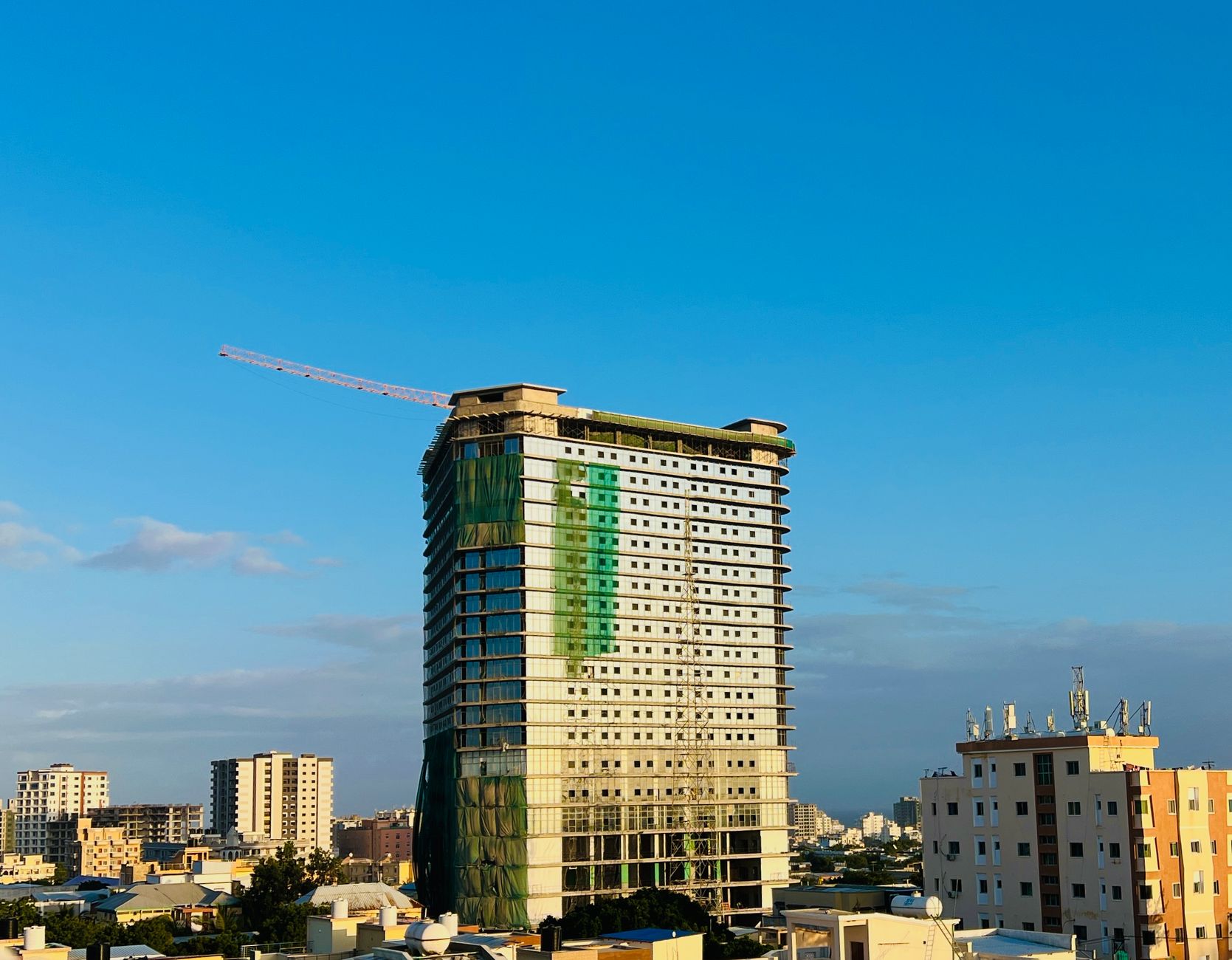
Mogadishu in 2026 is a study in tension. Cranes silhouette the skyline near Lido, promising new hotels. The Mogadishu Fish Market hums with the day's catch, a raw, vital industry. The city moves at two speeds: the urgent pace of reconstruction and the patient, ancient rhythm of the Indian Ocean tide.
04
Neighborhoods.
Where to wander, by quarter — each with its own rhythm.
01
Hamarweyne (Xamar Weyne)
This is the ancient market district, the old city center. Walk its streets with a guide and you move through a layered history: Arab trading port, Italian colonial administrative center, and now a quiet, atmospheric quarter. The Xamar Weyne Market is active, but the overall feel is one of faded grandeur, a ghostly archive in stone and plaster.
02
Lido Beach Area
Not a traditional neighborhood, but the city’s social epicenter. Developed in the late 1930s, this northern beach draws a massive crowd every Thursday and Friday—the Somali weekend. The air smells of salt and charcoal from grills at restaurants like Lido Seafood and Oceanview. At night, the skyline glows over the water. A new luxury hotel, slated to be the tallest building here, is under construction, a concrete symbol of the area’s aspirational turn.
03
Old Port & Lighthouse Quarter
Cluster around the Italian-built lighthouse. Here you find the physical anchors of Mogadishu’s maritime identity: the lighthouse itself, the ruins of the Old Urubu Hotel that once catered to tourists, the active fish market, and the skeletal remains of the Italian Cathedral. It’s a compact zone where the city’s colonial past, wartime damage, and daily commercial life collide.
08
Where to Eat.
Where locals actually book dinner — not the tourist menus.
Lido Seafood Feast
Lido Seafood Feast
The restaurants lining Lido Beach—Lido Seafood, Ocean Restaurant, The Village—are where the city comes to celebrate. Order the grilled lobster or the whole fried fish, brought in that morning from the market. Eat with your hands. The sound of the waves is your background music.
★ local pick
Mogadishu Fish Market
Mogadishu Fish Market
This isn't a restaurant; it's the source. Go early to see the morning catch unloaded—tuna, kingfish, lobster. The air is pure salt and sea. While you can't eat here, it frames every seafood meal you'll have later. You'll understand the entire supply chain from boat to beachside grill.
★ local pick
09
Insider tips.
Small things that change how the city treats you.
calendar_month
Time Your Weekend
Plan beach visits for Thursday or Friday—that's the local weekend when Lido Beach draws over 30,000 people. The energy is electric, but go early for space.
shield_person
Hire a Local Guide
For exploring the historic Hamarweyne district or the markets, engage a trusted local guide. A recent visitor reported walking the old market safely with one.
restaurant
Eat at the Source
Go to the Mogadishu Fish Market near the old port for the freshest catch, then have it grilled at Lido Seafood or Ocean Restaurant on the beach.
directions_boat
Escape to Jazeera
For a calmer beach day, drive the 25 kilometers to Jazeera Beach. The white sand and small offshore island offer a family-friendly alternative to the urban buzz.
photo_camera
Chase the Dusk Light
The best photos of Mogadishu's skyline come from Lido Beach just after sunset. The city lights reflect on the Indian Ocean as the evening crowd gathers.
11
Gallery.
The city, as it actually looks.
A modern high-rise building under construction stands out against the clear blue sky in the evolving urban landscape of Mogadishu, Somalia.
Yahye Somali on Pexels
A stark reminder of the conflict in Mogadishu, Somalia, this heavily damaged building stands as a testament to the city's turbulent history.
ali Saleh on Pexels
A heavily laden truck navigates a dusty road in Mogadishu, Somalia, highlighting the city's unique blend of daily commerce and urban landscape.
Yontoy Photography on Pexels
12
Frequently asked
Is Mogadishu worth visiting?
That depends entirely on your appetite for raw, unfinished history. Mogadishu is not a polished tourist destination. It's a city mid-resurrection, where colonial ruins stand beside diaspora-funded construction. You come to witness a capital rebuilding itself, to feel the tension between a scarred past and a fiercely hopeful present.
How many days should I spend in Mogadishu?
Three to four days lets you grasp its layers. Spend one day on the beaches (Lido and Jazeera), another exploring the historic quarter and lighthouse, and a third immersing in the markets and urban rhythm. Anything less feels rushed.
Is Mogadishu safe for tourists in 2026?
Security has improved dramatically since the civil war, but it remains complex. The Federal Government controls the city, yet threats persist. Travel with a reputable local fixer, avoid unnecessary movements after dark, and stay acutely aware of your surroundings. It's manageable, not carefree.
What's the best way to get around Mogadishu?
Hire a car and driver through your hotel or local contact. This is non-negotiable for safety, navigation, and translation. Don't rely on public transport or hailing taxis. Your driver will know which streets to take and which to avoid.
What is the food like and how much does it cost?
Seafood dominates, fresh from the Indian Ocean. A grilled fish dinner at a beachside restaurant might cost $15-25. Local Somali cuisine—stews, rice, camel meat—is cheaper. Meals are hearty and spiced, not delicate. Bring cash; cards are rarely accepted.
Ready to book?
13Before you go
Practical Information
Flight
Getting There
The primary international gateway is Aden Adde International Airport (MGQ), about 6 kilometers from the city center. Most international flights in 2026 originate from other East African and Middle Eastern hubs like Nairobi, Addis Ababa, Djibouti, and Dubai. There are no functional passenger rail lines into the city; road access is via the Afgoye-Mogadishu highway from the southwest.
Directions transit
Getting Around
There is no metro or formal bus system. The city moves on four wheels. Most visitors rely on pre-arranged private transport with local drivers who understand the security landscape. Yellow taxis exist, but negotiation is essential. For any trip, factor in time for the city's numerous security checkpoints.
Thermostat
Climate & Best Time
Mogadishu is hot and arid year-round, averaging 27°C (81°F). There are two monsoon seasons: the Gu (April-June) brings the heaviest rain, and the Deyr (Oct-Nov) is milder. The driest, hottest months are December-March. Visit then. The ocean breeze off Lido Beach is non-negotiable relief.
Shield
Security Context
The security situation is fluid and complex. Travel here in 2026 requires serious planning. You must arrange a local security detail and fixer through a reputable agency. Their knowledge is your primary infrastructure. Movements are often coordinated and you'll rarely wander freely. This isn't a recommendation; it's the reality of the visit.
Take Mogadishu with you
All of Mogadishu, downloaded once.
0 places, one continuous walking route. Free with your first city.
Strictly necessary cookies keep navigation working. Analytics cookies (PostHog, Google Analytics) help us learn which pages work — aggregate only, no ads, no selling. You can change this any time from the footer.
Privacy
Cookie preferences
Pick what you're okay with. You can change this any time from the footer.
Strictly necessary
Always on
Sign-in, language, navigation. Always on.
Product analytics
PostHog and Google Analytics, aggregate usage only. Helps us see which pages work and which need fixing. No selling, no ads.
Marketing
Off today. Reserved if we ever run paid acquisition. We will ask again before turning it on.