Plan and listen to Saint Roch Plague Column with Audiala.
Audio guide in your pocket, itinerary in your browser. Built for the way you actually visit.
Introduction
The Saint Roch Plague Column, an iconic Baroque monument in the Dravlje district of Ljubljana, Slovenia, stands as a powerful symbol of the city’s historical resilience and faith. Erected in gratitude for deliverance from devastating plague epidemics, the column honors Saint Roch—the revered patron saint against plagues—and other venerated plague saints. Today, it offers visitors a compelling blend of historical, artistic, and spiritual significance, serving as both a memorial to past hardship and a testament to Ljubljana’s enduring spirit.
This comprehensive guide details everything you need to know to plan your visit: from the monument’s historical background and architectural features to practical information on accessibility, guided tours, nearby attractions, and travel tips. For a deeper experience, explore virtual tours, high-quality images, and official Ljubljana tourism resources (Google Arts & Culture, Visit Ljubljana).
Historical Context and Significance
The tradition of plague columns—known locally as “Kužno znamenje”—originated in the 17th and 18th centuries across Habsburg Central Europe. These monuments were erected as public expressions of gratitude for deliverance from pestilence and as spiritual appeals for protection. Ljubljana’s Saint Roch Plague Column is part of this tradition, alongside similar monuments in cities like Maribor.
Saint Roch himself was a 14th-century French healer, celebrated for his miraculous recovery from the plague and his compassionate care for the sick. His association with miraculous healings and the faithful dog who aided him during his illness has made him one of the most revered plague saints (AvePray). The column is not only a monument to Saint Roch but also a collective memory of the city’s trials and perseverance (Hekint).
The monument’s presence in Dravlje, a district once on the city’s outskirts, reflects how plague columns served both urban and rural communities. The oldest such monument in Ljubljana is atop Šmarna Gora—a hill that commemorates both plague survivors and resistance against Ottoman incursions (Visit Ljubljana).
Artistic and Architectural Features
Baroque Design
The Saint Roch Plague Column is a quintessential example of Baroque religious art, notable for its ornate design and symbolic statuary. The white marble Corinthian column, with its acanthus-leaf capitals, is set atop a rectangular pedestal adorned with reliefs and motifs.
Central Figure and Surrounding Saints
Crowning the column is a gilded statue of the Virgin Mary, often depicted standing on a crescent moon and crowned with twelve stars—a reference to the apocalyptic vision in Revelation 12:1. This imagery underscores Mary’s role as Queen of Heaven and protector against disease.
At the base, statues of saints invoked against the plague—Saint Roch, Saint Sebastian, Saint Charles Borromeo, and others—are depicted with their traditional attributes. Saint Roch is shown as a pilgrim with a visible wound and his faithful dog, while Saint Sebastian is represented with arrows, symbolizing martyrdom (Visit Teplice).
Symbolic Elements
The expressive, dynamic Baroque sculpture invites viewers to contemplate themes of suffering, faith, and deliverance. The monument’s verticality suggests a connection between earth and heaven, while the gilded Mary statue radiates divine light and hope.
Visiting Hours and Admission
- Opening Hours: The Saint Roch Plague Column is an outdoor public monument, accessible 24 hours a day, year-round.
- Admission: There are no entrance fees or ticket requirements; it is free to visit at any time.
Location, Accessibility, and Transportation
- Location: Dravlje district, northwest of Ljubljana’s city center, near the intersection of Celovška cesta and Vodnikova cesta (Mapcarta).
- Getting There:
- Public Transport: Multiple city bus lines serve Dravlje, with stops within a 5–10 minute walk of the column.
- Cycling/Walking: Ljubljana’s compact and bike-friendly infrastructure makes cycling and walking convenient options (Culture Tourist).
- By Car: Limited street parking is available nearby.
- Accessibility: The site is generally flat and accessible to wheelchair users, though some uneven pavement may be present.
Guided Tours and Special Events
While the Saint Roch Plague Column is not always included in standard city tours, custom and private walking tours are available through local tourism offices. These often provide detailed historical context and connect the monument to Ljubljana’s broader Baroque heritage.
Special events, particularly on Saint Roch’s feast day (August 16), may feature processions and public prayers at the monument.
Nearby Attractions
Enhance your visit by exploring these nearby highlights:
- Šmarna Gora: A scenic hill with panoramic city views and its own historic plague column (Visit Ljubljana).
- Tivoli Park: Expansive green space ideal for walks and relaxation.
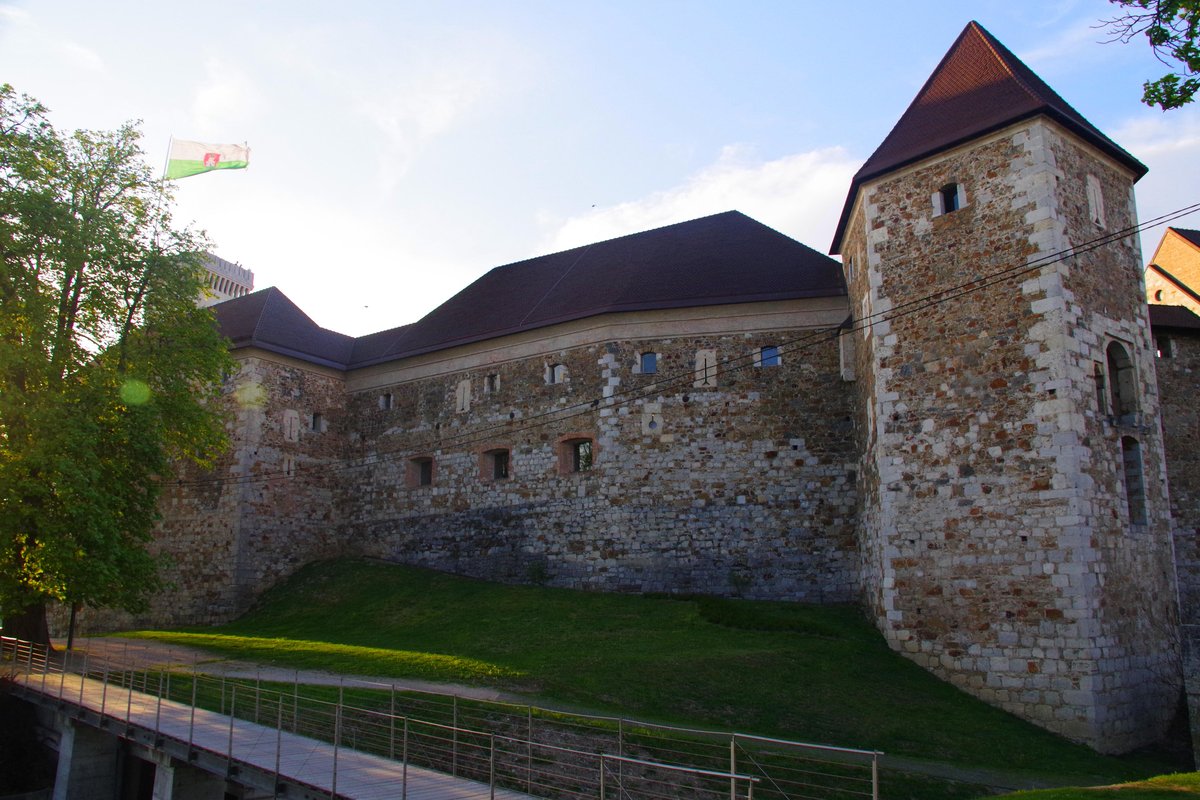
- Ljubljana Castle: Offers panoramic views and historical exhibits.
- Ljubljana Old Town: Vibrant squares, riverside cafés, and Baroque architecture.
- Computer History Museum Slovenia: A unique local museum (Mapcarta).
Practical Tips for Visitors
- Site Etiquette: The column is a religious and historical monument. Be respectful, especially during prayer or religious events.
- Photography: Allowed for personal use. Golden hour (early morning or late afternoon) provides the best light.
- Amenities: No dedicated visitor facilities onsite; nearby cafés, bakeries, and parks offer refreshments and restrooms.
- Best Time to Visit: Late spring to early autumn (May–October) for mild weather. Mornings and late afternoons are quieter.
- Sustainability: Ljubljana encourages sustainable travel—walk, cycle, or use public transport where possible (Roadtrips & Suitcases).
Frequently Asked Questions (FAQ)
Q: What are the visiting hours of the Saint Roch Plague Column?
A: The monument is accessible 24/7, year-round.
Q: Is there an entrance fee?
A: No, visiting the Saint Roch Plague Column is free.
Q: How do I get there?
A: By bus, bicycle, walking, or car (with limited parking).
Q: Are guided tours available?
A: Not as standard, but private or custom tours can be arranged via local tourism offices.
Q: Is the site accessible for those with mobility challenges?
A: The area is generally accessible, though there may be uneven pavement.
Q: Are there special events at the column?
A: Yes, particularly on August 16th (Saint Roch’s feast day).
Visuals and Media
Enhance your visit by viewing high-quality images and virtual tours of the monument via Google Arts & Culture and the Visit Ljubljana Official Website. Suggested photo captions include:
- "Saint Roch Plague Column in Ljubljana with statues of plague saints"
- "Baroque monument detail of Saint Roch in Dravlje District"
- "View of Saint Roch Plague Column on a sunny spring day"
Interactive maps and video tours are also available through city tourism platforms.
Listen to the full story in the app
The whole Saint Roch Plague Column,
told well.
Audio guides for 1,100+ cities across 96 countries. History, stories, and local insight — offline ready.

Verified, and shown.
Researched and written by the Audiala editorial team from historical records, architectural archives, and local expertise.
Researched from Wikidata, Wikipedia & official sources · fact-checked · How we make our guides →