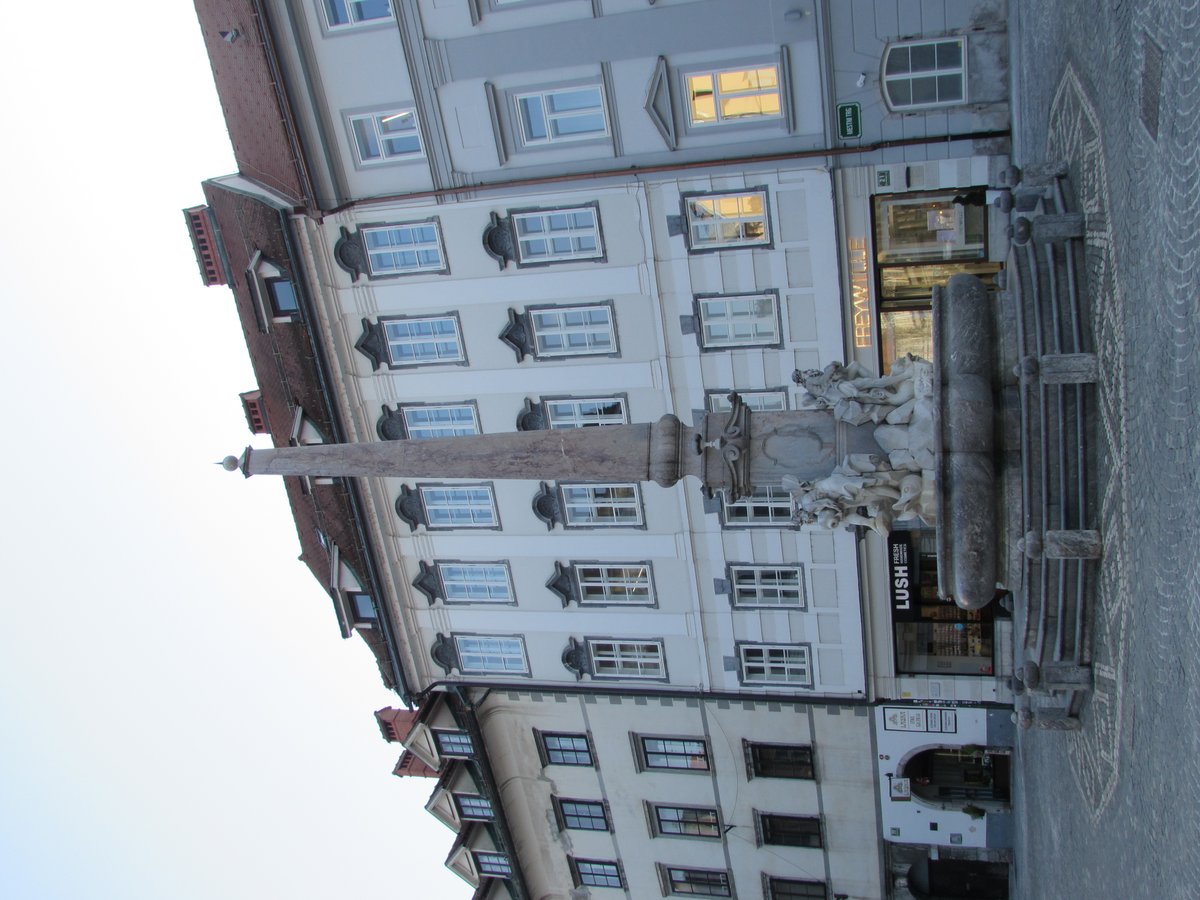
Plan and listen to Robba Fountain with Audiala.
Audio guide in your pocket, itinerary in your browser. Built for the way you actually visit.
Introduction
The Robba Fountain, also known as the Fountain of the Three Carniolan Rivers (Slovene: Robbov vodnjak), stands as an enduring symbol of Ljubljana’s cultural heritage and Baroque artistry. Commissioned in the mid-18th century and sculpted by Francesco Robba between 1743 and 1751, this iconic monument draws inspiration from the grand fountains of Rome, particularly Bernini’s Fountain of the Four Rivers, while celebrating the local geography by personifying the three main rivers of the Carniola region: the Ljubljanica, Sava, and Krka (ianmiddleton.co.uk, guidetoeurope.com).
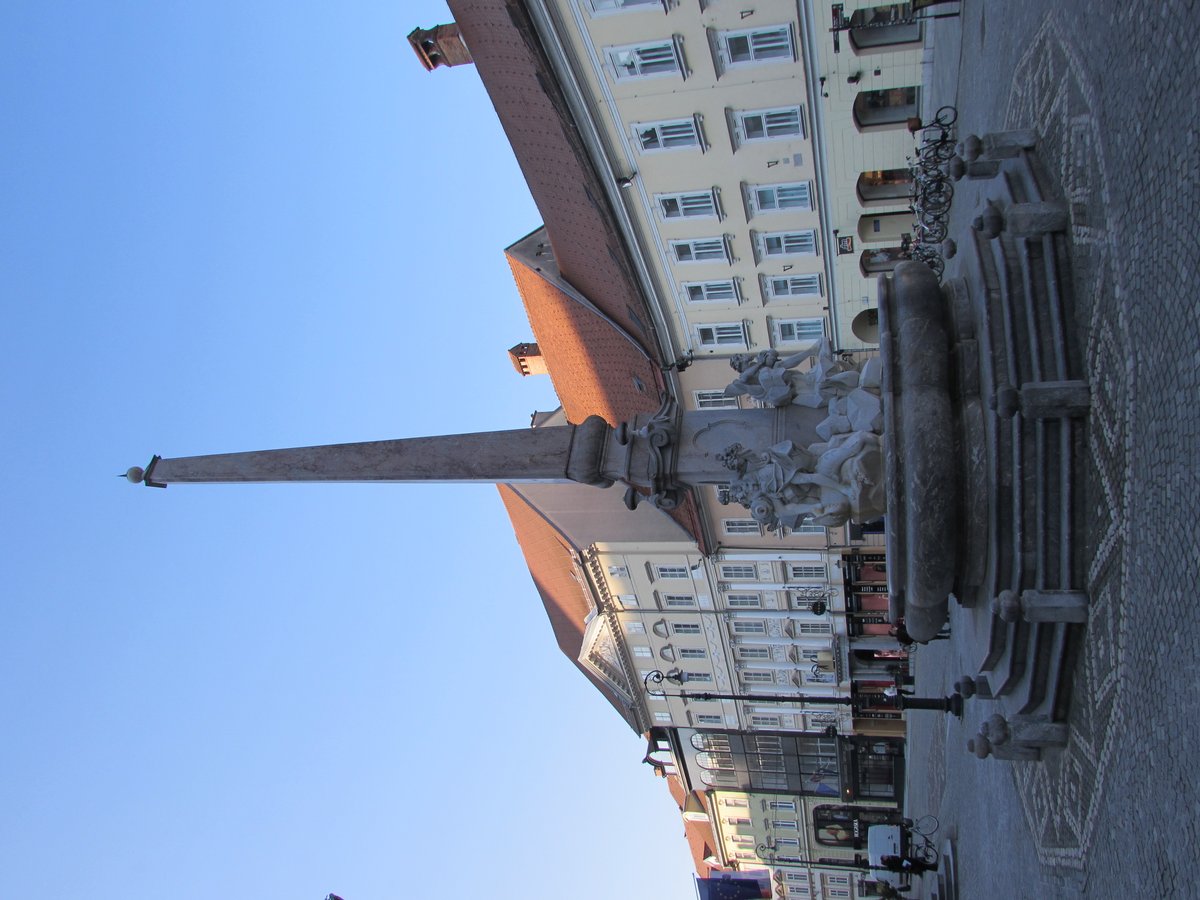
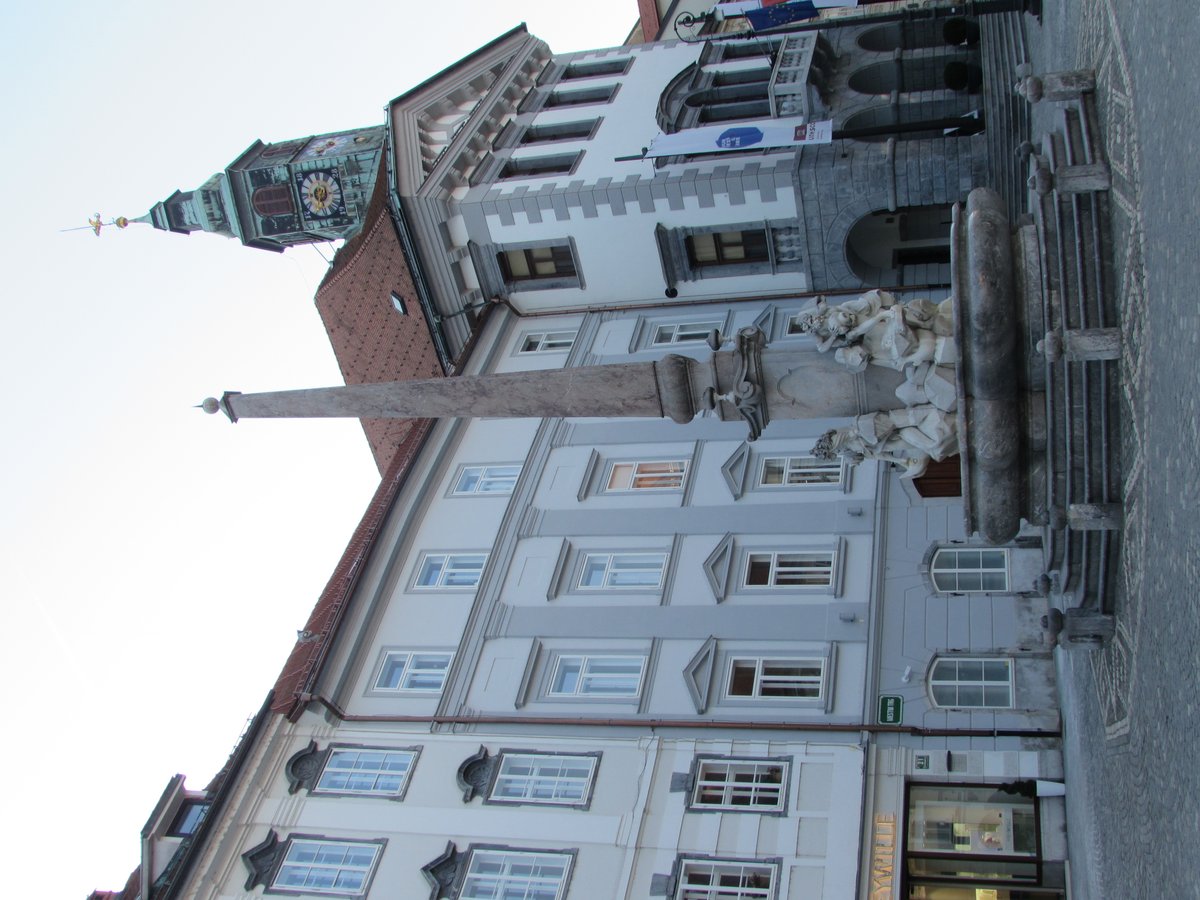
Set prominently in Mestni trg (Town Square), the Robba Fountain’s Baroque figures, carved from luminous Carrara marble, and its striking white marble obelisk make it a must-see for anyone visiting Slovenia’s capital. Beyond its artistic elegance, the fountain has become a living testament to Ljubljana’s natural heritage and urban identity (ijs.si, visitljubljana.com).
This guide covers the Robba Fountain’s history, artistic features, practical visiting information including hours and tickets, accessibility, nearby attractions, preservation efforts, and travel tips. Whether you are an art lover, history enthusiast, or casual traveler, immerse yourself in the significance of Ljubljana’s most beloved Baroque monument.

Origins and Creation of the Robba Fountain
Commissioned to embellish Mestni trg in the mid-18th century, the Robba Fountain was sculpted by Italian master Francesco Robba between 1743 and 1751. Robba, originally from Venice, drew inspiration from Gian Lorenzo Bernini’s Fountain of the Four Rivers in Rome but adapted his design to reflect the local geography and culture of Carniola (ianmiddleton.co.uk). The fountain quickly became a focal point of civic life and a representation of Ljubljana’s aspirations.
Artistic Features and Symbolism
At the heart of the fountain are three allegorical river gods, each representing one of Carniola’s principal rivers: the Ljubljanica, Sava, and Krka. These dynamic male figures pour water from urns into a clover-shaped basin, reinforcing the triadic theme. A soaring 10-meter white marble obelisk emerges from the center, supported by a pedestal adorned with intricate Baroque reliefs (evendo.com). Dolphins at the figures’ feet further emphasize the aquatic motif, while the basin’s form echoes Ljubljana’s historical city seal.
The interplay of water, stone, and light—especially striking at night when illuminated—creates a visual spectacle and encapsulates the drama and vitality of Baroque art.
Materials and Craftsmanship
Robba sculpted the tritons and dolphins using prized Carrara marble, renowned for its purity and association with Renaissance art (guidetoeurope.com). Due to a shipwreck near Trieste, some marble was lost during transport, resulting in a blend of imported marble and local stone (ijs.si). This mix showcases both the ambition and resourcefulness of 18th-century Ljubljana. Robba’s mastery shines in the expressive forms and intricate details that animate the fountain.
Visiting the Robba Fountain: Hours, Tickets, and Accessibility
-
Fountain Replica in Mestni trg:
- Visiting Hours: Open 24/7 as an outdoor public monument.
- Tickets: Free access, no admission required.
- Accessibility: The square is pedestrian-friendly and wheelchair accessible.
-
Original Fountain at the National Gallery of Slovenia:
- Location: Cankarjeva cesta 20, Ljubljana.
- Visiting Hours: Tuesday to Sunday, 10:00 AM – 6:00 PM (Fridays until 8:00 PM), closed Mondays.
- Tickets: General admission €10; reduced €6; free for children under 18 and students (ng-slo.si).
- Accessibility: Wheelchair access and visitor facilities available; check the gallery website for details.
-
Guided Tours:
Numerous guided walking tours of Ljubljana’s Old Town include the Robba Fountain, providing in-depth historical and artistic commentary. Tour tickets are available through local operators and online platforms.
Preservation Challenges and Conservation
Over centuries, the Robba Fountain suffered from environmental threats including weather, pollution, and seismic activity. By the early 2000s, the marble and stone were deteriorating, prompting authorities to act. In 2006, the original fountain was carefully dismantled and relocated to the National Gallery of Slovenia for extensive restoration and preservation (National Gallery of Slovenia). Conservation experts stabilized the marble, addressed structural weaknesses, and meticulously restored the original artistry.
The Replica in Town Square
To maintain the historic character of Mestni trg, a high-quality replica was installed at the original location. Crafted with durable materials and advanced techniques, the replica faithfully reproduces Robba’s masterpiece (guidetoeurope.com). Informational plaques in the square provide historical context, ensuring visitors can appreciate both the art and its story.
Nearby Attractions and Travel Tips
The Robba Fountain’s central location makes it an ideal starting point for exploring Ljubljana’s Old Town:
- Ljubljana Town Hall (Mestna hiša): Adjacent to the fountain, hosting exhibitions and cultural events.
- Triple Bridge (Tromostovje): A renowned architectural landmark nearby.
- Saint Nicholas’s Cathedral: A Baroque church with impressive interior decorations.
- Prešeren Square and Central Market: Bustling hubs for local culture and cuisine.
- Ljubljana Castle: Accessible by funicular or scenic walk, offering panoramic views.
Travel Tips:
- Visit in the evening for atmospheric lighting and fewer crowds, or early in the morning for tranquil views and optimal photography.
- Combine your visit to the fountain with guided tours for deeper insights into Ljubljana’s history and architecture.
The Fountain’s Role in Ljubljana’s Urban Identity
More than a decorative monument, the Robba Fountain anchors Mestni trg as a vibrant social hub and gathering place. Its Baroque artistry and symbolism have made it a central feature of city celebrations, often depicted in literature, art, and even on currency (Jetsetting Fools). The fountain connects Ljubljana’s historic past with its lively present-day urban culture.
Artistic Legacy and Cultural Significance
Francesco Robba’s masterpiece is recognized as one of the most important Baroque monuments in Slovenia, blending Italian elegance with local symbolism (guidetoeurope.com). It is prominently featured on Slovenian coins and protected as a national cultural monument. The fountain’s expressive tritons, dolphin motifs, and dramatic obelisk continue to inspire visitors and artists alike.
FAQs
Q: Is there an entrance fee to see the Robba Fountain?
A: No, the replica in Mestni trg is free and accessible at all times. Tickets are required only for the National Gallery.
Q: Are guided tours available?
A: Yes, many local operators offer tours that include the Robba Fountain and other Old Town highlights.
Q: Is the fountain accessible for visitors with disabilities?
A: Yes, both Mestni trg and the National Gallery are wheelchair accessible.
Q: What are the best times to visit?
A: Early morning or evening visits are recommended for quieter experiences and beautiful lighting.
Listen to the full story in the app
The whole Robba Fountain,
told well.
Audio guides for 1,100+ cities across 96 countries. History, stories, and local insight — offline ready.
Verified, and shown.
Researched and written by the Audiala editorial team from historical records, architectural archives, and local expertise.
Researched from Wikidata, Wikipedia & official sources · fact-checked · How we make our guides →