Plan and listen to National Gallery Of Slovenia with Audiala.
Audio guide in your pocket, itinerary in your browser. Built for the way you actually visit.
Introduction: The National Gallery of Slovenia—A Pillar of Cultural Heritage
Located in the heart of Ljubljana, the National Gallery of Slovenia stands as the country’s foremost institution for the preservation, display, and celebration of Slovenian and European art. Established in 1918, in the wake of the Austro-Hungarian Empire’s dissolution, the Gallery became a vital expression of Slovenia’s cultural identity and autonomy (Spotting History; culture.si). Over its century-long history, the Gallery has evolved in both its architecture and its mission, serving as a beacon for national heritage, artistic innovation, and public education.
This comprehensive guide provides an in-depth overview of the National Gallery’s rich history, architectural evolution, notable collections, visitor information—including opening hours and ticket prices—and recommendations for making the most of your visit to this cultural landmark in Ljubljana.

History and Founding
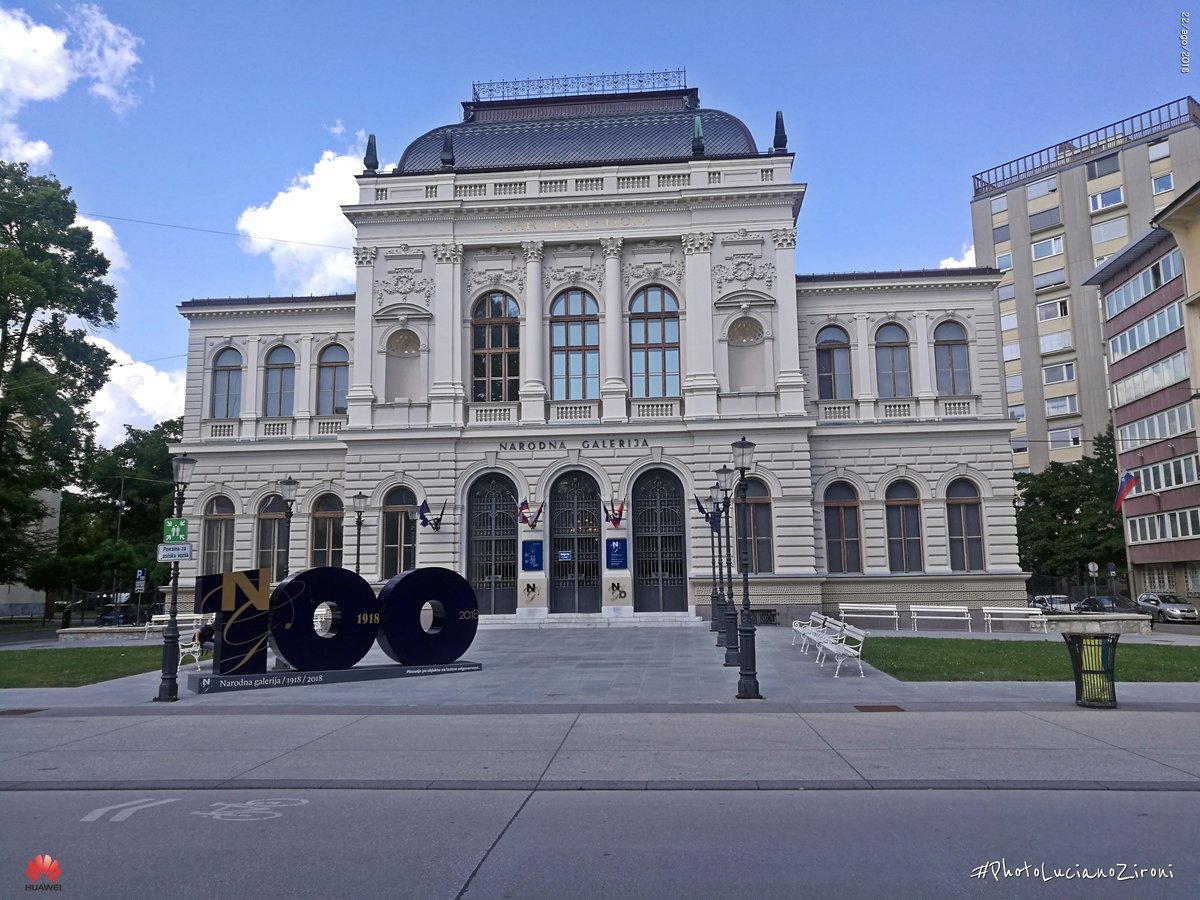
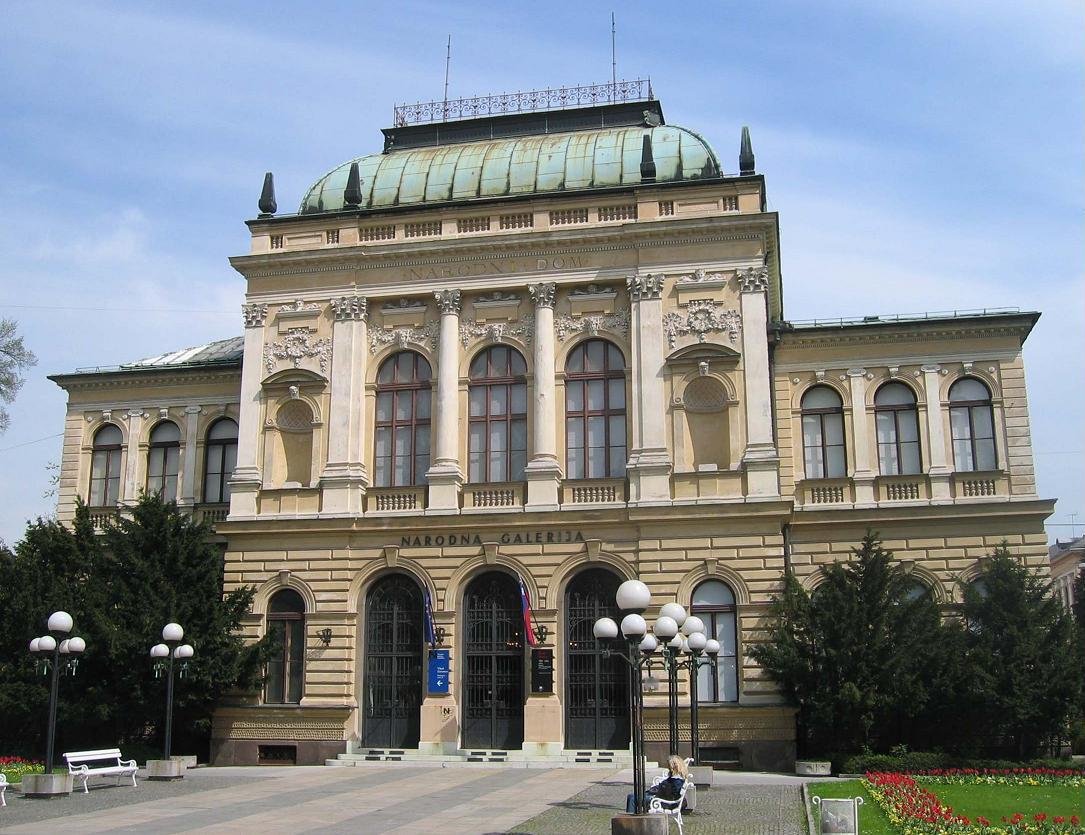
Founded in 1918, the National Gallery of Slovenia emerged at a time of renewed national consciousness, and it immediately became a symbol of Slovenian culture and artistic ambition (Spotting History; culture.si). Initially housed in the Kresija Palace, the Gallery relocated in 1925 to its current neo-Renaissance building—a testament to Ljubljana’s growing status as a cultural capital.
Throughout the 20th century, the Gallery protected invaluable works, notably safeguarding its collections during World War II. In 1993, the main building was declared a cultural monument, underscoring its significance in Slovenia’s heritage (ng-slo.si).
Architectural Evolution
Historic Foundations
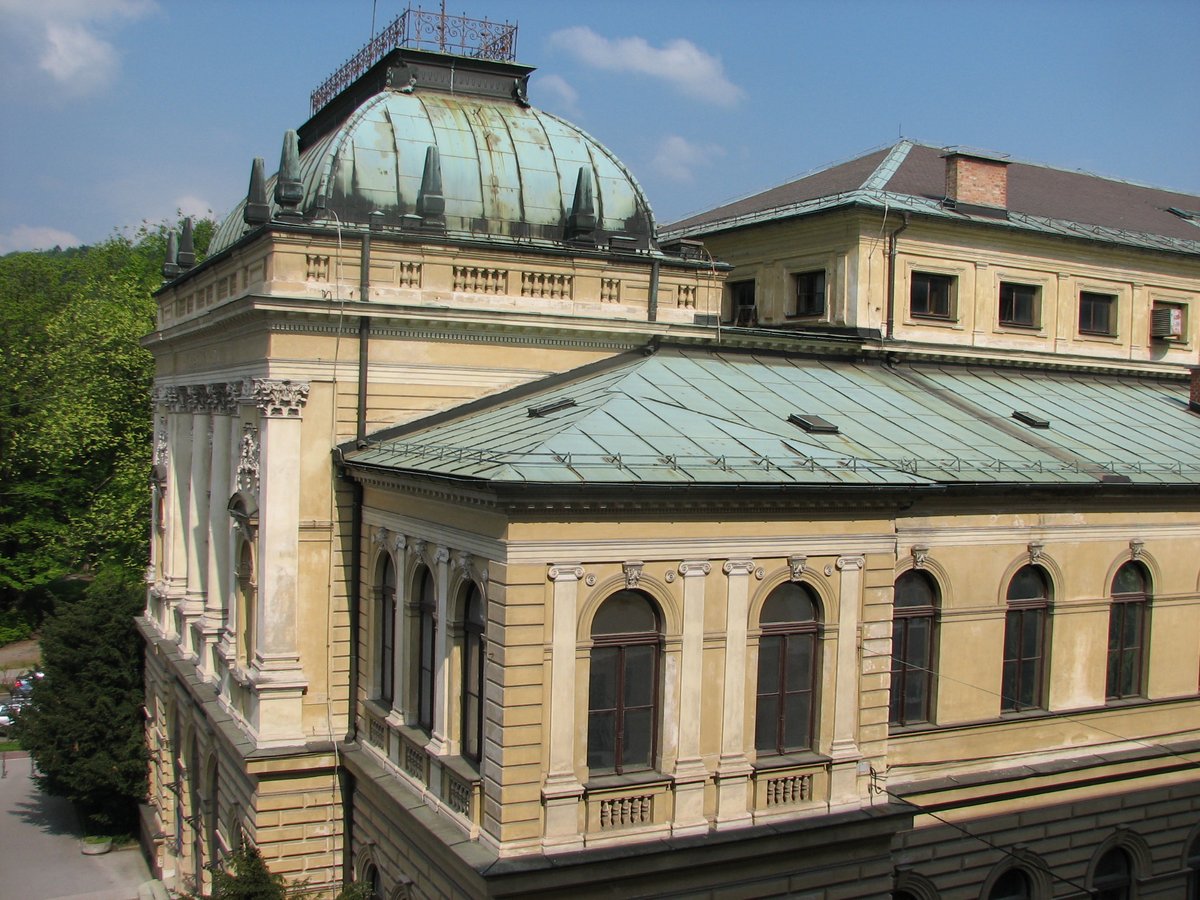
The Gallery’s main building, constructed in 1896, was designed by architect František Škabrout. Initially intended as a Slovenian cultural center, it quickly became a focal point of artistic and intellectual activity in Ljubljana (Spotting History). Its neo-Renaissance façade and elegant interior spaces, including the grand staircase and Golden Hall, reflect the aspirations of a nation asserting its cultural identity.
Modern Expansions
To accommodate a growing collection and evolving public needs, the Gallery underwent several significant renovations. Notably, a transparent glass extension by Jurij Sadar and Boštjan Vuga in 2001 created a luminous atrium, connecting the historic and modern wings and providing an ideal setting for masterpieces such as the Robba Fountain. Further renovations between 2013 and 2016 ensured the Gallery remained at the forefront of museological standards (Spotting History).
Collections and Artistic Significance
The National Gallery’s collection comprises nearly 600 works, spanning from medieval sacred art to Slovenian Impressionism and modernism (visitljubljana.com; travelslovenia.org). The Gallery’s holdings are systematically arranged to guide visitors through the evolution of Slovenian and European art.
Medieval and Gothic Art
Early galleries feature altarpieces, panel paintings, and sculptures from the 13th to 16th centuries, reflecting the profound influence of the Church in medieval Slovenian society.
Renaissance and Baroque Masterpieces
The Renaissance and Baroque sections display works by Italian and Central European artists, including Gregorio Lazzarini, Giulio Quaglio, and the renowned Baroque sculptor Francesco Robba. The original Robba Fountain, symbolizing the three Carniolan rivers, is a highlight, relocated indoors for preservation (visitljubljana.com; travelslovenia.org).
Biedermeier, Neoclassicism, and Realism
The 19th-century galleries chronicle the transition from formalism to realism, with notable works by Jožef Tominc, Franc Kavčič, and Janez and Jurij Šubic, who depicted the emerging Slovenian identity and everyday life.
Slovenian Impressionism
Dedicated spaces celebrate the Impressionists—Ivan Grohar, Rihard Jakopič, Matija Jama, Matej Sternen—whose use of light and color captured the spirit of the Slovenian landscape and people. Ivan Grohar’s “The Sower,” featured on Slovenian euro coins, stands as an emblem of national pride (visitljubljana.com).
Modernism and Zoran Mušič
The permanent exhibition of Zoran Mušič, one of Europe’s leading modernists, highlights the Gallery’s commitment to 20th-century art and its broader European context (visitljubljana.com).
European Art Collection
The Gallery also houses a selection of Renaissance and Baroque works from Italy, the Netherlands, and Central Europe, offering insight into the cross-cultural exchanges that shaped Slovenian art (travelslovenia.org).
Visiting Information: Hours, Tickets, and Accessibility
Opening Hours
- Tuesday to Sunday: 10:00 AM – 6:00 PM
- Monday: Closed
- Public Holidays: Hours may vary; check the official website for updates.
Ticket Prices
- Permanent Collection: Regular €8 | Reduced €5 | Family €16
- Temporary Exhibitions: Regular €6–8 | Reduced €4–5 | Family €12–16
- Combined Ticket: Regular €14 | Reduced €8 | Family €28
- Free Admission: First Sunday of each month; children under 6; disabled visitors and carers; students of art history; and other special categories (National Gallery Admission)
Accessibility
The Gallery is fully accessible, with ramps, elevators, accessible restrooms, and free admission for disabled visitors and their carers. Audio guides, printed materials in multiple languages, and assistance for visitors with special needs are available (ng-slo.si).
Facilities
- Cloakroom: Required for large bags and outerwear.
- Café: On-site café for refreshments.
- Museum Shop: Art books, souvenirs, and unique gifts.
- Restrooms: Accessible and conveniently located.
Location and Getting There
- Address: Puharjeva ulica 9, 1000 Ljubljana, Slovenia
- Public Transport: Multiple city bus lines stop nearby.
- Parking: Limited public parking available; public transport or walking is recommended.
- Contact: [email protected] | +386 1 24 15 418 (National Gallery Contact)
Family and Educational Programs
The Gallery is renowned for its family-friendly offerings, including Gal’s Room—a dedicated space for children and families featuring interactive learning and creative workshops (visitljubljana.com). Educational programs, worksheets, and themed activities are available for all ages.
Guided Tours and Events
- Guided Tours: Available in Slovene, English, and other languages by prior arrangement (Guided Tours Info).
- Groups (10+): €4 per person + admission
- Groups (3–9): €50 per group + admission
- Educational Activities: Workshops, lectures, and family tours are regularly scheduled.
- Special Events: Check the events calendar for temporary exhibitions and cultural programs.
Nearby Attractions and Travel Tips
- Tivoli Park: Adjacent to the Gallery, ideal for a stroll before or after your visit.
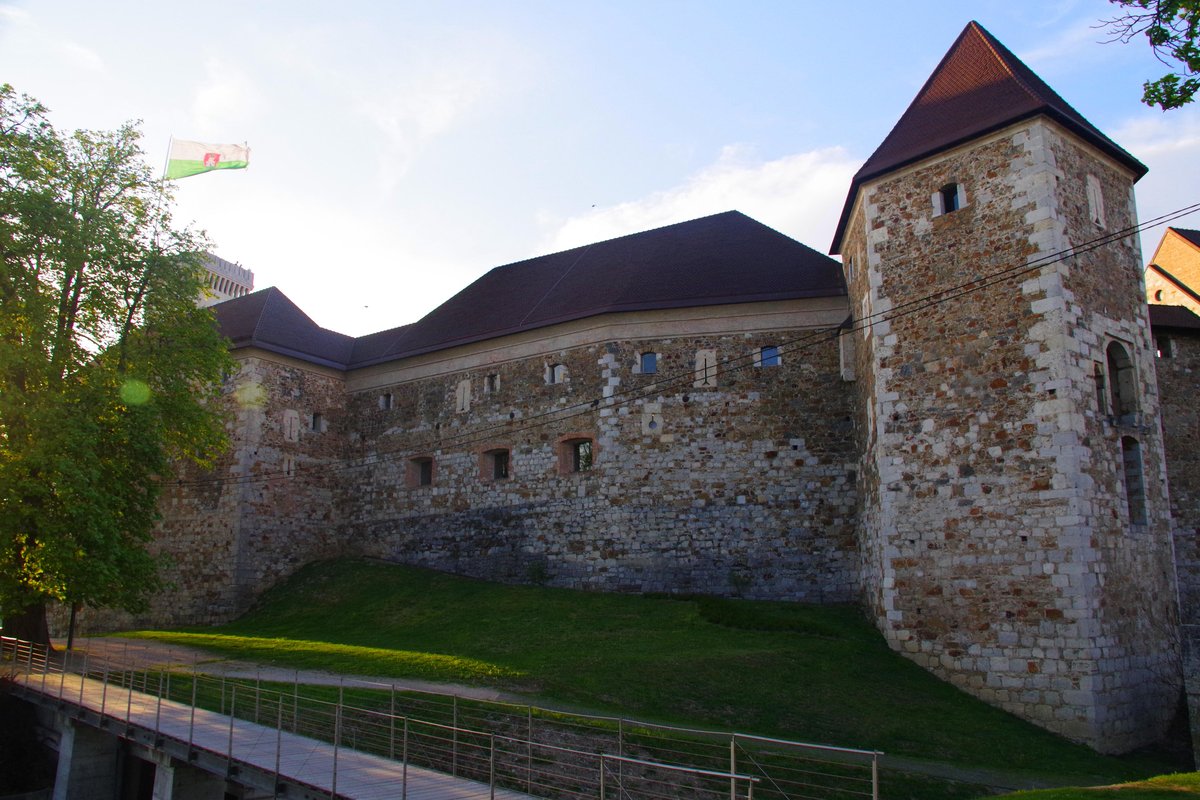
- Ljubljana Castle: Iconic city landmark within walking distance.
- Museum of Modern Art & Central Market: Easily accessible from the Gallery.
- Travel Tip: Arrive early or visit on weekdays for a quieter experience. Allow 1.5–2 hours for your visit.
Visual Highlights


Frequently Asked Questions (FAQ)
Q: What are the National Gallery of Slovenia opening hours?
A: Tuesday to Sunday, 10:00 AM – 6:00 PM; closed Mondays.
Q: How much are tickets?
A: Regular tickets range from €6–8; reduced and family rates available. Free admission on the first Sunday of each month.
Q: Is the Gallery accessible for disabled visitors?
A: Yes, with full wheelchair access, elevators, and free admission for disabled visitors and their carers.
Q: Are guided tours available in English?
A: Yes, by reservation.
Q: Can I take photographs?
A: Photography for personal use is permitted in most areas without flash or tripods.
Q: Are there family and children’s programs?
A: Yes, including Gal’s Room, workshops, and guided family tours.
Discover More
Before your visit, check the official website for current opening hours, ticket prices, and special events. For a deeper experience, download the Audiala app for expert audio guides and insider tips. Follow the Gallery and Audiala on social media for the latest news, exhibitions, and special offers.
Plan your visit to include nearby attractions like Tivoli Park and Ljubljana Castle for a full cultural day in the city.
Listen to the full story in the app
The whole National Gallery Of Slovenia,
told well.
Audio guides for 1,100+ cities across 96 countries. History, stories, and local insight — offline ready.
Verified, and shown.
Researched and written by the Audiala editorial team from historical records, architectural archives, and local expertise.
Researched from Wikidata, Wikipedia & official sources · fact-checked · How we make our guides →