Plan and listen to Monument To The Victims Of All Wars with Audiala.
Audio guide in your pocket, itinerary in your browser. Built for the way you actually visit.
Introduction
The Monument to the Victims of All Wars (Slovene: Spomenik žrtvam vseh vojn) is one of Ljubljana’s most significant memorials, dedicated to honoring all victims of conflict regardless of nationality, ideology, or military status. Its location in the heart of Slovenia’s capital, its abstract design, and its universal message of remembrance and reconciliation make it a must-visit for anyone interested in history, culture, or peace studies. This comprehensive guide covers the monument’s background, symbolism, visitor information, practical tips, and nearby attractions to help you make the most of your visit (Visit Ljubljana, medprostor.si, Wikipedia).
Historical Background
Slovenia’s Legacy of Conflict
Located at the crossroads of Central Europe, Slovenia has endured centuries of conflict—from Ottoman incursions and the Napoleonic Wars to the World Wars, the Yugoslav era, and, most recently, the Ten-Day War of 1991 which marked Slovenia’s independence. These layers of history have significantly shaped Slovenian national identity and its emphasis on peace and reconciliation (Chasing the Donkey).
Purpose and Symbolism
Unlike traditional war memorials that often focus on heroism or a specific group, the Monument to the Victims of All Wars is intentionally inclusive. Its minimalist, abstract form—a pair of monolithic stone walls creating a contemplative corridor—symbolizes loss, absence, and the shared suffering of all victims of war. The absence of partisan symbols and the open design invite all visitors to reflect, regardless of background or beliefs.
Project Development and Unveiling
The idea for the monument emerged in the early 2000s as part of a national effort to promote reconciliation. Selected via a public competition for its symbolism and simplicity, it was unveiled on July 13, 2017, in South Square (Južni trg), underscoring its national significance and central role in Ljubljana’s urban landscape (medprostor.si).
Design Philosophy and Architectural Features
The monument’s design—two parallel stone walls of identical dimensions—emphasizes equality among all victims. The corridor between the walls is open to the sky, creating a space for contemplation. The southern edge is marked with a wedge-shaped slab bearing the monument’s dedication, while the northern side will eventually be framed by a sycamore tree plantation, offering a natural counterpoint to the minimalist geometry. The use of hardened sand paving connects the structure to the earth, reinforcing its grounded, universal message.
There is no prescribed route or vantage point, allowing visitors to engage with the space in a personal way. The monument’s neutrality and abstraction encourage reflection and dialogue, rather than dictating a single interpretation (medprostor.si).
Location and Urban Context
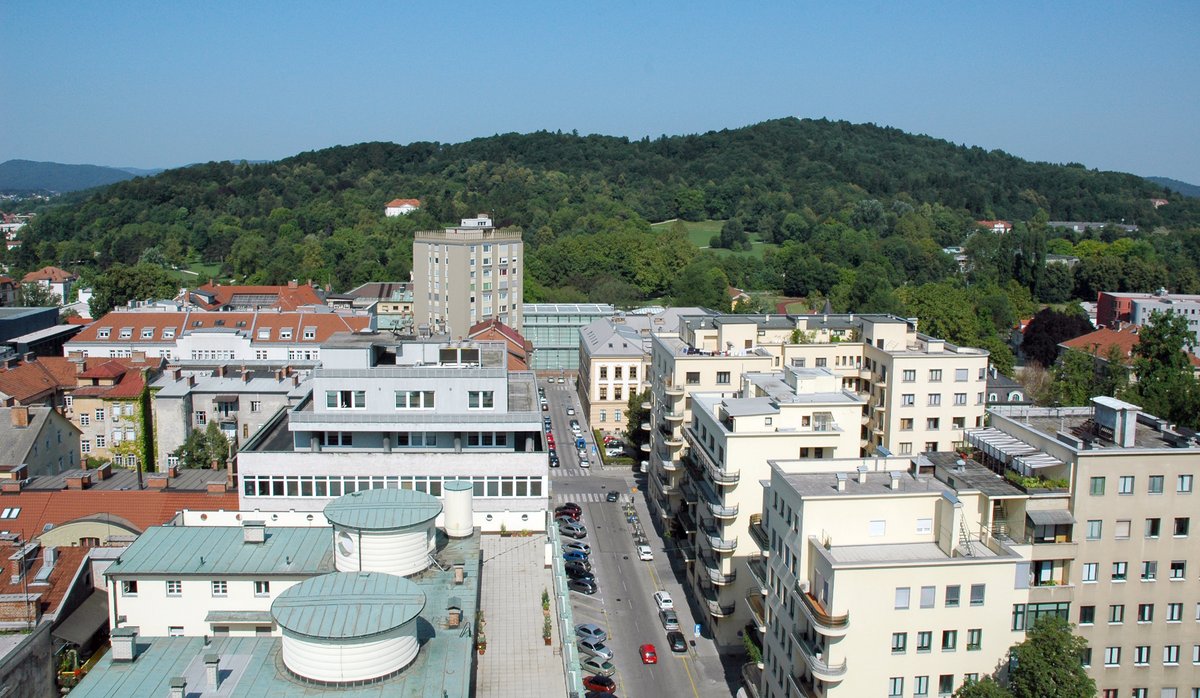
Situated in South Square (Južni trg) on Šubic Street, the monument sits at the intersection of major civic and historical sites including the National Assembly, the Presidential Palace, Congress Square, and Star Park. Its placement forms part of a broader urban revitalization, linking historical and contemporary spaces in Ljubljana’s city center (Wikipedia).
Visitor Information
Address and Getting There
- Location: South Square (Južni trg), Šubic Street, Ljubljana city center
- Transport: The monument is easily accessed on foot from the central square, by city buses, or by bicycle. The main train and bus stations are a 10–15-minute walk away. Underground car parks at Kongresni trg and Trg Republike provide parking nearby (Tripazy).
Hours and Admission
- Opening Hours: Open 24 hours a day, seven days a week
- Admission: Free; no tickets required
Accessibility
- Wheelchair Accessible: Yes. The site features level, paved surfaces and curb ramps, with no steps or barriers.
- Facilities: While there are no dedicated restrooms or visitor centers at the monument, nearby Congress Square offers cafés, public toilets, and seating.
Special Events and Commemorations
The monument is a focal point for ceremonies on national holidays such as Armistice Day and the International Day of Peace. Events typically include speeches, wreath-laying, and periods of silence.
Photography and Etiquette
- Photography is encouraged; the monument’s minimalist lines and interplay with natural light make for striking images.
- Please maintain a respectful atmosphere, especially during ceremonies or when others are reflecting.
Visitor Experience and Tips
- Best Time to Visit: Early mornings and late afternoons are quietest. The monument is softly lit at night, creating a peaceful atmosphere for evening visits.
- Weather: Ljubljana’s climate is temperate. Dress for the season and be mindful that the monument is exposed to the elements (Wanderlog).
- Nearby Facilities: Congress Square and the city center offer amenities, dining, and public restrooms.
- Accessibility for All: The open design and flat surfaces accommodate wheelchairs, strollers, and visitors with mobility needs.
Nearby Attractions
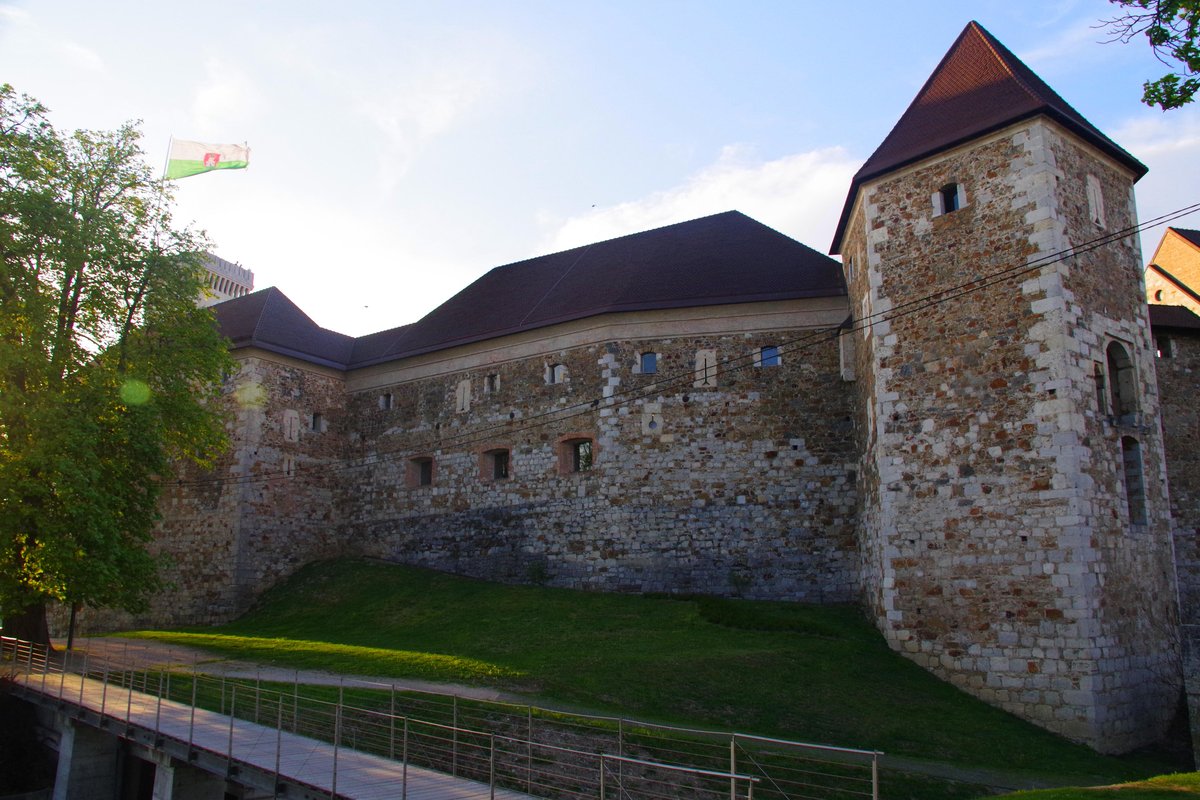
- Ljubljana Castle: Panoramic views and historic exhibits.
- National and University Library: Architect Jože Plečnik’s masterpiece.
- Prešeren Square and Triple Bridge: Iconic city center sites.
- Tivoli Park: Ljubljana’s largest green space.
- National Museum of Contemporary History: For deeper historical context.
- Other Memorials: Monument to the Revolution, Tomb of National Heroes, and Žale Cemetery (Destination WWII).
Political Context and Controversies
The monument’s dedication to all victims reflects Slovenia’s post-socialist shift towards inclusive remembrance and national reconciliation. It has sparked debate—some praise its universal message, while others fear it may dilute or overshadow specific historical narratives. Occasional acts of vandalism have underscored ongoing tensions related to wartime memory, mirroring broader European debates about public monuments and collective memory (Springer: Long Live Yugoslavia!, military-history.fandom.com).
Frequently Asked Questions (FAQ)
Q: What are the monument's opening hours?
A: The site is always open; visitors are welcome 24/7.
Q: Is there an entrance fee?
A: No, the monument is free to visit.
Q: Are guided tours available?
A: Yes, through local tourism offices and museums; the monument is also featured on many city walking tours.
Q: Is the monument accessible for people with disabilities?
A: Yes, the site is fully accessible.
Q: Can I take photos?
A: Yes, photography is welcome.
Q: Are there commemorative events?
A: Yes, especially on national holidays and the International Day of Peace.
Tips for a Meaningful Visit
- Walk slowly between the monument walls to reflect on its message.
- Read about Slovenia’s history before your visit for greater context.
- Consider joining a guided tour for a richer understanding.
- Combine your visit with other nearby cultural and historical landmarks.
- Be mindful and respectful of the monument’s contemplative atmosphere.
Internal and External Links
- Wikipedia – Monument to the Victims of All Wars
- Destination WWII – Ljubljana WWII Sites
- Tripazy – Monument to the Victims of All Wars
- Wanderlog – Monument to the Victims of All Wars
- medprostor.si – Project Page
- Visit Ljubljana – Official Tourism
- Springer: Long Live Yugoslavia!
- military-history.fandom.com
Discover More
The Monument to the Victims of All Wars is a place of remembrance, dialogue, and hope at the heart of Ljubljana. Its contemplative architecture, central location, and universal message make it an essential stop for visitors seeking to understand Slovenia’s past and its aspirations for peace. Plan your visit, explore related historical sites, and consider using digital guides like the Audiala app for a deeper, immersive experience of Ljubljana’s layered heritage.
For more travel tips, audio tours, and updates on Slovenia’s cultural landmarks, download the Audiala app and follow us on social media. Share your reflections and join the conversation on remembrance and reconciliation.
Sources:
Listen to the full story in the app
The whole Monument To The Victims Of All Wars,
told well.
Audio guides for 1,100+ cities across 96 countries. History, stories, and local insight — offline ready.

Verified, and shown.
Researched and written by the Audiala editorial team from historical records, architectural archives, and local expertise.
Researched from Wikidata, Wikipedia & official sources · fact-checked · How we make our guides →