Plan and listen to Miklošič Park with Audiala.
Audio guide in your pocket, itinerary in your browser. Built for the way you actually visit.
Introduction
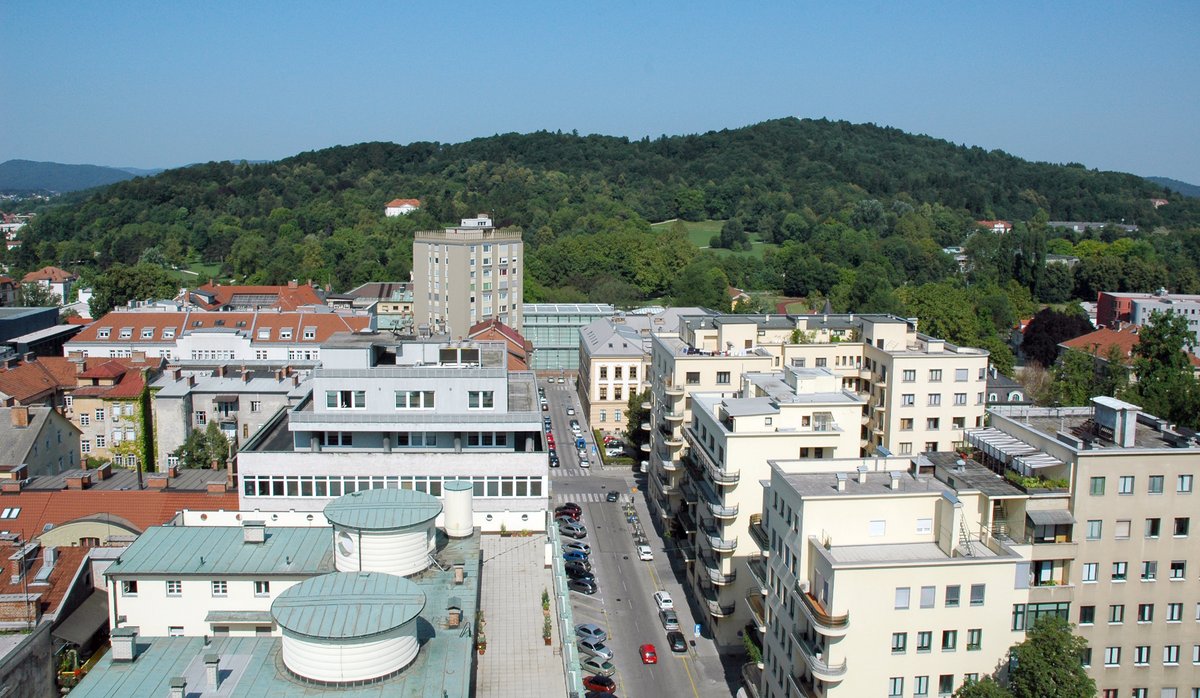
Miklošič Park (Miklošičev park) is a celebrated urban green space in the center of Ljubljana, Slovenia. Framed by striking Art Nouveau architecture, this park is a tranquil oasis that embodies the city’s historical evolution, cultural richness, and modern urban vibrancy. Established in the early 20th century after the devastating 1895 earthquake, Miklošič Park was designed by renowned architect Maks Fabiani and reflects a pivotal era of Ljubljana’s modernization and artistic awakening (sl.wikipedia; JRL.si). Today, the park is not only a symbol of Slovenian identity and resilience but also a must-visit spot for travelers seeking history, architecture, and relaxation in the heart of the city.
Historical Background
Origins and Urban Development
The creation of Miklošič Park was part of Ljubljana’s transformation following the 1895 earthquake, which provided the impetus for modern urban planning. Between 1902 and 1906, Maks Fabiani masterminded the park’s design as an elegant extension in front of the Palace of Justice (Sodna palača), originally named Slovenski trg (Slovenian Square). This urban project was supported by both the local municipality and the Austro-Hungarian authorities, underlining Ljubljana’s growing stature within the empire (artnouveau-net.eu).
Architectural and Artistic Vision
Miklošič Park stands out as a rare, cohesive example of Secessionist (Art Nouveau) urban planning. The park’s square shape, diagonal pathways, and symmetrical layout were purposefully designed to harmonize with surrounding buildings by leading architects such as Fabiani, Ciril Metod Koch, Josip Vancaš, and Ivan Vurnik (peopleofljubljana.com). Iconic landmarks, including the Grand Hotel Union, Cooperative Business Bank, and People’s Loan Bank, frame the park and create the city’s most beautiful open-air Secessionist setting.
Naming and Political Transformations
Reflecting the city’s shifting political landscape, the park and its square have adopted numerous names: from Sodnijski trg and Slovenski trg to Kralja Petra trg, Rimski trg, Dapčevićev trg, Marxov trg, Marxov park, and finally Miklošičev park after Slovenia gained independence in 1991. The park is named in honor of Franc Miklošič, a prominent Slovene linguist, reinforcing its cultural significance (de.wikipedia).
Monuments and Memorials
At the heart of the park stands a bust of Franc Miklošič by sculptor Tine Kos, flanked by majestic wingnut and tulip trees. Originally, the central monument was a statue of Emperor Franz Joseph I (unveiled in 1908), but it was replaced to reflect the city’s changing identity and values (sl.wikipedia).
Urban Evolution and Modernization
Miklošič Park has evolved over time, adapting to increased pedestrian traffic and urban changes. A significant renovation in 2022 introduced modernist lighting to enhance both safety and aesthetics while adhering to light pollution standards (jrl.si). Mature trees and carefully curated landscaping maintain the park’s original charm.
Visiting Miklošič Park: Practical Information
Visiting Hours
- Open daily: Typically from 6:00 AM to 10:00 PM (dawn to dusk).
- Entry: Free for all visitors; no ticket required.
Accessibility
Miklošič Park is wheelchair accessible, with paved and gently sloping paths. Benches, shaded areas, and clear signage ensure comfort and safety for visitors of all abilities (Visit Ljubljana).
Getting There
- On Foot: The park is a short walk from Prešeren Square and Ljubljana’s Old Town.
- By Public Transport: City buses stop nearby; use an Urbana Card for travel (Travel Melodies).
- By Bicycle: Ljubljana’s Bicikelj bike-sharing stations are close to the park.
- By Car: Parking is available in nearby garages and street zones, but central Ljubljana restricts car access (Reddit).
Amenities
- Seating: Numerous benches and shaded spots.
- Wi-Fi: Free public Wi-Fi is available nearby (“WiFree Ljubljana”).
- Restrooms: Available in adjacent cafés and public buildings, not within the park itself.
- Pet Policy: Dogs are welcome on a leash; owners must clean up after their pets (My Ljubljana Tour).
What to See and Do
Art Nouveau Landmarks
Surrounding Miklošič Park are some of Ljubljana’s most significant Art Nouveau buildings, including:
- Grand Hotel Union: An architectural masterpiece from 1905.
- Cooperative Bank Building (Vurnik House): Noted for its colorful national motifs (ArchDaily).
- Mladika Building: Now the Ministry of Foreign Affairs, designed by Maks Fabiani.
Guided Walking Tours
Art Nouveau walking tours often include Miklošič Park, providing historical and architectural context (visitljubljana.com). Advanced booking is recommended.
Relaxation and Recreation
Locals and tourists alike enjoy reading, picnicking, and people-watching in the park’s peaceful surroundings. Seasonal flowerbeds and mature trees create a calming atmosphere year-round.
Seasonal Events
While not a primary festival venue, the park occasionally features community gatherings, open-air performances, and forms part of festival routes such as the Ljubljana Festival and Open Kitchen food market.
Photography
Miklošič Park offers excellent opportunities for photographing Art Nouveau façades and the park’s tranquil vistas, especially in the soft morning or late afternoon light.
When to Visit
Best Seasons
- Spring (April–June): Lush greenery and mild temperatures.
- Autumn (September–October): Colorful foliage and fewer crowds.
- Summer (July–August): Vibrant city life but more tourists and occasional heat (Weather2Travel).
- Winter: Quiet and charming during the festive season, though cold (My Ljubljana Tour).
Time of Day
Early mornings and late afternoons are ideal for a peaceful visit and optimal photography conditions.
Accessibility and Travel Tips
- Wheelchair Access: Level terrain, wide paved paths, and accessible public transport.
- Family-Friendly: Open layout is suitable for families, though there are no playgrounds.
- Safety: Ljubljana is considered one of Europe’s safest capitals. Standard awareness is advised, especially after dark (Gamin Traveler).
- Sustainability: Use public transport, walk, or bike to reduce your environmental impact (thecrazytourist.com).
FAQ
Q: What are Miklošič Park’s visiting hours?
A: Open daily from approximately 6:00 AM to 10:00 PM.
Q: Is there an entrance fee?
A: No, entry is free and no tickets are required.
Q: Are guided tours available?
A: Yes, Art Nouveau walking tours include the park (visitljubljana.com).
Q: Is the park wheelchair accessible?
A: Yes, the park is fully accessible with paved paths and level terrain.
Q: Are dogs allowed?
A: Yes, leashed dogs are welcome.
Q: Are restrooms available?
A: Not inside the park, but in nearby cafés and public buildings.
Nearby Attractions
- Prešeren Square: The city’s main square.
- Triple Bridge: A unique architectural feature.
- Central Market: Designed by Jože Plečnik.
- Dragon Bridge: Another iconic city landmark.
- Tivoli Park: Ljubljana’s largest park for extended outdoor activities.
Sustainability and Responsible Tourism
Miklošič Park is part of Ljubljana’s network of pedestrian-friendly and green urban spaces. Visitors are encouraged to use public transport, walk, or cycle, and to respect the city’s recycling and cleanliness policies. Water fountains are widely available in the city for refilling bottles (My Ljubljana Tour).
Summary of Key Points
Miklošič Park represents the fusion of Ljubljana’s historical transformation, architectural brilliance, and commitment to green urban living. Open daily with free entry, the park provides a tranquil refuge for all, welcomes visitors with mobility needs, and features mature trees, modern amenities, and outstanding Art Nouveau surroundings (JRL.si). Whether you’re interested in history, architecture, or relaxation, Miklošič Park is an essential stop in Slovenia’s capital.
Visuals

Enhance Your Experience
For up-to-date information on guided tours, events, and accessibility, download the Audiala app. Explore more about Ljubljana’s green spaces and historic sites through our website and follow us on social media for travel tips and inspiration.
Listen to the full story in the app
The whole Miklošič Park,
told well.
Audio guides for 1,100+ cities across 96 countries. History, stories, and local insight — offline ready.

Verified, and shown.
Researched and written by the Audiala editorial team from historical records, architectural archives, and local expertise.
Researched from Wikidata, Wikipedia & official sources · fact-checked · How we make our guides →