Plan and listen to Ljubljana Railway Station with Audiala.
Audio guide in your pocket, itinerary in your browser. Built for the way you actually visit.
Introduction
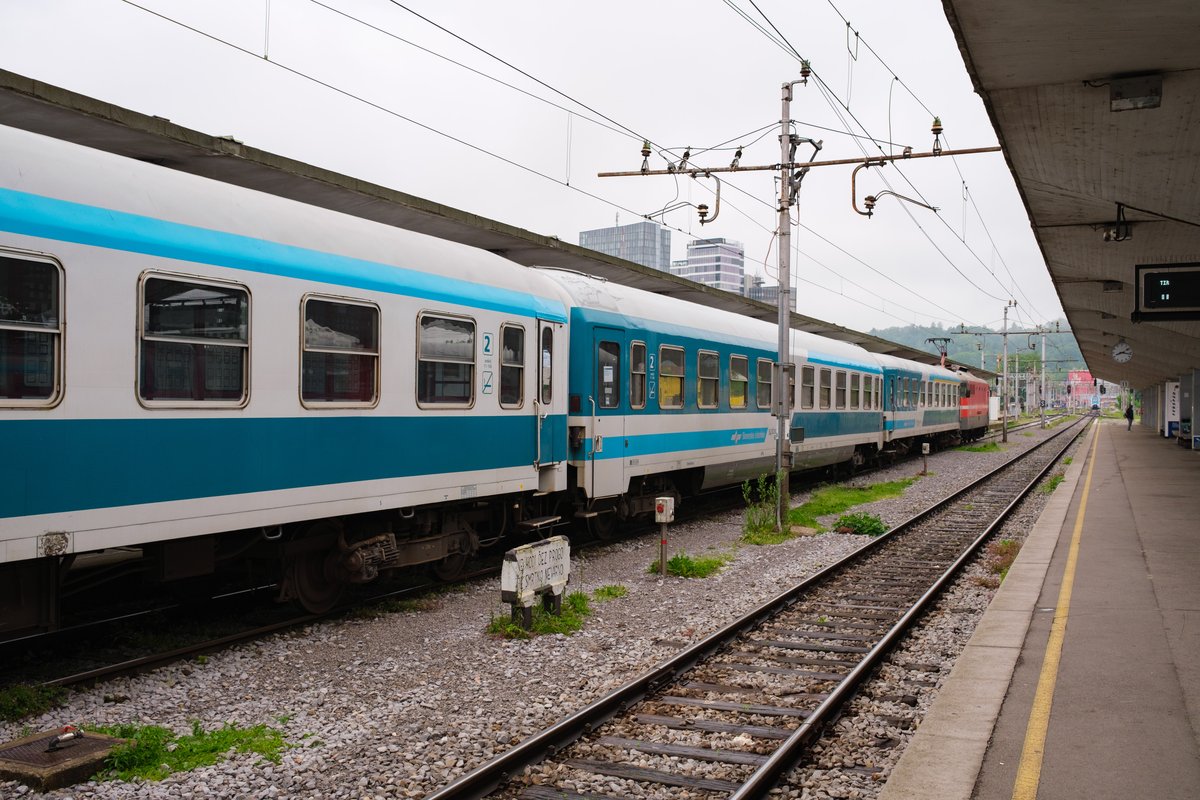
Ljubljana Railway Station (Železniška postaja Ljubljana) is both a central gateway to Slovenia’s capital and a testament to the city’s architectural and cultural evolution. Blending 19th-century heritage with 21st-century innovation, it serves as a vital transport hub and a springboard for exploring Ljubljana’s historical landmarks and vibrant city life. This comprehensive guide provides detailed information on the station’s history, facilities, visiting hours, ticketing options, accessibility, and the transformative Emonika Project that is shaping its future.
For the latest updates and official details, refer to these authoritative sources: Ljubljana.si, Slovenian Railways, and the European Commission.

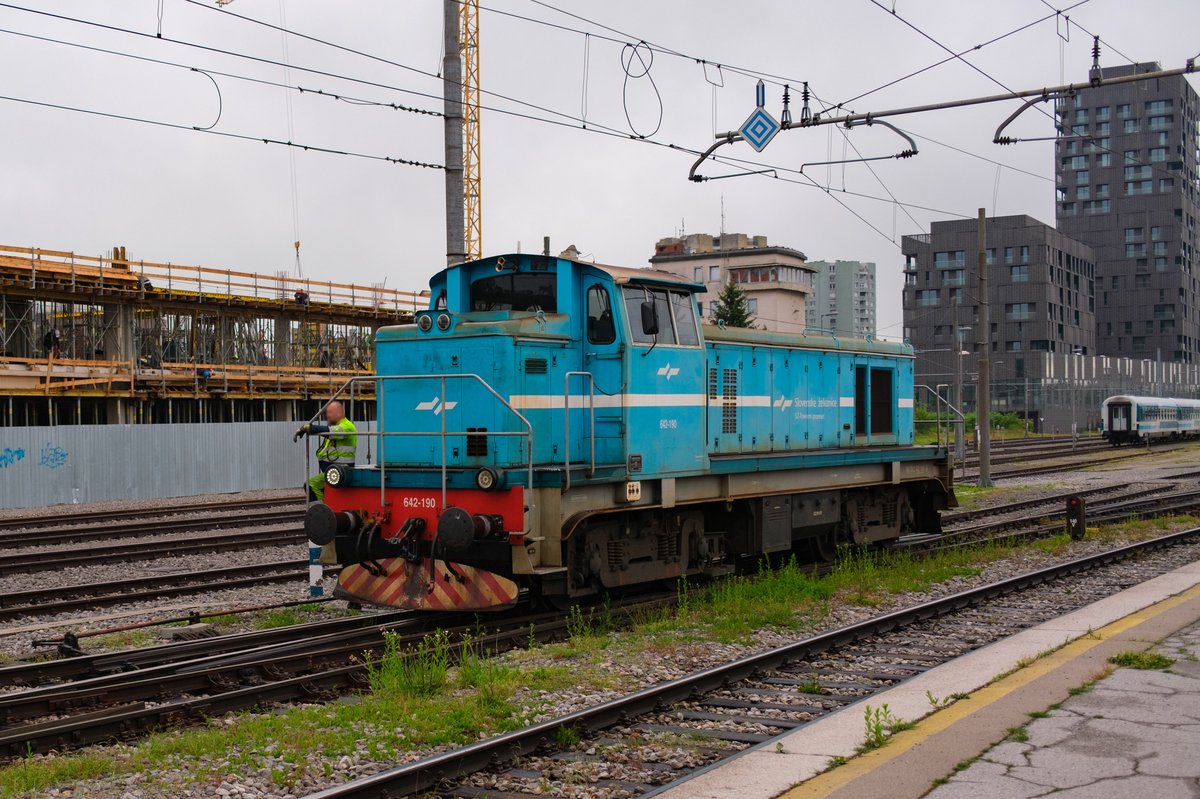
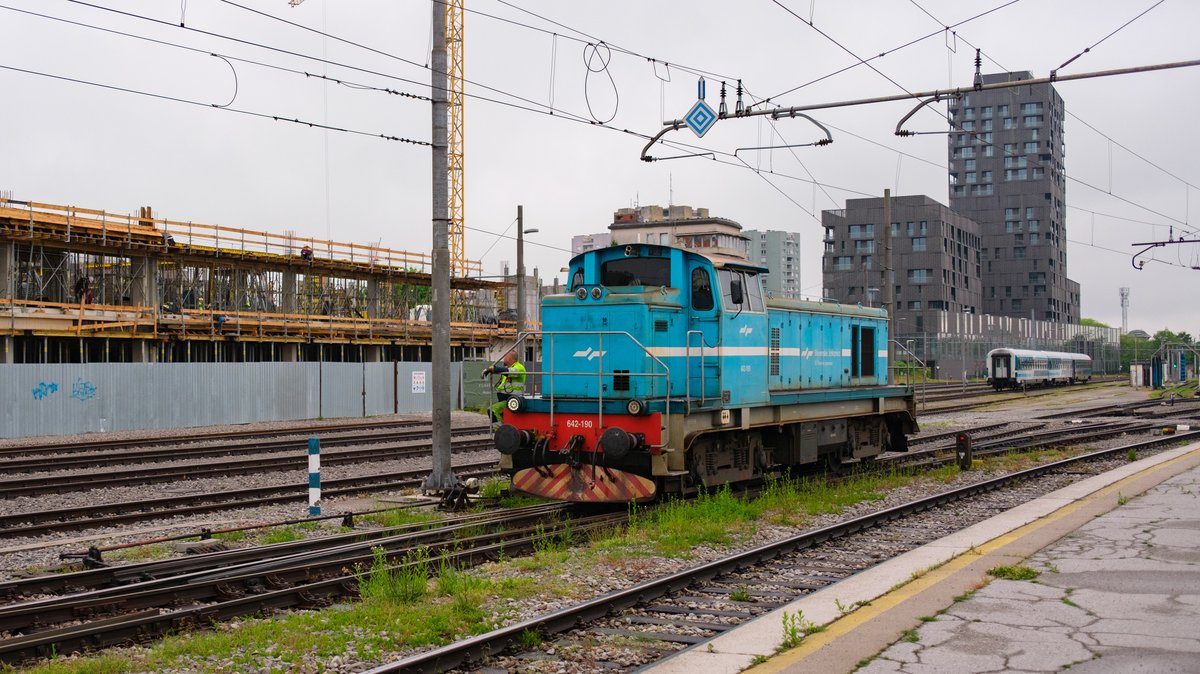
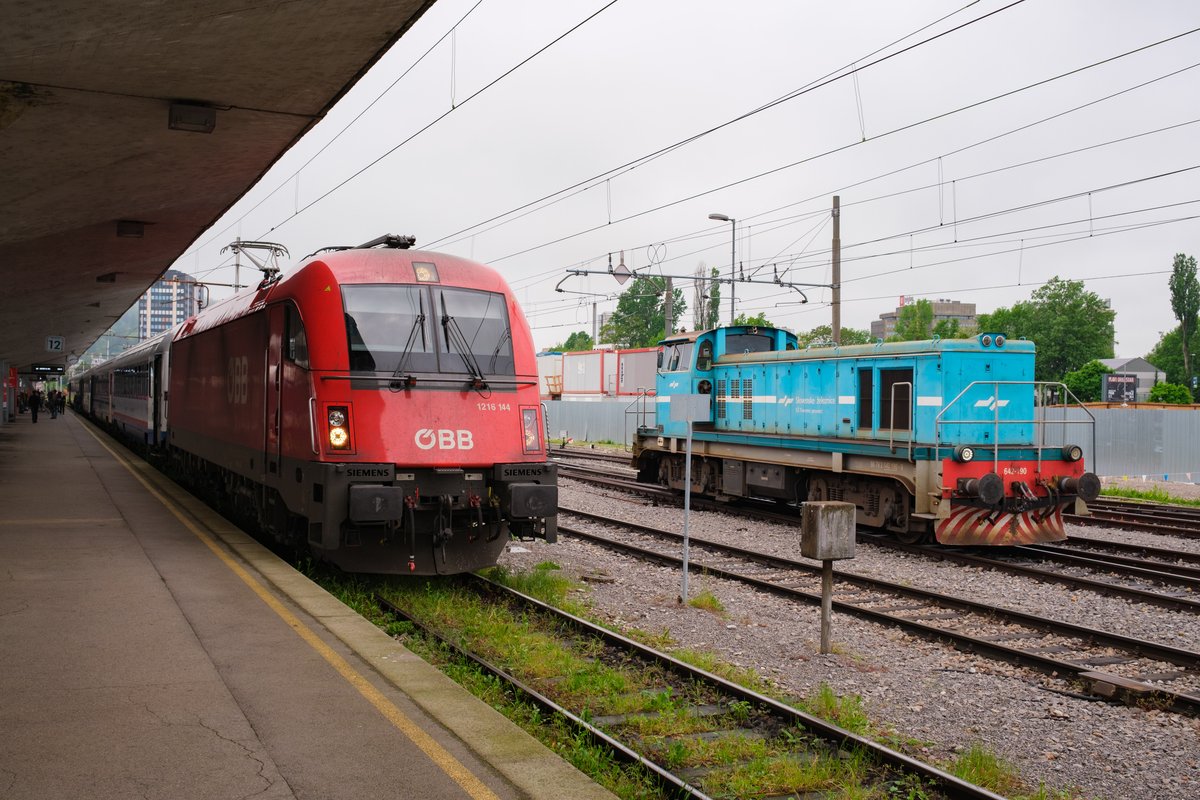
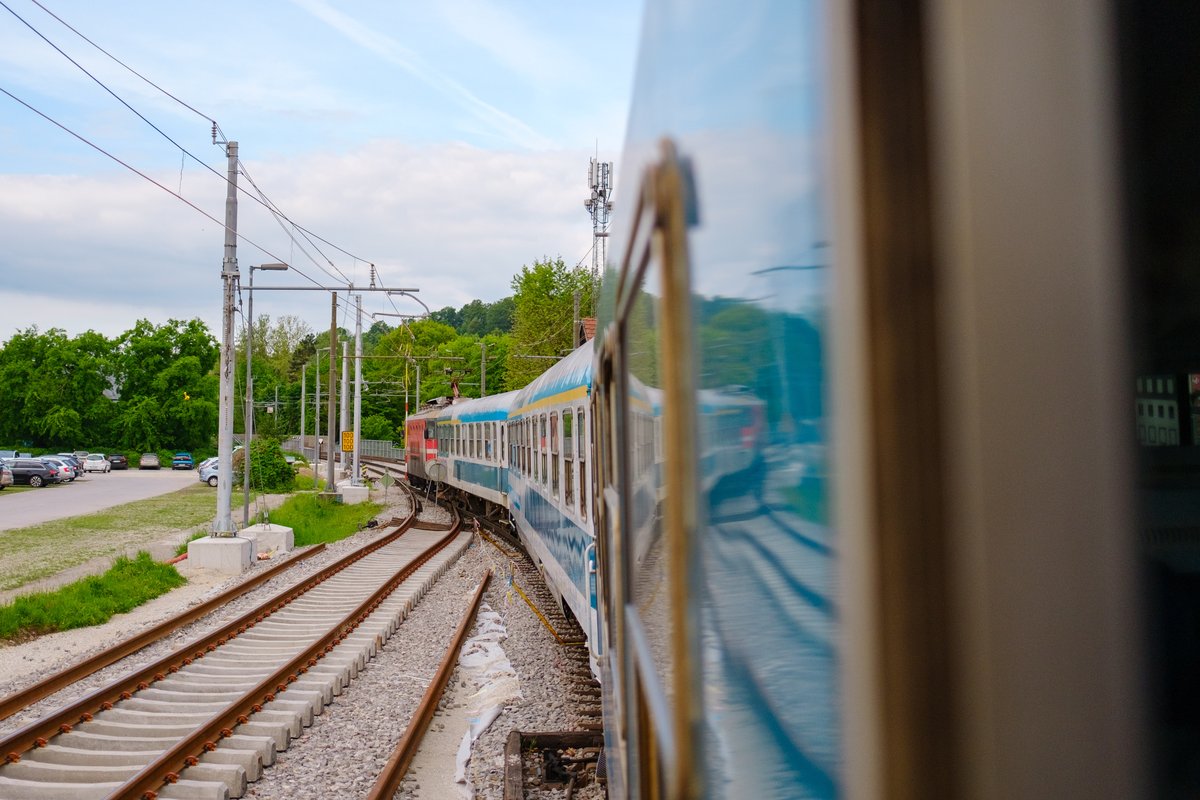
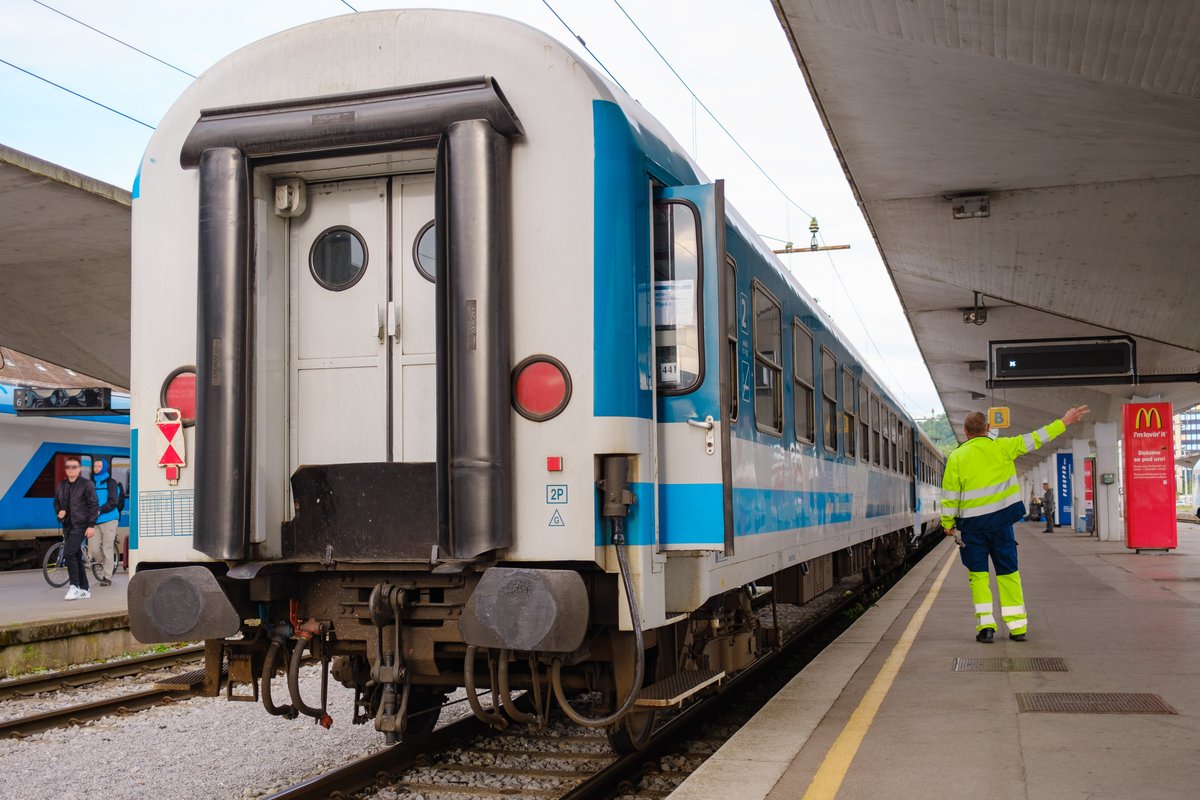
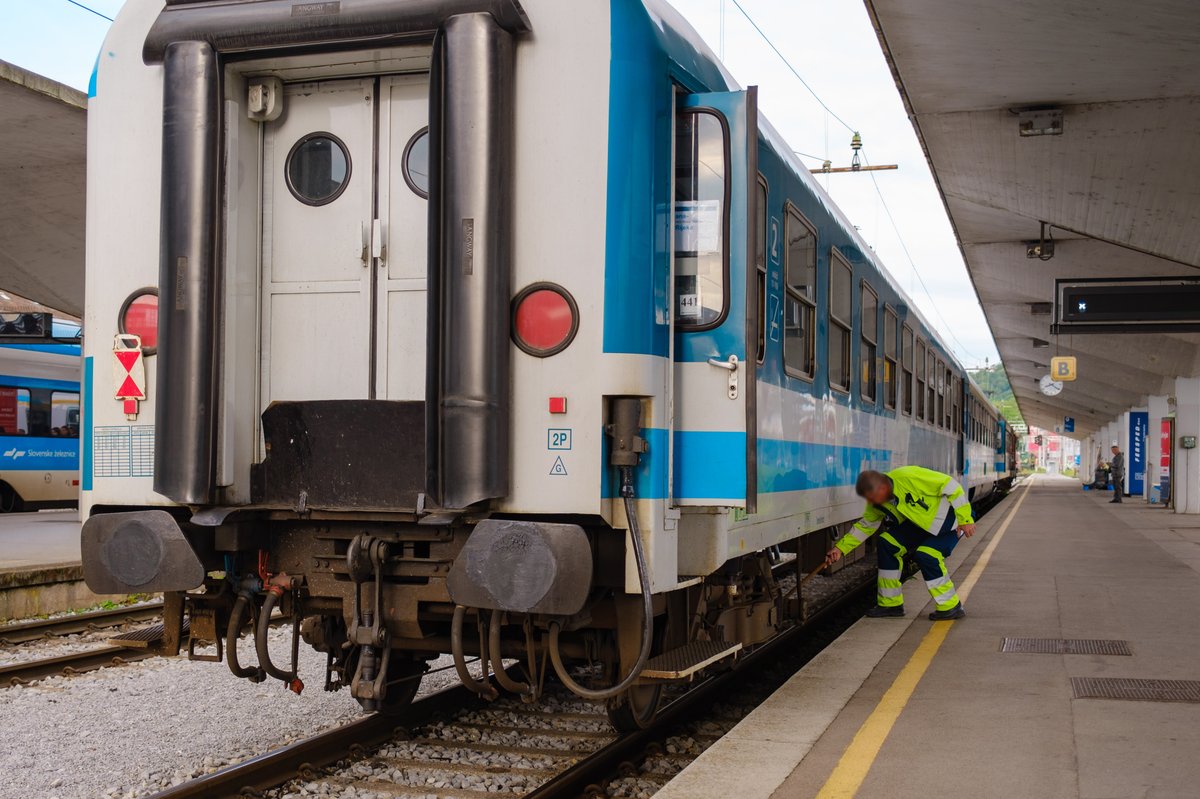
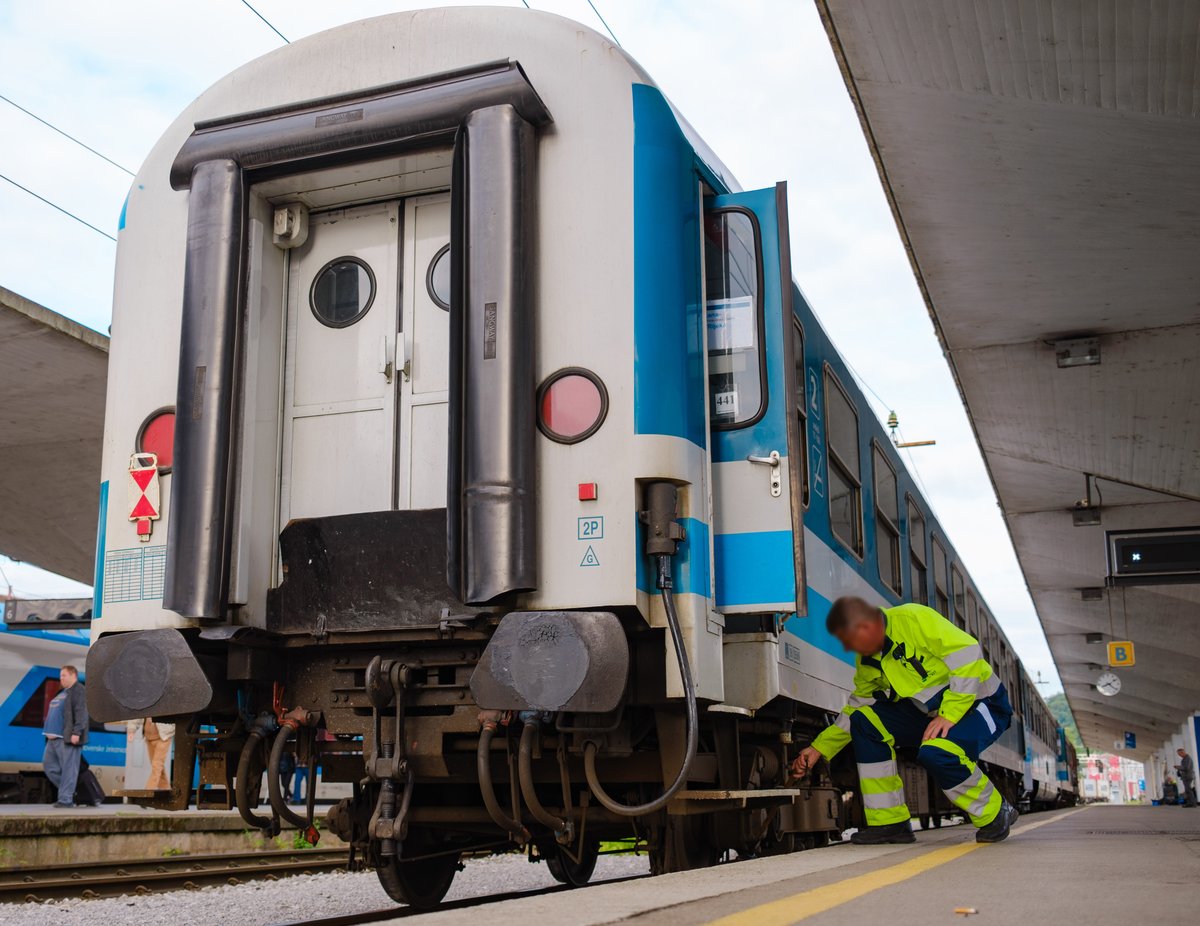
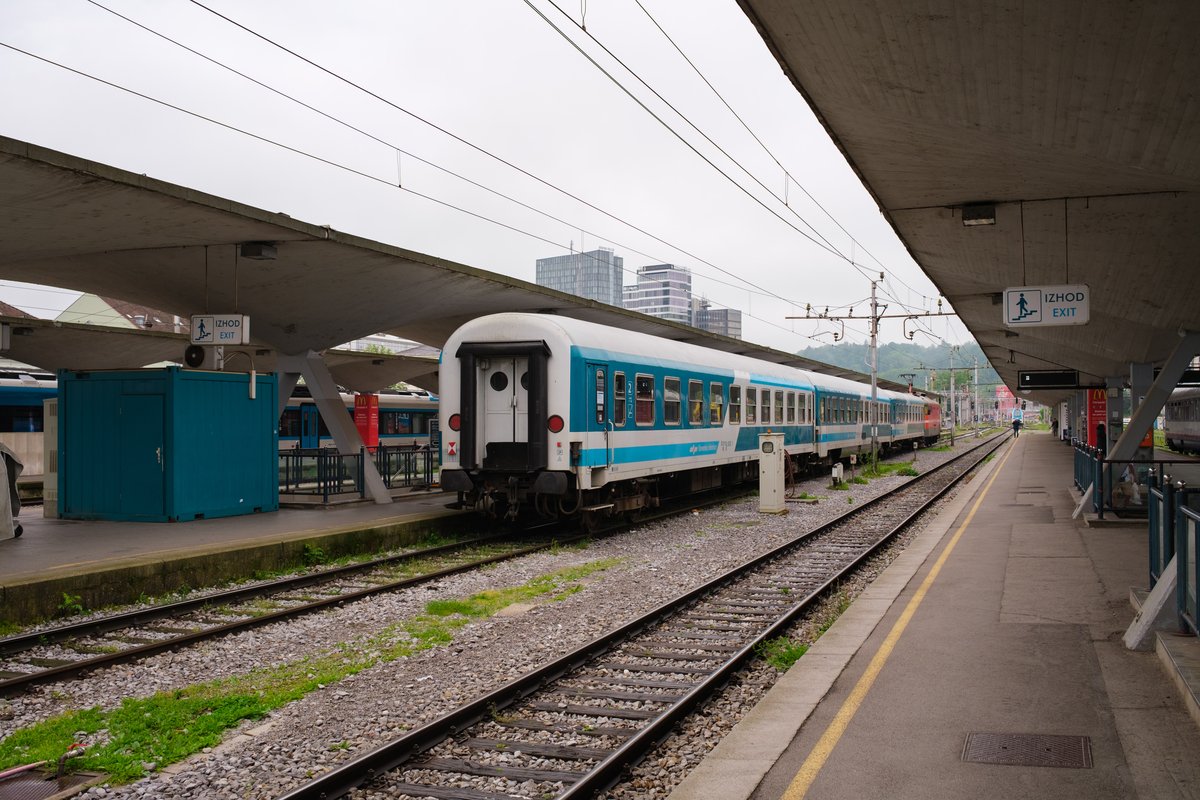
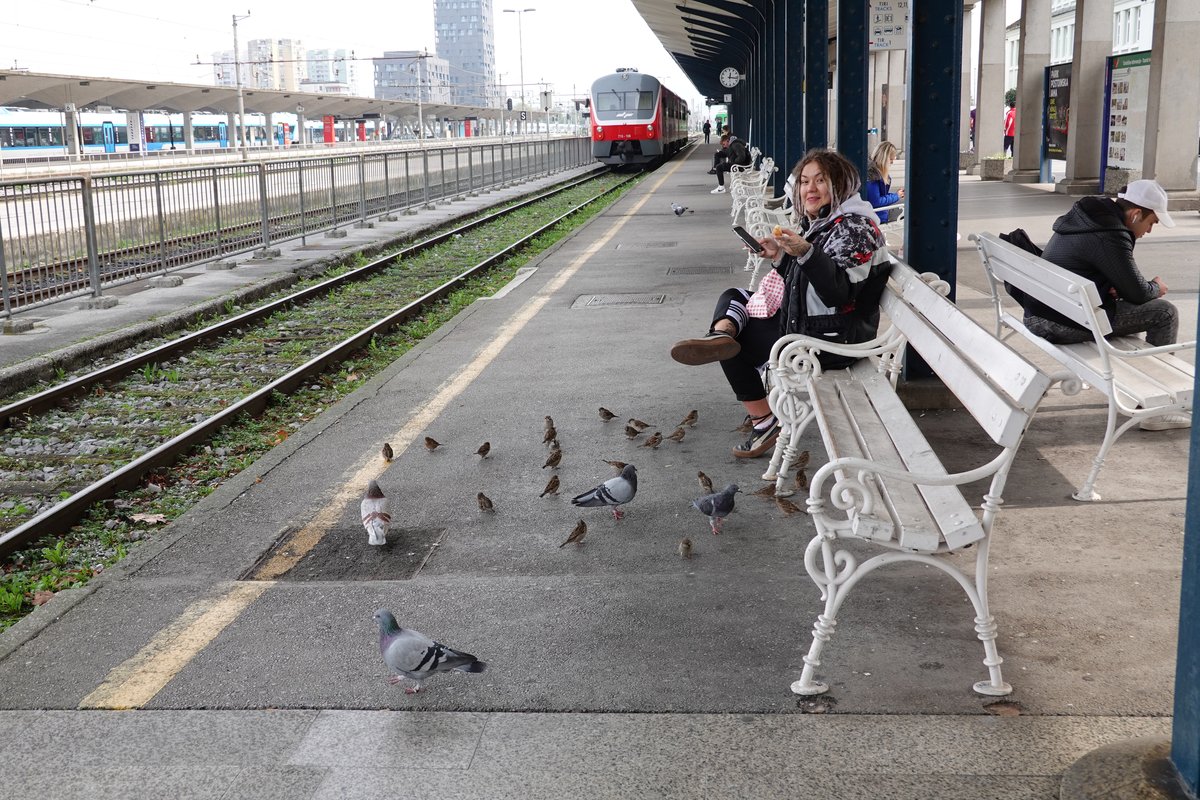
Early Foundations and Historical Milestones
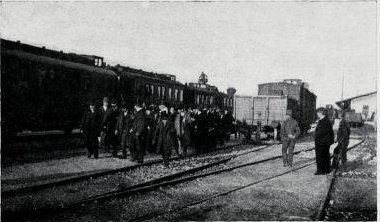
Ljubljana Railway Station opened in 1849 as part of the Austrian Southern Railway, linking Vienna to Trieste and positioning Ljubljana as a key transit point between Central Europe and the Adriatic Sea (Seat61). Its neoclassical design reflected imperial ambitions, and the station quickly became a catalyst for urban growth.
Through the 20th century, the station adapted to shifting political landscapes. After World War I, it served as a crucial node within Yugoslavia. Post-World War II, modernization efforts improved infrastructure while retaining the original symmetry and grandeur (Eupedia).
Slovenia’s independence in 1991 and subsequent EU membership in 2004 accelerated upgrades, aligning the station with Trans-European Transport Network corridors and making it integral to regional mobility (Ljubljana.si).
Architectural Development
The station's architecture honors its neoclassical origins, with arched windows and symmetrical facades. Renovations have carefully preserved its heritage, while modern expansions have introduced new passenger amenities and improved connectivity (Elea iC).
The Emonika Project and Urban Renewal
The ambitious Emonika Project is redefining the station and its surroundings. Led by SADAR+VUGA and Elea iC, this development will create a multifunctional urban hub:
- Modernized transport facilities: Expanding railway tracks, upgraded safety systems, and a new underpass connecting the city center to Bežigrad.
- Sustainable design: Rainwater harvesting, green spaces, and energy-efficient features to attain BREEAM “Very Good” certification.
- Mixed-use development: Offices, hotels, residential units, retail outlets, and Ljubljana’s tallest office tower.
- Enhanced integration: Seamless connections between trains, buses, taxis, and bike-sharing.
The Emonika Project aims to reconnect neighborhoods, improve urban resilience, and establish Ljubljana Railway Station as a model for sustainable urban renewal (Ljubljana.si; European Commission).
European Context and Significance
Strategically positioned on the Baltic-Adriatic and Mediterranean corridors, Ljubljana Railway Station handles approximately 450 trains daily. The ongoing €313 million upgrade, financed in part by the EU Recovery and Resilience Facility, will increase capacity, enhance commuter services, and promote Ljubljana as a green, accessible European capital (European Commission).
Practical Visitor Information
Visiting Hours
- Station Opening: Daily, 4:30 AM – Midnight
- Ticket Office: 6:00 AM – 10:00 PM
- Self-Service Ticket Machines: 24/7
Hours may vary during holidays or special events—check the official website for current schedules.
Ticketing and Travel Tips
- Purchasing Tickets: At ticket counters, self-service machines, or online via the Slovenian Railways website. The mobile app and contactless payments (NFC/bank cards) are also supported.
- Ticket Types: Domestic, international, single, return, and regional passes. Advance booking is recommended for international or long-distance travel.
- Ljubljana Card: Offers unlimited public transport and discounts for 24, 48, or 72 hours—ideal for tourists.
Accessibility
- Barrier-Free Access: Ramps, lifts, tactile guidance, and step-free routes throughout the station.
- Assistance Services: Staff assistance available for passengers with reduced mobility (advance notice recommended).
- Accessible Restrooms: Clearly marked and easy to locate.
- Audio and Visual Aids: Clear signage and announcements support travelers with sensory impairments.
Amenities and Passenger Services
- Waiting Areas: Comfortable seating in main halls and on platforms.
- Wi-Fi: Free in designated areas.
- Luggage Storage: Secure lockers and a staffed left-luggage office.
- Shops & Cafés: Multiple dining and retail options.
- Other Services: ATMs, currency exchange, pharmacy, and basic medical facilities.
- Safety: CCTV surveillance and regular security patrols ensure a safe environment.
Connectivity and Local Transport
The station is a key interchange for city and regional buses (adjacent main bus station), taxis, and the Kavalir electric shuttle. The Urbana Card enables contactless payments for city buses, including convenient transfers. Real-time information boards display arrivals, departures, and platform changes.
Airport Connections
Hourly buses link Ljubljana Jože Pučnik Airport to the station, making international arrivals and departures seamless.
Nearby Attractions
Located in the heart of the city, the station is within walking or cycling distance of:
- Prešeren Square: The vibrant city center.
- Triple Bridge (Tromostovje): Architectural icon connecting Old Town.
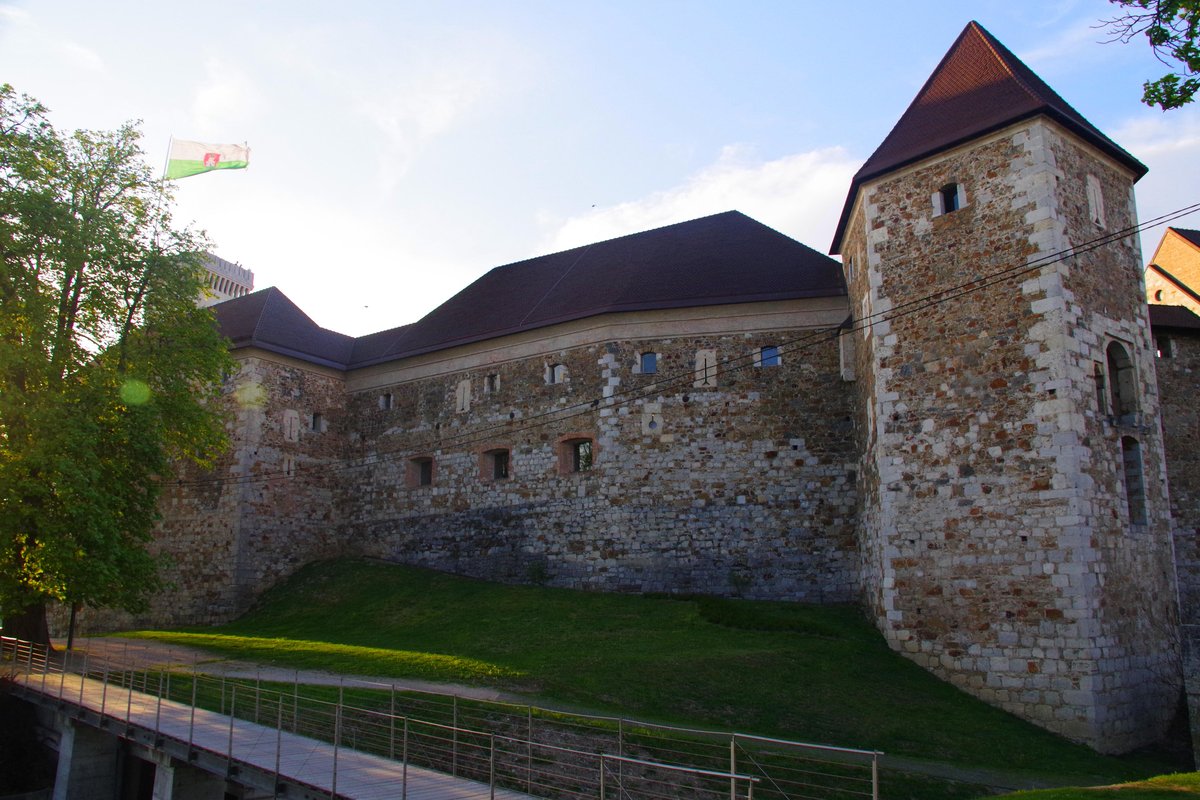
- Ljubljana Castle: Medieval fortress with panoramic views.
- Tivoli Park: Expansive urban green space.
Explore more with bike-sharing (BicikeLJ) and wide pedestrian paths.
Cycling and Pedestrian Facilities
Ljubljana is renowned for its bike-friendliness. The station provides:
- Over 4,000 bike parking spaces and proximity to BicikeLJ stations.
- Safe pedestrian routes: Widened sidewalks and new over/underpasses for accessibility.
Frequently Asked Questions (FAQ)
Q: What are Ljubljana Railway Station’s opening hours?
A: The station is open daily from 4:30 AM to midnight; ticket offices operate from 6:00 AM to 10:00 PM. Self-service machines are available 24/7.
Q: How can I buy tickets?
A: Tickets can be purchased at the station, via machines, online, or through the mobile app.
Q: Is the station accessible for people with disabilities?
A: Yes, with ramps, elevators, tactile guidance, and assistance services.
Q: Are there luggage storage facilities?
A: Yes, lockers and a staffed left-luggage office are available.
Q: Can I connect to local buses and the airport?
A: Yes, the adjacent bus station and frequent airport shuttles provide seamless connections.
Q: Are guided tours available?
A: Occasionally, guided tours are offered via local tourism offices—check ahead for availability.
Listen to the full story in the app
The whole Ljubljana Railway Station,
told well.
Audio guides for 1,100+ cities across 96 countries. History, stories, and local insight — offline ready.
Verified, and shown.
Researched and written by the Audiala editorial team from historical records, architectural archives, and local expertise.
Researched from Wikidata, Wikipedia & official sources · fact-checked · How we make our guides →