Plan and listen to Kapelica Matere Božje with Audiala.
Audio guide in your pocket, itinerary in your browser. Built for the way you actually visit.
Introduction: The Significance of Kapelica Matere Božje in Ljubljana
Kapelica Matere Božje, or the Chapel of Our Lady, stands as a testament to centuries of Marian devotion in the Ljubljana region and throughout Slovenia. These chapels—such as the Kapelica Lurške Matere Božje on Bled Island and the Great Chapel in Janče—offer a serene spiritual retreat and a window into local Catholic heritage. For travelers, pilgrims, and those interested in Slovenian culture, these sacred sites provide an intimate glimpse into the history, faith, and community identity that have shaped the nation’s landscape.
Marian devotion has been integral to Slovenian religious culture since the Middle Ages, flourishing particularly during the Baroque era and the national awakening of the 19th century. Chapels erected during these periods often became pilgrimage destinations, commemorating miraculous events and serving as focal points for local communities. Today, they blend modest architecture with rich iconography, providing both spiritual enrichment and access to Slovenia’s breathtaking natural scenery.
This comprehensive guide details the visiting hours, ticketing policies, accessibility, and local customs at Kapelica Matere Božje chapels in Ljubljana and its surroundings. Whether you are seeking history, artistic inspiration, or a peaceful place for contemplation, this resource will help you plan a rewarding visit and better appreciate the region’s religious and cultural legacy.
For the latest updates and guided tours, consult the Audiala app and official tourism resources (visitljubljana.com).
Historical Context and Origins
Marian Devotion and the Emergence of Chapels
Marian devotion—the veneration of the Virgin Mary—has shaped Slovenian religious life since the early Middle Ages. This is reflected in the proliferation of Marian chapels across the region, particularly in and around Ljubljana (City of Ljubljana). During the 17th century Counter-Reformation and Baroque period, the construction of such chapels accelerated, marking sites of reported miracles or significant local events (slovenianguide.com). These chapels served as communal gathering points for prayer, processions, and expressions of local identity.
Kapelica Lurške Matere Božje on Bled Island
One of the most celebrated Marian chapels is the Kapelica Lurške Matere Božje on Bled Island. Built in 1888 by Prince Ernest Windisch-Graetz to commemorate the miraculous healing of his wife, the chapel stands beside a spring revered for its purity and healing properties (blejskiotok.si). It continues to attract pilgrims and visitors seeking spiritual solace and a connection to local folklore.
The Great Chapel in Janče
The Kapelica Matere Božje Lurške, also known as the Great Chapel in Janče, was constructed in 1897 as a votive offering following the devastating 1895 Ljubljana earthquake. Its white marble plaque records the community’s gratitude and faith in the Virgin Mary (ljubljana.si). As the only subsidiary chapel of the Church of St. Nicholas in Janče, it remains integral to the area’s Catholic life.
Architectural Features and Artistic Highlights
Exterior and Setting
Kapelica Matere Božje chapels are characterized by simplicity and harmony with their surroundings. Key exterior features often include:
- Stepped or articulated facades that add vertical emphasis
- Columned entrances (steberni vhod) with classical porticos (Logatec Heritage Register)
- Wrought iron gates showcasing local craftsmanship
- Side arched windows for natural interior illumination
- Pyramidal or gabled roofs clad in durable sheet metal, usually topped with a cross
Interior Elements
Interiors are intimate and inviting, typically featuring:
- Wooden or stone altars adorned with statues of the Virgin Mary, often inspired by the Lourdes apparitions
- Wall paintings or frescoes illustrating Marian themes
- Liturgical ornaments: embroidered cloths, candles, and fresh flowers maintained by parishioners
- Sacred relics and engraved images in some chapels, especially in Janče
Although not designed by Jože Plečnik, these chapels reflect the broader principles he brought to Ljubljana’s sacred architecture—classical motifs, uplifting forms, and a focus on spiritual atmosphere (Revija Ognjišče).
Visiting Information
Hours and Admission
- General Hours: Most chapels are accessible during daylight hours, typically from 8:00 AM to 6:00 PM. Bled Island chapel follows the island’s opening times. Janče’s chapel is open from 9:00 AM to 6:00 PM; Kamniška Bistrica chapel holds services on Sundays and holidays at 7:00 and 9:00, with Saturday and weekday services scheduled seasonally (Župnija Stranje).
- Admission: Entry is free; donations for maintenance are appreciated.
- Guided Tours: Available for Bled Island, and occasionally during parish-organized events in Ljubljana area (visitljubljana.com).
Access and Transportation
- Bled Island: Reachable by traditional “pletna” boats; the chapel is accessed via a stone staircase.
- Janče and Kamniška Bistrica: Accessible by car (20–30 km from Ljubljana), with parking near the main churches. Public transport is limited; hiking and cycling routes provide scenic alternatives (Travel Slovenia, Hikersbay).
Accessibility
While chapels are generally accessible, some locations involve uneven or steep terrain. Assistance is recommended for visitors with mobility challenges.
Rituals, Traditions, and Cultural Importance
Marian chapels are centers for community traditions and religious events:
- Marian processions and celebrations, particularly in May and on Marian feast days
- Ringing of the “Wishing Bell” on Bled Island
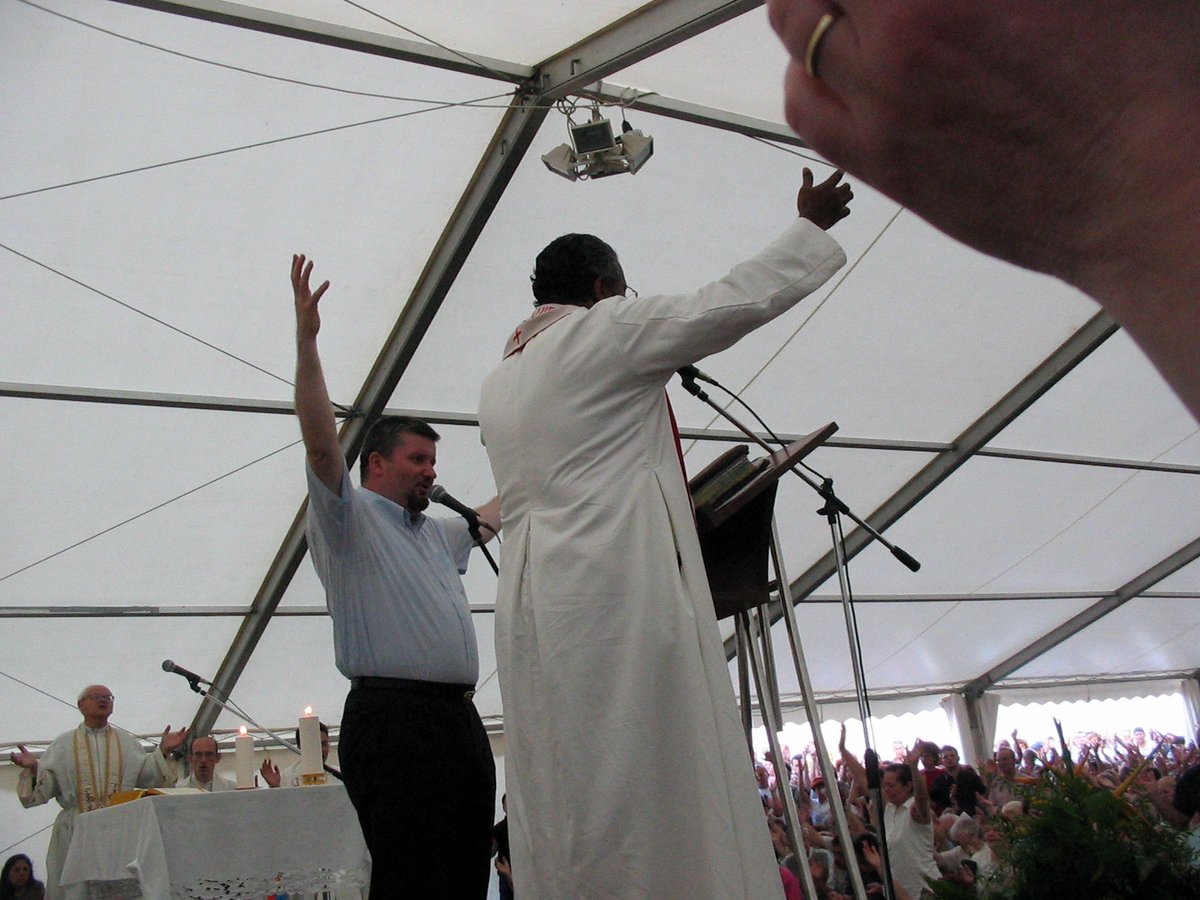
- Special Masses and blessings, especially in Janče and Kamniška Bistrica
- Commemorative plaques and votive offerings marking gratitude for miracles or survival in times of hardship
These traditions reflect Slovenia’s enduring Marian devotion and reinforce a sense of communal identity (ljubljana.si, slovenia.info).
Preservation and Maintenance
Local communities play an active role in the upkeep and restoration of chapels, ensuring the preservation of both structural integrity and artistic heritage. Many are protected as national or local monuments (Postojna Municipality, blejskiotok.si).
Visitor Experience and Nearby Attractions
What to See and Do
- Combine chapel visits with explorations of Ljubljana’s historic center, including Cathedral of St. Nicholas, Baroque churches, and iconic city bridges (Earth Trekkers, The Crazy Tourist).
- Enjoy the natural surroundings: Janče’s rolling hills and vineyards, Kamniška Bistrica’s alpine scenery, and Bled Island’s lake views.
- Participate in local events: Attend a Marian procession or feast-day celebration for a deeper cultural experience.
Practical Tips
- Dress modestly—especially during services or religious events.
- Footwear: Sturdy shoes are recommended for uneven terrain.
- Photography: Permitted, but avoid using flash and respect worshippers’ privacy.
- Facilities: Amenities are limited at the chapels; nearby villages and mountain huts offer restrooms and refreshments.
Frequently Asked Questions (FAQ)
Q: What are the visiting hours?
A: Generally 8:00 AM to 6:00 PM; check parish websites or local tourism offices for chapel-specific times.
Q: Is there an entry fee?
A: No; entry is free. Donations are welcomed.
Q: Are the chapels accessible for people with disabilities?
A: Some chapels have uneven terrain or stairs; access may be limited.
Q: Can I attend religious services?
A: Yes; services are held regularly, especially on feast days. Refer to parish websites for schedules.
Q: Are guided tours available?
A: Guided tours are offered on Bled Island and during special events elsewhere.
Visuals


Plan Your Visit
Explore more about Kapelica Matere Božje and Ljubljana’s religious heritage by visiting:
- blejskiotok.si
- visitljubljana.com
- Travel Slovenia
- Župnija Stranje
- Revija Ognjišče
- Slovenian Catholic Church Events
Download the Audiala app for guided tours, and follow local parish and tourism sites for up-to-date information and special events.
Summary
Kapelica Matere Božje chapels in Ljubljana and its surroundings are enduring symbols of Slovenia’s Marian devotion, community resilience, and cultural richness. These sites invite visitors to experience a unique blend of spiritual serenity, architectural charm, and natural beauty—all accessible with free entry and open hospitality. Integrating a chapel visit with other historical and cultural attractions in Ljubljana enhances any journey through the heart of Slovenia.
For further planning, consult official tourism portals and parish websites. Experience the harmony of faith, history, and nature at Kapelica Matere Božje, and let your visit inspire reflection, discovery, and appreciation of Slovenia’s living heritage.
Listen to the full story in the app
The whole Kapelica Matere Božje,
told well.
Audio guides for 1,100+ cities across 96 countries. History, stories, and local insight — offline ready.

Verified, and shown.
Researched and written by the Audiala editorial team from historical records, architectural archives, and local expertise.
Researched from Wikidata, Wikipedia & official sources · fact-checked · How we make our guides →