Plan and listen to Gruber Palace with Audiala.
Audio guide in your pocket, itinerary in your browser. Built for the way you actually visit.
Introduction: Gruber Palace’s Enduring Significance
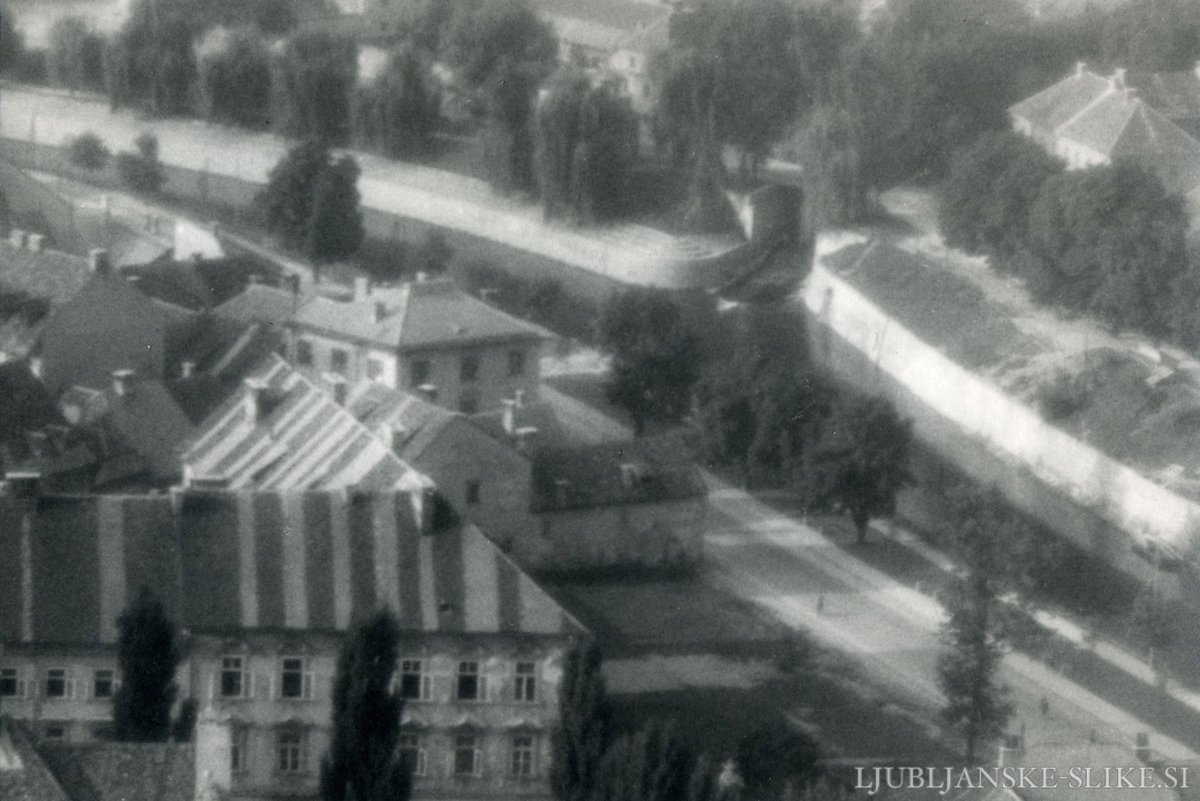
Gruber Palace, situated in the heart of Ljubljana, Slovenia, is a prominent example of late Baroque and Rococo architecture, deeply intertwined with the city’s scientific, cultural, and architectural history. Built between 1773 and 1777 by the visionary Jesuit engineer Gabriel Gruber, the palace was conceived as both a center of hydraulic engineering and a symbol of Enlightenment ideals—melding scientific progress, urban development, and artistic achievement (gov.si, Slovenia.info). Gruber’s pioneering work, including the construction of the Gruber Canal to mitigate flooding, cements the palace’s role as both an architectural jewel and a monument to Slovenian innovation.
The palace’s journey through history has seen it serve as an educational institution, residential space, administrative center, and most notably, as the National Archives of Slovenia until autumn 2024. Its ornate façade, exquisite interior frescoes—such as those by Andrej Herrlein and Kremser-Schmidt—and iconic oval staircase continue to captivate visitors and scholars alike (Open House Slovenia, Triphobo).
This guide provides a comprehensive overview of Gruber Palace’s historical context, architectural marvels, practical visitor information including hours and ticketing, and tips for exploring nearby attractions. Whether you’re a history enthusiast, architecture lover, or curious traveler, understanding the palace’s story will enrich your Ljubljana experience.
- Introduction: Gruber Palace’s Enduring Significance
- Origins and Construction
- Architectural and Artistic Heritage
- Historical Functions and Transformations
- Role as the Archives of the Republic of Slovenia
- Visiting Gruber Palace: Hours, Tickets, and Tours
- Nearby Attractions and Travel Tips
- Visual and Interactive Highlights
- Gruber Palace in Ljubljana’s Urban and Cultural Context
- Preservation, Restoration, and Modern Use
- Frequently Asked Questions (FAQ)
- Summary and Conclusion

Origins and Construction
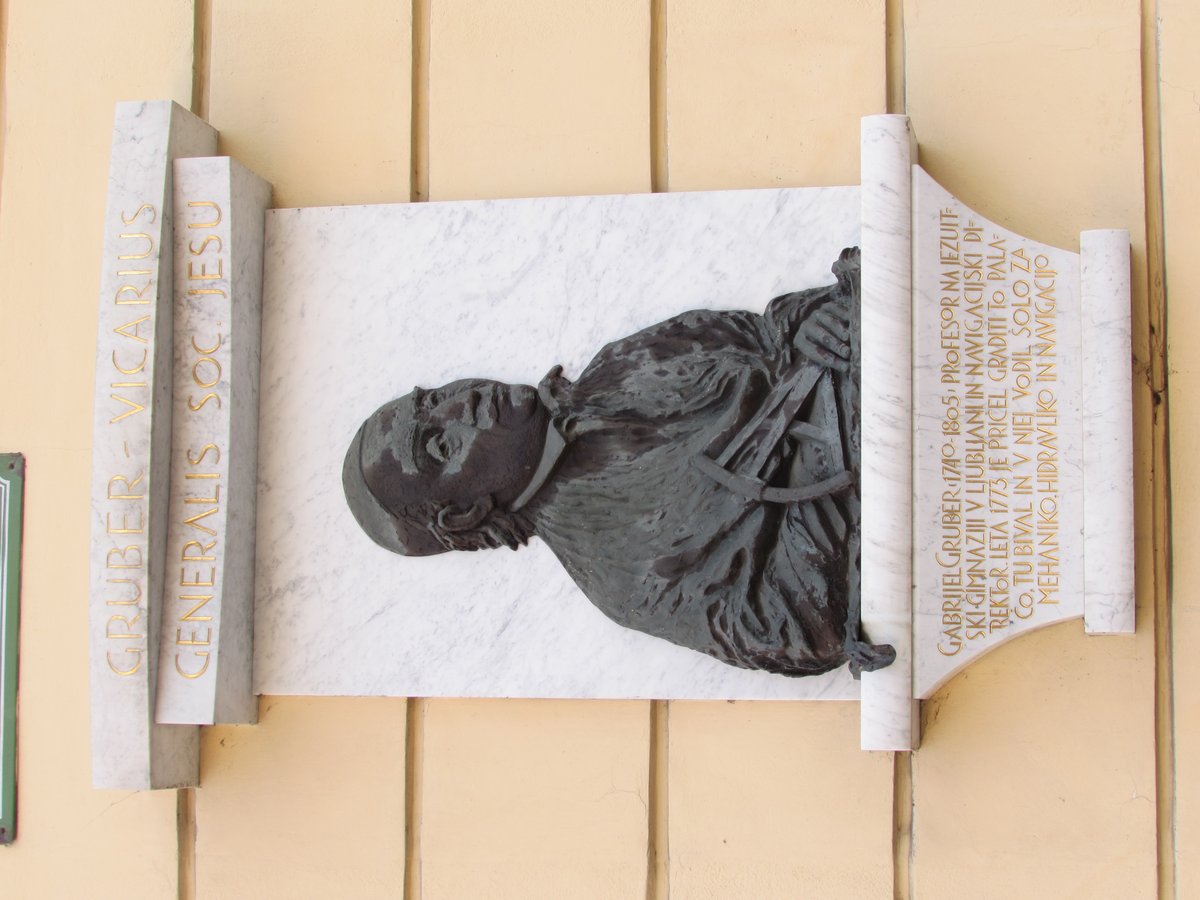
Gruber Palace was envisioned and constructed by Gabriel Gruber, a Jesuit polymath renowned for his expertise in hydraulics and mechanics. The building’s original purpose was to house the School of Hydraulics and Mechanics, making it a pioneering institution for water management and engineering studies during the Enlightenment (gov.si). The palace’s innovative design and strategic location near the Ljubljanica River highlight its dual function as a practical research hub and a symbol of scientific advancement.
Gruber’s broader impact on Ljubljana includes the engineering of the Gruber Canal (Grubarjev prekop), constructed between 1772 and 1780, which remains a vital part of the city’s flood management infrastructure.
Architectural and Artistic Heritage
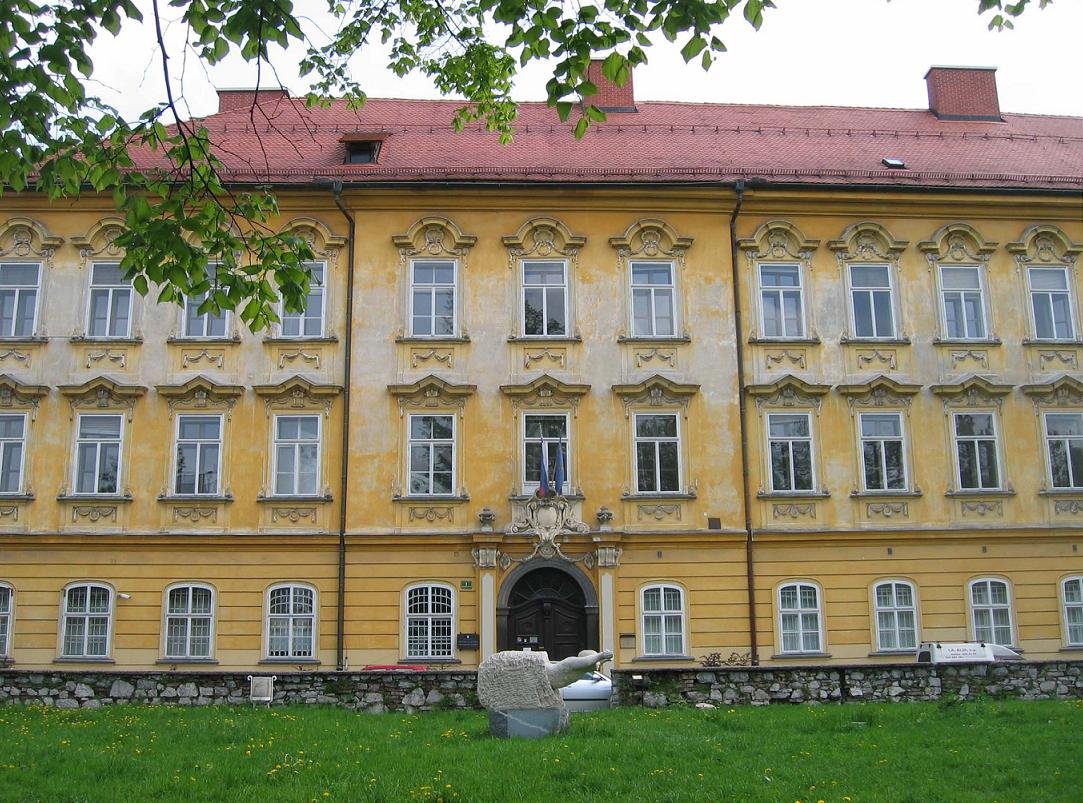
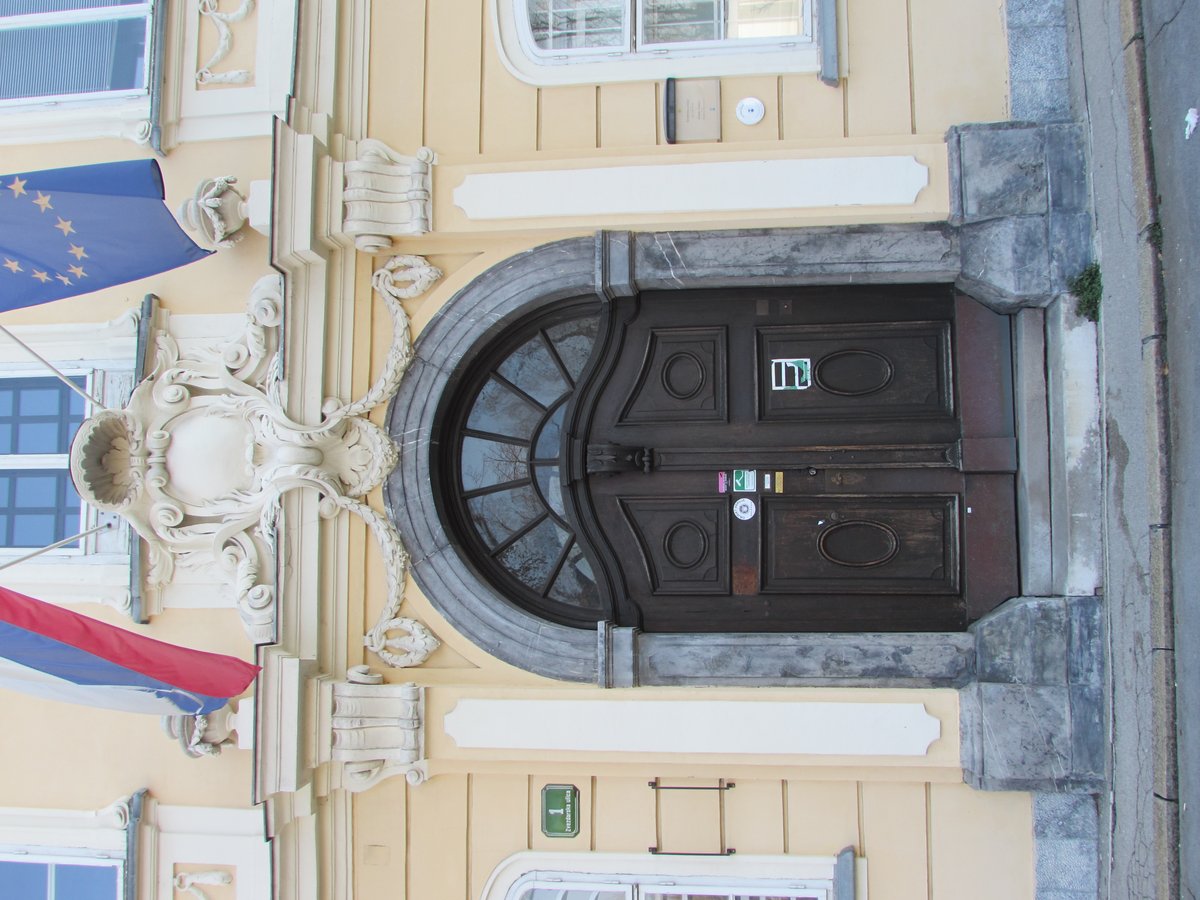
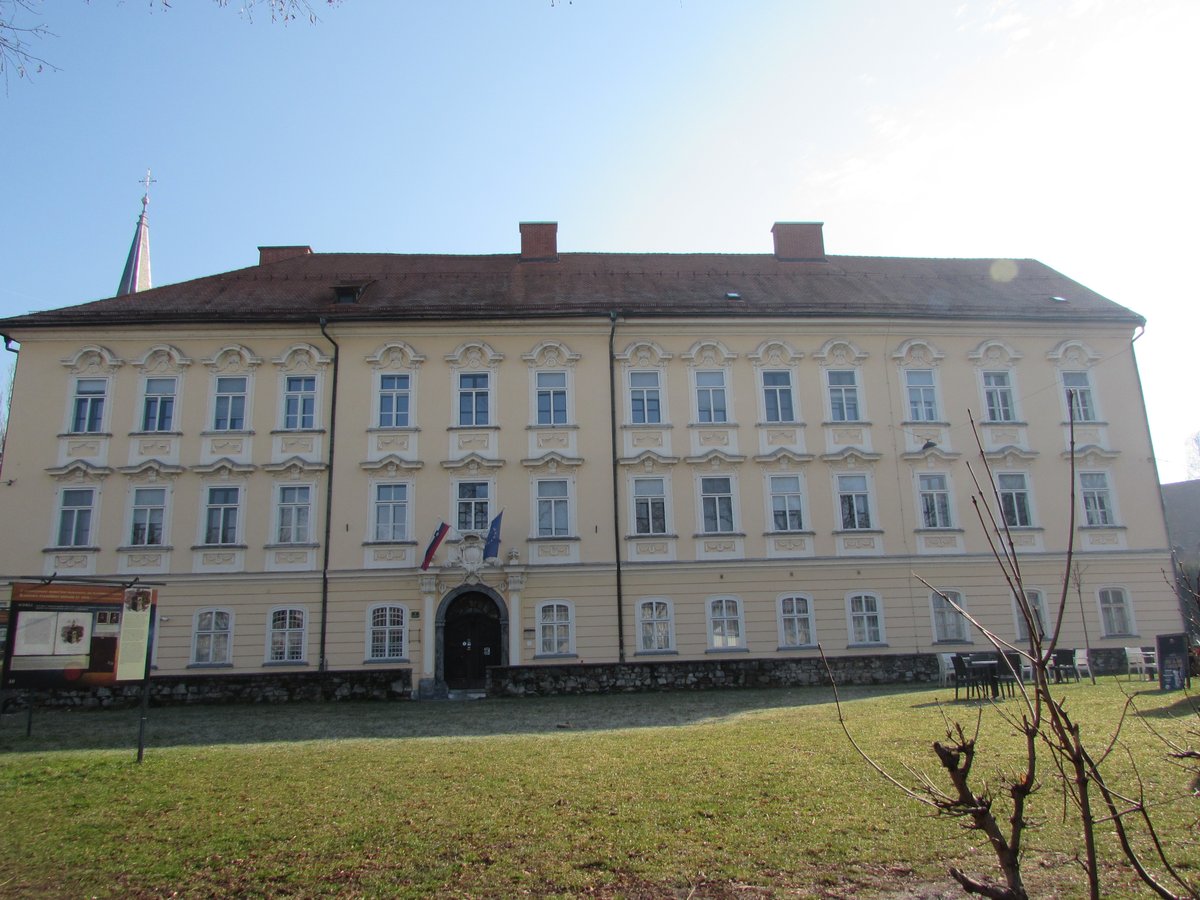
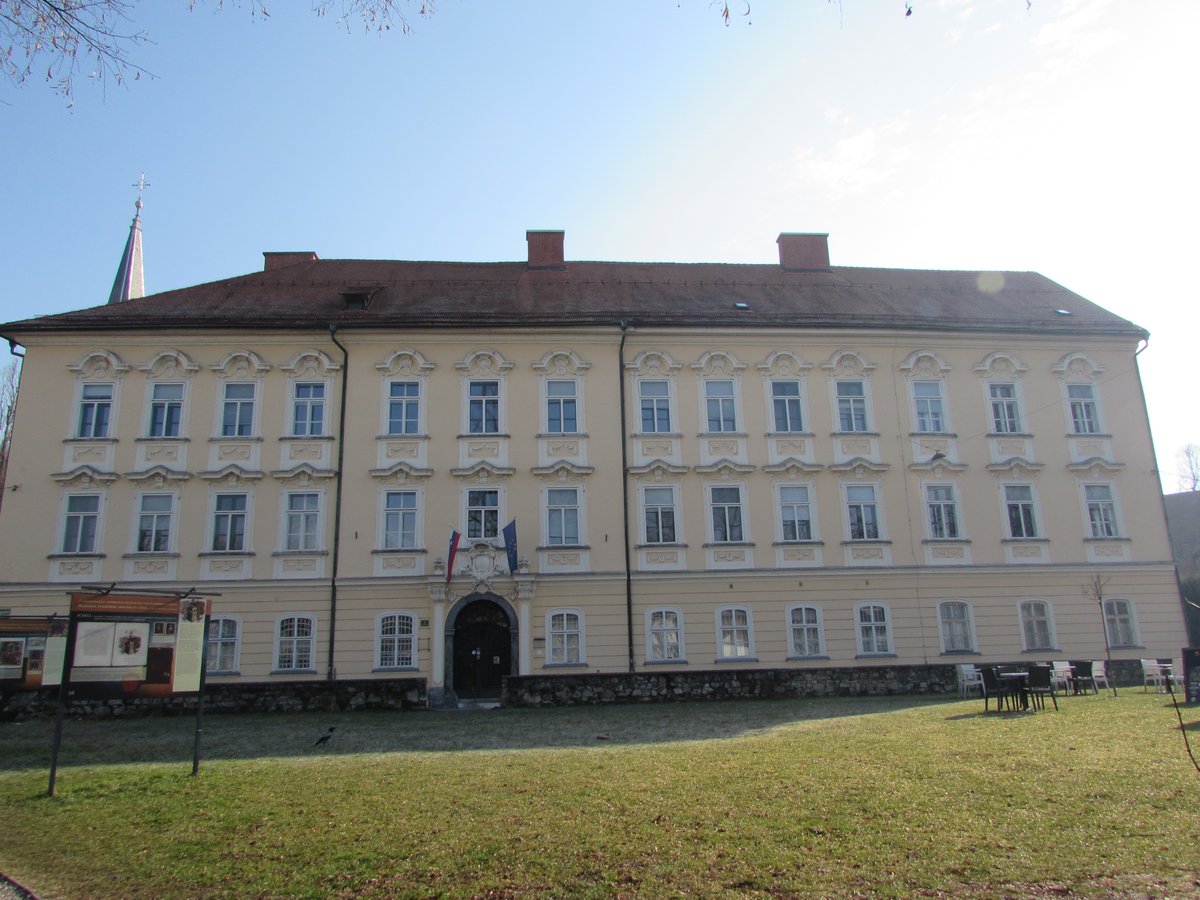
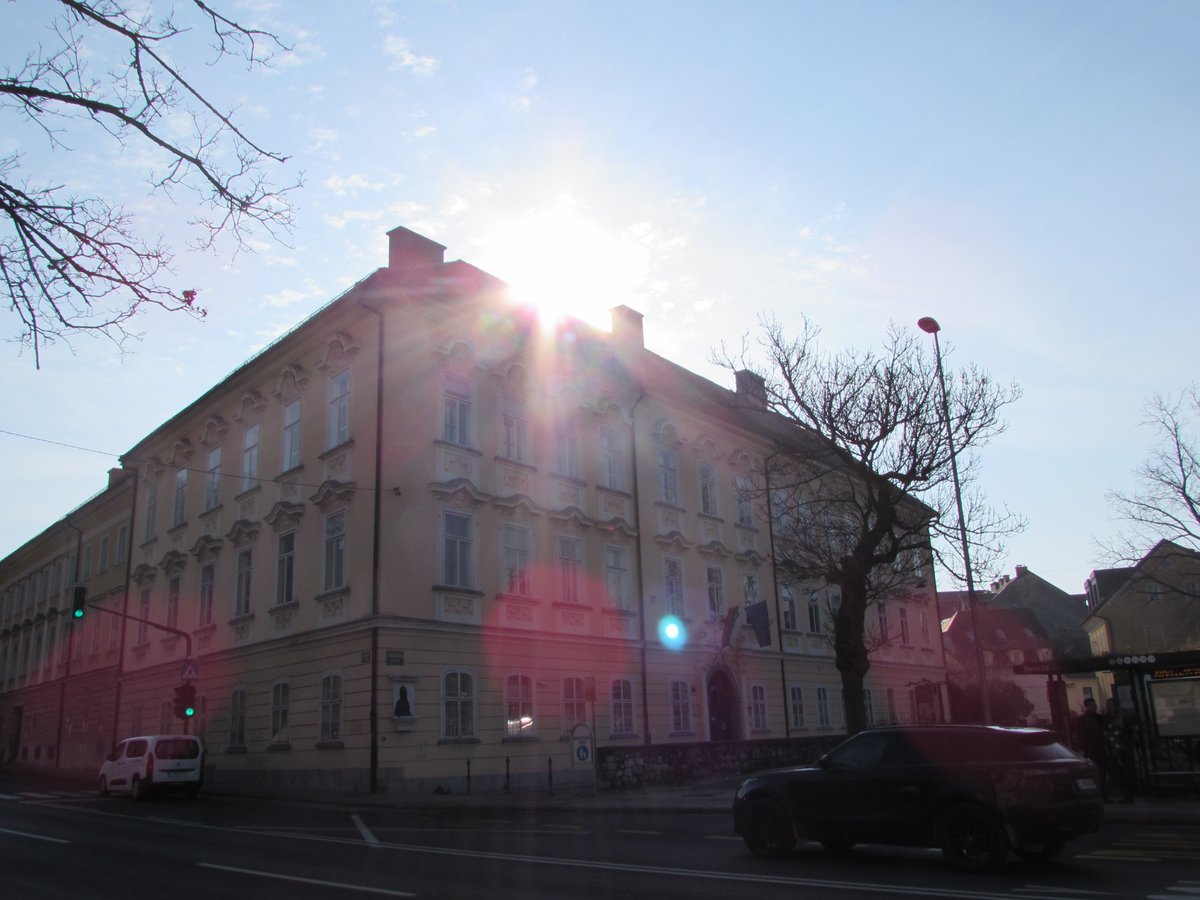
Gruber Palace stands as a testament to late Baroque elegance with subtle Rococo flourishes. The two-story façade features braided stucco decorations and a noble stone portal, while the central avant-corps projects gracefully, enhancing the building’s grandeur.
Key Features:
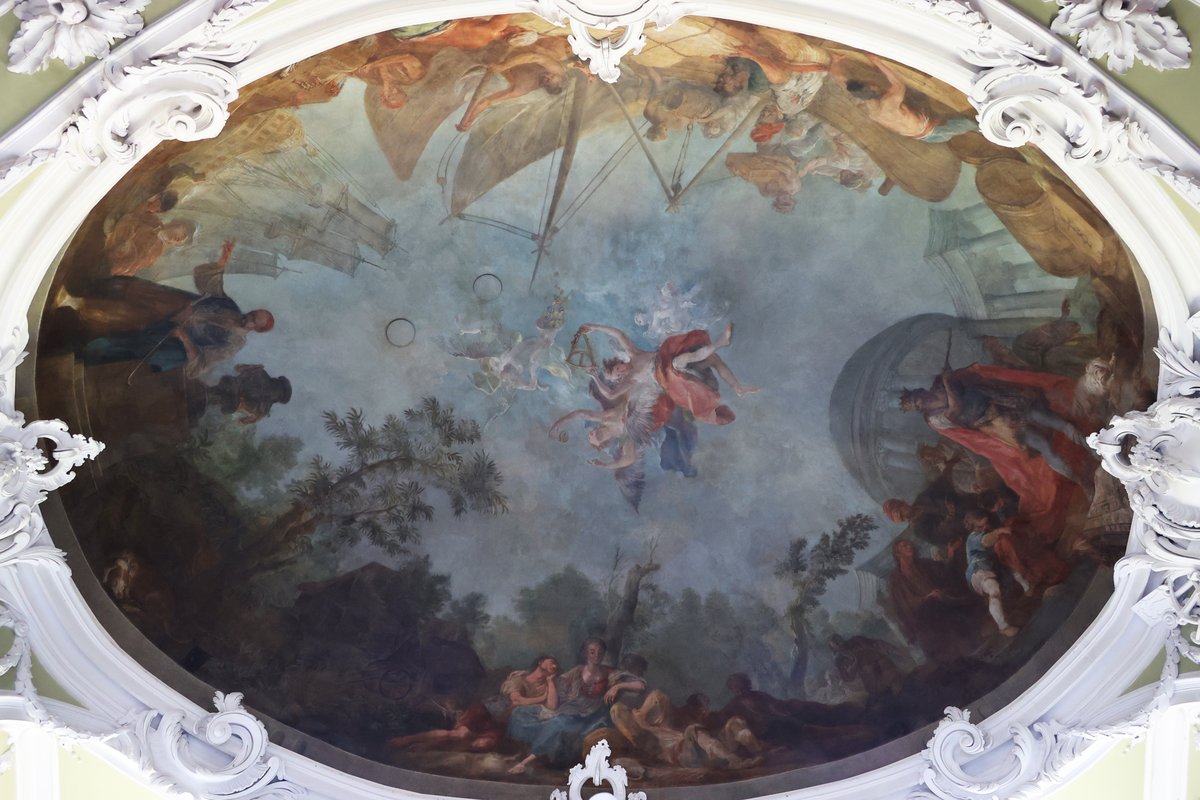
- Oval Staircase: The palace’s centerpiece is its oval staircase, adorned with Rococo pastel colors and intricate stucco. The domed ceiling, painted by Andrej Herrlein in 1786, depicts allegories of trade, crafts, and technology.
- Private Chapel: On the first floor, the chapel glows with golden Rococo stucco and paintings by Kremser-Schmidt, reflecting the palace’s religious and artistic heritage.
- Reading Room: The reading room preserves paintings from the early 19th century, illustrating evolving artistic tastes.
- Exterior and Grounds: Although the original Baroque garden no longer exists, the palace’s orientation and design continue to embody the harmony between architecture and landscape (Open House Slovenia).
Historical Functions and Transformations
Since its inception, Gruber Palace has adapted to Ljubljana’s changing needs. Initially serving as a hub for scientific education, it later became a private residence and administrative center. In the 19th century, additions like the Virant House and a new southern wing altered the original symmetry, reflecting successive architectural tastes and practical requirements.
By the late 20th century, the palace underwent significant renovations, notably in the 1970s and 1990, to preserve its historical and artistic features (gov.si).
Role as the Archives of the Republic of Slovenia
A defining chapter for Gruber Palace began when it became the seat of the National Archives of Slovenia. Until autumn 2024, the palace safeguarded invaluable documents tracing Slovenia’s history over centuries (gov.si). The archives evolved from a museum component to an independent institution, underscoring the palace’s role as a guardian of national memory and a focal point for researchers and cultural scholars.
Visiting Gruber Palace: Hours, Tickets, and Tours
Opening Hours
- Gruber Palace is typically open to the public during special events, open days, and by prior arrangement. Standard opening times are Tuesday–Sunday, 10:00 AM–6:00 PM, with last admission at 5:30 PM. It is closed on Mondays and national holidays. Always verify current hours on the official website or via local tourist information.
Tickets and Admission
- General Admission: Free of charge for most visits. Special exhibitions or guided tours may incur a nominal fee.
- Guided Tours: Available by request and during special events, offering in-depth insights into the palace’s history and architecture. Advance booking is recommended.
Accessibility
- Accessibility is partial due to historic features. Visitors with mobility needs should contact the administration ahead of time for detailed information.
Visitor Tips
- Wear comfortable footwear for cobblestone streets.
- Spring and early autumn offer pleasant weather and lighter crowds.
- Public transport and parking are available nearby.
Nearby Attractions and Travel Tips
Gruber Palace’s central location makes it an ideal starting point for exploring Ljubljana’s historical and cultural highlights. Notable nearby sites include:
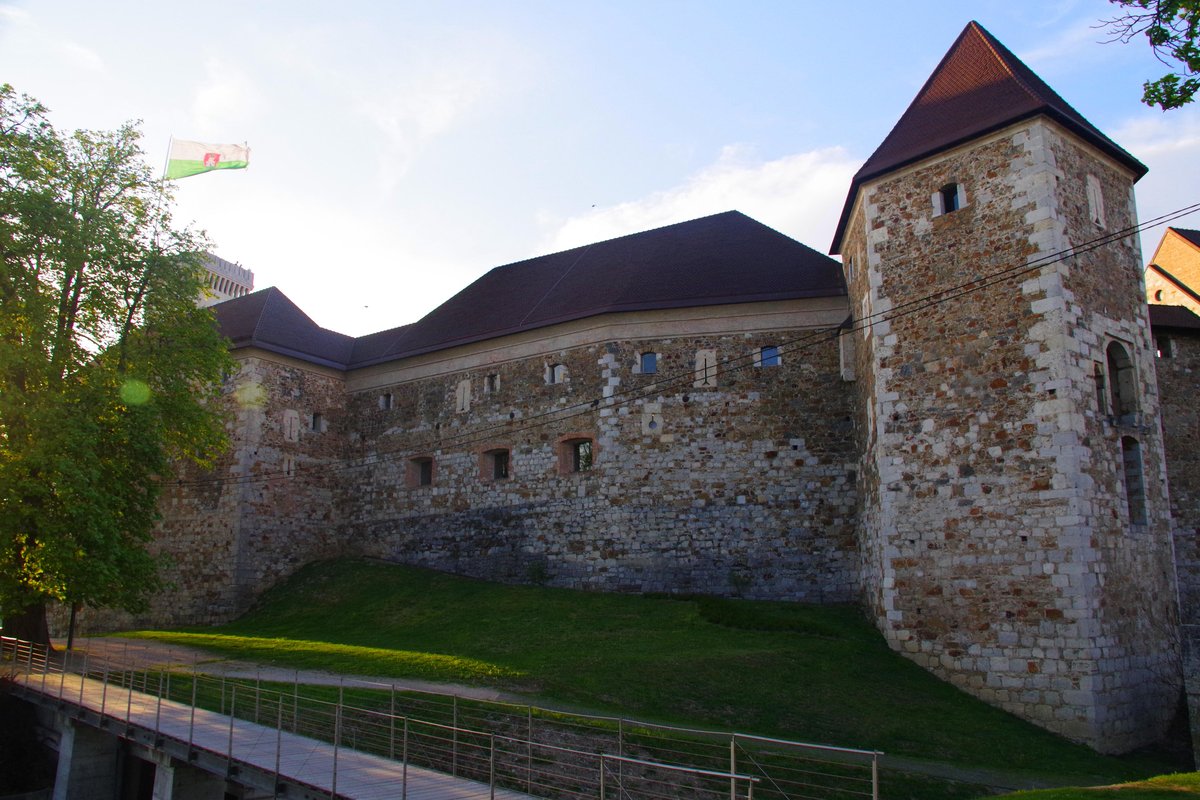
- Ljubljana Castle: Hilltop fortress with panoramic city views.
- Town Hall and Central Market: Showcasing vibrant local life.
- Dragon Bridge and Ljubljanica River: Iconic city symbols.
- Botanical Garden: One of Europe’s oldest, across the Gruber Canal.
Combining these attractions with a visit to Gruber Palace enriches your experience of Ljubljana’s layered heritage (HikersBay Ljubljana Guide).
Visual and Interactive Highlights
For a richer experience, access virtual tours, high-quality images, and interactive maps via official websites and tourism platforms. Notable visuals include:
- The grand oval staircase with Herrlein’s fresco (“Gruber Palace Baroque Stairwell Fresco in Ljubljana”)
- The Kremser-Schmidt chapel paintings (“Kremser-Schmidt Chapel Paintings at Gruber Palace”)
- The palace’s Baroque façade
Interactive maps help visitors plan itineraries among Ljubljana’s historical sites (Open House Slovenia).
Gruber Palace in Ljubljana’s Urban and Cultural Context
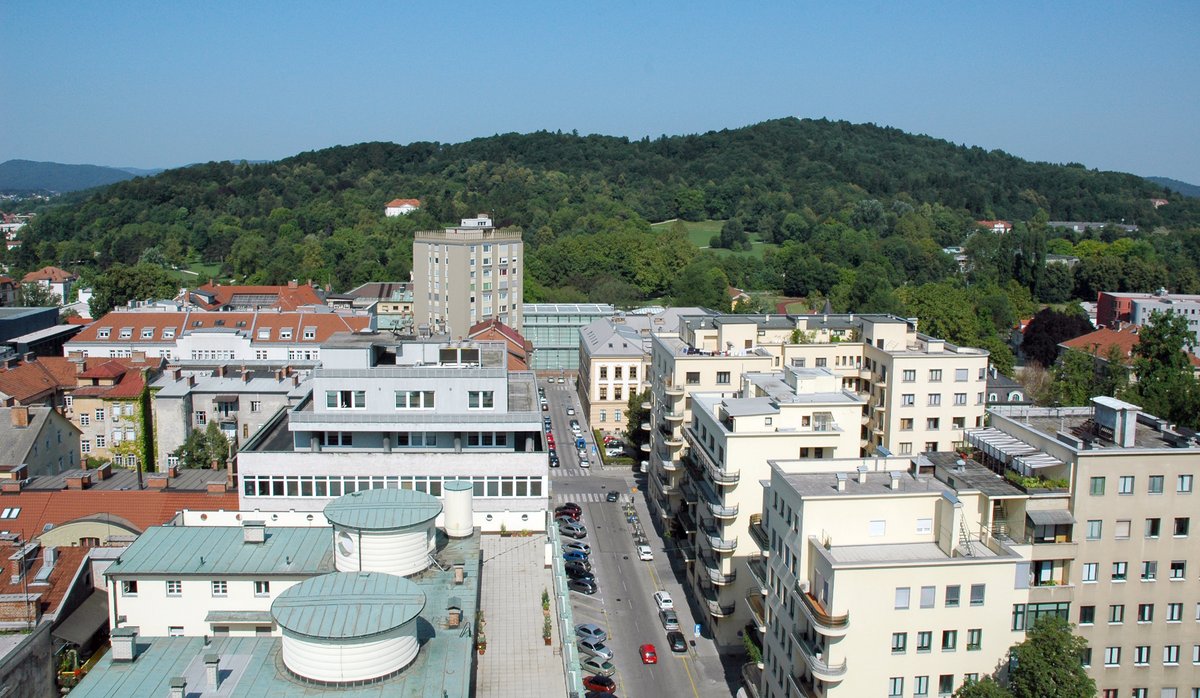
Gruber Palace is a distinguished element within Ljubljana’s historic core, contributing to the city’s unique blend of Italian, Austrian, and Slovenian architectural influences (livingnomads.com). Its proximity to the Ljubljanica River and integration in urban walking routes make it a focal point for both locals and tourists. The palace also features in many guided cultural tours, emphasizing its role in the city’s broader narrative of development and artistic synthesis.
Preservation, Restoration, and Modern Use
The preservation of Gruber Palace has been a consistent priority. Restoration projects in the late 20th and early 21st centuries have maintained the building’s Baroque integrity while adapting to evolving uses, including its function as the National Archives. Following the archives’ relocation in autumn 2024, the palace is slated for further cultural and heritage use, promising continued stewardship and public engagement (gov.si).
Frequently Asked Questions (FAQ)
What are the visiting hours of Gruber Palace?
The palace is open Tuesday to Sunday, 10:00 AM–6:00 PM (last admission 5:30 PM), mainly during special events or by appointment. Confirm current schedules online.
Is there an entry fee?
General admission is free, but special exhibitions or guided tours may require a ticket.
Are guided tours available?
Yes, guided tours are offered during open days or by prior arrangement. Advance booking is advised.
Is Gruber Palace accessible for visitors with disabilities?
Accessibility is limited; contact the administration for details.
Where can I buy tickets or book tours?
Through the official Archives website or local tourist centers.
What other Ljubljana historical sites can I visit nearby?
Ljubljana Castle, Town Hall, Dragon Bridge, and the Central Market are all within walking distance.
External Links
- Gruber Palace on Open House Slovenia
- Gruber Palace Wikipedia
- Archives of the Republic of Slovenia News
- Jožef Stefan Institute - Gruber Palace
Listen to the full story in the app
The whole Gruber Palace,
told well.
Audio guides for 1,100+ cities across 96 countries. History, stories, and local insight — offline ready.
Verified, and shown.
Researched and written by the Audiala editorial team from historical records, architectural archives, and local expertise.
Researched from Wikidata, Wikipedia & official sources · fact-checked · How we make our guides →