Plan and listen to Fužine Castle with Audiala.
Audio guide in your pocket, itinerary in your browser. Built for the way you actually visit.
Introduction
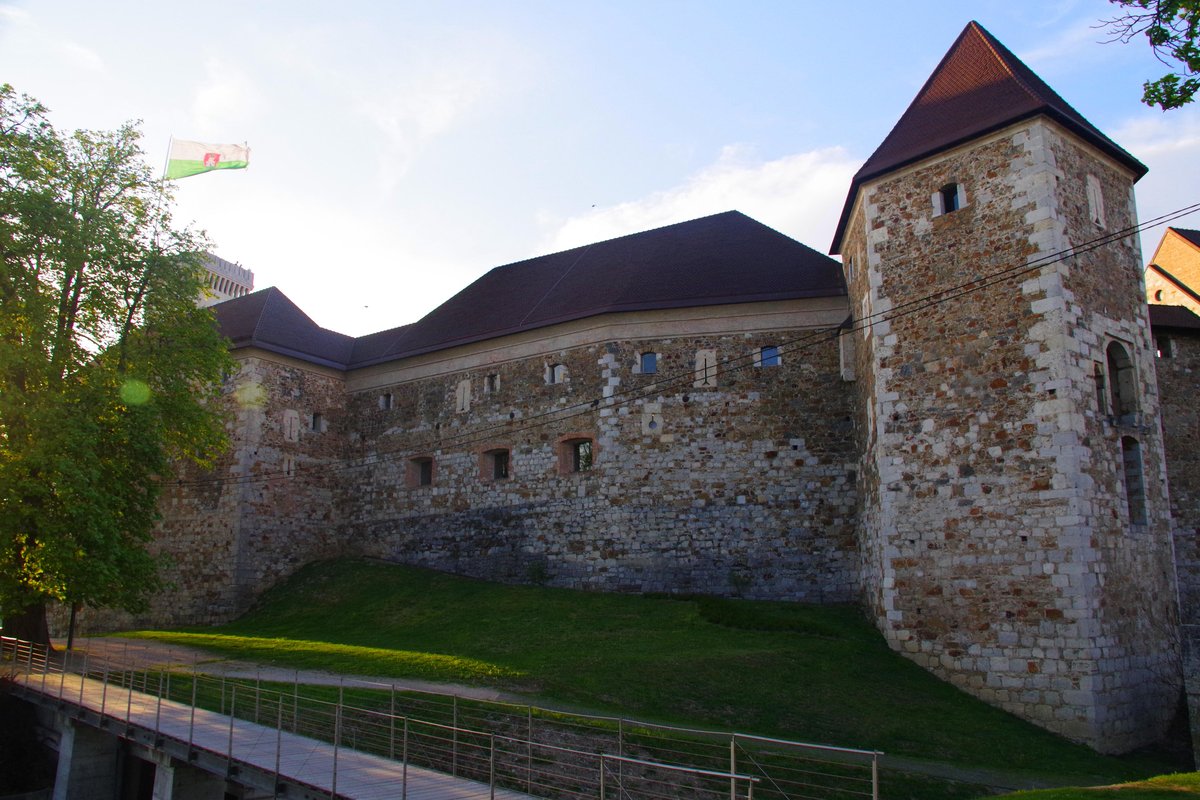
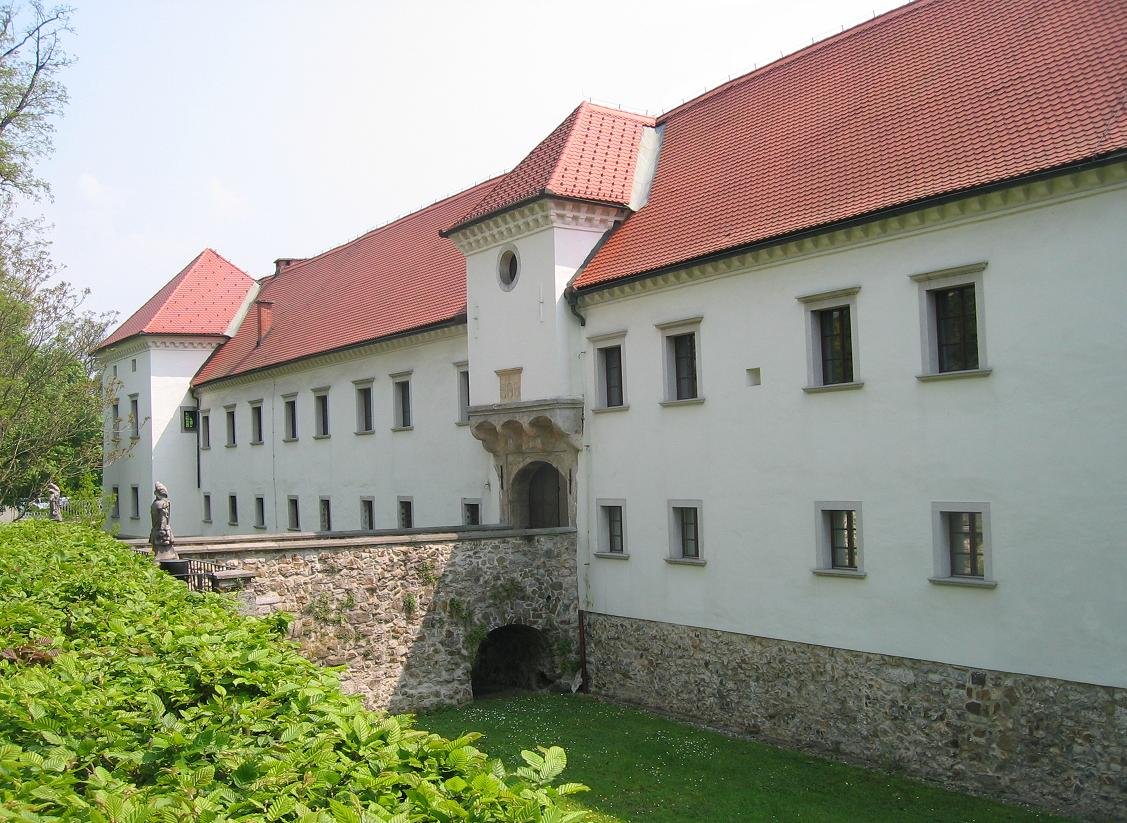
Fužine Castle, nestled in Ljubljana’s Fužine district, is a captivating Renaissance monument that traces the evolution of Slovenia’s architectural, industrial, and cultural heritage. Built in the 16th century by the Khisl family, the castle stands out not only for its architectural features—four cylindrical corner towers and a grand arcaded courtyard—but also for its remarkable transformation from a noble residence and industrial center to the vibrant home of the Museum of Architecture and Design (MAO). Unlike typical hilltop fortresses, Fužine Castle was innovatively constructed on flat terrain, reflecting its administrative and residential functions, and its very name—derived from the Italian “fucina” (forge)—underscores a historic connection with the region’s once-thriving ironworking industry (visitljubljana.com).
Today, Fužine Castle is a living monument, housing permanent and temporary exhibitions, hosting Slovenia’s prestigious Biennial of Design (BIO), and welcoming visitors with accessible facilities and a full calendar of events. Whether you are passionate about history, architecture, or contemporary design, this guide will provide everything you need to make the most of your visit—covering historical context, practical visitor information, comparative insights, and tips for an enriching experience.

Renaissance Foundation
Constructed from 1528 to 1557 under the direction of Hans Khisl, Fužine Castle epitomizes the Renaissance ideal in Slovenian architecture. Its rectangular ground plan features four robust cylindrical towers, enclosing a spacious arcaded courtyard at the center. The main entrance is marked by a striking stone portal bearing the Khisl family crest, emphasizing both noble prestige and the castle’s function as an administrative hub. The layout prioritizes comfort and status over defense, a rarity among Slovenian castles of the period (visitljubljana.com).
Design and Functionality
The original structure was meticulously planned: storage and workshops occupied the ground floor, while living quarters and reception halls were arranged above. Large Renaissance windows and arcaded walkways ensured abundant light and fostered a sense of openness. The castle’s thick walls provided security during uncertain times, but its flatland location and integration with the Ljubljanica River reveal its industrial ambitions from the outset.
Baroque and Industrial Transformations
Throughout the 17th and 18th centuries, successive owners introduced Baroque flourishes—stucco decorations, larger windows, and interior refurbishments—reflecting changing tastes and social aspirations. Defensive features gradually gave way to comfort and aesthetics, while the landscaped gardens mirrored Baroque ideals of symmetry and order.
In the 19th century, the castle’s proximity to the river and its historic role in ironworking fostered a new identity as an industrial hub. Auxiliary structures were added, and the castle’s spaces were repurposed for offices, workshops, and storage. These changes imbued Fužine Castle with a layered character, symbolizing Slovenia’s broader transition from feudal society to industrial modernity (visitljubljana.com).
20th-Century Decline and Modern Revitalization
Following World War II, Fužine Castle fell into neglect, serving variously as housing and storage. Many original features deteriorated or were lost. However, a renewed appreciation for the castle’s historic and cultural value prompted extensive restoration in the late 20th century. Restoration efforts reconstructed key architectural elements—particularly the Renaissance and Baroque features—guided by thorough historical and archaeological research (visitljubljana.com).
The Museum of Architecture and Design (MAO)
Since 1992, Fužine Castle has been home to the Museum of Architecture and Design (MAO), Slovenia’s leading institution dedicated to architecture, design, urban planning, and photography. MAO curates over 80,000 objects, organizes the internationally renowned Biennial of Design (BIO), and hosts a dynamic program of exhibitions, workshops, and lectures. The museum also anchors the Centre for Creativity project, supporting Slovenia’s creative industries and fostering innovation.
Key Features:
- Central Courtyard: Hosts exhibitions, concerts, and public gatherings.
- Corner Towers: Preserved Renaissance masonry and roofing.
- Stone Portal: A rare example of 16th-century craftsmanship.
- Baroque Interiors: Restored stucco work and decorative ceilings.
- Photography Archives: Over 12,000 historical photographs.
These features make Fužine Castle not only a museum but an architectural and cultural experience in itself (mao.si).
Practical Visitor Information
Opening Hours
- Tuesday to Sunday: 10:00 AM – 6:00 PM
- Monday: Closed
- Public Holidays: Closed on major holidays; consult the official MAO website for updates.
Tickets and Admission
- Adults: €7
- Seniors/Students: €5
- Children under 7: Free
- Family and Group Rates: Available
- Free Admission: First Sunday of every month, International Museum Day, Summer Museum Night, and for qualifying visitors (preschool children, disabled, unemployed, ICOM card holders)
- Purchase: Online or at the entrance (MAO.si)
Accessibility and Facilities
- Wheelchair Access: Ramps and elevators in key areas.
- Restrooms: Modern, including accessible facilities.
- Parking: Free lot adjacent to the castle, with overflow along the access road.
- Wi-Fi: Free for visitors.
- Gift Shop: Slovenian design products.
- Cloakroom: Available.
- Guide Dogs: Welcome.
Guided Tours and Events
- Regular English Tours: Last Saturday of each month at 11:00 AM; advance booking recommended.
- Private Group Tours: Available in multiple languages by arrangement.
- Special Events: BIO Biennial, workshops, lectures, and cultural festivals (MAO events page).
Getting There
- Address: Rusjanov trg 7, 1000 Ljubljana, Slovenia
- By Bus: Lines 20, 22, 12, and 14 stop nearby.
- By Car: Free parking available.
- By Bicycle: Bike-friendly routes and racks at the entrance.
- Walking: Pleasant riverside stroll from city center (45–60 minutes).
What to See and Do
- Explore the Museum: Permanent and temporary exhibitions on architecture, design, and photography.
- Stroll the Courtyard and Park: Enjoy the Renaissance arcades and landscaped grounds.
- Attend Events: From international design biennials to local creative workshops.
- Photograph Highlights: The arcaded courtyard, corner towers, stone portal, and riverside views.
- Family Activities: Children’s workshops and interactive exhibits.
Comparative Analysis: Fužine Castle and Other Slovenian Castles
| Feature | Fužine Castle | Ljubljana Castle | Bled Castle | Predjama Castle |
|---|---|---|---|---|
| Era | 16th-century (Renaissance) | 11th–15th-century (Medieval/Baroque) | 11th-century (Medieval/Baroque) | 13th-century (Medieval, cave) |
| Main Function | Museum of Architecture & Design | Tourist attraction, museums, restaurants | Regional museum, events | Museum, adventure tourism |
| Setting | Urban neighborhood | Hilltop, city center | Cliff above lake | Built into cave |
| Visitor Focus | Design/architecture enthusiasts | General tourists, families | General tourists | Adventure/history tourists |
| Accessibility | Public transport, bike | Funicular, walk, car | Car, walk | Car, walk |
| Guided Tours | Monthly, English | Daily, multiple languages | Regular, multiple languages | Regular, multiple languages |
Key Differences:
- Fužine Castle stands out for its Renaissance plan, focus on design and architecture, and intimate setting.
- Ljubljana Castle dominates city views and caters to broad interests in history and gastronomy.
- Bled Castle is famous for its dramatic cliffside location and panoramic lake views.
- Predjama Castle offers a unique cave-castle adventure (Wandering Helene; Travelling King; Ljubljana.info; The Slovenia).
Community Engagement and Cultural Impact
Fužine Castle’s adaptive reuse and ongoing restoration exemplify best practices in heritage preservation. MAO’s educational programs, workshops, and events foster lifelong learning and community engagement, while the Biennial of Design and Centre for Creativity project connect Slovenian creative industries with the global stage. The museum’s photography and archival collections preserve visual and documentary evidence of Slovenia’s social, industrial, and architectural evolution (mao.si; culture.si).
Frequently Asked Questions (FAQ)
Q: What are Fužine Castle’s opening hours?
A: Tuesday to Sunday, 10:00 AM to 6:00 PM. Closed Mondays and on major public holidays. Check the MAO website for updates.
Q: How much does admission cost?
A: Standard adult tickets are €7; seniors and students €5; children under 7 enter free. Discounted and free admission available on select days.
Q: Are guided tours available?
A: Yes, in English (monthly) and other languages by arrangement. Reservations are recommended.
Q: Is Fužine Castle wheelchair accessible?
A: Yes, with ramps and elevators, and accessible restrooms.
Q: Where is Fužine Castle and how do I get there?
A: Address is Rusjanov trg 7, Ljubljana. Accessible by bus, car, bicycle, or on foot from the city center.
Q: Are the castle grounds free to visit?
A: Yes, the park and grounds are open; museum exhibitions require a ticket.
Discover More
- Official Website: https://mao.si/en/fuzine-castle/
- Visitor Information: Visit Ljubljana
- Contact: +386 (0)1 548 42 70 / 80 | [email protected]
- Address: Rusjanov trg 7, 1000 Ljubljana, Slovenia
Enhance Your Visit:
Download the Audiala app for guided audio tours and exclusive content. Follow MAO and Audiala on social media for the latest updates, insider tips, and cultural news.
Summary and Recommendations
Fužine Castle is a living testament to Ljubljana’s Renaissance roots, industrial heritage, and contemporary cultural dynamism. Visitors can explore centuries-old architectural features, immerse themselves in cutting-edge exhibitions, and enjoy accessible facilities in a tranquil riverside setting. Whether you are a design professional, student, family, or traveler, Fužine Castle offers a unique portal into Slovenia’s past and future. Plan your visit using the official resources, check for current exhibitions and events, and experience one of Ljubljana’s most rewarding historical sites.
Listen to the full story in the app
The whole Fužine Castle,
told well.
Audio guides for 1,100+ cities across 96 countries. History, stories, and local insight — offline ready.
Verified, and shown.
Researched and written by the Audiala editorial team from historical records, architectural archives, and local expertise.
Researched from Wikidata, Wikipedia & official sources · fact-checked · How we make our guides →