Plan and listen to Bokalce Castle with Audiala.
Audio guide in your pocket, itinerary in your browser. Built for the way you actually visit.
Introduction
Bokalce Castle (Slovene: Grad Bokalce) stands quietly on the southwestern edge of Ljubljana, offering a captivating window into Slovenia’s layered past and architectural evolution. While it may not boast the international fame of Ljubljana Castle, this Renaissance-Baroque manor is cherished locally for its unique blend of history, culture, and natural beauty. Overlooking the Gradaščica River and nestled near the Ljubljana Marshes, Bokalce Castle rewards curious travelers with tranquil grounds, scenic views, and a tangible sense of the region’s noble heritage.
This guide provides all the essential information for visiting Bokalce Castle, including its history, architectural features, visitor access, transport options, nearby attractions, and practical tips—helping you make the most of your trip to this hidden gem.
For further reading and up-to-date details, refer to reputable sources such as Wikipedia - Bokalce, Military History Fandom - Bokalce Castle, Trek Zone - Bokalce, and Visit Ljubljana - Official Tourism Site.

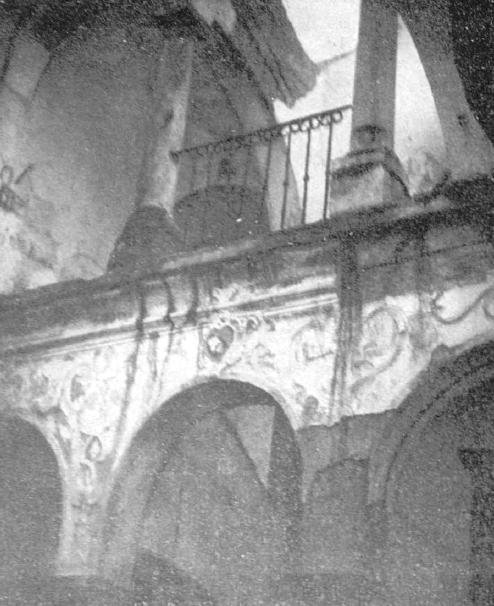
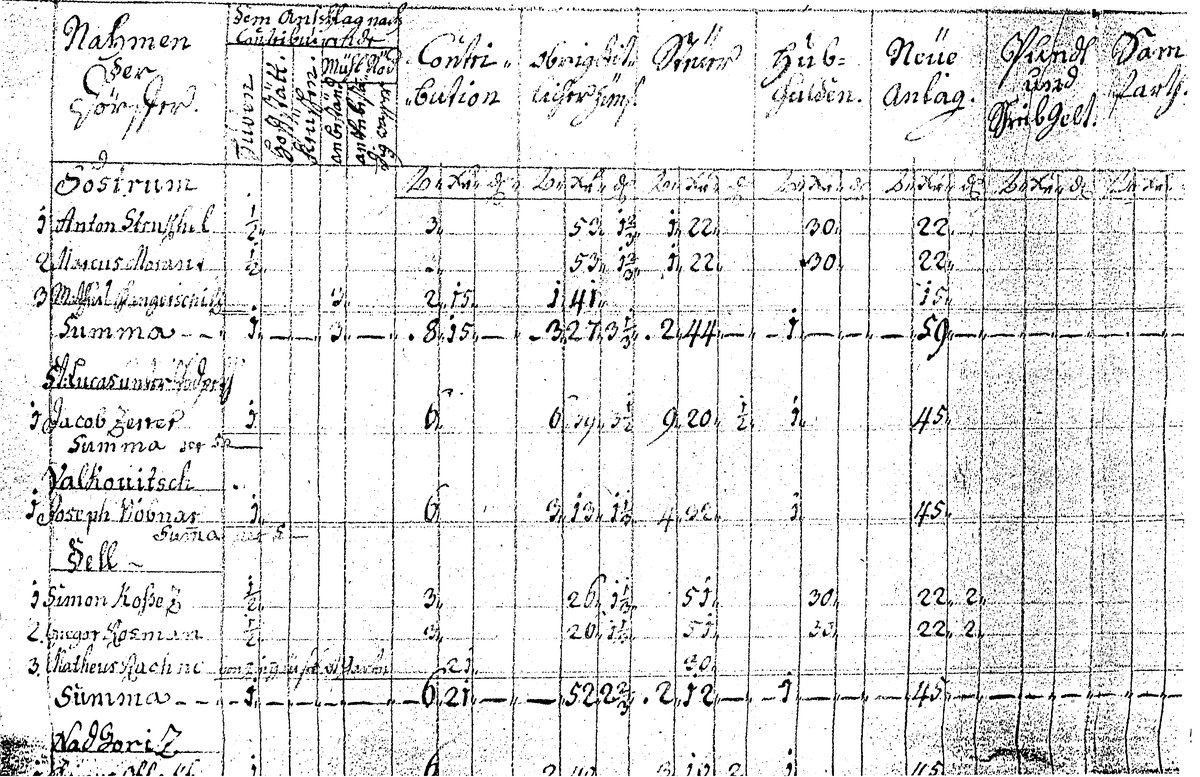
History and Cultural Significance
Early Origins and Name
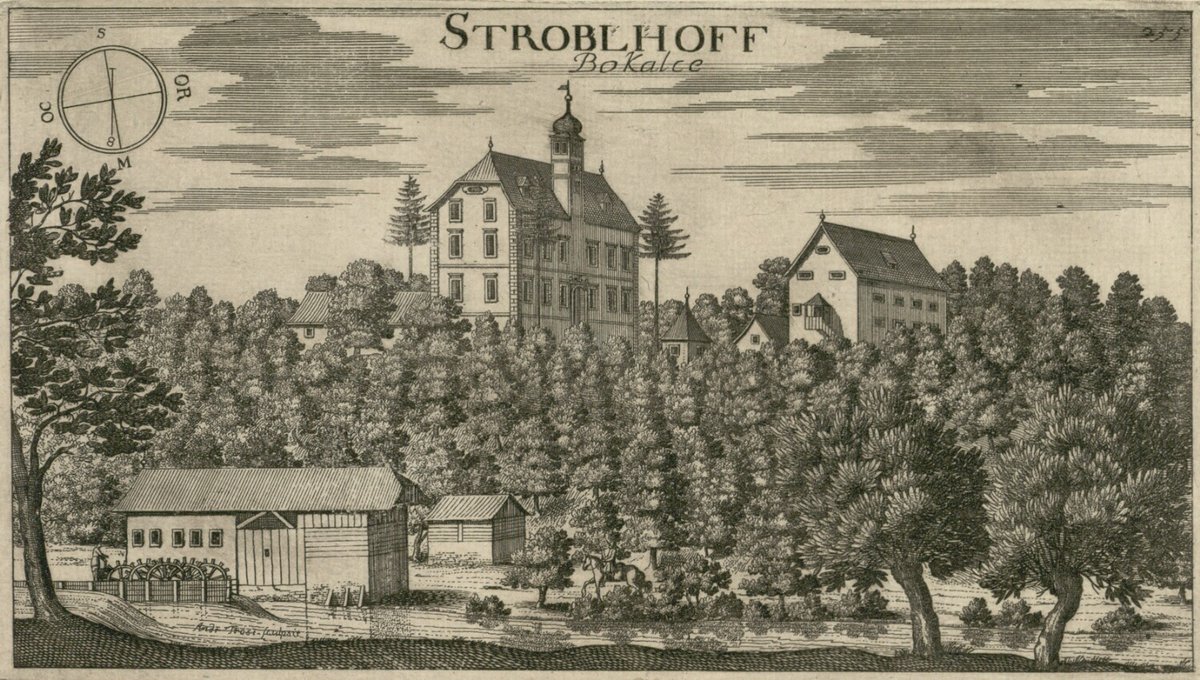
First documented in 1548 as "Wokhauez," Bokalce Castle’s etymology remains debated. Theories trace it to the surname "Kobal" (possibly linked to the Italian "Cavallo"), the Slovene word "bok" (meaning "hill end" or "protected place"), or "bukev" (beech tree). The castle’s earliest structures date to the late medieval period, with its strategic location on Utik Hill (312 meters above sea level) reflecting its defensive origins.
Strategic Setting and Construction
Positioned above the Gradaščica River and at the foot of Tičnica Hill, Bokalce Castle was ideally situated for overseeing trade routes and offering natural protection—traits typical of Slovenian castles. Its construction in the mid-16th century coincided with a period of widespread castle building in the region.
Ownership and Transformations
The castle changed hands among local nobility, most notably the Strobel family in the 17th century, who introduced significant Renaissance and Baroque upgrades. During the 19th and 20th centuries, Bokalce’s role shifted from noble residence to various adaptive uses, including a retirement home in 1939. It lost independent settlement status in 1953 and was incorporated into Ljubljana in 1961.
Role in Slovenian Heritage
Bokalce Castle embodies the evolution of Slovenian castles—from fortified medieval homes to aristocratic estates and, ultimately, protected historical monuments. Its story reflects broader national themes of feudalism, urban development, and heritage conservation.
Architecture and Estate Grounds
Exterior and Interior Features
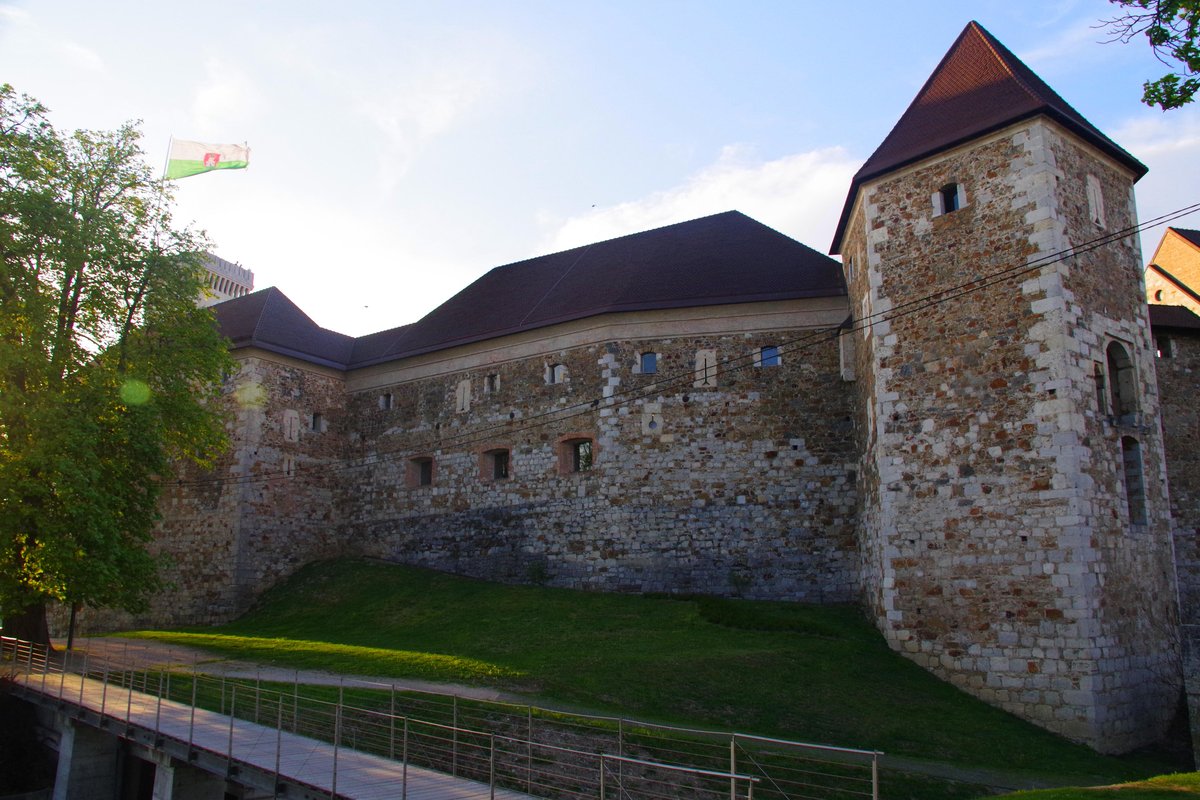
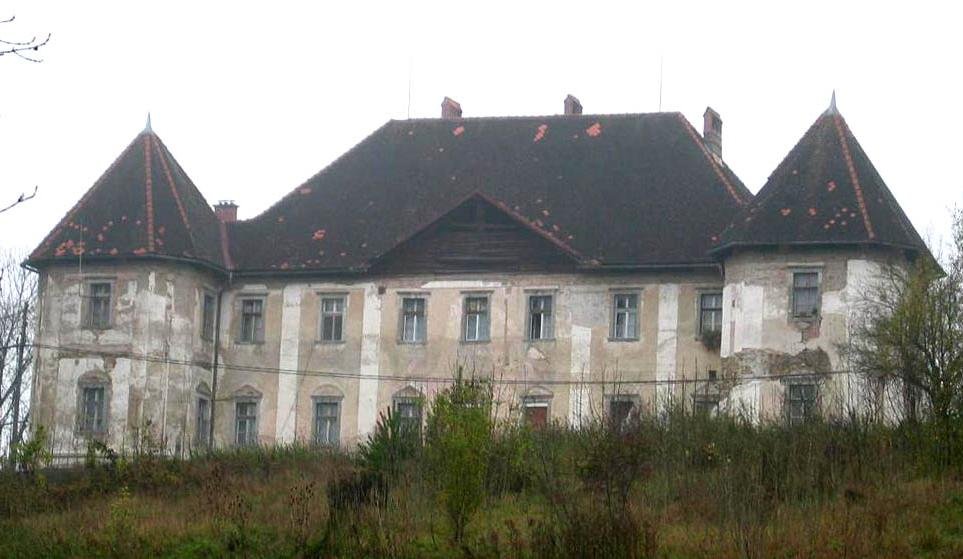
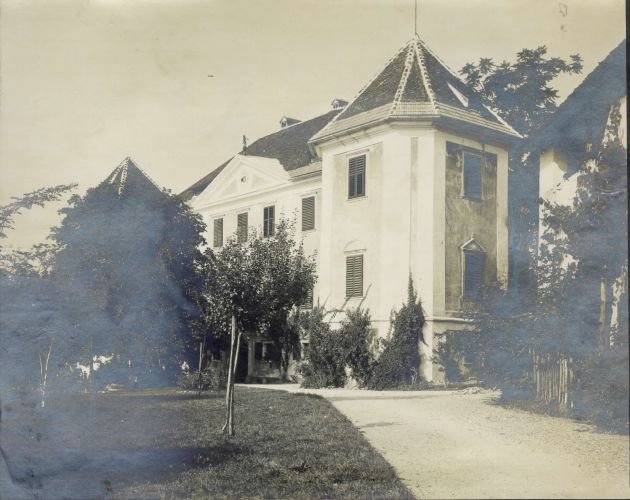
Bokalce Castle displays a harmonious blend of medieval fortification and later Renaissance-Baroque additions. Key features include:
- Thick stone walls and remnants of a moat, highlighting its defensive past.
- A rectangular ground plan with a central courtyard, typical of Slovenian manorial estates.
- Baroque facades, with pale plaster, red clay tile roofs, and decorative stone surrounds.
- Semi-circular corner tower with slit windows—combining aesthetics and function.
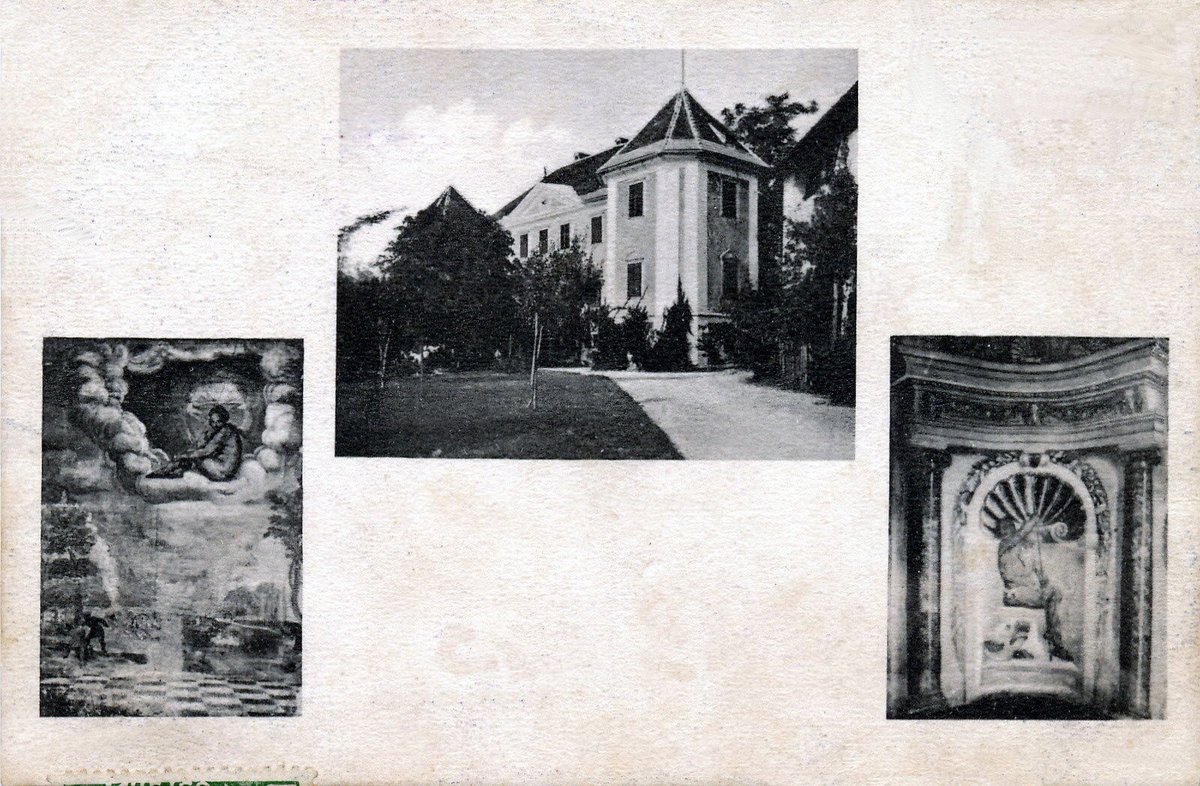
- Historic interiors (not open to public), reported to contain stucco ceilings, ornate fireplaces, and woodwork from the 18th century.
Outbuildings such as stables, granaries, and servants’ quarters once surrounded the manor, though most have not survived. The estate grounds feature mature chestnut and linden trees, the foundations of formal gardens, and a stone bridge over the former moat.
Restoration and Preservation
The castle experienced neglect and partial deterioration during the 20th century. Today, it is protected as a cultural monument of local significance and is the subject of ongoing restoration and adaptive reuse plans (Trek Zone).
Visitor Information
Visiting Hours and Tickets
- Castle Interiors: Generally closed to the public; no regular guided tours.
- Castle Park and Grounds: Open year-round, free of charge, with no official closing times.
- Tickets: Not required for the grounds; no entry fees for exterior visits.
- Special Events: Occasional open days or cultural events may permit limited interior access. Check with Visit Ljubljana or local heritage organizations for updates.
Accessibility
- Grounds: Accessible via paved and gravel paths; suitable for most visitors, though uneven terrain exists.
- Castle Building: Not wheelchair accessible due to historic structure.
- Families: Children welcome (supervise near castle walls); cycling allowed on park paths but not immediately around the castle.
How to Get There
- By Public Transport: City bus lines 6B and 14 (direction Vič or Bokalce) stop within walking distance of the castle.
- By Car: Limited parking near the Bokalce residential area; avoid blocking driveways.
- By Bicycle: Dedicated bike paths connect central Ljubljana to Bokalce for a scenic ride.
Facilities and Amenities
- On-site: No cafés, restaurants, souvenir shops, or public restrooms at the castle.
- Nearby: Amenities available in Vič and Trnovo districts.
- Park: Benches and shaded areas for picnics and relaxation; dog-friendly (leash required).
Safety and Codes of Conduct
- Safety: Ljubljana is one of Europe’s safest cities (EFA Ljubljana Practical Information); standard precautions advised.
- Respect: Do not climb on walls, damage vegetation, or litter. Drones require prior authorization from heritage authorities.
Nearby Attractions and Activities
- Klobuk Hill: Offers hiking and panoramic views of the Ljubljana Marshes (Pot na Klobuk reviews).
- Ljubljana Marshes Nature Park: UNESCO World Heritage Site with birdwatching and cycling trails.
- Ljubljana Zoo, Koseze Pond, Tivoli Park, and Rožnik Hill: All within easy reach for an extended day out.
- Cultural Sites: Combine your visit with Ljubljana Castle, the National Gallery, or nearby Baroque churches.
FAQs
Q: What are the visiting hours for Bokalce Castle?
A: The grounds are open year-round, with no official closing times. The castle interior is generally not accessible to the public.
Q: Is there an entry fee or are tickets required?
A: No; access to the grounds and park is free.
Q: Are guided tours available?
A: Regular tours are not offered, but special events may include guided access. Check with Visit Ljubljana.
Q: Is the castle wheelchair accessible?
A: The park is partially accessible; the building itself is not.
Q: What amenities are available on-site?
A: There are no restrooms, cafés, or shops—plan accordingly.
Practical Tips for Visitors
- Best Time to Visit: Spring and autumn for mild weather; summer is warm, winter may be less comfortable (KimKim).
- What to Bring: Comfortable walking shoes, water, snacks, and camera.
- Health and Safety: Carry required medications; emergency services at 112.
- Respect Residents: The castle is adjacent to private homes—do not trespass.
Summary and Encouragement to Explore
Bokalce Castle is a testament to Ljubljana’s rich historical and architectural legacy, blending centuries-old nobility with the city’s contemporary cultural fabric. Its scenic grounds, peaceful atmosphere, and proximity to natural and urban attractions make it an ideal destination for locals and visitors alike. Ongoing preservation ensures that Bokalce remains a living part of Slovenia’s heritage.
For updates on events, restoration, or rare guided tours, consult official tourism resources like Visit Ljubljana and Trek Zone - Bokalce. Don’t forget to download the Audiala app for offline guides and local tips.
Plan your visit and experience a unique piece of Ljubljana’s noble past—Bokalce Castle awaits your discovery!
Listen to the full story in the app
The whole Bokalce Castle,
told well.
Audio guides for 1,100+ cities across 96 countries. History, stories, and local insight — offline ready.
Verified, and shown.
Researched and written by the Audiala editorial team from historical records, architectural archives, and local expertise.
Researched from Wikidata, Wikipedia & official sources · fact-checked · How we make our guides →