Historical Development of the Slovak University of Agriculture in Nitra
Early Roots and Founding (1941–1952)
Agricultural education in Slovakia began in the early 1940s with the establishment of specialized departments at the Slovak Technical University in Bratislava. In 1946, the University of Agricultural and Forest Engineering (UAFE) was founded in Košice, laying the groundwork for future agricultural sciences education (Slovak University of Agriculture History).
By 1952, UAFE was reorganized, resulting in the creation of the University of Agriculture in Nitra and the University of Forestry and Wood Technology in Zvolen. This positioned Nitra as Slovakia’s primary center for agricultural education—a role it continues to fulfill (Slovak University of Agriculture History).
Institutional Growth and Academic Recognition
The university initially comprised the Faculties of Agronomy and Animal Husbandry. Over the years, it expanded:
- 1969 Faculty of Agricultural Engineering introduced.
- 1995–2003 Further faculties established, such as Horticulture and Landscape Engineering, Agrobiology and Food Resources, Biotechnology and Food Sciences, and European Studies and Regional Development.
- 2010 SUA became the first Slovak university to receive the European Commission’s ECTS Label (renewed in 2013) and holds the Diploma Supplement Label, underscoring its adherence to European educational standards.
Today, SUA offers 90 academic programs (12 in English) and boasts over 90,000 alumni. Its research profile was enhanced by the opening of the AgroBioTech Research Centre in 2015 (Slovak University of Agriculture History).
Architectural Highlights of the SUA Campus
Site Selection and Construction
The current SUA campus was constructed in the late 1950s on the site of a former local airport along the Nitra River. Its design marked a departure from the rigid Socialist Realist style, embracing international modernist trends comparable to those in Brasília (Architectural Overview).
Key Architectural Features
- Main Hall Characterized by an open, light-filled design with extensive glass and concrete, representing post-war optimism and transparency.
- Pavilion Layout Separate faculty buildings arranged to encourage social and academic interaction.
- Green Spaces Thoughtfully landscaped to foster a sustainable, community-oriented atmosphere (Architectural Overview, Slovak University of Agriculture History).
Preservation and Modernization
The university has preserved much of its original modernist character while integrating state-of-the-art facilities like the AgroBioTech Research Centre. Ongoing restoration and modernization efforts maintain the campus as both a functioning academic environment and an architectural heritage site (Slovak University of Agriculture History).
Practical Visitor Information
Visiting Hours and Tickets
- Campus Grounds Open daily, 8:00 AM – 6:00 PM.
- Building Access Varies by faculty—check the official contacts page for specific times.
- Tickets Entry to campus grounds is free. Guided tours and special exhibitions may charge a fee; advance inquiry is recommended.
Guided Tours and Events
- Guided Tours Available for groups, academic delegations, and architecture enthusiasts. Book in advance via the university’s contact channels.
- Events SUA hosts public lectures, conferences, and exhibitions. Check the events calendar for upcoming activities.
Accessibility and Amenities
- Accessibility The campus is wheelchair-friendly, with ramps, elevators, and accessible restrooms in main buildings.
- Dining Multiple cafeterias offer Slovak and international cuisine.
- Wi-Fi Free in public areas.
- Information Desks Located in main buildings for assistance.
Photography and Campus Highlights
Visitors are welcome to photograph the Main Hall’s glass façade, the interconnected pavilions, and the lush green spaces, all prime examples of modernist design and landscaping.
Sustainability
SUA is recognized as a “Green University,” with initiatives in energy efficiency, eco-friendly landscaping, waste reduction, biodiversity, and sustainable food production (Slovak University of Agriculture History).
Nearby Attractions in Nitra
SUA’s central location means visitors can easily access Nitra’s most celebrated attractions:
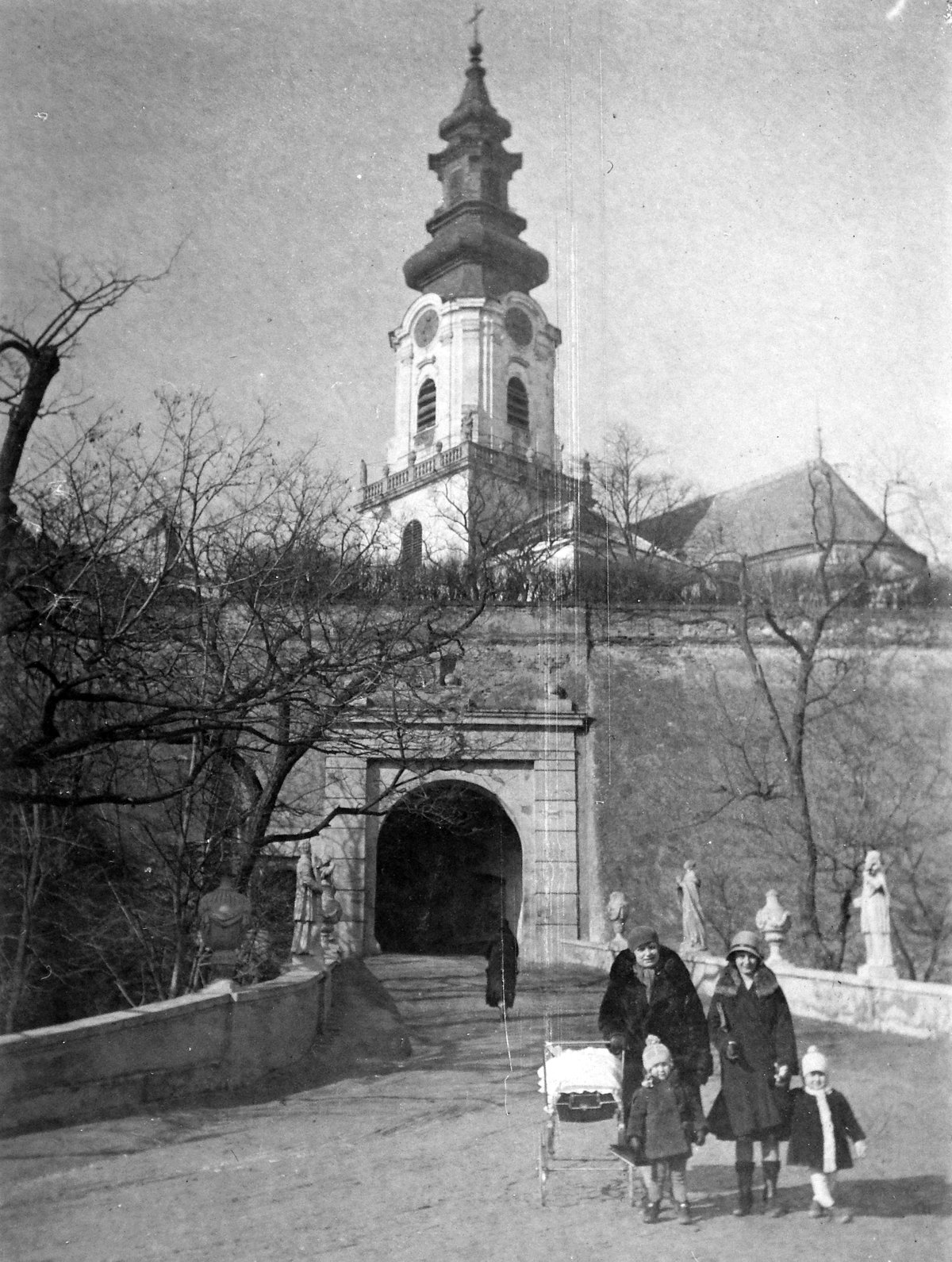
- Nitra Castle A medieval fortress offering panoramic city views, historical exhibitions, and guided tours (Nitra Castle Guide).
- Historic City Center Enjoy charming cobblestone streets, local shops, and cafes.
- Zobor Hills Scenic hiking trails and natural viewpoints.
- National Stud Farm Topoľčianky Famous for breeding Lipizzaner horses and offering tours and horse shows.
- Other Sites St. Emmeram’s Cathedral, local museums, and Nitra City Park.
For further details on Nitra’s attractions, see Visit Nitra and Nitra City Tourism.
Frequently Asked Questions (FAQ)
Q: What are the campus visiting hours?
A: 8:00 AM – 6:00 PM daily; individual building hours may vary.
Q: Is there an entrance fee?
A: No, general campus access is free. Guided tours or events may require payment.
Q: How do I book a guided tour?
A: Contact the university via the official contacts page.
Q: Is the campus accessible for people with disabilities?
A: Yes, with ramps, elevators, and accessible restrooms.
Q: Are there places to eat on campus?
A: Yes, several cafeterias serve a variety of food.
Q: What else can I see in Nitra?
A: Nitra Castle, the city center, Zobor Hills, and local wineries are popular nearby attractions.