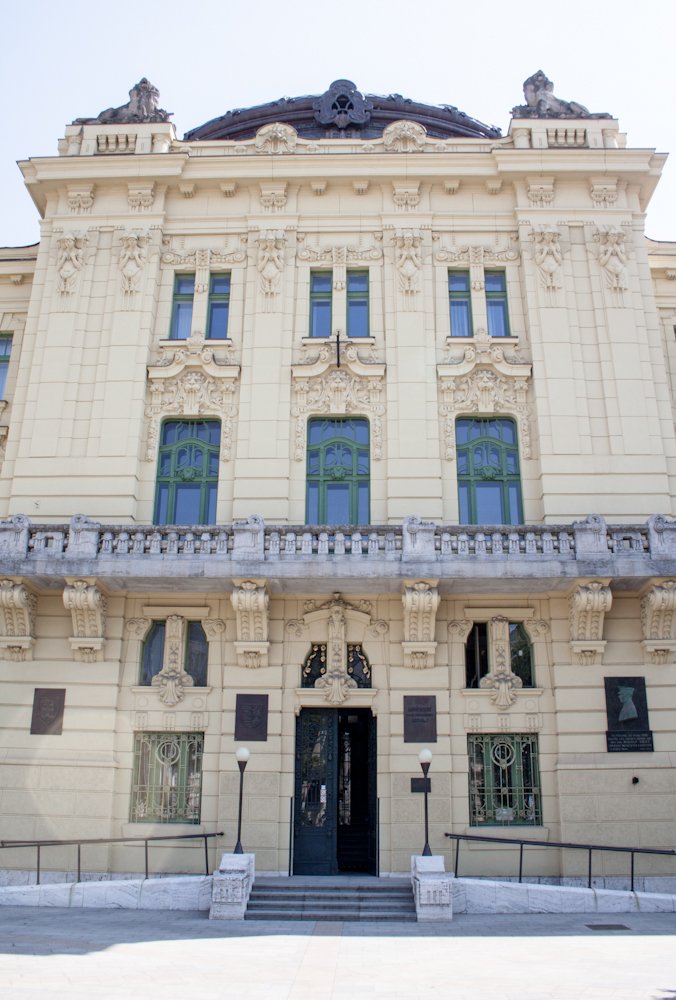
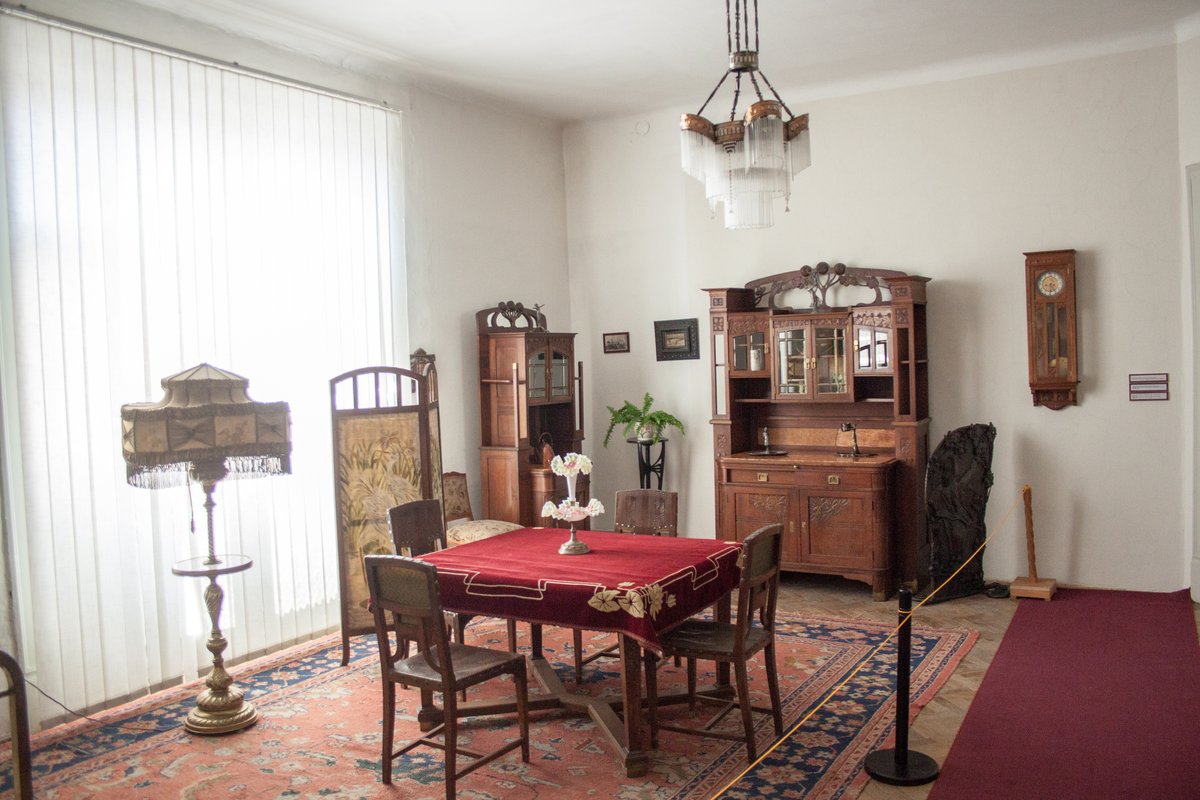
The University of Veterinary Medicine and Pharmacy (UVMP) is in Košice, Slovakia. Founded in 1949, it is Slovakia’s only comprehensive veterinary university and one of only two Slovak universities offering pharmacy programs. As a single-faculty institution, it emphasizes interdisciplinary collaboration, research and an international community.
UVMP offers Veterinary Medicine (six-year and four-year tracks), Pharmacy, Animal Science, Cynology (dog studies), and Food and Feed Safety at undergraduate, graduate and doctoral levels. Courses are available in Slovak and English; the English-language veterinary program attracts students from over 50 countries. Veterinary medicine and several other programs are available in English.
UVMP degrees are recognized internationally and align with EU and EAEVE standards. The university is accredited by the European Association of Establishments for Veterinary Education (EAEVE) and recognized by global organizations, including the World Health Organization. Its programs are compatible with the European Credit Transfer System (ECTS), facilitating student mobility and exchange.
The academic year has winter and spring semesters: winter runs from late September to mid-December, and spring from February to early May. Admission is competitive and requires successful entrance exams in biology and chemistry. Preparatory courses are offered in both Slovak and English. Student housing includes two dormitories near campus, with canteens and recreational amenities. Prof. Jozef Nagy has served as rector since 2023.
Košice, recognized as the European Capital of Culture in 2013, is known for its medieval heritage, festivals and culinary traditions (Košice Tourism).
History
The Slovak National Council established UVMP as the Veterinary College in Košice on December 16, 1949. Its first lectures began in October of that year, addressing a gap in Slovak veterinary education caused by post-war disruptions. Under its first rector, Academician Ján Hovorka, the college developed its academic departments and became Slovakia’s sole veterinary institution.
From 1952, it was the Veterinary Faculty of the Agricultural University in Nitra. It regained independence in 1969, enabling academic and infrastructural growth. Its institutional names were:
- Veterinary College in Košice (1949–1952)
- Veterinary Faculty of the Agricultural University Nitra (1952–1969)
- Veterinary College in Košice (1969–1992)
- University of Veterinary Medicine in Košice (1992–2015)
- University of Veterinary Medicine and Pharmacy in Košice (2015–present)
Modernization in the 1990s brought a wider academic scope. The pharmacy program was introduced in 2006/2007, leading to the university’s current name. Its logo and identity have evolved to reflect its focus on veterinary and pharmaceutical sciences.
What to see on campus
The campus includes 11 departments, five clinics, modern lecture halls and laboratories. The University Veterinary Hospital is a highlight, with clinics for small animals, large animals and exotics. The university also operates a farm, an equestrian center and specialized breeding facilities, giving students practical experience in diagnostics, treatment and animal care. Other facilities include a library and student dormitories.
Practical visiting information
The campus is open to visitors primarily during open days, public events and by prior arrangement. Tours of academic buildings, clinics and specialized research facilities can be scheduled in advance through the university visitor center (UVMP Official Website). The university also hosts scientific conferences and public lectures; schedules and registration details are available on its website.
The campus is accessible by public transportation, with parking available for guests. Major facilities are within walking distance, and public transport connects the university to the city center. The campus is described as fully accessible, with ramps and clear signage.
For accommodation near the university, options include university dormitories and hotels within walking distance (uvlf.sk).
Tips for visiting Košice
Košice has an efficient public transport system. English is widely spoken among young people and at tourist sites, and city signage is often bilingual (trip101.com). The city is considered safe, with a low crime rate; standard precautions are advised (myglobalviewpoint.com).
Spring and early autumn bring mild weather and fewer crowds, while winter has festive markets (myglobalviewpoint.com). For outdoor campus activities, wear comfortable shoes and check the weather.
Annual events include the Košice Peace Marathon, described as the oldest in Europe, Košice Music Spring and the White Night contemporary art festival (myglobalviewpoint.com). Local dishes include bryndzové halušky and goulash, and Slovak wines are also part of the region’s culinary traditions. Saying “Dobrý deň” as a greeting is appreciated. A 10% tip is standard in restaurants; dress casually but smartly for theaters or formal events.
The city center has shops selling Slovak crafts, wines and honey-based products. Free Wi-Fi is available in public spaces and most hotels. Consider downloading the Audiala app for personalized guides and updates.
Nearby places
Košice’s well-preserved medieval center features Gothic, Renaissance, Baroque and Art Nouveau architecture (restgeo.com). Main Street (Hlavná ulica) has historic buildings, shops and cafés. The city’s arts scene flourished after Košice served as European Capital of Culture in 2013 (trip101.com). Murals, public art and modern sculptures add to the city’s streetscape.
Nearby landmarks include the Old Town, the East Slovak Museum, the State Theatre and St. Michael’s Chapel. City Park (Mestský park) is an urban green space, and Slovak Paradise National Park is a day-trip destination (restgeo.com).
St. Elisabeth Cathedral
St. Elisabeth Cathedral, Slovakia’s largest Gothic church, stands in Košice’s city center. Its architecture, history and cultural significance draw visitors year-round (Košice Tourism).
Visiting hours are:
- Monday–Saturday: 9:00 AM–6:00 PM
- Sunday: 12:00 PM–6:00 PM
Tickets cost €3 for adults, €2 for students and seniors, and are free for children under 12. A guided tour costs an additional €5. Tickets are available at the entrance or online, and donations are appreciated. Guided tours offer insight into the cathedral’s history and art; English-language tours are offered daily, and booking ahead is recommended.
The cathedral is wheelchair accessible and offers audio guides in multiple languages. Photography is allowed without flash, and modest attire is requested. Early mornings or late afternoons are ideal for avoiding crowds. The cathedral hosts concerts, art exhibitions and religious festivals throughout the year; check its official website for event listings.
Frequently Asked Questions
Does UVMP offer programs in English?
Yes. Veterinary medicine and several other programs are available in English.
Are UVMP degrees recognized internationally?
Yes. The degrees align with EU and EAEVE standards and are recognized internationally.
How do I arrange a campus visit?
Contact the UVMP visitor center in advance to schedule a tour, or attend an open day.
Are guided tours available at St. Elisabeth Cathedral?
Yes. English-language tours are offered daily, and booking ahead is recommended.
Is the university campus accessible for visitors with disabilities?
Yes. The campus is described as fully accessible.
What accommodation options are near the university?
University dormitories and a range of hotels are within walking distance (uvlf.sk).