Plan and listen to Tinódi Sebestyén with Audiala.
Audio guide in your pocket, itinerary in your browser. Built for the way you actually visit.
Introduction to Tinódi Sebestyén and His Legacy in Košice
Tinódi Sebestyén, often called "Lantos" for his mastery of the lute, was among the most influential Hungarian poets, chroniclers, and musicians of the 16th century. His works documented Hungary's turbulent history during the Ottoman wars, blending artistry with historical accuracy. Though not a native of Košice (historically Kassa), Tinódi spent formative years in the city, composing and performing works that were both informative and inspirational. Today, Košice honors his legacy with memorials, museum exhibits, and cultural events, offering visitors a chance to connect with Renaissance history and Hungarian heritage.
This comprehensive guide details Tinódi Sebestyén's historical significance and provides essential information for visitors, including site details, visiting hours, ticketing, accessibility, and practical travel tips. Whether you are a history enthusiast or a casual traveler, Košice’s Tinódi-related sites offer a unique journey into Central Europe's past.
For current details and digital resources, consult the Košice Tourism Website and enhance your experience with audio-guided tours from the Audiala app. For deeper historical context, see Exploring Tinódi Sebestyén: Hungary’s Renowned Lute-Player and Chronicler and His Historical Legacy in Košice and the Košice historical sites guide.

Early Life and Background
Born around 1510 in the village of Tinód in the historical Kingdom of Hungary, Tinódi Sebestyén received a rare, comprehensive education, including Latin studies. His early exposure to literature and music led to a lifelong passion for chronicling the events of his time through song and poetry, setting the foundation for his later achievements as a minstrel and historian.
Military Service and Turning Point
Tinódi joined the Hungarian military in 1535, but a battle wound in 1539 forced him to retire from active service. The Ottoman conquest of Buda in 1541 deeply affected him, prompting a shift from soldier to chronicler. He became a political poet, documenting Hungary's struggles and resilience during the Ottoman expansion, using his art to inform and unite his compatriots.
The Minstrel and Chronicler
Uniquely merging the roles of minstrel and historian, Tinódi traveled throughout Hungary, gathering eyewitness accounts of battles and political events. He transformed these stories into songs performed with his lute, earning his nickname "Lantos." His works are valued both as artistic creations and as primary historical records of 16th-century Hungary (sarvaritinodi.hu).
Life and Legacy in Košice
Settlement and Patronage
From 1548, Tinódi settled in Košice, a significant cultural and urban center in Upper Hungary. Here, with the support of city captain Lénárd Czeczei, he composed many of his best-known works and enjoyed relative stability. By 1553, he was granted a patent of nobility, formalizing his status as a chronicler and artist (turul.info).
Memorials
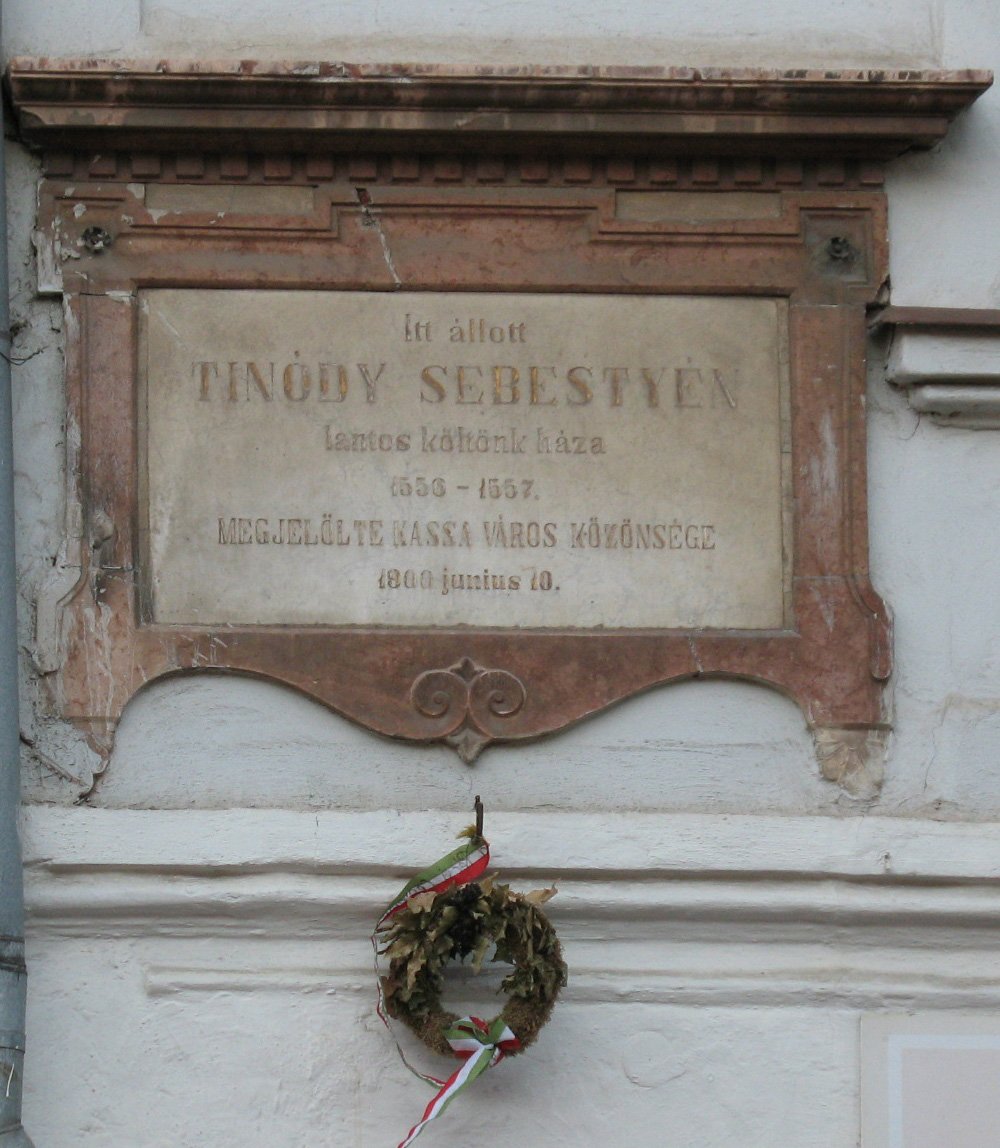
The city commemorates Tinódi with a memorial plaque at Kováčska 34, believed to mark his residence from 1550 to 1557. Despite some neglect, this site remains a focal point for historical tours and a testament to his enduring influence.
Literary and Musical Achievements
Tinódi’s seminal work, “Cronica,” published in 1554, compiles historical songs and poems that vividly depict Hungarian battles and political events. His narrative style prioritized factual reporting, making his songs effective vehicles for news, moral reflection, and religious inspiration during times of national crisis.
Visiting Tinódi Sebestyén Memorials and Historical Sites
Košice offers several key sites for visitors interested in Tinódi’s legacy:
Memorial Plaque at Kováčska 34
- Location: Kováčska 34, Košice’s historic center
- Visiting Hours: Publicly accessible at all times
- Tickets: Free of charge
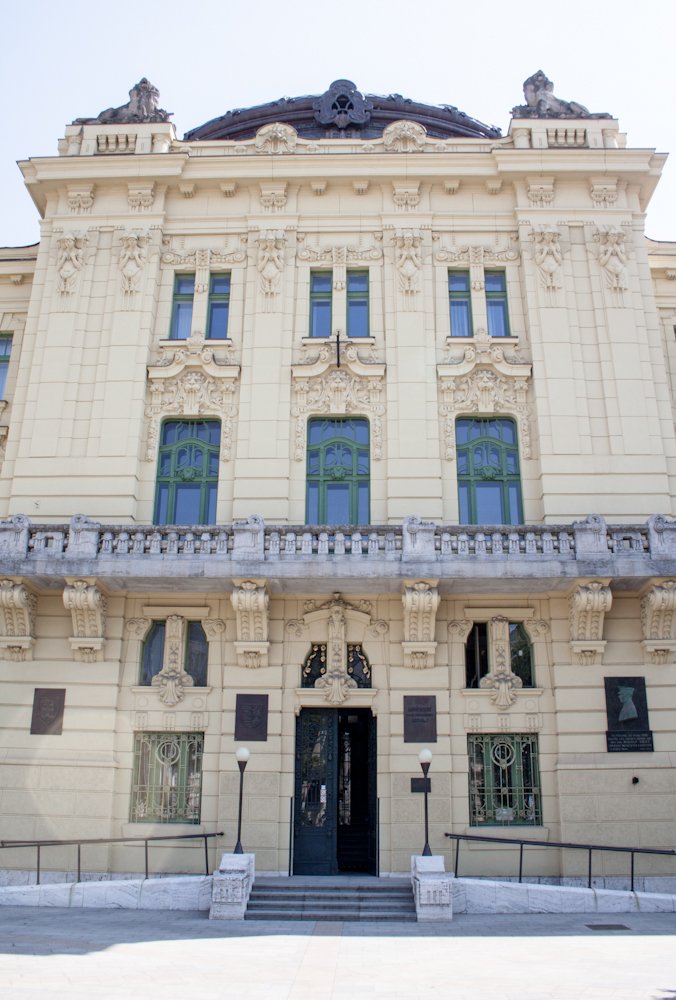
East Slovak Museum
- Address: Námestie Maratónu mieru 2, Košice
- Visiting Hours: Tuesday–Sunday, 9:00 AM–5:00 PM; closed Mondays
- Tickets: Adult admission €4; discounts for students and seniors
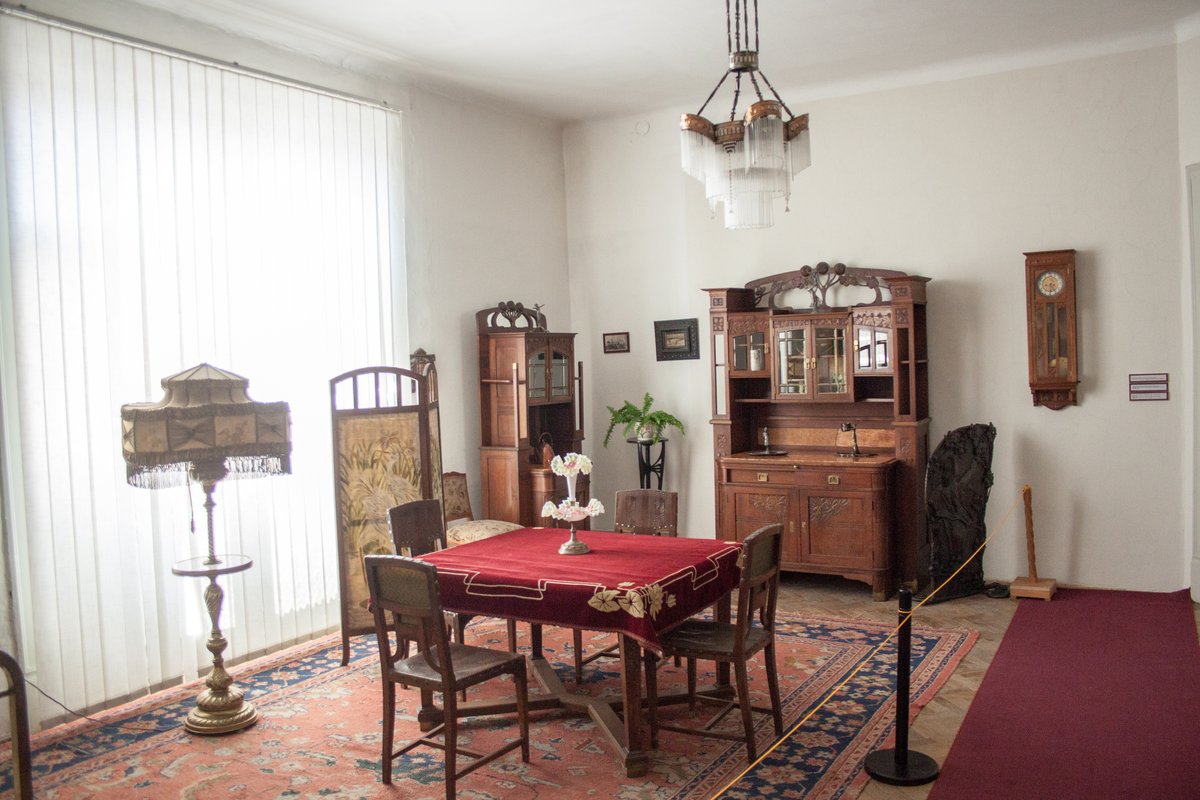
- Highlights: Medieval artifacts, manuscripts, and the Košice Golden Treasure (myglobalviewpoint.com)
Hlavná Ulica (Main Street)
- Features: Central pedestrian zone with Gothic, Renaissance, and Baroque landmarks, including St. Elisabeth’s Cathedral and Urban’s Tower (thecrazytourist.com)
Guided Historical Tours
- Availability: Local operators offer guided walking tours, often including Tinódi sites
- Duration & Cost: Typically 1.5–2 hours; €10–€20 per person. Free tours available (tipping customary) (nomadicmatt.com)
Special Events
- Cultural Festivals: Košice hosts annual multicultural and Renaissance-themed events where Tinódi’s works are performed (europaadventure.com)
Practical Travel Tips
- Getting There: Košice is accessible by train and bus from major Slovak and neighboring cities.
- Best Time to Visit: Spring (April–June) and autumn (September–November) offer pleasant weather and fewer crowds.
- Accessibility: The historic center is pedestrian-friendly and accessible for visitors with mobility needs.
- Dining: Enjoy traditional Slovak and Hungarian cuisine at local restaurants.
- Accommodation: A range of hostels, hotels, and boutique stays are available; book ahead during major events.
Tinódi Sebestyén’s Legacy and Modern Context
Tinódi’s chronicles remain a cornerstone of Hungarian and Central European historical literature. Košice’s commitment to preserving his memory is evident in its museums, guided tours, and periodic cultural events. His ability to merge artistry with historical documentation continues to inspire scholars and visitors, reflecting the city’s multicultural legacy (visitkosice.org).
Frequently Asked Questions (FAQ)
Q: Where is Tinódi Sebestyén’s memorial located in Košice?
A: The memorial plaque is at Kováčska 34 in the city center.
Q: Are there entrance fees for Tinódi-related sites?
A: The memorial plaque is free; museum admission is typically €4–€5.
Q: Are guided tours available in English?
A: Yes, most guided tours are offered in English, Slovak, and Hungarian.
Q: Is the memorial wheelchair accessible?
A: Yes, the area is pedestrian-friendly and accessible for visitors with mobility needs.
Q: Are there special events related to Tinódi Sebestyén?
A: Košice hosts cultural events and Renaissance festivals featuring period music and historical reenactments.
Listen to the full story in the app
The whole Tinódi Sebestyén,
told well.
Audio guides for 1,100+ cities across 96 countries. History, stories, and local insight — offline ready.
Verified, and shown.
Researched and written by the Audiala editorial team from historical records, architectural archives, and local expertise.
Researched from Wikidata, Wikipedia & official sources · fact-checked · How we make our guides →